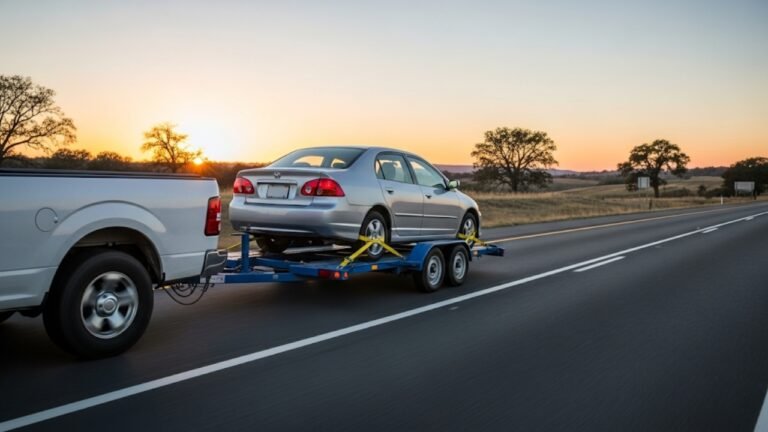
Where to Sell Car for Scrap
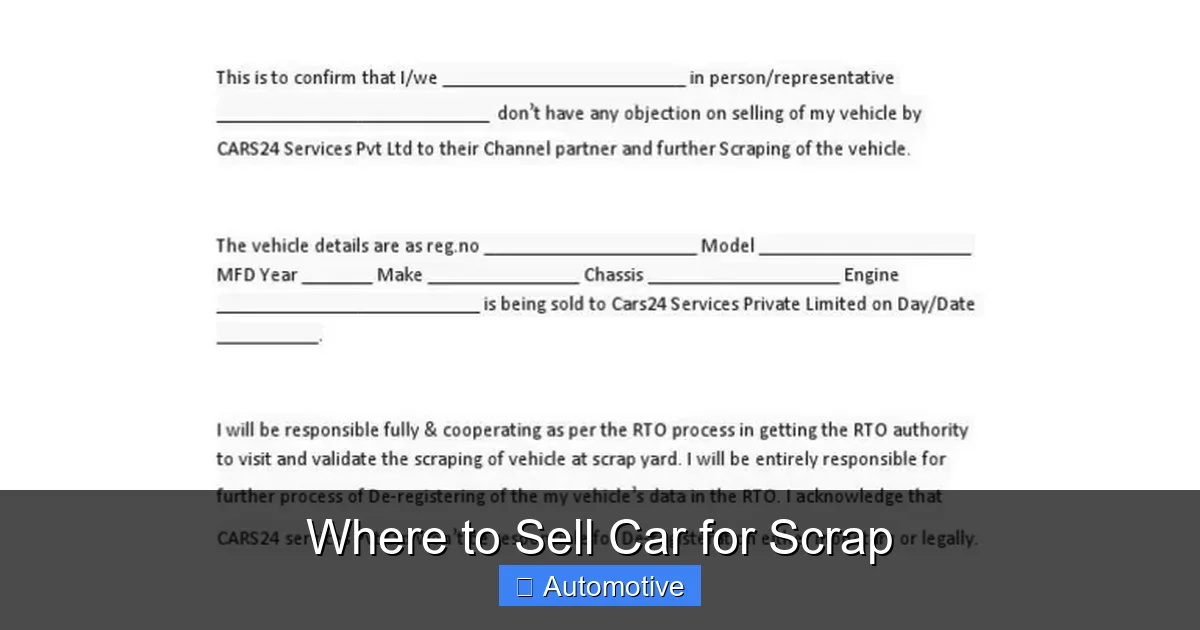
When your car reaches the end of its life, selling it for scrap can be a smart, eco-friendly, and profitable choice. But knowing where to sell car for scrap—and how to get the best deal—can feel overwhelming. This guide walks you through trusted options, tips for maximizing value, and what to avoid.
In This Article
- 1 Key Takeaways
- 2 📑 Table of Contents
- 3 Where to Sell Car for Scrap: Your Complete Guide
- 4 Why Sell Your Car for Scrap?
- 5 Top Places to Sell Your Car for Scrap
- 6 How to Prepare Your Car for Scrap Sale
- 7 How Much Can You Get for a Scrap Car?
- 8 Red Flags: What to Avoid When Selling for Scrap
- 9 Maximizing Your Scrap Car’s Value
- 10 Environmental and Legal Considerations
- 11 Conclusion
- 12 Frequently Asked Questions
- 12.1 Do I need a title to sell my car for scrap?
- 12.2 Can I sell a car that doesn’t run?
- 12.3 How much does it cost to tow a scrap car?
- 12.4 What if my car has no wheels or is missing parts?
- 12.5 Can I sell my car for scrap if it’s still financed?
- 12.6 Is it better to sell parts first or scrap the whole car?
Key Takeaways
- Scrap yards offer quick cash: Local scrap metal recyclers often pay based on weight and metal content, making them a fast option for end-of-life vehicles.
- Online platforms connect you to buyers: Websites like CashForCars, Peddle, and CarBrain let you get instant quotes and schedule free towing.
- Dealerships may buy scrap cars: Some dealerships accept non-running vehicles, especially if you’re purchasing a new car—ask about trade-in options.
- Check state and local programs: Certain areas offer incentives or free towing for scrapping old, polluting vehicles to reduce emissions.
- Prepare your paperwork: Always have your title, registration, and ID ready—most buyers require proof of ownership to complete the sale.
- Avoid unlicensed junkyards: Stick to licensed, reputable recyclers to ensure legal compliance and fair payment.
- Remove personal items and fluids: Clean out your car and drain fluids before pickup to avoid delays or extra fees.
📑 Table of Contents
- Where to Sell Car for Scrap: Your Complete Guide
- Why Sell Your Car for Scrap?
- Top Places to Sell Your Car for Scrap
- How to Prepare Your Car for Scrap Sale
- How Much Can You Get for a Scrap Car?
- Red Flags: What to Avoid When Selling for Scrap
- Maximizing Your Scrap Car’s Value
- Environmental and Legal Considerations
- Conclusion
Where to Sell Car for Scrap: Your Complete Guide
So, your car’s seen better days. Maybe it won’t start, the engine’s shot, or the repair costs outweigh its value. You’ve decided it’s time to let it go—but not before getting some cash back. That’s where selling your car for scrap comes in.
Selling a car for scrap isn’t just about clearing space in your driveway. It’s a practical, responsible, and often profitable way to retire a vehicle that’s beyond repair. Whether your car is rusted, wrecked, or simply too old to run, there are multiple places willing to take it off your hands—and pay you for the metal, parts, and materials inside.
But not all scrap buyers are created equal. Some offer fair prices and hassle-free pickup, while others might lowball you or operate illegally. The key is knowing where to sell car for scrap so you get the best value, avoid scams, and complete the process smoothly.
In this guide, we’ll walk you through the top options for selling your scrap car, how to prepare it, what to expect, and how to maximize your payout. Whether you’re dealing with a clunker from the ‘90s or a newer car with a blown engine, this guide has you covered.
Why Sell Your Car for Scrap?
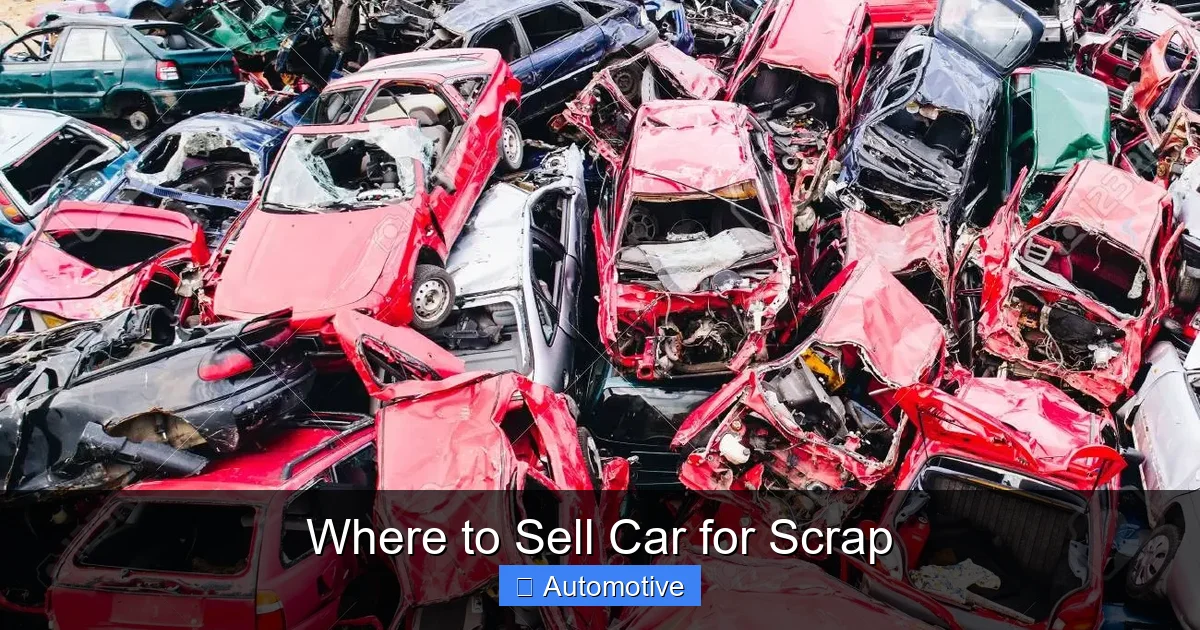
Visual guide about Where to Sell Car for Scrap
Image source: carscrap.co.in
Before diving into where to sell, let’s talk about why scrapping your car makes sense.
First, it’s environmentally responsible. Cars contain valuable metals like steel, aluminum, and copper that can be recycled and reused. Recycling one ton of steel saves 2,500 pounds of iron ore, 1,400 pounds of coal, and 120 pounds of limestone. By scrapping your car, you’re helping reduce mining, energy use, and landfill waste.
Second, it’s often the most practical option. If your car is beyond repair, continuing to store it costs you time, space, and potential towing fees. Selling it for scrap gives you immediate cash and frees up your property.
Third, it’s surprisingly profitable. Even a non-running car can fetch hundreds—or even thousands—of dollars, depending on its weight, condition, and current metal prices. For example, a mid-sized sedan might weigh around 3,000 pounds. At current scrap steel prices (around $150–$250 per ton), that’s $225–$375 just for the metal. Add in parts like the catalytic converter, battery, or wheels, and the value increases.
Finally, it’s convenient. Many scrap buyers offer free towing, same-day pickup, and online quotes. You don’t need to fix anything or clean it up—just hand over the keys and collect your payment.
Top Places to Sell Your Car for Scrap

Visual guide about Where to Sell Car for Scrap
Image source: scrapcar.com.sg
Now that you know the benefits, let’s explore the best places to sell your car for scrap. Each option has pros and cons, so choose the one that fits your needs.
1. Local Scrap Yards and Auto Recyclers
Scrap yards are the most traditional—and often most direct—option. These facilities specialize in dismantling and recycling vehicles, extracting valuable metals and parts.
Most scrap yards pay based on the weight of your car. They use large scales to weigh the vehicle and calculate payment using current scrap metal rates. For example, if your car weighs 2,800 pounds and steel is priced at $200 per ton, you’ll receive about $280.
Pros:
– Immediate cash payment
– No need for the car to run
– Often accept cars with missing parts or damage
Cons:
– Prices vary by location and market conditions
– May require you to tow the car yourself (though many now offer pickup)
– Some yards only accept vehicles with titles
Tip: Call ahead to confirm their requirements. Ask if they need the title, if they offer towing, and what their current rate per pound is. Some yards also pay extra for catalytic converters or intact batteries.
2. Online Car Buying Services
In the digital age, you don’t have to leave your couch to sell your scrap car. Online platforms like CashForCars, Peddle, CarBrain, and JunkCarMasters connect sellers with a network of licensed recyclers and buyers.
Here’s how it works: You enter your car’s details (year, make, model, mileage, condition) on their website. Within minutes, you receive a free quote. If you accept, they schedule free towing and pay you on pickup—usually in cash or via check.
These services are ideal if your car doesn’t run or you don’t have a trailer to haul it. They handle everything from pickup to paperwork.
Pros:
– Fast, no-hassle process
– Free towing included
– Competitive quotes from multiple buyers
– Available nationwide
Cons:
– Final offer may be lower than the initial quote (if condition differs)
– Some services charge fees for certain locations
– Requires internet access and time to fill out forms
Example: Maria from Ohio had a 2003 Honda Civic that wouldn’t start. She used Peddle’s website, got a $320 quote, and had it picked up the next day. She received $300 in cash—close to the estimate—and didn’t lift a finger.
3. Dealerships and Trade-In Programs
You might be surprised to learn that some car dealerships accept scrap cars—especially if you’re buying a new or used vehicle. While they typically prefer running cars, many have partnerships with recyclers and may take non-drivable vehicles as trade-ins.
Dealerships often roll the scrap value into your new car purchase, reducing your out-of-pocket cost. For example, if your old car is worth $400 as scrap and you’re buying a $20,000 car, they might deduct $400 from the price.
Pros:
– Convenient if you’re upgrading
– May offer better deals when combined with a purchase
– Professional, trustworthy environment
Cons:
– Not all dealerships accept non-running cars
– Trade-in value may be lower than selling directly to a scrap yard
– Limited to locations with dealerships
Tip: Call ahead and ask, “Do you accept non-running or scrap vehicles as trade-ins?” Some dealerships advertise “we buy any car” programs, which include clunkers.
4. Government and Environmental Programs
In some areas, local governments or environmental agencies run programs to encourage drivers to scrap old, polluting vehicles. These “cash for clunkers” or “vehicle retirement” programs offer financial incentives to retire high-emission cars.
For example, California’s Consumer Assistance Program (CAP) pays up to $1,500 to scrap a vehicle that fails smog tests. Similar programs exist in New York, Texas, and other states.
These programs often require the car to be registered, insured, and meet specific emissions standards. In return, you get a check and help reduce air pollution.
Pros:
– Extra cash on top of scrap value
– Eco-friendly incentive
– May include free towing
Cons:
– Limited availability by region
– Strict eligibility requirements
– Longer processing times
Tip: Search “cash for clunkers [your state]” to see if a program exists near you. Even if you don’t qualify, the scrap value still applies.
5. Private Buyers and Online Marketplaces
You can also sell your scrap car directly to individuals through platforms like Craigslist, Facebook Marketplace, or OfferUp. Some people buy non-running cars to use for parts, rebuild, or resell.
This method gives you more control over pricing, but it requires more effort. You’ll need to list the car, respond to inquiries, and meet potential buyers.
Pros:
– Potential for higher payout
– No middleman fees
– Flexible negotiation
Cons:
– Time-consuming
– Risk of scams or unsafe meetings
– May need to tow the car yourself
Tip: Always meet in a public place, bring a friend, and never accept cash until the title is signed over. Be clear that the car is sold “as-is” with no warranty.
How to Prepare Your Car for Scrap Sale

Visual guide about Where to Sell Car for Scrap
Image source: scrapcar.com.sg
To ensure a smooth sale and avoid delays, take a few simple steps before handing over your car.
Gather Required Documents
Most buyers require:
– Vehicle title (signed over to the buyer)
– Registration
– Valid ID (driver’s license or state ID)
If you’ve lost the title, contact your local DMV to get a duplicate. Some states allow a bill of sale or affidavit of ownership, but a title is best.
Remove Personal Items
Check every compartment: glove box, trunk, under seats, and door pockets. Don’t forget garage door openers, phone chargers, or spare keys. Once the car is gone, you can’t retrieve anything left behind.
Drain Fluids (If Required)
Some scrap yards require you to drain fluids like oil, coolant, and gasoline before acceptance. Others handle it themselves. Call ahead to ask their policy.
If you drain it yourself:
– Use proper containers
– Dispose of fluids at a recycling center (never pour down drains)
– Wear gloves and safety goggles
Disable the Battery
Remove the battery or disconnect the terminals. This prevents electrical fires and makes the car safer to handle.
Cancel Insurance and Registration
Once the car is sold, contact your insurance company to cancel coverage. Also, notify your state’s DMV that the vehicle has been transferred to avoid liability.
How Much Can You Get for a Scrap Car?
The value of your scrap car depends on several factors:
Weight and Metal Content
Steel is the most abundant metal in cars, but aluminum, copper, and other materials add value. Heavier cars = more money. A full-size SUV might weigh 5,000+ pounds, while a compact car weighs around 2,500.
Current Scrap Metal Prices
Metal prices fluctuate based on global demand. Check sites like ScrapMonster or iScrap App for real-time rates. In 2024, steel averages $150–$250 per ton.
Car Condition and Age
Even scrap cars vary in value. A newer car with intact parts (like a catalytic converter) may fetch more. A rusted, stripped car with missing parts will pay less.
Location
Prices differ by region. Urban areas with more recyclers may offer better competition and higher payouts. Rural areas might have fewer options.
Example Calculation:
– Car weight: 3,000 lbs = 1.5 tons
– Steel price: $200/ton
– Base value: $300
– Catalytic converter: +$100
– Battery: +$20
– Total: ~$420
Keep in mind, some buyers deduct towing or processing fees, so always ask for a final quote before agreeing.
Red Flags: What to Avoid When Selling for Scrap
Not all buyers are trustworthy. Watch out for these warning signs:
No License or Certification
Legitimate scrap yards are licensed and insured. Ask to see their credentials. Avoid unmarked lots or individuals offering cash with no paperwork.
Pressure to Sell Immediately
Scammers may rush you to sign over the title before you’ve seen the offer. Take your time. Compare quotes from at least three sources.
No Written Agreement
Always get a receipt or bill of sale. It should include the car’s VIN, sale price, date, and both parties’ information.
Demand for Payment Upfront
Reputable buyers pay you—they don’t ask you to pay them. Avoid anyone requesting fees for “processing” or “towing.”
Vague or Changing Quotes
If the final offer is much lower than the initial quote, ask why. Some buyers lowball after seeing the car. Know your car’s value beforehand.
Maximizing Your Scrap Car’s Value
Want to get the most money possible? Try these tips:
Sell Parts Separately
If your car has valuable parts—like a working engine, transmission, or infotainment system—consider selling them individually before scrapping the shell. Sites like eBay Motors or local auto parts stores may pay more than the scrap value.
Time Your Sale
Metal prices rise and fall. If you’re not in a rush, monitor scrap rates and sell when prices are high. Apps like iScrap App send price alerts.
Choose the Right Buyer
Compare offers from scrap yards, online services, and dealerships. One might pay $300, another $450. Don’t settle for the first quote.
Keep the Title Clean
A clear, signed title increases value. If your title has liens or errors, resolve them before selling.
Negotiate
Some buyers are open to negotiation, especially if you’re selling multiple cars or have a rare model. It never hurts to ask.
Environmental and Legal Considerations
Selling your car for scrap isn’t just about money—it’s also about responsibility.
Proper Disposal of Hazardous Materials
Cars contain fluids and components that are harmful if released into the environment. Licensed recyclers follow EPA guidelines to safely remove:
– Motor oil
– Antifreeze
– Brake fluid
– Airbags
– Mercury switches (in older cars)
Never dump a car in a field or abandon it. It’s illegal and can result in fines.
Title Transfer and Liability
Once you sell your car, you must transfer the title to avoid liability. If the buyer doesn’t properly scrap it and it’s later involved in an accident, you could be held responsible.
Always get a signed bill of sale and notify your DMV. Some states require a “release of liability” form.
Recycling Rates and Sustainability
Over 95% of a car can be recycled. Steel and iron are reused in new cars, appliances, and construction. Aluminum goes into cans and electronics. Even tires are turned into playground surfaces or asphalt.
By choosing a certified recycler, you support a circular economy and reduce waste.
Conclusion
Selling your car for scrap is a smart, sustainable, and often profitable decision. Whether your vehicle is rusted, wrecked, or simply won’t start, there are plenty of reputable places to sell it and get fair value.
From local scrap yards to online platforms and government programs, your options are more convenient than ever. The key is doing your research, comparing offers, and preparing your car properly.
Remember: always use licensed buyers, keep your paperwork in order, and remove personal items. And if you’re unsure where to sell car for scrap, start with a few online quotes—they’re free, fast, and no-obligation.
Don’t let that old car sit and rust. Turn it into cash, free up space, and do your part for the planet. With the right approach, scrapping your car can be a win-win for your wallet and the environment.
Frequently Asked Questions
Do I need a title to sell my car for scrap?
In most cases, yes. A signed title proves ownership and is required by law in many states. If you’ve lost it, contact your DMV to get a duplicate before selling.
Can I sell a car that doesn’t run?
Absolutely. Most scrap buyers accept non-running, damaged, or wrecked vehicles. They pay based on weight and metal content, not drivability.
How much does it cost to tow a scrap car?
Many scrap yards and online services offer free towing as part of the sale. Always confirm this before agreeing to a deal.
What if my car has no wheels or is missing parts?
It’s still sellable. Scrap yards often accept incomplete vehicles, though the value may be lower. Mention missing parts when getting a quote.
Can I sell my car for scrap if it’s still financed?
Only if the loan is paid off. If you still owe money, the lender holds the title. You’ll need to pay off the loan or get lender approval before selling.
Is it better to sell parts first or scrap the whole car?
It depends. Selling valuable parts separately can increase profit, but it takes time and effort. For most people, scrapping the whole car is faster and simpler.