Where to Sell an Old Car
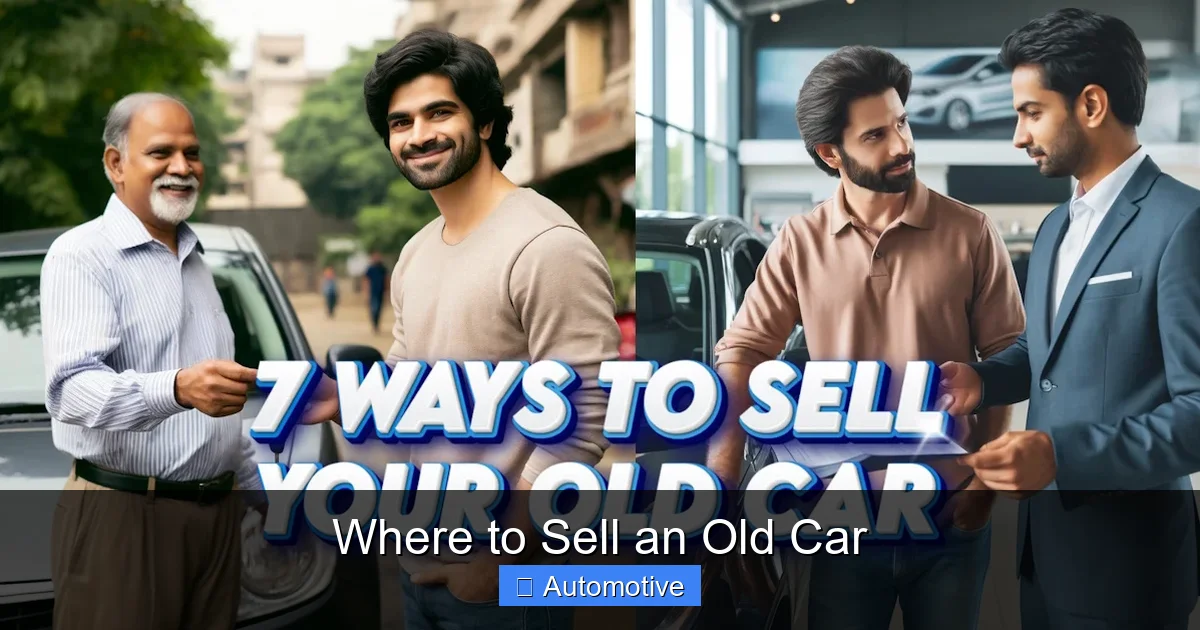
Selling an old car doesn’t have to be stressful or confusing. Whether your vehicle is running, barely running, or completely dead, there are multiple reliable options to get cash in hand fast. From private buyers to online marketplaces and junkyards, knowing where to sell an old car can save you time, hassle, and money.
So, you’ve got an old car sitting in your driveway—maybe it’s got a few too many dings, a check engine light that won’t quit, or it just doesn’t fit your lifestyle anymore. You know it’s time to let it go, but where do you even start? Selling an old car might seem overwhelming, especially if you’ve never done it before. But here’s the good news: there are more options today than ever before, and many of them are designed to make the process fast, safe, and profitable.
Whether your car is in pristine condition or barely rolls, there’s a buyer out there—or at least a place that will take it off your hands. The key is knowing which route makes the most sense for your situation. Do you want top dollar and don’t mind putting in some work? Or would you rather get a fair offer quickly and move on with your life? The answer will help you choose the best path. In this guide, we’ll walk you through every major option for where to sell an old car, including pros, cons, tips, and real-world examples so you can make a smart, confident decision.
In This Article
- 1 Key Takeaways
- 2 📑 Table of Contents
- 3 Sell It Privately for Maximum Value
- 4 Use Online Car-Buying Services for Speed and Convenience
- 5 Trade It In at a Dealership
- 6 Donate Your Car to Charity
- 7 Sell to a Junkyard or Scrap Yard
- 8 Explore Local Classifieds and Community Platforms
- 9 Final Tips Before You Sell
- 10 Frequently Asked Questions
- 10.1 Can I sell my old car if it doesn’t run?
- 10.2 Do I need a title to sell my old car?
- 10.3 How long does it take to sell an old car privately?
- 10.4 Is it better to sell or trade in my old car?
- 10.5 Can I sell my car if I still owe money on it?
- 10.6 What happens if I sell my car and the buyer doesn’t register it?
Key Takeaways
- Sell privately for the highest price: You’ll typically get the most money by listing your car yourself, but it requires effort and patience.
- Use online car-buying services for speed: Companies like Carvana, Vroom, and Shift offer instant quotes and fast pickups—great for convenience.
- Trade it in at a dealership: Ideal if you’re buying a new car, though you’ll usually get less than a private sale.
- Donate for a tax deduction: If your car isn’t worth much, donating it to charity can provide a valuable tax break.
- Sell to a junkyard or scrap yard: Perfect for non-running vehicles; many will tow it away for free.
- Check local classifieds and community boards: Facebook Marketplace, Craigslist, and neighborhood apps can connect you with nearby buyers quickly.
- Prepare your paperwork in advance: Having your title, registration, and maintenance records ready speeds up any sale method.
📑 Table of Contents
Sell It Privately for Maximum Value
If your goal is to get the most money possible from your old car, selling it privately is usually your best bet. Private sales typically yield 10% to 20% more than trading it in or selling to a dealer. That’s because you’re cutting out the middleman and dealing directly with the end buyer. But this method isn’t just about price—it’s also about control. You decide how to present the car, who sees it, and when it sells.
How to List Your Car Online
The first step in a private sale is creating a strong listing. Start by taking high-quality photos from multiple angles—outside, inside, engine bay, and any flaws. Use natural light and clean the car thoroughly before shooting. Then, write a detailed description that includes the make, model, year, mileage, condition, recent repairs, and any extras like new tires or a premium sound system. Be honest about issues; transparency builds trust and avoids headaches later.
Popular platforms for private car sales include:
– Facebook Marketplace: Free to list, huge local reach, and built-in messaging.
– Craigslist: Still widely used, especially in urban areas, but requires caution.
– Autotrader: Great for serious buyers, though there may be listing fees.
– Cars.com: Another trusted site with tools to help price your vehicle.
Pro tip: Use pricing tools like Kelley Blue Book (KBB) or Edmunds to determine a fair market value. Price your car slightly above what you’re willing to accept—this gives you room to negotiate.
Safety and Negotiation Tips
When meeting potential buyers, always choose a public place like a police station parking lot or a busy shopping center. Bring a friend if possible, and never share personal information like your home address or bank details. For test drives, ask for a valid driver’s license and consider riding along to ensure your car isn’t misused.
Negotiation is part of the game. Most buyers will try to lowball you, so be prepared. Know your bottom line and stick to it. If someone offers significantly less than your asking price, don’t feel pressured to accept—there are plenty of other buyers out there.
Once you agree on a price, complete the sale properly. Sign over the title, provide a bill of sale, and notify your state’s DMV that the vehicle has been transferred. This protects you from liability if the new owner gets a ticket or has an accident.
Use Online Car-Buying Services for Speed and Convenience
Visual guide about Where to Sell an Old Car
Image source: img.freepik.com
If you’re short on time or just don’t want the hassle of dealing with strangers, online car-buying services are a fantastic alternative. These companies use algorithms to evaluate your car based on photos, VIN, mileage, and condition, then offer you a cash quote—often within minutes. If you accept, they’ll schedule a free pickup and pay you on the spot.
Top Online Buyers to Consider
Some of the most trusted names in this space include:
– Carvana: Known for its sleek website and home delivery (and pickup) service. Offers are valid for 7 days.
– Vroom: Similar to Carvana, with a strong focus on customer service and fast transactions.
– Shift: Combines technology with human inspection—they’ll even do a video walkthrough of your car.
– CarMax: While it has physical locations, CarMax also offers online appraisals and home pickups in many areas.
These services are especially useful if your car is older but still running well. They accept a wide range of vehicles, including those with high mileage or minor cosmetic damage. However, their offers are usually lower than what you’d get in a private sale because they need to resell the car for a profit.
What to Expect During the Process
Start by entering your car’s details on the company’s website. You’ll upload photos and answer questions about its condition. Within hours (sometimes minutes), you’ll receive an offer. If you accept, a representative will contact you to schedule pickup—usually within a few days.
At pickup, they’ll do a quick inspection to confirm the car matches your description. If everything checks out, you’ll get paid via check or direct deposit. The whole process can take less than a week, making it one of the fastest ways to sell an old car.
One downside? These companies may not accept cars with major mechanical issues or salvage titles. Always read the fine print before committing.
Trade It In at a Dealership
Visual guide about Where to Sell an Old Car
Image source: highlightstory.com
Trading in your old car at a dealership is one of the most convenient options—especially if you’re planning to buy a new or used vehicle at the same time. The dealer handles all the paperwork, and you can often roll the trade-in value into your new purchase, reducing your out-of-pocket cost.
Pros and Cons of Trading In
The biggest advantage is simplicity. You drive in with your old car, drive out with a new one, and never have to deal with listings, showings, or negotiations. It’s also safer than meeting strangers, and you avoid the risk of accepting a bad check.
However, trade-in values are typically lower than private sale prices. Dealers need to make a profit when they resell your car, so they’ll offer you less. On average, you might get 10% to 15% less than market value. That said, many states allow you to apply the trade-in value toward the purchase price before sales tax is calculated, which can save you hundreds.
How to Get the Best Trade-In Offer
To maximize your trade-in value, do your homework. Use KBB or Edmunds to find the trade-in range for your car. Clean it inside and out, fix minor issues like burnt-out bulbs or cracked windshields, and gather all service records. A well-maintained car with documented history will always get a better offer.
Don’t accept the first offer. Get quotes from multiple dealerships—even if you plan to buy from one of them. Use competing offers as leverage to negotiate a better deal. And remember: the trade-in value and the price of the new car are separate negotiations. Don’t let the dealer bundle them to confuse you.
Donate Your Car to Charity
Visual guide about Where to Sell an Old Car
Image source: cartoq.com
If your old car isn’t worth much—or if you’d rather support a good cause—donating it to charity can be a rewarding option. Many nonprofit organizations accept vehicle donations, and you may be eligible for a tax deduction based on the car’s fair market value or sale price.
How Car Donations Work
Organizations like Goodwill, the Salvation Army, and Vehicles for Charity make it easy to donate. You can usually request a free pickup, and they’ll handle the towing and paperwork. Some charities even accept non-running cars.
To claim a tax deduction, you’ll need a receipt from the charity and, in some cases, Form 1098-C if the car is sold. The IRS allows you to deduct the fair market value if the charity uses the car, or the sale price if they sell it. Use tools like KBB or the IRS’s own guidelines to determine value.
Things to Watch Out For
Not all charities are created equal. Make sure the organization is a registered 501(c)(3) nonprofit by checking the IRS Tax Exempt Organization Search tool. Avoid third-party brokers who take a cut of the donation—donate directly to the charity whenever possible.
Also, keep detailed records: photos of the car, the donation receipt, and any communication with the charity. These will be essential if the IRS ever questions your deduction.
Sell to a Junkyard or Scrap Yard
Got a car that doesn’t start, has serious damage, or is just plain worn out? Don’t let it rust in your yard—sell it to a junkyard or scrap yard. These businesses buy old, non-running vehicles for parts or metal recycling, and many offer free towing.
How Much Can You Get?
The value depends on the car’s weight, current scrap metal prices, and whether it has valuable parts like catalytic converters or aluminum wheels. On average, you might get $100 to $500 for a typical sedan, though luxury or heavy-duty vehicles can fetch more.
Call around to local junkyards to compare offers. Some will give you a quote over the phone based on the make, model, and condition. Others may need to see the car in person.
What to Do Before Selling
Remove all personal items from the car, including documents, garage door openers, and registration cards. Drain fluids like oil and coolant if required by the scrap yard. And don’t forget to cancel your insurance and notify the DMV that the vehicle has been sold or scrapped.
Many junkyards will handle the title transfer for you, but it’s still smart to get a bill of sale and keep a copy for your records.
Explore Local Classifieds and Community Platforms
Sometimes, the best place to sell an old car is right in your own backyard. Local classifieds and community platforms can connect you with nearby buyers who are ready to act fast.
Facebook Marketplace and Nextdoor
Facebook Marketplace is one of the most popular platforms for local car sales. It’s free, easy to use, and integrates with your existing social network. You can share your listing with friends, join local car groups, and message buyers directly.
Nextdoor is another great option, especially for selling to neighbors. It’s hyper-local, so you’re more likely to find someone willing to come see the car the same day.
Craigslist and Local Newspapers
Craigslist remains a go-to for many car sellers, particularly in cities. It’s simple, widely used, and doesn’t require an account. Just be cautious—scams are common, so never wire money or accept overpayments.
Some local newspapers still offer classified ad sections, either online or in print. While not as popular as they once were, they can still reach older buyers who prefer traditional methods.
Tips for Success
– Post during peak hours (evenings and weekends) for maximum visibility.
– Respond to inquiries quickly—buyers often move on if you don’t reply within a day.
– Be upfront about the car’s condition to avoid wasted time.
– Consider offering a small incentive, like including a full tank of gas or a set of floor mats.
Final Tips Before You Sell
No matter which route you choose, a few final steps can make the process smoother and more successful.
Gather All Necessary Documents
Have these ready before you list or meet a buyer:
– Vehicle title (signed properly)
– Current registration
– Bill of sale (available online or from your DMV)
– Maintenance records (builds trust)
– Release of liability form (file with your DMV after sale)
Clean and Detail Your Car
A clean car sells faster and for more money. Wash it inside and out, vacuum the seats, and remove any personal items. A $50 detailing job can easily add $200 to your sale price.
Be Realistic About Pricing
Don’t overprice your car just because you’re emotionally attached. Use objective tools to set a fair price, and be willing to adjust if it doesn’t sell after a few weeks.
Protect Yourself Legally
Always complete the sale in person, use a secure payment method (cash or cashier’s check), and file the necessary paperwork with your state to avoid future liability.
Selling an old car doesn’t have to be a headache. With the right strategy, you can turn that unused vehicle into cash—or a tax break—quickly and safely. The key is matching your car’s condition and your personal goals to the best selling method. Whether you go private, use an online service, trade it in, donate it, or scrap it, there’s an option that fits your needs.
Take the time to research, prepare, and compare offers. A little effort upfront can save you stress and put more money in your pocket. And remember: even if your car isn’t perfect, there’s someone out there who sees its value. So don’t wait—start the process today and reclaim your driveway, your time, and your peace of mind.
Frequently Asked Questions
Can I sell my old car if it doesn’t run?
Yes, absolutely. Many buyers—including junkyards, scrap yards, and some online services—purchase non-running vehicles. You may get less money, but you’ll still avoid the cost of repairs or towing.
Do I need a title to sell my old car?
In most states, yes. The title proves ownership and is required for a legal transfer. If you’ve lost it, contact your local DMV to request a duplicate before selling.
How long does it take to sell an old car privately?
It varies, but most private sales happen within 2 to 6 weeks if priced correctly. Cars in good condition with low mileage tend to sell faster.
Is it better to sell or trade in my old car?
It depends on your priorities. Selling privately usually gets you more money, while trading in is faster and more convenient—especially if you’re buying a new car.
Can I sell my car if I still owe money on it?
Yes, but you’ll need to pay off the loan first or arrange for the buyer to take over payments. The lienholder must release the title before the sale can be completed.
What happens if I sell my car and the buyer doesn’t register it?
You’re still liable until the DMV is notified. Always file a release of liability form immediately after the sale to protect yourself from fines or accidents.