Where Do I Sign My Title to Sell My Car
Selling your car? One of the most critical steps is signing the title correctly. Doing it wrong can delay the sale, confuse the buyer, or even lead to legal issues. This guide walks you through exactly where to sign, what to avoid, and how to ensure a smooth transfer of ownership.
In This Article
- 1 Key Takeaways
- 2 📑 Table of Contents
- 3 Where Do I Sign My Title to Sell My Car? A Complete Guide
- 4 Understanding the Car Title: What It Is and Why It Matters
- 5 Where Exactly Do I Sign My Title to Sell My Car?
- 6 Step-by-Step: How to Sign Your Title Correctly
- 6.1 Step 1: Gather All Necessary Documents
- 6.2 Step 2: Verify the Title Is Valid
- 6.3 Step 3: Fill in the Sale Details
- 6.4 Step 4: Sign in the Seller’s Section
- 6.5 Step 5: Have the Buyer Sign Their Section
- 6.6 Step 6: Consider Notarization (If Required or Recommended)
- 6.7 Step 7: Make a Copy for Your Records
- 7 Common Mistakes to Avoid When Signing Your Title
- 8 State-Specific Rules: What You Need to Know
- 9 What to Do After Signing the Title
- 10 Protecting Yourself After the Sale
- 11 Conclusion
- 12 Frequently Asked Questions
- 12.1 Where do I sign on the car title when selling?
- 12.2 Can I sign the title before meeting the buyer?
- 12.3 What if my name on the title is spelled differently?
- 12.4 Do I need to notarize my signature when selling a car?
- 12.5 What happens if I sign in the wrong section?
- 12.6 Can I sell my car if the title is lost?
Key Takeaways
- Sign in the designated “Seller’s Signature” section: This is usually on the back of the title, clearly marked with a line or box labeled for the seller.
- Match your name exactly as it appears on the title: Even small differences like nicknames or middle initials can cause problems during registration.
- Never sign in the buyer’s section: Signing in the wrong area can invalidate the transfer or delay processing at the DMV.
- Include the sale date and odometer reading: Most states require this information to be filled out at the time of signing.
- Consider having the signature notarized: Some states require or recommend notarization to prevent fraud.
- Keep a copy of the signed title: This protects you in case of disputes or if the buyer fails to register the vehicle promptly.
- Check your state’s specific requirements: Rules vary by state, so always verify with your local DMV or equivalent agency.
📑 Table of Contents
- Where Do I Sign My Title to Sell My Car? A Complete Guide
- Understanding the Car Title: What It Is and Why It Matters
- Where Exactly Do I Sign My Title to Sell My Car?
- Step-by-Step: How to Sign Your Title Correctly
- Common Mistakes to Avoid When Signing Your Title
- State-Specific Rules: What You Need to Know
- What to Do After Signing the Title
- Protecting Yourself After the Sale
- Conclusion
Where Do I Sign My Title to Sell My Car? A Complete Guide
So, you’ve decided to sell your car. Congratulations! Whether you’re upgrading to a newer model, downsizing, or just ready for a change, selling a vehicle can be both exciting and a little nerve-wracking. One of the most important—and often confusing—steps in the process is signing over the title. You’ve probably heard stories about people who signed the wrong line, forgot to fill out a section, or ended up stuck with liability for a car they no longer own. That’s why knowing exactly where to sign your title to sell your car is crucial.
The title is the legal document that proves ownership of your vehicle. When you sell your car, you’re transferring that ownership to the buyer. But simply handing over the keys isn’t enough. The title must be properly signed and completed to make the transfer official. If you mess this up, the buyer might not be able to register the car, and you could still be held responsible for parking tickets, tolls, or even accidents—even after the sale. That’s why taking the time to get it right is so important.
In this guide, we’ll walk you through every step of signing your car title, from finding the right signature line to avoiding common mistakes. We’ll also cover state-specific rules, what to do if your title is lost, and how to protect yourself after the sale. By the end, you’ll feel confident that you’ve done everything correctly and can hand over your car with peace of mind.
Understanding the Car Title: What It Is and Why It Matters
Visual guide about Where Do I Sign My Title to Sell My Car
Image source: wheelin.net
Before we dive into where to sign, let’s make sure we understand what a car title actually is. Think of the title as the birth certificate of your vehicle. It lists key details like the make, model, year, Vehicle Identification Number (VIN), and most importantly, the legal owner(s). When you buy a car, the title is transferred to your name. When you sell it, you transfer it to the buyer’s name.
There are different types of titles, such as clean titles, salvage titles, and rebuilt titles, but for most private sales, you’ll be dealing with a standard clean title. The title is issued by your state’s Department of Motor Vehicles (DMV) or equivalent agency, and it’s required whenever you sell, gift, or transfer ownership of a vehicle.
Why does this matter? Because the title is the only legal proof that you’re transferring ownership. Without a properly signed and completed title, the buyer can’t register the car in their name. And if the buyer can’t register it, they might not be able to insure it or drive it legally. That means the sale isn’t truly complete—and you could still be on the hook for anything that happens with the car.
That’s why understanding how to sign your title correctly is so important. It’s not just a formality—it’s a legal necessity.
What Information Is on a Car Title?
A typical car title includes several key pieces of information:
- Vehicle Details: Make, model, year, VIN, body style, and sometimes engine size.
- Owner Information: Your name and address as the current registered owner.
- Lienholder Information: If you still owe money on the car, the lender will be listed here. You can’t sell the car until the loan is paid off and the lien is released.
- Title Brand: Indicates if the car has a clean title, salvage title, or other status.
- Odometer Reading: Required in most states to prevent odometer fraud.
- Sale Date: The date the vehicle is being sold.
- Seller and Buyer Signatures: Separate sections where both parties sign to complete the transfer.
Each state may format the title slightly differently, but these core elements are standard. Always double-check your title to ensure all information is accurate before signing.
Why Proper Signing Matters
Signing the title incorrectly might seem like a small mistake, but it can have big consequences. For example, if you sign in the buyer’s section, the DMV may reject the transfer. If you forget to include the odometer reading, the buyer might not be able to register the car. And if you don’t sign at all, the sale isn’t legally binding.
Even worse, if the buyer doesn’t register the car promptly and something happens—like a traffic violation or accident—you could still be held liable because your name is still on the title. That’s why it’s so important to sign correctly and follow up to ensure the buyer completes the registration.
Where Exactly Do I Sign My Title to Sell My Car?
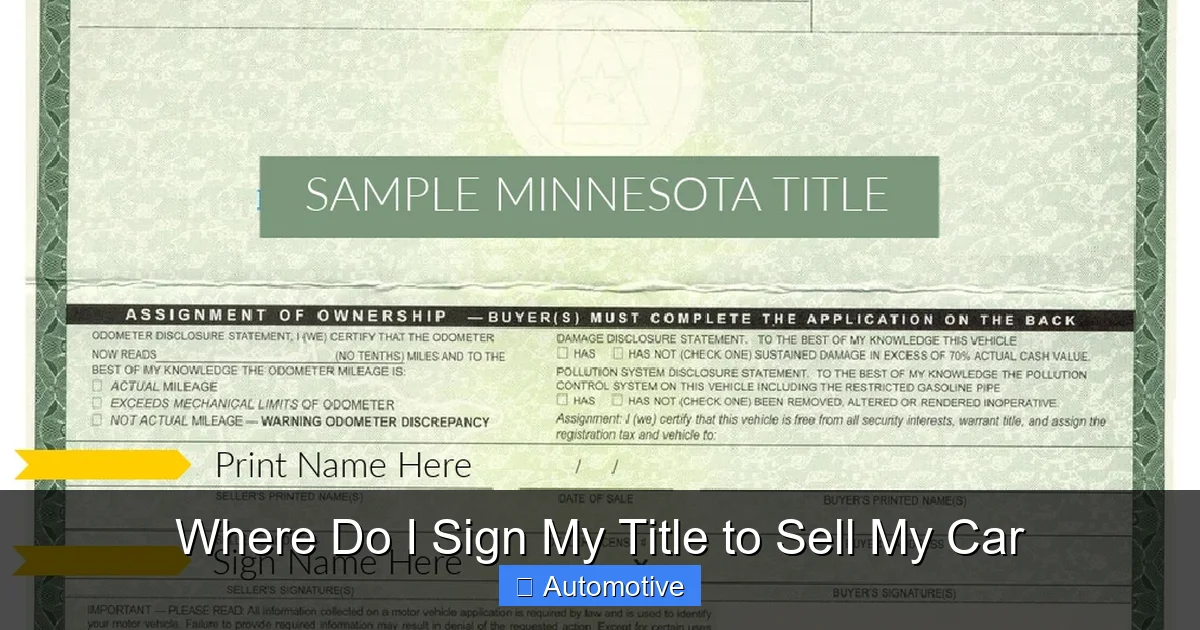
Visual guide about Where Do I Sign My Title to Sell My Car
Image source: lh7-us.googleusercontent.com
Now for the big question: where do you actually sign? The answer is simple—but only if you know what to look for.
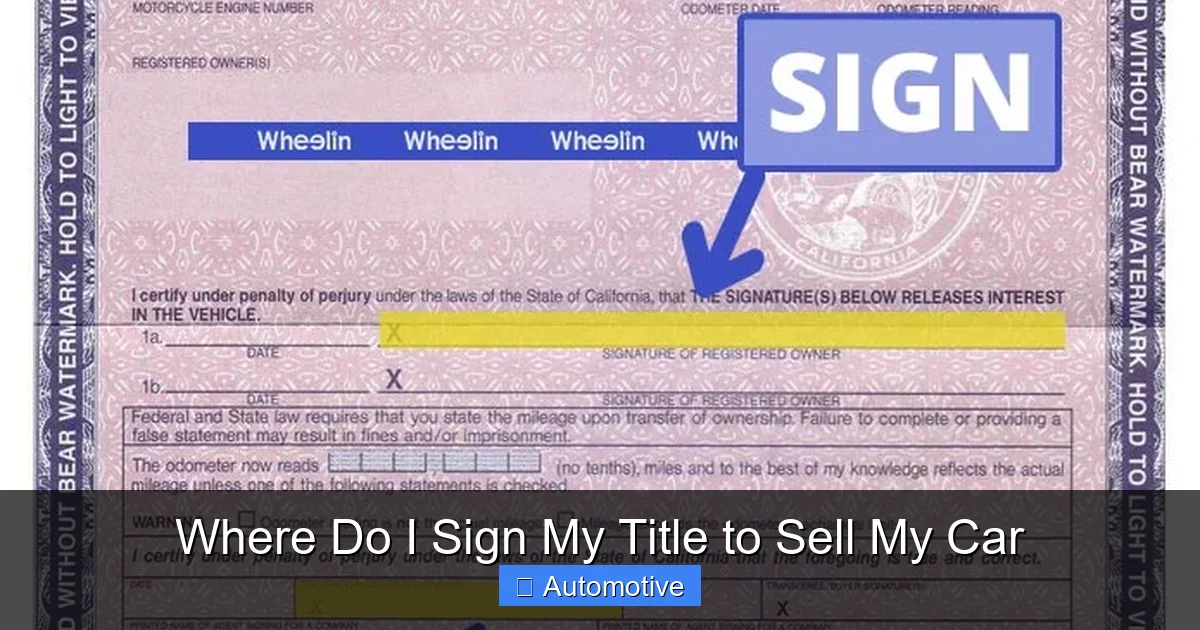
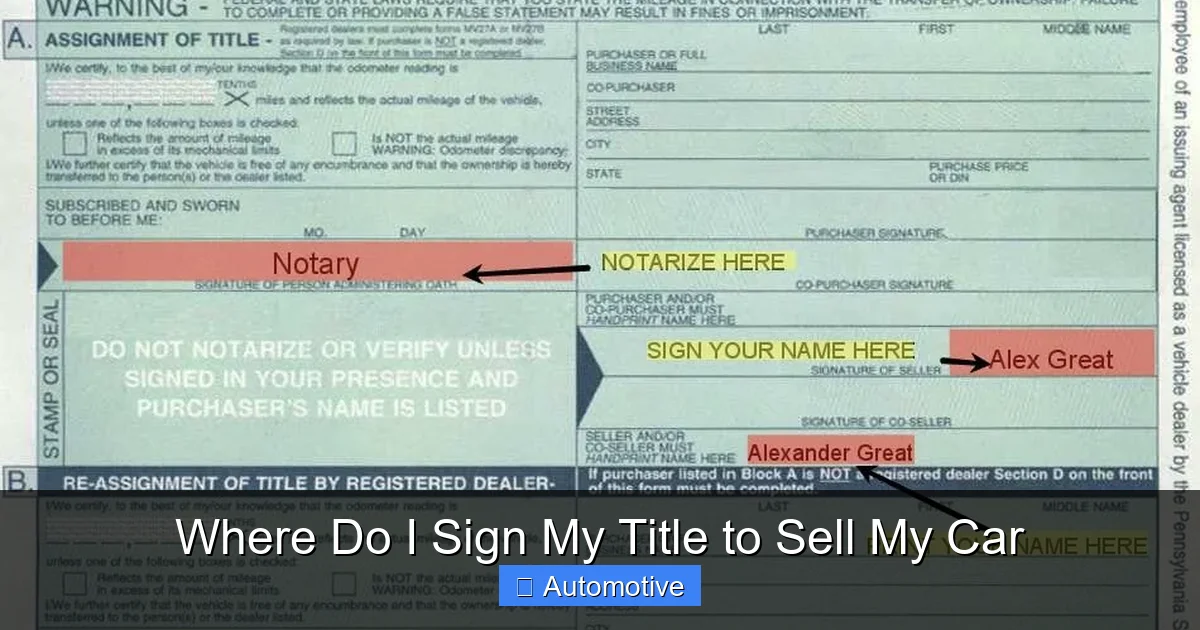
In most states, the back of the title has a section labeled “Seller’s Signature” or something similar. This is where you, the current owner, sign to transfer ownership. It’s usually a blank line or a box with instructions like “Seller’s Signature” or “Signature of Registered Owner.”
Here’s how to find it:
- Flip the title over to the back.
- Look for a section titled “Assignment of Title by Registered Owner” or “Transfer of Ownership.”
- Find the line or box labeled “Seller’s Signature” or “Signature of Seller.”
- Sign your name exactly as it appears on the front of the title.
For example, if your name is listed as “John A. Smith” on the title, you should sign “John A. Smith”—not “Johnny Smith” or “J. Smith.” Even small discrepancies can cause delays.
What If There Are Multiple Owners?
If the car is jointly owned—say, by you and your spouse or partner—both owners usually need to sign the title. Look for multiple signature lines labeled “Seller 1” and “Seller 2” or similar. Both signatures must be present for the transfer to be valid.
Some states allow one owner to sign if the other is unavailable, but this often requires a notarized power of attorney or other legal documentation. Check your state’s rules to be sure.
What About the Buyer’s Section?
The buyer also has a section to sign, usually labeled “Buyer’s Signature” or “Signature of Purchaser.” This is where the new owner signs to accept ownership. You should not sign here—only the buyer should.
If you accidentally sign in the buyer’s section, the DMV may reject the transfer. In that case, you’d need to get a new title or have the buyer sign a correction form, which can delay the process.
Should You Fill Out the Buyer’s Information?
Yes—most states require you to fill in the buyer’s name and address in the designated section. This helps the DMV process the transfer and ensures the buyer can register the car.
However, you should never pre-fill the buyer’s information before meeting them. Wait until you’re ready to complete the sale, and fill it out together to avoid mistakes or fraud.
Step-by-Step: How to Sign Your Title Correctly
Now that you know where to sign, let’s walk through the process step by step. Following these steps will help ensure a smooth, legal transfer of ownership.
Step 1: Gather All Necessary Documents
Before you sign anything, make sure you have:
- The original car title (not a copy)
- A valid government-issued ID (driver’s license or state ID)
- The buyer’s information (name, address, phone number)
- The sale price and date
- The current odometer reading
If you still owe money on the car, you’ll also need a lien release from your lender.
Step 2: Verify the Title Is Valid
Check that the title is:
- Not damaged, torn, or altered
- Free of liens (unless the buyer is assuming the loan, which is rare in private sales)
- Issued by your state (out-of-state titles may require additional steps)
If your title is lost or damaged, you’ll need to apply for a duplicate before selling the car. This usually involves filling out a form and paying a small fee at the DMV.
Step 3: Fill in the Sale Details
On the back of the title, you’ll typically find fields for:
- Sale Date: The date you’re transferring ownership. Use the actual date of the sale.
- Sale Price: The amount the buyer is paying. Even if it’s a gift, you may need to list a nominal value like $1.
- Odometer Reading: The current mileage. Most states require this to prevent fraud.
Be honest and accurate. Lying about the odometer reading is a federal crime and can result in fines or even jail time.
Step 4: Sign in the Seller’s Section
Now it’s time to sign. Use blue or black ink—pencil or erasable ink can be seen as suspicious.
Sign your name exactly as it appears on the front of the title. If your name is “Maria Lopez,” don’t sign “Maria L.” or “M. Lopez.” Consistency is key.
If there are multiple sellers, both must sign. If one owner can’t be present, check if your state allows a notarized signature or power of attorney.
Step 5: Have the Buyer Sign Their Section
Once you’ve signed, have the buyer sign in the “Buyer’s Signature” section. They should also fill in their name and address if those fields are blank.
Make sure they use the same name as on their ID. For example, if their driver’s license says “Robert Johnson,” they should sign “Robert Johnson”—not “Bob Johnson.”
Step 6: Consider Notarization (If Required or Recommended)
Some states require the seller’s signature to be notarized. Others don’t require it but recommend it to prevent fraud.
Check your state’s DMV website or call them to find out. If notarization is needed, both you and the buyer may need to appear before a notary public with valid ID.
Step 7: Make a Copy for Your Records
After signing, make a photocopy or take a clear photo of the completed title. Keep it in a safe place.
This copy can protect you if the buyer delays registration or if there’s a dispute later. It also serves as proof that you transferred ownership.
Common Mistakes to Avoid When Signing Your Title
Even with the best intentions, it’s easy to make mistakes when signing your title. Here are some of the most common errors—and how to avoid them.
Signing in the Wrong Section
This is the #1 mistake people make. Always double-check that you’re signing in the “Seller’s Signature” section, not the buyer’s.
If you sign in the wrong place, the DMV may reject the transfer. You’ll need to get a corrected title, which can take time and cost money.
Using the Wrong Name
Your signature must match the name on the title exactly. If your title says “Elizabeth M. Carter,” don’t sign “Liz Carter” or “E. Carter.”
If your name has changed (due to marriage, divorce, etc.), you may need to update the title first or provide legal documentation.
Forgetting the Odometer Reading
Most states require the odometer reading to be filled out at the time of sale. This helps prevent fraud and ensures the buyer knows the true mileage.
If you forget, the buyer may not be able to register the car. Always check the odometer before signing.
Not Filling in the Sale Date
The sale date is important for tax and registration purposes. Use the actual date you’re transferring the car.
Don’t backdate or future-date the sale—this can raise red flags with the DMV.
Signing Before Meeting the Buyer
Never sign the title before you’ve met the buyer and agreed on the sale. Once you sign, you’ve legally transferred ownership—even if the buyer hasn’t paid yet.
Wait until the payment is complete (in cash, certified check, or bank transfer) before signing.
Not Getting a Bill of Sale
While not always required, a bill of sale is a good idea. It documents the sale price, date, vehicle details, and both parties’ information.
It can protect you if the buyer claims they paid more than they did or if there’s a dispute later.
State-Specific Rules: What You Need to Know
Car title laws vary by state, so it’s important to check your local DMV’s requirements. Here are a few examples:
- California: Requires the seller to sign in the “Seller’s Signature” section and provide the odometer reading. Notarization is not required but recommended.
- Texas: Requires both seller and buyer to sign. The seller must also submit a Vehicle Transfer Notification online within 30 days.
- New York: Requires the seller to sign and provide the sale price. The buyer must register the car within 30 days.
- Florida: Requires the seller to sign and provide the odometer reading. Notarization is required for certain transactions.
- Illinois: Requires the seller to sign and provide the sale price. The buyer must register the car within 30 days.
Always visit your state’s DMV website or call them for the most up-to-date information.
What to Do After Signing the Title
Signing the title is just one step. Here’s what to do next:
1. Notify the DMV (If Required)
Some states require sellers to notify the DMV that the car has been sold. This protects you from liability if the buyer doesn’t register the car.
For example, in Texas, you must submit a Vehicle Transfer Notification online. In California, you can file a Notice of Transfer and Release of Liability.
2. Remove License Plates
In most states, you must remove your license plates before handing over the car. The buyer will need to get new plates or transfer existing ones.
Keep your plates—you can reuse them on your next vehicle.
3. Cancel Your Insurance
Once the car is sold, contact your insurance company to cancel or adjust your policy. You don’t want to keep paying for a car you no longer own.
4. Follow Up with the Buyer
Ask the buyer to confirm when they’ve registered the car. This ensures the title is officially transferred and you’re no longer liable.
Protecting Yourself After the Sale
Even after you’ve signed the title and handed over the keys, you’re not completely off the hook. Here’s how to protect yourself:
- Keep copies of all documents: Title, bill of sale, and DMV notification.
- Monitor your mail: If you receive a ticket or notice for the car, it means the buyer hasn’t registered it.
- Contact the DMV if needed: If the buyer delays registration, you may need to report the sale again.
- Consider a release of liability form: Some states offer this to formally release you from responsibility.
By taking these steps, you can sell your car with confidence and avoid future headaches.
Conclusion
Selling your car doesn’t have to be stressful—especially when it comes to signing the title. Now that you know exactly where to sign your title to sell your car, you can complete the transfer quickly, legally, and safely. Remember to sign in the seller’s section, match your name exactly, fill out all required fields, and keep copies for your records. And don’t forget to check your state’s specific rules—they can make all the difference.
By following this guide, you’ll avoid common pitfalls, protect yourself from liability, and ensure a smooth experience for both you and the buyer. So go ahead—sign that title with confidence and enjoy your next adventure on the road.
Frequently Asked Questions
Where do I sign on the car title when selling?
You should sign in the “Seller’s Signature” section, usually located on the back of the title. Look for a line or box clearly labeled for the seller’s signature.
Can I sign the title before meeting the buyer?
No, you should never sign the title before finalizing the sale and receiving payment. Signing transfers ownership, so wait until the transaction is complete.
What if my name on the title is spelled differently?
Sign your name exactly as it appears on the title. If there’s a discrepancy, you may need to update the title first or provide legal documentation.
Do I need to notarize my signature when selling a car?
It depends on your state. Some require notarization, while others don’t. Check your local DMV’s rules to be sure.
What happens if I sign in the wrong section?
The DMV may reject the transfer, and you’ll need to get a corrected title. Always double-check that you’re signing in the seller’s section.
Can I sell my car if the title is lost?
No, you’ll need to apply for a duplicate title first. Visit your local DMV to request a replacement before selling the vehicle.