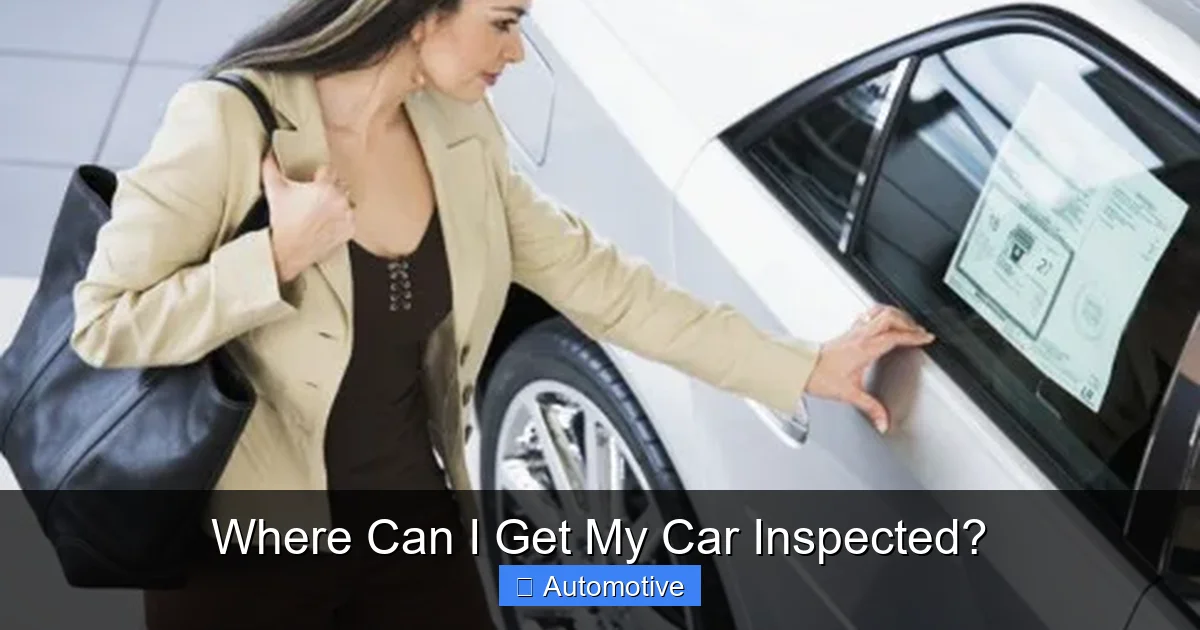
Where Can I Get My Car Inspected?

Contents
- 1 Key Takeaways
- 2 📑 Table of Contents
- 3 Where Can I Get My Car Inspected? A Complete Guide for Drivers
- 4 Understanding Car Inspections: Why They Matter
- 5 Where to Get Your Car Inspected: Your Options
- 6 Preparing Your Car for Inspection: Tips to Pass the First Time
- 7 What Happens During a Car Inspection?
- 8 Cost of Car Inspections: What to Expect
- 9 State-by-State Inspection Requirements: A Quick Reference
- 10 Final Thoughts: Making Car Inspections Easy
- 11 Frequently Asked Questions
Car Emergency Roadside Kit

Car Paint Touch Up Pen

OBD2 Scanner Tool

Car Floor Mats (Universal)
Getting your car inspected doesn’t have to be confusing or time-consuming. Whether you’re renewing registration, moving to a new state, or just staying safe on the road, knowing where to go and what to expect makes all the difference.
Key Takeaways
- State requirements vary widely: Some states require annual safety and emissions inspections, while others have no inspection mandate at all.
- Authorized inspection stations are your go-to: These include DMV-approved garages, dealerships, and certified mechanics who can legally perform inspections.
- Emissions testing is common in urban areas: If you live in a city or high-pollution zone, your car may need to pass an emissions test in addition to a safety check.
- Prepare your vehicle beforehand: Fixing obvious issues like broken lights, worn tires, or check engine lights increases your chances of passing on the first try.
- Bring the right documents: Most stations require your driver’s license, registration, proof of insurance, and payment for the inspection fee.
- Inspection costs are generally affordable: Expect to pay between $15 and $50, depending on your state and the type of inspection required.
- Failing an inspection isn’t the end: You’ll usually get a report detailing what needs repair and a grace period to fix issues and retest.
📑 Table of Contents
- Where Can I Get My Car Inspected? A Complete Guide for Drivers
- Understanding Car Inspections: Why They Matter
- Where to Get Your Car Inspected: Your Options
- Preparing Your Car for Inspection: Tips to Pass the First Time
- What Happens During a Car Inspection?
- Cost of Car Inspections: What to Expect
- State-by-State Inspection Requirements: A Quick Reference
- Final Thoughts: Making Car Inspections Easy
Where Can I Get My Car Inspected? A Complete Guide for Drivers
So, you’ve got a notice in the mail, a reminder on your phone, or maybe just a nagging feeling that your car’s due for a check-up. You’re wondering: Where can I get my car inspected? It’s a common question—and for good reason. Car inspections are a crucial part of vehicle ownership in many states, helping ensure your car is safe to drive and doesn’t pollute the environment more than allowed.
But the process isn’t always straightforward. Rules differ from state to state, and even within regions of the same state. Some places let you go to any certified mechanic, while others require you to visit a specific DMV-run facility. Then there’s the difference between safety inspections and emissions tests—and whether you even need one at all.
The good news? Once you know where to look and what to expect, getting your car inspected is usually quick, affordable, and hassle-free. In this guide, we’ll walk you through everything you need to know: from understanding your state’s requirements to finding the nearest inspection station, preparing your vehicle, and what to do if your car doesn’t pass. Whether you’re a first-time driver or a seasoned road warrior, this guide will help you navigate the inspection process with confidence.
Understanding Car Inspections: Why They Matter
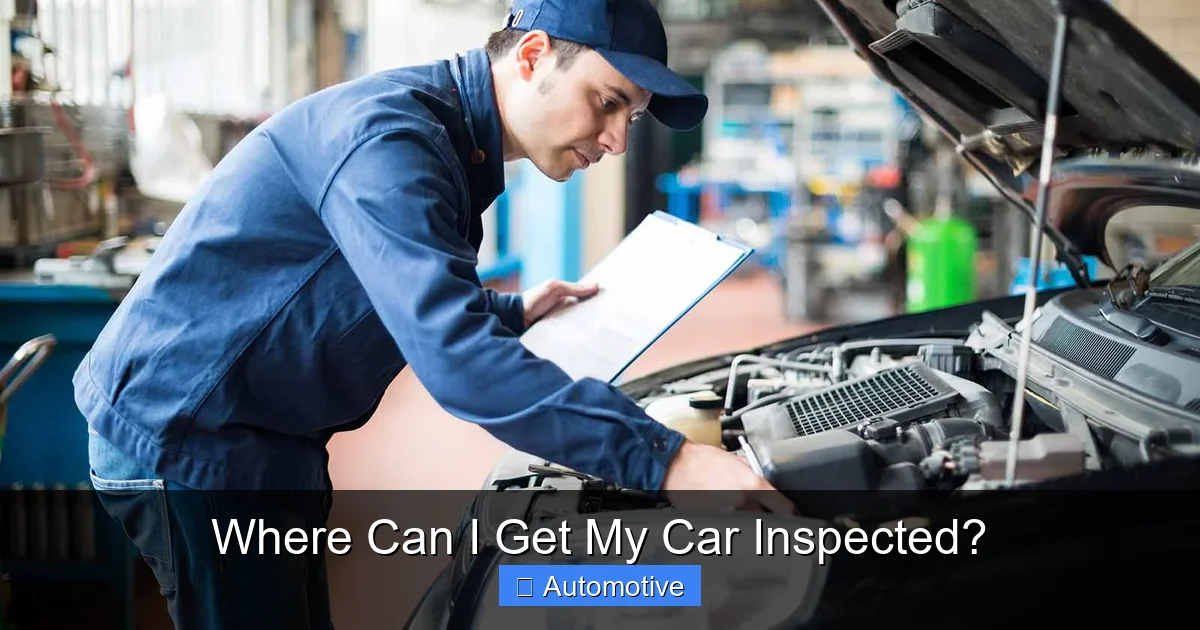
Visual guide about Where Can I Get My Car Inspected?
Image source: mach1services.com
Before we dive into where to get your car inspected, let’s talk about why inspections exist in the first place. At their core, car inspections are about safety and environmental responsibility. They’re designed to catch problems that could put you, your passengers, or other drivers at risk—like faulty brakes, worn-out tires, or broken headlights. They also help reduce air pollution by ensuring vehicles aren’t spewing excessive emissions.
In many states, inspections are legally required to renew your vehicle registration. Think of it like a yearly physical for your car. Just as your doctor checks your blood pressure and cholesterol, a mechanic or technician checks your car’s critical systems to make sure everything is functioning properly.
There are two main types of inspections: safety inspections and emissions inspections. Safety inspections focus on mechanical and visual components—things like brakes, steering, lights, windshield wipers, and seat belts. Emissions inspections, on the other hand, measure the pollutants your car releases into the air, such as carbon monoxide, hydrocarbons, and nitrogen oxides.
Not every state requires both. For example, California has strict emissions standards and requires smog checks every two years for most vehicles, while Texas mandates annual safety inspections for all registered vehicles. Meanwhile, states like Florida, Michigan, and South Dakota don’t require any inspections at all.
So, the first step in figuring out where to get your car inspected is knowing what your state requires. A quick search for “[Your State] car inspection requirements” on your state’s Department of Motor Vehicles (DMV) website will give you the official rules. Once you know what you need, you can find the right place to get it done.
Where to Get Your Car Inspected: Your Options
Now that you understand why inspections matter, let’s get to the heart of the matter: where can I get my car inspected? The answer depends on your location, but in most cases, you have several convenient options.
Authorized Inspection Stations
The most common and reliable places to get your car inspected are authorized inspection stations. These are businesses—like auto repair shops, dealerships, or dedicated inspection centers—that have been certified by your state’s DMV or environmental agency to perform inspections.
These stations are trained and equipped to follow state-specific inspection procedures. They use official checklists and diagnostic tools to evaluate your vehicle. Once your car passes, they’ll issue a sticker or certificate that you can use to renew your registration.
To find an authorized station near you, start by visiting your state’s DMV website. Most states have a searchable database where you can enter your ZIP code and get a list of nearby locations. For example, New York’s DMV website lets you filter inspection stations by type (safety, emissions, or both) and even shows real-time wait times.
Dealerships and Service Centers
Many car dealerships offer inspection services, especially for vehicles they’ve sold or serviced before. This can be a great option if you already have a trusted mechanic at a dealership or if you’re getting other maintenance done at the same time.
Dealerships often have certified technicians who are familiar with your car’s make and model, which can make the inspection process smoother. Plus, if your car fails, they can usually diagnose and fix the issue on the spot—saving you a trip to another shop.
However, dealerships may charge slightly more than independent shops, and their hours might be more limited. It’s worth calling ahead to confirm they perform inspections and to check pricing.
Independent Mechanics and Garages
Independent auto repair shops are another popular choice for car inspections. Many local mechanics are authorized to perform state inspections, and they often offer competitive pricing and flexible scheduling.
One advantage of going to an independent shop is the personal touch. You’re more likely to speak directly with the technician who’s inspecting your car, which means you can ask questions and get honest feedback about your vehicle’s condition.
To find a reputable independent mechanic, ask friends or family for recommendations, or check online reviews on sites like Google, Yelp, or the Better Business Bureau. Look for shops that are certified by organizations like the National Institute for Automotive Service Excellence (ASE).
State-Run Inspection Facilities
In some states, the government operates its own inspection centers. These are typically found in larger cities or high-traffic areas and are designed to handle a high volume of vehicles efficiently.
For example, in states like Virginia and Pennsylvania, the Department of Transportation (DOT) runs official inspection stations. These facilities are staffed by state employees and follow strict protocols to ensure consistency and fairness.
While state-run centers can be very reliable, they may have longer wait times, especially during peak seasons like the end of the year when many people are renewing their registrations. Some also require appointments, so it’s best to check their website or call ahead.
Mobile Inspection Services
Believe it or not, some companies now offer mobile car inspections. These services send a certified technician to your home or workplace to inspect your vehicle on the spot. It’s a convenient option if you have a busy schedule or limited mobility.
Mobile inspections are still relatively new and not available everywhere, but they’re growing in popularity, especially in urban areas. Companies like “Inspect My Ride” or “Mobile Auto Inspections” operate in select cities and can perform both safety and emissions checks.
Keep in mind that mobile services may charge a convenience fee, and they might not be able to handle major repairs if your car fails. But for a quick, hassle-free inspection, they’re worth considering.
Preparing Your Car for Inspection: Tips to Pass the First Time
Now that you know where to go, let’s talk about how to make sure your car passes inspection on the first try. Nothing’s more frustrating than showing up at the inspection station only to be turned away because of a burnt-out headlight or a check engine light.
The good news? Most inspection failures are due to simple, fixable issues. A little preparation can save you time, money, and stress.
Check Your Lights and Signals
One of the most common reasons cars fail inspections is faulty lighting. Make sure all your exterior lights are working: headlights (high and low beam), brake lights, turn signals, reverse lights, and license plate lights.
Test them yourself by turning them on and walking around the car, or ask a friend to help. Replace any burnt-out bulbs before your inspection. It’s a quick and inexpensive fix that can make a big difference.
Inspect Tires and Brakes
Your tires need to have adequate tread depth—usually at least 2/32 of an inch, though some states require more. You can check this with a tread depth gauge or the “penny test”: insert a penny into the tread with Lincoln’s head upside down. If you can see the top of his head, your tread is too worn.
Also, look for signs of uneven wear, cracks, or bulges, which could indicate alignment or suspension issues. Worn tires not only fail inspection but are also dangerous in wet or icy conditions.
Brakes are another critical component. If your brake pedal feels spongy, you hear grinding noises, or your car pulls to one side when braking, have them checked by a mechanic. Most inspections include a brake performance test, so it’s better to address issues beforehand.
Test Windshield Wipers and Washer Fluid
Clear visibility is essential for safe driving, so your windshield wipers and washer fluid system must be in good working order. Make sure your wipers clear the glass effectively and don’t leave streaks. Replace worn blades if needed.
Also, top off your washer fluid reservoir. Some inspection stations will check this, and running out of fluid during the test could result in a failure.
Address the Check Engine Light
If your check engine light is on, there’s a good chance your car will fail an emissions inspection. Modern vehicles have onboard diagnostics (OBD) systems that monitor engine performance and emissions. When something’s off, the light comes on.
Don’t ignore it. Use an OBD scanner (available at auto parts stores or online) to read the error code, or take your car to a mechanic for diagnosis. Common causes include a loose gas cap, faulty oxygen sensor, or catalytic converter issues.
Fixing the problem before inspection not only increases your chances of passing but also improves your car’s performance and fuel efficiency.
Clean Your Car and Gather Documents
While a clean car won’t help you pass inspection, it shows you care about your vehicle—and it makes the process smoother. Remove clutter from the interior, especially from the dashboard and windshield, so the inspector can see clearly.
More importantly, gather your documents. Most inspection stations will ask for:
– Your driver’s license
– Vehicle registration
– Proof of insurance
– Payment for the inspection fee (cash, card, or check—check ahead)
Having everything ready saves time and avoids delays.
What Happens During a Car Inspection?
Walking into an inspection station can feel a bit like going to the doctor—you’re not sure what to expect, and you hope everything checks out. But knowing what happens during the process can ease your nerves and help you feel more in control.
The Inspection Process Step by Step
While the exact steps vary by state and station, most inspections follow a similar routine:
1. **Check-In and Documentation:** You’ll present your ID, registration, and insurance. The technician will verify your information and explain the process.
2. **Visual Inspection:** The inspector will walk around your car, checking exterior lights, mirrors, windshield, tires, and body condition. They’ll look for obvious damage, leaks, or modifications that could affect safety.
3. **Under-the-Hood Check:** The technician will open the hood and inspect key components like the battery, belts, hoses, fluid levels, and emissions system. They’ll also check for signs of leaks or corrosion.
4. **Interior Inspection:** Inside the car, they’ll test the horn, seat belts, windshield wipers, defrosters, and dashboard warning lights. They’ll also check that the vehicle identification number (VIN) matches your registration.
5. **Brake and Steering Test:** In some states, the inspector will test your brakes and steering by driving the car on a dynamometer or during a short road test.
6. **Emissions Test (if required):** For emissions inspections, your car will be hooked up to a diagnostic machine that reads data from the OBD system. In older vehicles, a tailpipe test may be used to measure exhaust emissions.
7. **Results and Certification:** If your car passes, you’ll receive an inspection sticker or certificate. If it fails, you’ll get a detailed report listing the issues that need repair.
The entire process usually takes 15 to 30 minutes, depending on the type of inspection and how busy the station is.
What If Your Car Fails?
Don’t panic if your car doesn’t pass. Failing an inspection is more common than you think, and it’s not the end of the world. In most cases, you’ll be given a report that explains exactly what’s wrong and what needs to be fixed.
You’ll usually have a grace period—often 30 days—to make the repairs and return for a free retest. Some states allow you to get the repairs done at any certified shop, while others require you to return to the same inspection station.
Use the failure report as a checklist. Address each issue, whether it’s replacing a headlight bulb or fixing a brake line. Once the repairs are complete, schedule your retest.
And remember: fixing these problems isn’t just about passing inspection—it’s about keeping you safe on the road.
Cost of Car Inspections: What to Expect
One of the most common questions drivers ask is: How much does a car inspection cost? The good news is that inspections are generally affordable, especially when you consider the peace of mind they provide.
Average Inspection Fees
Most states charge between $15 and $50 for a standard safety or emissions inspection. The exact cost depends on your location, the type of inspection, and whether you go to a state-run facility or a private shop.
For example:
– In Texas, the fee is $35.50 for a safety inspection.
– In California, a smog check typically costs $40 to $80, depending on the station and vehicle type.
– In New York, inspections are $21 for most vehicles.
Some states have flat fees set by the government, while others allow inspection stations to set their own prices. Independent shops may charge less than dealerships or state-run centers, so it’s worth comparing options.
Additional Costs to Consider
While the inspection itself is usually inexpensive, there are a few other costs to keep in mind:
– **Repairs:** If your car fails, you’ll need to pay for any necessary repairs. Simple fixes like replacing a light bulb might cost $10, while more complex issues like brake work or emissions repairs could run into the hundreds.
– **Retest Fees:** Most states offer one free retest within a certain period (usually 30 days). If you miss the deadline or need multiple retests, you may have to pay again.
– **Convenience Fees:** Mobile inspection services or premium scheduling (like same-day appointments) may charge extra.
To avoid surprises, ask about pricing when you call to schedule your inspection. Reputable stations will be transparent about their fees.
State-by-State Inspection Requirements: A Quick Reference
Since inspection rules vary so much, it’s helpful to know what’s required in your area. Here’s a quick overview of inspection requirements in some of the most populous states:
California
Requires smog checks every two years for most vehicles. New cars are exempt for the first six years. Inspections are performed at licensed smog check stations.
Texas
Mandates annual safety inspections for all registered vehicles. Emissions testing is required in certain counties, including Houston, Dallas, and Austin.
New York
Requires annual safety and emissions inspections. Inspections must be done at DMV-authorized stations, and new vehicles are exempt for the first two years.
Florida
No statewide inspection requirement. However, some counties may have local rules, so check with your local DMV.
Pennsylvania
Annual safety and emissions inspections are required. Inspections are performed at certified stations, and new vehicles are exempt for the first two years.
Virginia
Annual safety inspections are mandatory. Emissions testing is required in certain Northern Virginia counties.
For the most accurate and up-to-date information, always check your state’s official DMV website.
Final Thoughts: Making Car Inspections Easy
Getting your car inspected doesn’t have to be a chore. With a little preparation and the right information, you can breeze through the process and keep your vehicle safe, legal, and road-ready.
Start by knowing your state’s requirements. Then, find a trusted inspection station—whether it’s a local mechanic, a dealership, or a state-run facility. Prepare your car by checking lights, tires, brakes, and the check engine light. Bring your documents, and arrive with time to spare.
And if your car doesn’t pass? Don’t stress. Use the failure report as a guide, make the necessary repairs, and return for a retest. Remember, inspections are there to help you, not hassle you.
By staying on top of your car’s inspection schedule, you’re not just following the law—you’re protecting yourself, your passengers, and everyone else on the road. So the next time someone asks, “Where can I get my car inspected?” you’ll know exactly what to say.
Frequently Asked Questions
Do all states require car inspections?
No, not all states require car inspections. As of 2024, about 30 states have some form of mandatory inspection, while others like Florida, Michigan, and South Dakota do not require them at all. Always check your state’s DMV website for the most current rules.
Can I get my car inspected at any mechanic?
Only mechanics or shops that are certified by your state’s DMV or environmental agency can legally perform official inspections. Look for “authorized inspection station” signage or check your state’s online database to confirm a shop is approved.
What happens if I don’t get my car inspected?
If your state requires inspections and you skip it, you may face fines, registration suspension, or even your vehicle being towed. In most cases, you’ll need to pass inspection before you can renew your registration.
How long does a car inspection take?
Most inspections take between 15 and 30 minutes, depending on the type of inspection and how busy the station is. Emissions tests may take a bit longer if the vehicle requires additional diagnostics.
Can I inspect my own car at home?
No, you cannot perform an official state inspection at home. Only certified technicians at authorized stations can conduct and certify inspections. However, you can do a pre-inspection check to identify and fix potential issues beforehand.
What if my car fails the inspection?
If your car fails, you’ll receive a detailed report listing the problems. You’ll usually have 30 days to fix the issues and return for a free retest. Make the repairs at a trusted mechanic, then bring your car back to the same or another authorized station.