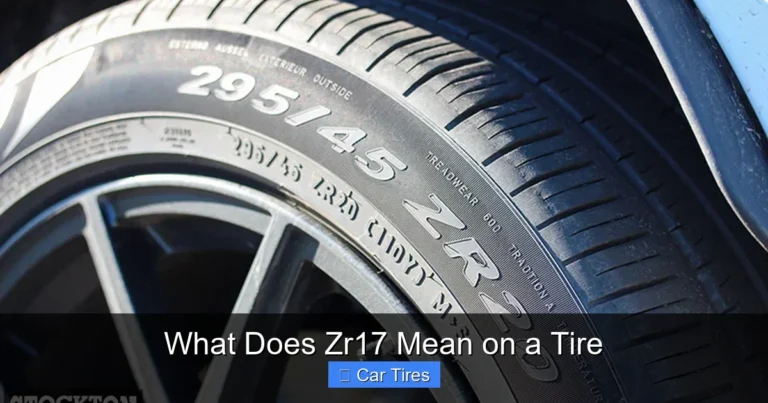
Wheel Width to Tire Width

Contents
- 1 Key Takeaways
- 2 📑 Table of Contents
- 3 Understanding Wheel Width to Tire Width: Why It Matters
- 4 How Wheel Width and Tire Width Work Together
- 5 Consequences of Mismatched Wheel and Tire Width
- 6 How to Choose the Right Wheel Width for Your Tires
- 7 Common Mistakes to Avoid
- 8 Upgrading Wheels and Tires: Tips for Enthusiasts
- 9 Conclusion
- 10 Frequently Asked Questions


Matching wheel width to tire width is crucial for safety, performance, and tire longevity. Using the wrong combination can lead to poor handling, uneven wear, and even tire failure. This guide breaks down everything you need to know to get the perfect fit.
Key Takeaways
- Correct wheel width ensures proper tire seating: A tire mounted on a wheel that’s too narrow or too wide may not seat correctly, leading to air leaks or blowouts.
- Optimal contact patch improves traction: The right wheel width helps maintain the ideal tire footprint, enhancing grip in wet, dry, and snowy conditions.
- Improper fit causes uneven tread wear: Mismatched widths can lead to cupping, scalloping, or center/shoulder wear, shortening tire life.
- Handling and stability depend on fit: A properly matched setup improves steering response, cornering, and overall vehicle control.
- Manufacturer recommendations matter: Always check your vehicle’s owner’s manual or tire placard for suggested wheel and tire width ranges.
- Aftermarket wheels require careful planning: Swapping to custom rims? Use a tire width compatibility chart to avoid performance issues.
- Extreme mismatches can be dangerous: Overly wide tires on narrow wheels can balloon outward; narrow tires on wide wheels may collapse under load.
📑 Table of Contents
Understanding Wheel Width to Tire Width: Why It Matters
When it comes to your car’s performance, most people focus on horsepower, suspension, or even paint color. But one of the most overlooked—and critical—factors is the relationship between wheel width and tire width. It’s not just about looks. Getting this right affects how your car handles, how long your tires last, and even your safety on the road.
Think of your tire and wheel as a team. They need to work together seamlessly. If the wheel is too narrow for the tire, the sidewalls may bulge outward, creating a weak spot. If the wheel is too wide, the tire might stretch too much, reducing its contact with the road. Either way, you’re compromising performance and increasing the risk of failure.
This isn’t just theory. Mechanics and tire experts see the consequences of mismatched setups every day—from premature wear to blowouts on the highway. Whether you’re driving a daily commuter, a sports car, or an off-road truck, understanding wheel width to tire width compatibility is essential.
What Is Wheel Width?
Wheel width refers to the distance between the inner and outer edges of the wheel’s rim, measured in inches. It’s not the same as the overall diameter of the wheel (which includes the height), but rather the width where the tire actually mounts. For example, a 7-inch wide wheel has 7 inches of usable mounting surface.
This measurement is crucial because it determines how the tire sits on the rim. The wheel must support the tire’s bead—the reinforced edge that locks into the rim—without stretching or compressing it too much. Most wheels are designed with a specific range of tire widths in mind, and going outside that range can cause problems.
You’ll usually find wheel width stamped on the back of the rim or listed in your vehicle’s manual. Aftermarket wheels will also include this spec in their product details. Always double-check before buying new wheels or tires.
What Is Tire Width?
Tire width is the measurement of the tire’s cross-section from sidewall to sidewall, typically expressed in millimeters. For instance, a tire labeled 225/45R17 has a width of 225 millimeters. This number is the first in the standard tire size notation and directly influences how the tire interacts with the wheel.
Unlike wheel width, which is fixed, tire width can vary slightly depending on the brand and model—even within the same size. That’s why it’s important to consider not just the nominal width, but also the tire’s actual dimensions when mounted.
Tire width affects several key performance traits. Wider tires generally offer more grip and better cornering stability, which is why sports cars often use wide, low-profile tires. However, they can also increase rolling resistance and road noise. Narrower tires, on the other hand, may improve fuel efficiency and perform better in snow, but offer less traction.
How Wheel Width and Tire Width Work Together

Visual guide about Wheel Width to Tire Width
Image source: cdn.discounttire.com
The magic happens when wheel width and tire width are properly matched. This relationship determines how the tire sits on the wheel, how it contacts the road, and how it wears over time. When the two are in harmony, you get optimal performance, safety, and longevity.
Imagine inflating a balloon. If you blow it up just right, it’s firm and round. But if you underinflate it, it sags. Overinflate it, and it becomes rigid and prone to popping. The same principle applies to tires. The wheel width sets the “ideal inflation” for the tire’s shape.
When a tire is mounted on a wheel that’s too narrow, the sidewalls flare outward. This creates a rounded profile that reduces the contact patch—the area of the tire actually touching the road. You lose grip, especially during cornering, and the tire may overheat due to flexing.
Conversely, if the wheel is too wide, the tire gets stretched. The sidewalls become taut, and the tread flattens too much. This can lead to center wear, where the middle of the tread wears down faster than the edges. It also reduces the tire’s ability to absorb bumps, making the ride harsher.
The Ideal Ratio: General Guidelines
While there’s no one-size-fits-all formula, tire manufacturers provide recommended wheel width ranges for each tire size. These guidelines are based on extensive testing and are designed to ensure safety and performance.
As a rule of thumb, the wheel width should be about 70% to 90% of the tire’s width in millimeters. For example, a 225mm wide tire typically fits best on a wheel that’s 7 to 8.5 inches wide. Here’s a quick reference:
– 195mm tire → 5.5 to 7 inches
– 205mm tire → 6 to 7.5 inches
– 225mm tire → 7 to 8.5 inches
– 245mm tire → 7.5 to 9 inches
– 275mm tire → 8.5 to 10 inches
These ranges aren’t strict rules, but they’re a solid starting point. Going slightly outside them—say, a 225 on a 6.5-inch wheel—might be acceptable for some vehicles, especially if you’re prioritizing comfort over performance. But pushing the limits can lead to problems.
Why the Contact Patch Matters
The contact patch is the small rectangle of rubber that touches the road at any given moment. Its size and shape are directly influenced by the wheel width to tire width ratio. A properly matched setup ensures the contact patch is flat and even, maximizing traction.
When the wheel is too narrow, the contact patch becomes curved or “dished,” reducing the effective grip. This is especially dangerous in wet or icy conditions, where every bit of traction counts. You might notice your car feeling “floaty” or less responsive during turns.
On the other hand, a wheel that’s too wide flattens the contact patch too much. While this might seem like it increases grip, it actually reduces the tire’s ability to conform to road imperfections. The result? Harsher ride quality and uneven wear.
For performance driving, a slightly wider wheel can help “square off” the contact patch, improving cornering stability. But this should be done within the manufacturer’s recommended range to avoid compromising safety.
Consequences of Mismatched Wheel and Tire Width

Visual guide about Wheel Width to Tire Width
Image source: bikerumor.com
Getting the wheel width to tire width wrong isn’t just a minor inconvenience—it can have serious consequences. From reduced performance to safety hazards, the risks are real and worth understanding.
Uneven Tread Wear
One of the most common signs of a mismatch is uneven tread wear. If your tires are wearing down faster in the center or on the edges, it could be due to an incorrect wheel width.
– **Center wear** often occurs when a tire is mounted on a wheel that’s too wide. The tire stretches, flattening the tread and causing the middle to wear out first.
– **Shoulder wear** (on the outer edges) usually happens when the wheel is too narrow. The tire bulges, putting extra pressure on the shoulders.
– **Cupping or scalloping**—a wavy pattern across the tread—can result from excessive sidewall flex, which happens when the tire isn’t properly supported by the wheel.
These wear patterns not only shorten tire life but also create noise and vibration. In severe cases, they can lead to tire failure.
Poor Handling and Stability
Your car’s handling depends heavily on how the tires interact with the road. A mismatched wheel and tire setup can make your vehicle feel unpredictable.
For example, a narrow wheel with a wide tire can cause the sidewalls to flex excessively during cornering. This delays steering response and makes the car feel “mushy.” You might notice understeer—where the front tires lose grip and the car pushes wide in a turn.
Conversely, a wide wheel with a narrow tire can make the steering feel overly sensitive or twitchy. The tire may not have enough sidewall support, leading to instability at high speeds or during sudden maneuvers.
These issues are especially dangerous in emergency situations, like swerving to avoid an obstacle. A properly matched setup gives you the confidence and control you need.
Increased Risk of Tire Failure
In extreme cases, a severe mismatch can lead to tire blowouts. When a tire is mounted on a wheel that’s too narrow, the bead may not seat properly. This can cause air to leak or, worse, the tire to detach from the rim while driving.
Overstretched tires on wide wheels are also at risk. The constant stress can weaken the internal structure, leading to tread separation or blowouts—especially under heavy loads or high speeds.
These failures don’t just leave you stranded; they can cause accidents. According to the National Highway Traffic Safety Administration (NHTSA), tire-related issues contribute to thousands of crashes each year. Many of these could be prevented with proper wheel and tire matching.
Reduced Fuel Efficiency
Believe it or not, wheel width to tire width can even affect your gas mileage. A mismatched setup often increases rolling resistance—the force required to keep the tires moving.
For example, a tire that’s too wide for its wheel may flex more, creating internal heat and energy loss. Similarly, a stretched tire on a wide wheel may have a flatter contact patch, increasing friction.
While the difference might seem small, it can add up over time. Properly matched tires roll more efficiently, helping you save fuel and reduce emissions.
How to Choose the Right Wheel Width for Your Tires

Visual guide about Wheel Width to Tire Width
Image source: bikerumor.com
Now that you understand the importance of matching wheel width to tire width, let’s talk about how to get it right. Whether you’re replacing tires or upgrading wheels, these steps will help you make the best choice.
Check Manufacturer Recommendations
Start with your vehicle’s owner’s manual or the tire placard—usually located on the driver’s side door jamb. This label lists the original tire size and recommended wheel width range.
For example, a Honda Civic might come with 215/50R17 tires on 7-inch wheels. The manual may specify that 6.5 to 7.5 inches is acceptable. Staying within this range ensures compatibility with your suspension, brakes, and fenders.
If you’re unsure, contact the tire manufacturer or a trusted mechanic. They can confirm the ideal wheel width for your specific tire model.
Use a Tire Width Compatibility Chart
Many tire brands publish compatibility charts that show which wheel widths work with each tire size. These charts are based on industry standards like those from the Tire and Rim Association (TRA) and the European Tyre and Rim Technical Organisation (ETRTO).
For example, Michelin’s chart might show that a 245/40R18 tire fits best on 8 to 9.5-inch wheels. These charts are especially useful when considering aftermarket wheels or performance upgrades.
You can usually find these charts on the manufacturer’s website or by asking at a tire shop. Don’t rely on guesswork—use the data.
Consider Your Driving Style and Conditions
Your needs matter too. If you drive aggressively or on winding roads, a slightly wider wheel might improve cornering. But if you prioritize comfort or drive in snow, a narrower setup could be better.
For example, winter tires are often mounted on narrower wheels to increase pressure per square inch, helping them cut through snow. Conversely, track-focused cars use wider wheels to maximize grip.
Think about where and how you drive. Then choose a wheel width that supports those conditions—without going outside safe limits.
Test Fit Before Committing
If you’re installing aftermarket wheels, always test fit them before driving. Check for clearance with suspension components, brakes, and fenders. Even a small interference can cause damage or safety issues.
Also, have a professional mount and balance the tires. They can spot potential problems—like bead seating issues—before they become dangerous.
Common Mistakes to Avoid
Even experienced drivers make mistakes when it comes to wheel and tire matching. Here are some common pitfalls to watch out for.
Ignoring the Load Index and Speed Rating
While wheel width is important, don’t forget about other tire specs. The load index tells you how much weight the tire can support, and the speed rating indicates its maximum safe speed.
A tire that’s the right width but wrong load or speed rating can fail under stress. Always match these ratings to your vehicle’s requirements.
Assuming All Tires Fit All Wheels
Just because a tire fits on a wheel doesn’t mean it’s safe or optimal. A 225mm tire might physically mount on a 6-inch wheel, but it could wear unevenly or handle poorly.
Stick to the recommended ranges. Your safety isn’t worth the risk of a “close enough” fit.
Overlooking Wheel Offset and Backspacing
Wheel width isn’t the only factor. Offset (how far the mounting surface is from the center) and backspacing (distance from the mounting surface to the back edge) also affect fitment.
A wide wheel with incorrect offset can rub against suspension parts or stick out too far, affecting handling and aesthetics. Always consider the full wheel specs.
Neglecting Regular Inspections
Even with a perfect match, tires wear over time. Check them regularly for signs of uneven wear, cracks, or bulges. Rotate them every 5,000 to 7,000 miles to promote even wear.
If you notice issues, have a professional inspect the setup. It could reveal a hidden mismatch or alignment problem.
Upgrading Wheels and Tires: Tips for Enthusiasts
If you’re upgrading for performance or style, take extra care with wheel width to tire width. Here’s how to do it right.
Start with a Purpose
Ask yourself: What do you want to achieve? Better grip? A sportier look? Improved fuel economy? Your goal will guide your choices.
For example, if you want better cornering, consider a slightly wider wheel and tire combo—within safe limits. If you’re going off-road, look for tires and wheels designed for rugged use.
Use a Fitment Guide
Many online forums and retailers offer fitment guides for specific vehicles. These show which wheel and tire combinations work without modifications.
Sites like Tire Rack or Fitment Industries let you enter your car’s year, make, and model to see compatible setups. They even show photos of real installations.
Consult a Professional
When in doubt, talk to a tire specialist or performance shop. They can recommend setups based on your driving habits and vehicle specs.
They’ll also ensure proper mounting, balancing, and alignment—key steps for safety and performance.
Don’t Sacrifice Safety for Style
It’s tempting to go for the widest tires and largest wheels for a aggressive look. But remember: safety comes first.
A tire that’s too wide for your wheel can fail catastrophically. Choose style that doesn’t compromise function.
Conclusion
Getting the wheel width to tire width right isn’t just a technical detail—it’s a fundamental part of your car’s performance and safety. From handling and wear to fuel efficiency and risk of failure, the impact is real and far-reaching.
By understanding how these two measurements interact, you can make smarter choices when buying tires or upgrading wheels. Always follow manufacturer guidelines, use compatibility charts, and consider your driving needs.
Whether you’re a daily driver or a performance enthusiast, the right match will give you better control, longer tire life, and peace of mind on the road. Don’t overlook this critical connection. Your tires and wheels are your car’s only contact with the pavement—make sure they’re working together as a team.
Frequently Asked Questions
Can I put a wider tire on a narrower wheel?
It’s not recommended. A tire that’s too wide for its wheel can bulge outward, reducing the contact patch and increasing the risk of bead failure. Always stay within the manufacturer’s recommended wheel width range.
What happens if I use a tire that’s too narrow for my wheel?
A narrow tire on a wide wheel may stretch too much, leading to center wear, reduced grip, and a harsher ride. It can also make the tire more prone to damage from potholes or curbs.
How do I find the right wheel width for my tires?
Check your vehicle’s owner’s manual or tire placard for the recommended range. You can also consult tire manufacturer compatibility charts or ask a professional installer.
Can I mix different tire widths on the same axle?
No, you should never mix different tire widths on the same axle. This can cause handling issues, uneven wear, and potential damage to your differential or transfer case.
Do aftermarket wheels affect tire width compatibility?
Yes, aftermarket wheels may have different widths, offsets, or designs that affect fitment. Always verify compatibility before installing new wheels and tires.
Is it safe to go slightly outside the recommended wheel width range?
Small deviations (e.g., 0.5 inches) may be acceptable in some cases, but it’s best to stay within the recommended range. Going too far outside can compromise safety and performance.