What Type of Car Is a Maserati?

Contents
- 1 Key Takeaways
- 2 📑 Table of Contents
- 3 What Type of Car Is a Maserati? An Introduction to Italian Luxury and Performance
- 4 The Legacy of Maserati: A Century of Italian Excellence
- 5 Maserati’s Vehicle Lineup: Sports Cars, Sedans, and SUVs
- 6 What Makes a Maserati Different? Performance, Design, and Sound
- 7 Technology and Comfort: Luxury Without Compromise
- 8 Owning a Maserati: Cost, Maintenance, and Resale Value
- 9 Is a Maserati Right for You?
- 10 Conclusion: The Soul of Italian Performance
- 11 Frequently Asked Questions


Maserati is a premium Italian automaker known for blending high-performance engineering with luxurious design. From sleek sports cars to refined SUVs, Maserati vehicles deliver an exhilarating driving experience wrapped in elegance and heritage.
[FEATURED_IMAGE_PLACEOLDER]
Key Takeaways
- Maserati builds luxury performance vehicles: Every model emphasizes speed, handling, and premium materials, making them stand out in the high-end automotive market.
- Italian heritage and craftsmanship: Founded in 1914, Maserati combines decades of racing pedigree with handcrafted interiors and bold styling.
- Diverse lineup includes sports cars, sedans, and SUVs: From the MC20 supercar to the Grecale SUV, Maserati offers something for performance and luxury lovers alike.
- Signature sound and driving dynamics: Maserati engines produce a distinctive exhaust note, and the driving experience is tuned for excitement and precision.
- Advanced technology with a driver-focused approach: Infotainment, driver aids, and performance systems are integrated to enhance, not distract from, the driving experience.
- Not just fast—emotionally engaging: Maserati cars are designed to evoke passion, blending power with beauty in a way few brands can match.
📑 Table of Contents
- What Type of Car Is a Maserati? An Introduction to Italian Luxury and Performance
- The Legacy of Maserati: A Century of Italian Excellence
- Maserati’s Vehicle Lineup: Sports Cars, Sedans, and SUVs
- What Makes a Maserati Different? Performance, Design, and Sound
- Technology and Comfort: Luxury Without Compromise
- Owning a Maserati: Cost, Maintenance, and Resale Value
- Is a Maserati Right for You?
- Conclusion: The Soul of Italian Performance
What Type of Car Is a Maserati? An Introduction to Italian Luxury and Performance
When you hear the name Maserati, what comes to mind? For many, it’s the image of a low-slung, roaring sports car slicing through mountain roads, its trident logo gleaming under the sun. For others, it’s the idea of Italian elegance—leather, wood trim, and a sense of occasion every time you turn the key. But what type of car is a Maserati, really?
At its core, a Maserati is a luxury performance vehicle. It’s not just about speed or status—it’s about the fusion of both. These cars are engineered to deliver thrilling dynamics while wrapping the driver and passengers in an environment of refined comfort. Whether you’re behind the wheel of a two-door coupe or a three-row SUV, a Maserati is designed to make every drive feel special.
Unlike mainstream automakers that focus on practicality or mass-market appeal, Maserati leans into emotion. Every curve, every engine note, every stitch in the interior is meant to stir something inside you. It’s a brand that doesn’t just move you from point A to point B—it makes the journey unforgettable.
The Legacy of Maserati: A Century of Italian Excellence
Visual guide about What Type of Car Is a Maserati?
Image source: i.pinimg.com
To truly understand what type of car a Maserati is, you have to look at where it comes from. Founded in 1914 in Bologna, Italy, by the Maserati brothers—Alfieri, Bindo, Carlo, Ettore, and Ernesto—the company began as a workshop for precision engineering and racing innovation. From the very start, performance was in its DNA.
From Racing Roots to Road Legends
Maserati quickly made a name for itself on the racetrack. In the 1920s and 1930s, the brand dominated Grand Prix racing with models like the Tipo 26 and the iconic 8C. These early cars weren’t just fast—they were technological marvels of their time, featuring advanced engines and lightweight construction. The trident logo, inspired by the statue of Neptune in Bologna, symbolized strength and speed.
After World War II, Maserati transitioned from pure race cars to road-going vehicles that still carried the spirit of competition. The 1957 Maserati 3500 GT marked this shift—a grand tourer that combined performance with luxury, setting the template for future models.
The Golden Era and Modern Revival
The 1960s and 1970s saw Maserati produce some of its most legendary cars, like the Ghibli and the Bora. These were bold, muscular machines that turned heads not just for their speed but for their dramatic styling. However, the brand faced financial challenges in the following decades, leading to changes in ownership—including a period under Citroën and later, De Tomaso.
The real revival came in the 1990s when Fiat (now Stellantis) acquired Maserati. With renewed investment and a clear vision, the brand launched the 3200 GT in 1998, followed by the Quattroporte in 2003. These models reestablished Maserati as a serious player in the luxury performance segment.
Today, Maserati continues to honor its racing heritage while embracing modern technology and electrification. The brand’s commitment to Italian craftsmanship and emotional driving experiences remains unchanged.
Maserati’s Vehicle Lineup: Sports Cars, Sedans, and SUVs
Visual guide about What Type of Car Is a Maserati?
Image source: hdcarwallpapers.com
One of the most common questions people ask is: “What type of car is a Maserati?” The answer isn’t simple—because Maserati doesn’t just make one kind of car. Its lineup spans multiple categories, each designed to deliver performance and luxury in a unique way.
Sports Cars: The Heart of Maserati
At the core of the Maserati brand are its sports cars. These are the models that embody the brand’s racing spirit and deliver pure driving excitement.
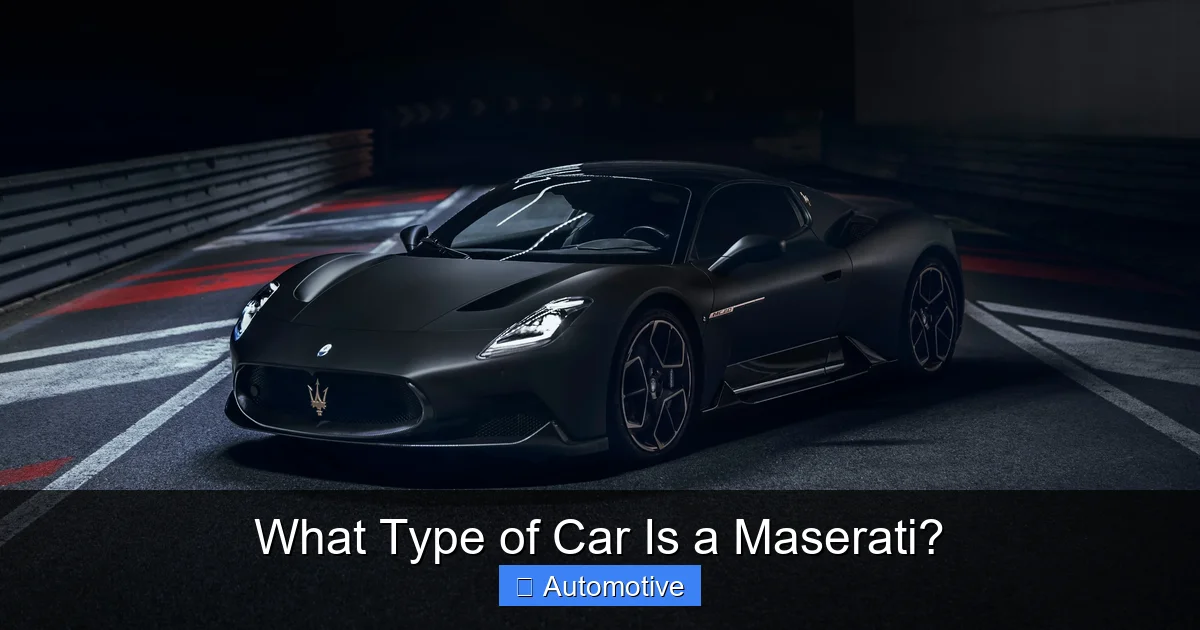
The MC20 is Maserati’s flagship supercar. Launched in 2020, it marks the brand’s return to mid-engine performance cars. Powered by the in-house developed Nettuno V6 engine—a twin-turbo 3.0-liter unit producing 621 horsepower—the MC20 can sprint from 0 to 60 mph in under 2.9 seconds. But it’s not just about speed. The MC20 features a carbon fiber chassis, advanced aerodynamics, and a driver-focused cockpit. It’s a car that reminds the world that Maserati can still build world-class supercars.
Then there’s the GranTurismo, a grand tourer that blends long-distance comfort with sports car agility. Available in coupe and convertible (GranCabrio) forms, the GranTurismo offers a choice of V6 or V8 engines, with the top-tier Trofeo version delivering over 550 horsepower. It’s the kind of car you’d take on a weekend road trip through the Alps—powerful enough to thrill, comfortable enough to enjoy.
Luxury Sedans: Performance Meets Refinement
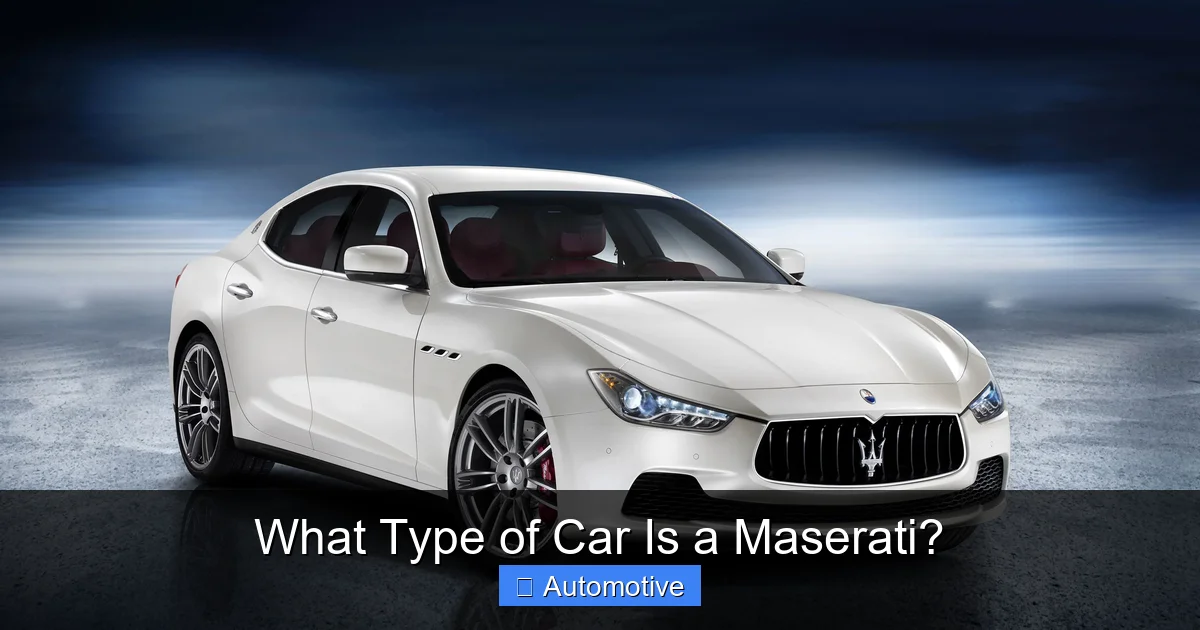
For those who want Maserati performance in a four-door package, the Quattroporte is the answer. As one of the brand’s longest-running models, the Quattroporte has evolved from a sleek executive sedan into a high-tech luxury cruiser.
The current generation features a choice of twin-turbo V6 or V8 engines, with the top model producing 580 horsepower. Inside, you’ll find hand-stitched leather, real wood trim, and a driver-centric layout. The Quattroporte isn’t just about speed—it’s about making a statement. Whether you’re chauffeured or driving yourself, this car commands attention.
SUVs: Maserati Goes Off-Road (in Style)
In recent years, Maserati has expanded into the SUV market, responding to global demand for high-performance luxury crossovers.
The Levante was Maserati’s first SUV, introduced in 2016. Based on the same platform as the Quattroporte, it offers the same powerful engines and Italian flair, but with added ground clearance and all-wheel drive. The Levante Trofeo, with its 580-horsepower V8, can out-accelerate many sports cars, proving that SUVs don’t have to be slow.
More recently, Maserati launched the Grecale, a compact luxury SUV aimed at rivals like the Porsche Macan and BMW X3. The Grecale offers a range of engines, including a hybrid option, and features a sleek design with a focus on technology and comfort. It’s proof that Maserati can adapt to market trends without losing its identity.
Future Models: Electrification and Innovation
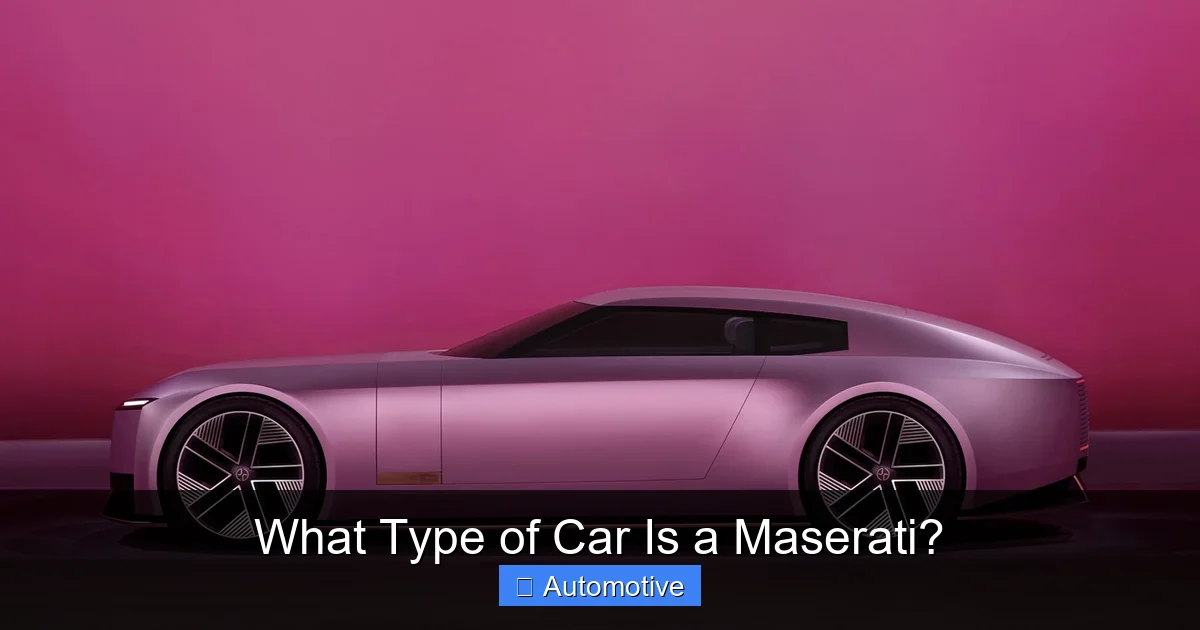
Maserati is also embracing the future. The brand has announced plans to electrify its entire lineup by 2025. The Folgore sub-brand will lead this charge, with fully electric versions of the Grecale, GranTurismo, and MC20 in development.
The electric GranTurismo Folgore, for example, uses three motors to deliver over 750 horsepower and a 0-60 mph time under 2.7 seconds. Yet, it retains the soul of a Maserati—emotional, engaging, and unmistakably Italian.
What Makes a Maserati Different? Performance, Design, and Sound
Visual guide about What Type of Car Is a Maserati?
Image source: hdcarwallpapers.com
So, what sets a Maserati apart from other luxury cars? It’s not just one thing—it’s a combination of performance, design, and sensory experience that creates something truly unique.
Engine Performance and Driving Dynamics
Maserati engines are built for excitement. Whether it’s the twin-turbo V6 in the Grecale or the fire-breathing V8 in the Levante Trofeo, these powerplants are tuned for responsiveness and drama. The exhaust note is a signature feature—deep, throaty, and unmistakable. It’s not just loud for the sake of noise; it’s engineered to match the car’s character.
Driving a Maserati isn’t like driving a typical luxury car. The steering is sharp, the suspension is firm but composed, and the chassis feels alive. Even in SUVs like the Levante, Maserati engineers prioritize handling over softness. The result? A car that feels planted and eager, whether you’re carving corners or cruising on the highway.
Italian Design: Form Meets Function
Maserati cars are instantly recognizable. The long hood, low stance, and aggressive grille give them a predatory look. But the design isn’t just for show—it’s functional. Aerodynamics, cooling, and weight distribution are all carefully considered.
Inside, the cabin is a masterpiece of Italian craftsmanship. You’ll find materials like Poltrona Frau leather, open-pore wood, and aluminum trim. The layout is driver-focused, with controls within easy reach and a sense of occasion in every detail. Even the start button is a work of art.
The Sound of Passion
One of the most talked-about aspects of a Maserati is its sound. The exhaust system is tuned to deliver a symphony of power—especially in sport mode. It’s not just about volume; it’s about emotion. When you press the accelerator, the engine roars to life, and you feel connected to the machine in a way few cars can match.
This sensory experience is a big part of what makes a Maserati special. It’s not just a car—it’s a statement. It’s about feeling alive behind the wheel.
Technology and Comfort: Luxury Without Compromise
While performance and design are key, Maserati hasn’t forgotten about comfort and technology. Modern Maseratis are packed with features that make daily driving enjoyable and long trips effortless.
Infotainment and Connectivity
The latest Maserati models feature large touchscreens with intuitive interfaces. The Grecale, for example, has a 12.3-inch central display and an 8.8-inch touch panel for climate and vehicle settings. Apple CarPlay and Android Auto come standard, and over-the-air updates keep the system current.
The sound system is another highlight. Options like the Sonus Faber premium audio system deliver concert-hall quality, turning your car into a mobile listening room.
Driver Assistance and Safety
Maserati includes a suite of advanced driver assistance systems (ADAS), including adaptive cruise control, lane-keeping assist, blind-spot monitoring, and automatic emergency braking. These features enhance safety without compromising the driving experience.
The cars also come with multiple drive modes—like Comfort, Sport, and Corsa—that adjust throttle response, suspension stiffness, and steering weight. This allows you to tailor the car to your mood or road conditions.
Interior Comfort and Space
Even in performance-focused models, Maserati prioritizes comfort. Seats are supportive yet plush, with heating, cooling, and massage functions available. Rear-seat space varies by model—the Quattroporte offers limousine-like legroom, while the Grecale provides ample room for four adults.
Climate control, ambient lighting, and noise insulation all contribute to a serene cabin environment. It’s luxury that doesn’t sacrifice performance.
Owning a Maserati: Cost, Maintenance, and Resale Value
Buying a Maserati is a big decision—not just because of the price tag, but because of what comes after. Understanding the total cost of ownership is key.
Purchase Price and Financing
Maserati models range from around $75,000 for the Grecale to over $200,000 for the MC20. The Levante and Quattroporte fall in between, depending on trim and options. Financing and leasing options are available through Maserati Financial Services, often with competitive rates for qualified buyers.
Maintenance and Reliability
Maseratis require regular maintenance to keep them performing at their best. Service intervals are typically every 10,000 miles or once a year. While Maserati offers prepaid maintenance plans, owners should budget for higher-than-average repair costs due to the complexity of the engines and systems.
Reliability has improved in recent years, but it’s still wise to buy from a reputable dealer and consider an extended warranty. Regular servicing by certified technicians is essential.
Resale Value and Depreciation
Like most luxury performance cars, Maseratis depreciate quickly in the first few years. However, certain models—like the MC20 and limited-edition variants—may hold their value better due to exclusivity and desirability.
Keeping service records, avoiding excessive mileage, and maintaining the car’s condition can help maximize resale value.
Is a Maserati Right for You?
So, what type of car is a Maserati? It’s a luxury performance vehicle that blends Italian passion with cutting-edge engineering. It’s for drivers who want more than just transportation—they want an experience.
If you value emotional engagement, stunning design, and thrilling performance, a Maserati could be the perfect choice. Whether you’re drawn to the raw power of the MC20, the elegance of the Quattroporte, or the versatility of the Grecale, there’s a Maserati for every kind of enthusiast.
But it’s not for everyone. If you prioritize fuel efficiency, low maintenance costs, or practicality above all else, a Maserati might not be the best fit. However, if you’re ready to embrace the drama, the sound, and the sheer joy of driving, then a Maserati isn’t just a car—it’s a lifestyle.
Conclusion: The Soul of Italian Performance
Maserati is more than a car brand—it’s a symbol of Italian excellence, passion, and innovation. From its racing roots to its modern electric ambitions, Maserati has always stood for something greater than transportation. It stands for emotion.
What type of car is a Maserati? It’s a car that makes you feel alive. It’s a machine built not just to move, but to inspire. Whether you’re accelerating down a coastal highway or cruising through the city, a Maserati turns every drive into an event.
In a world of increasingly similar luxury vehicles, Maserati remains distinct. It’s not afraid to be loud, bold, or different. And that’s exactly why people love it.
Frequently Asked Questions
What type of car is a Maserati?
A Maserati is a luxury performance vehicle that combines high-speed engineering with Italian design and craftsmanship. It includes sports cars, sedans, and SUVs, all built for driving excitement and refined comfort.
Are Maseratis reliable?
Modern Maseratis have improved in reliability, but they still require regular maintenance and care. Buying from a certified dealer and following the service schedule can help ensure long-term performance.
What is the most powerful Maserati?
The Maserati MC20 is currently the most powerful model, with its Nettuno V6 engine producing 621 horsepower. The electric GranTurismo Folgore also delivers over 750 horsepower.
Do Maseratis have good resale value?
Maseratis typically depreciate quickly in the first few years, but limited-edition or high-demand models like the MC20 may hold their value better over time.
Can you drive a Maserati every day?
Yes, many Maserati models—like the Grecale and Quattroporte—are designed for daily use. They offer comfort, technology, and practicality while still delivering performance.
Is Maserati going electric?
Yes, Maserati plans to electrify its entire lineup by 2025 under the Folgore sub-brand. The electric GranTurismo and Grecale are already in development.