What to Do If Car Battery Dies
Discover essential steps to take when your car battery dies, from jump-starting safely to knowing when to replace it. This guide covers prevention, troubleshooting, and expert tips to avoid future breakdowns and keep your vehicle running smoothly.
In This Article
- 1 Key Takeaways
- 2 📑 Table of Contents
- 3 What to Do If Car Battery Dies: A Complete Guide
- 4 Why Car Batteries Die (And How to Spot the Signs)
- 5 Step-by-Step: How to Jump-Start a Dead Car Battery
- 6 What to Do After Jump-Starting Your Car
- 7 When to Replace Your Car Battery
- 8 How to Prevent a Dead Car Battery
- 9 Emergency Preparedness: Be Ready for a Dead Battery
- 10 Final Thoughts: Stay Prepared, Stay Safe
- 11 Frequently Asked Questions
Key Takeaways
- Stay calm and assess the situation: A dead battery doesn’t always mean a major problem—often, it’s fixable with simple steps.
- Learn how to jump-start safely: Using jumper cables and a donor vehicle is the most common fix, but safety is key.
- Check for warning signs early: Dim lights, slow engine cranking, or a clicking sound can signal a weak battery before it dies completely.
- Maintain your battery regularly: Clean terminals, secure connections, and regular driving help extend battery life.
- Know when to replace the battery: Most car batteries last 3–5 years—don’t wait for a complete failure.
- Use a portable jump starter as backup: These compact devices can save you when no help is nearby.
- Prevent future issues with routine checks: Seasonal inspections and charging habits make a big difference.
📑 Table of Contents
- What to Do If Car Battery Dies: A Complete Guide
- Why Car Batteries Die (And How to Spot the Signs)
- Step-by-Step: How to Jump-Start a Dead Car Battery
- What to Do After Jump-Starting Your Car
- When to Replace Your Car Battery
- How to Prevent a Dead Car Battery
- Emergency Preparedness: Be Ready for a Dead Battery
- Final Thoughts: Stay Prepared, Stay Safe
What to Do If Car Battery Dies: A Complete Guide
We’ve all been there—you hop into your car, turn the key, and… nothing. Just a faint click or silence. Your heart sinks. The battery is dead. It’s frustrating, especially when you’re running late or stuck in a parking lot far from home. But don’t panic. A dead car battery is one of the most common automotive issues, and in most cases, it’s fixable—even if you’re not a mechanic.
The good news? You don’t need to be stranded for long. With the right knowledge and tools, you can often get your car running again in under 15 minutes. Whether it’s a simple jump-start, a quick inspection, or a decision to replace the battery, knowing what to do can save you time, money, and stress. This guide walks you through every step—from diagnosing the problem to preventing it from happening again.
Why Car Batteries Die (And How to Spot the Signs)
Before jumping into solutions, it helps to understand why car batteries die in the first place. Most car batteries are lead-acid types that store electrical energy to start your engine and power accessories when the engine is off. Over time, they lose their ability to hold a charge due to age, extreme temperatures, or electrical drains.
Common Causes of a Dead Battery
- Age: The average car battery lasts 3 to 5 years. After that, its performance drops significantly.
- Extreme temperatures: Both extreme heat and cold can damage battery cells and reduce efficiency.
- Parasitic drain: Electronics like alarms, clocks, or faulty wiring can slowly drain the battery even when the car is off.
- Leaving lights on: Forgetting headlights or interior lights on overnight is a classic cause.
- Loose or corroded connections: Poor contact between battery terminals and cables can prevent proper charging.
- Alternator failure: If the alternator isn’t charging the battery while driving, the battery will eventually die.
Early Warning Signs You Shouldn’t Ignore
Most drivers don’t realize their battery is failing until it’s too late. But there are often subtle clues:
- Slow engine crank: The engine turns over more slowly than usual when starting.
- Dim headlights or interior lights: Lights appear noticeably weaker, especially at idle.
- Clicking sound when turning the key: A rapid clicking noise usually means the battery doesn’t have enough power to engage the starter.
- Check engine or battery warning light: Some cars display a battery icon on the dashboard.
- Electrical issues: Power windows, radio, or locks acting sluggish or unresponsive.
If you notice any of these signs, it’s smart to test your battery or have it checked at an auto shop before it leaves you stranded.
Step-by-Step: How to Jump-Start a Dead Car Battery
The most common and effective way to revive a dead battery is by jump-starting it using another vehicle or a portable jump starter. This process transfers power from a working battery to your dead one, giving it enough juice to start the engine.
What You’ll Need
- Jumper cables (preferably 8–10 feet long with thick gauge wires)
- A working vehicle (or a portable jump starter)
- Safety gloves and glasses (optional but recommended)
- A clean, dry workspace
Jump-Starting with Another Vehicle
Follow these steps carefully to avoid injury or damage:
- Park the working vehicle close but not touching your car. Turn off both engines and engage the parking brakes.
- Open both hoods and locate the batteries. Identify the positive (+) and negative (−) terminals. They’re usually marked with red and black covers or symbols.
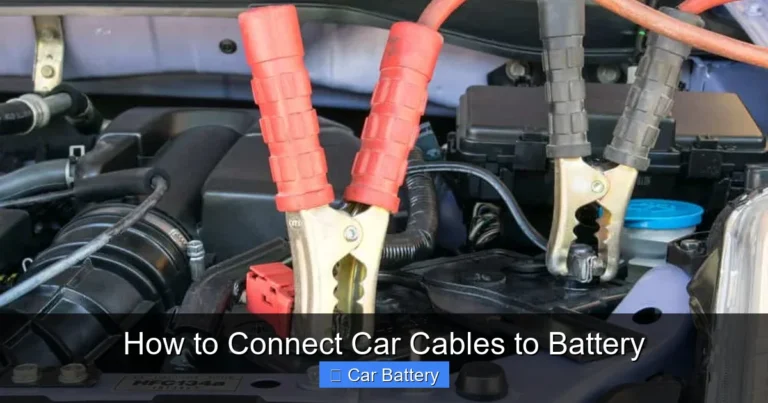
- Connect the jumper cables in this order:
- Red clamp to the dead battery’s positive terminal (+)
- Red clamp to the good battery’s positive terminal (+)
- Black clamp to the good battery’s negative terminal (−)
- Black clamp to an unpainted metal surface on the dead car (like a bolt or bracket), not the negative terminal. This reduces sparking risk.
- Start the working vehicle and let it run for 3–5 minutes. This charges the dead battery slightly.
- Try starting your car. If it starts, leave it running for at least 15–20 minutes to recharge the battery.
- Disconnect the cables in reverse order: Black from the grounded metal, black from the good battery, red from the good battery, red from the dead battery.
Safety Tips During Jump-Starting
- Never let the clamps touch each other while connected to a battery.
- Avoid smoking or open flames near the battery—hydrogen gas can ignite.
- If the battery is cracked, leaking, or swollen, do not attempt to jump-start it. Call a professional.
- Wear gloves and eye protection to prevent acid burns or sparks.
Using a Portable Jump Starter
If no other vehicle is available, a portable jump starter (also called a jump box) is a lifesaver. These battery-powered devices store enough charge to start most cars.
To use one:
- Turn off your car and connect the red clamp to the positive terminal and black to a grounded metal surface.
- Turn on the jump starter (follow the manufacturer’s instructions).
- Wait 30 seconds, then try starting your car.
- Once running, disconnect the clamps and let the engine charge the battery.
Portable jump starters are compact, rechargeable, and often include USB ports for charging phones—perfect for emergencies.
What to Do After Jump-Starting Your Car
Getting your car started is just the first step. What you do next can prevent the problem from happening again—or reveal a deeper issue.
Let the Engine Run
After a successful jump-start, keep the engine running for at least 15–20 minutes. This allows the alternator to recharge the battery. If you turn the car off too soon, the battery may not have enough charge to start again.
Drive for at Least 30 Minutes
If possible, drive the car for 30 minutes or more. Short trips don’t give the alternator enough time to fully recharge a depleted battery. A longer drive helps restore charge and ensures the system is working properly.
Test the Battery and Charging System
A jump-start doesn’t fix a failing battery—it just gives it a temporary boost. To avoid repeat issues, test the battery and alternator. Many auto parts stores (like AutoZone, O’Reilly, or Advance Auto Parts) offer free battery and charging system tests. They’ll check:
- Battery voltage and health
- Alternator output
- Parasitic drain
If the test shows the battery is weak or the alternator isn’t charging, it’s time for repairs or replacement.
Check for Underlying Issues
Ask yourself: Why did the battery die in the first place? Common culprits include:
- Leaving lights or accessories on
- A faulty alternator not charging the battery
- A parasitic drain from an aftermarket device (like a dash cam or alarm)
- Extreme weather affecting performance
Addressing the root cause prevents future breakdowns.
When to Replace Your Car Battery
Jump-starting works for temporary fixes, but if your battery is old or damaged, replacement is the only long-term solution.
Signs It’s Time for a New Battery
- Age: If your battery is over 4 years old, consider replacing it—even if it still works.
- Repeated jump-starts: Needing frequent jumps is a red flag.
- Swollen or leaking case: Physical damage indicates internal failure.
- Foul smell: A rotten egg odor suggests acid leakage.
- Slow starts even after charging: The battery can’t hold a charge anymore.
Choosing the Right Replacement Battery
Not all batteries are the same. When replacing, consider:
- Group size: Matches the battery tray in your car (check your owner’s manual).
- Cold Cranking Amps (CCA): Higher CCA is better for cold climates.
- Reserve Capacity (RC): How long the battery can run essentials if the alternator fails.
- Warranty: Look for at least a 3-year free replacement warranty.
- Type: Standard flooded, AGM (Absorbent Glass Mat), or EFB (Enhanced Flooded Battery)—choose based on your vehicle and driving habits.
Most auto parts stores can install the battery for free or a small fee. Some even recycle your old battery.
How to Prevent a Dead Car Battery
The best way to deal with a dead battery is to avoid it altogether. A few simple habits can extend your battery’s life and reduce the risk of failure.
Regular Maintenance Tips
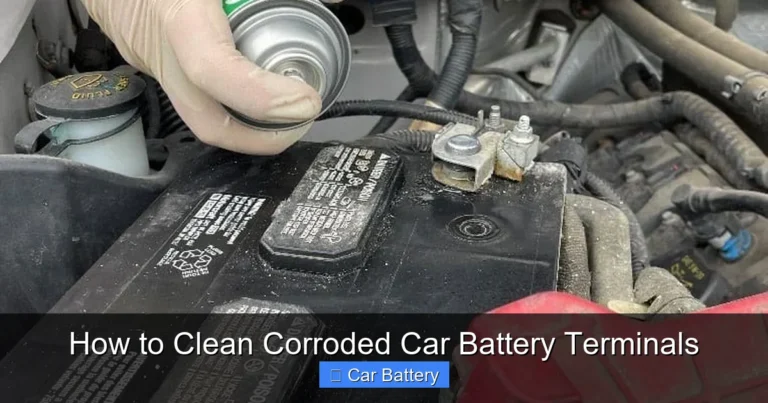
- Clean the terminals: Corrosion (a white or green powder) on terminals blocks electrical flow. Clean with a baking soda and water solution and a wire brush.
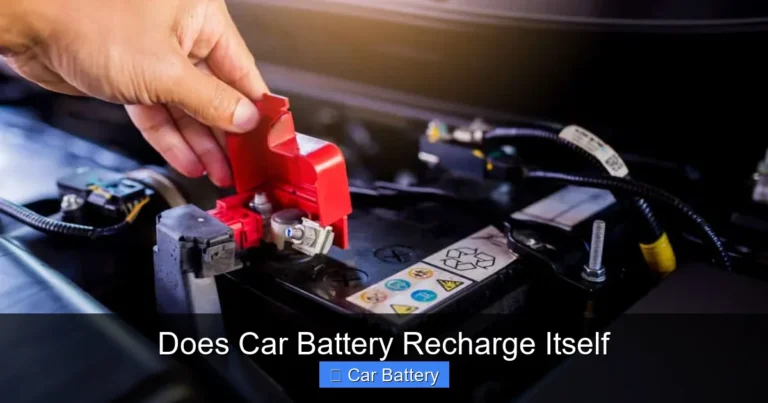
- Tighten connections: Loose cables can prevent charging. Ensure terminals are snug.
- Inspect for damage: Look for cracks, leaks, or swelling during routine checks.
- Check the charging system: Have the alternator and voltage regulator tested annually.
Driving Habits That Help
- Avoid short trips: Frequent short drives don’t allow the battery to fully recharge.
- Turn off accessories when parked: Lights, radio, and chargers drain the battery when the engine is off.
- Use a battery maintainer: If you don’t drive often (e.g., classic cars or seasonal vehicles), a trickle charger keeps the battery charged.
- Park in a garage: Extreme cold or heat accelerates battery wear. A sheltered spot helps.
Seasonal Considerations
Batteries struggle in both winter and summer:
- Winter: Cold reduces battery power. A battery with 12.6 volts at rest may drop to 10 volts in freezing temps—too weak to start the engine.
- Summer: Heat accelerates chemical reactions inside the battery, leading to faster degradation.
Consider a battery insulation blanket in winter or parking in the shade during summer to reduce stress.
Emergency Preparedness: Be Ready for a Dead Battery
Even with prevention, dead batteries can still happen. Being prepared can make all the difference when you’re stuck.
Build an Emergency Car Kit
Keep these items in your trunk:
- Jumper cables or portable jump starter
- Flashlight with extra batteries
- Basic toolkit (wrenches, screwdrivers)
- Reflective triangles or flares
- Phone charger (preferably with car adapter)
- Owner’s manual (for battery location and specs)
Know Your Options
If you can’t jump-start the car or don’t have tools:
- Call roadside assistance: Many insurance plans, automaker programs (like OnStar), or services like AAA offer jump-starts.
- Ask for help: If you’re in a safe location, another driver may lend jumper cables.
- Use a mobile mechanic: Some services come to you for battery replacement or diagnostics.
Having a plan reduces stress and gets you back on the road faster.
Final Thoughts: Stay Prepared, Stay Safe
A dead car battery is inconvenient, but it doesn’t have to ruin your day. With the right knowledge, tools, and habits, you can handle the situation confidently—and prevent it from happening again. Remember: most dead batteries are fixable with a jump-start, but repeated issues signal it’s time for a replacement.
Take care of your battery, listen to your car’s warning signs, and keep emergency tools handy. Whether you’re a daily commuter or weekend driver, being proactive saves time, money, and frustration. So the next time your car won’t start, don’t panic—you’ve got this.
Frequently Asked Questions
Can I jump-start a car in the rain?
Yes, you can jump-start a car in the rain, but take extra precautions. Make sure your hands and the cables are dry, and avoid standing in puddles. Water increases the risk of electrical shock, so work carefully and quickly.
How long should I drive after a jump-start?
Drive for at least 30 minutes after a jump-start to allow the alternator to recharge the battery. Short trips may not provide enough charge, especially if the battery was deeply discharged.
Can a dead battery damage my car?
A dead battery itself won’t damage your car, but repeated deep discharges can shorten its lifespan. Also, if the alternator is faulty and caused the drain, that issue needs repair to prevent further problems.
How often should I replace my car battery?
Most car batteries last 3 to 5 years. Replace it sooner if you notice slow starts, frequent jump-starts, or if it’s more than 4 years old—especially in extreme climates.
Is it safe to jump-start a modern car with electronics?
Yes, but be cautious. Modern cars have sensitive electronics. Use quality jumper cables, connect in the correct order, and avoid touching clamps together. If unsure, use a portable jump starter with surge protection.
What if my car still won’t start after a jump?
If the car doesn’t start after a proper jump, the issue may not be the battery. It could be a faulty starter, alternator, fuel system, or ignition problem. Have a mechanic diagnose the issue.