What to Do After You Sell Your Car

Contents
- 1 Key Takeaways
- 2 📑 Table of Contents
- 3 1. Cancel or Adjust Your Auto Insurance
- 4 2. Notify the DMV (Department of Motor Vehicles)
- 5 3. Remove Personal Items and License Plates
- 6 4. Complete and Keep a Bill of Sale
- 7 5. Transfer the Title Correctly
- 8 6. Keep Records for Future Reference
- 9 7. Update Your Finances and Budget
- 10 8. Protect Yourself from Fraud and Scams
- 11 Conclusion
- 12 Frequently Asked Questions


Selling your car is only half the job—what you do afterward matters just as much. From canceling insurance to notifying the DMV, skipping key steps can lead to fines, liability, or fraud. This guide walks you through every essential action to protect yourself and stay compliant.
Selling your car can feel like a huge relief—especially if it’s been costing you money in repairs, gas, or insurance. You’ve found a buyer, negotiated a fair price, and handed over the keys. But here’s the thing: the job isn’t done yet. What you do after you sell your car is just as important as the sale itself. In fact, skipping a few critical steps could land you in hot water—facing fines, legal trouble, or even being held liable for something the new owner does with your former vehicle.
Think of it this way: selling a car isn’t like selling a couch. It’s a registered, insured, and legally tracked asset. The government, your insurance company, and even local law enforcement need to know that you’re no longer responsible for it. If you don’t update these records, you might still get parking tickets mailed to your address, receive toll violations, or worse—be pulled into a lawsuit if the new owner gets into an accident and the title hasn’t been properly transferred. That’s why it’s essential to follow a clear, step-by-step process after the sale is complete.
In this guide, we’ll walk you through everything you need to do after you sell your car—from canceling insurance to notifying the DMV, handling the title transfer, and protecting your personal information. Whether you sold it privately, traded it in at a dealership, or handed it over to a family member, these steps apply. We’ll keep it simple, practical, and easy to follow, so you can close this chapter with confidence and peace of mind.
Key Takeaways
- Cancel or adjust your auto insurance immediately: Continuing coverage on a sold car wastes money and creates unnecessary liability.
- Notify your state’s DMV in writing: Failing to report the sale can leave you responsible for parking tickets, tolls, or accidents involving the new owner.
- Remove all personal items and license plates: Protect your privacy and avoid theft by clearing out belongings and returning or transferring plates as required.
- Complete a bill of sale and keep copies: This document proves the transaction occurred and protects both buyer and seller legally.
- Transfer the title correctly: Improper title transfer can delay the buyer’s registration and create legal headaches for you.
- Keep records for at least 3–5 years: In case of disputes or audits, documentation is your best defense.
- Consider a release of liability form: Many states require this to officially absolve you of responsibility for the vehicle post-sale.
📑 Table of Contents
- 1. Cancel or Adjust Your Auto Insurance
- 2. Notify the DMV (Department of Motor Vehicles)
- 3. Remove Personal Items and License Plates
- 4. Complete and Keep a Bill of Sale
- 5. Transfer the Title Correctly
- 6. Keep Records for Future Reference
- 7. Update Your Finances and Budget
- 8. Protect Yourself from Fraud and Scams
- Conclusion
1. Cancel or Adjust Your Auto Insurance
One of the first things you should do after you sell your car is contact your auto insurance provider. Continuing to pay for coverage on a vehicle you no longer own is like throwing money down the drain. Plus, it can create confusion if the new owner gets into an accident and your policy is still active.
Contact Your Insurance Company Right Away
As soon as the sale is final, call your insurer or log into your online account. Let them know you’ve sold the vehicle and request to cancel the policy—or at least remove the car from your coverage. Most insurers allow you to do this over the phone or online, and they’ll prorate your refund for any unused premium. For example, if you paid $1,200 for a full year and only used six months, you should get about $600 back.
Be sure to ask for confirmation in writing (email or letter) that the policy has been canceled or adjusted. This serves as proof in case there’s ever a dispute about when coverage ended.
Don’t Cancel Too Early
While it’s important to stop paying for insurance you don’t need, don’t cancel your policy before the buyer takes possession of the car. If something happens during the handoff—like damage during a test drive or a last-minute accident—you’ll still be covered. Once the keys are handed over and the title signed, then it’s safe to cancel.
Also, if you’re buying a new car, you may want to keep your policy active until the new vehicle is insured. Many insurers offer a grace period (usually 14–30 days) to add a new car to your policy without a lapse in coverage.
What If You’re Trading In?
If you’re trading your car in at a dealership, the process is a bit different. The dealer will typically handle the title transfer and registration, but you’re still responsible for canceling your insurance. Don’t assume the dealer will do it for you. Call your insurer the same day the trade-in happens to avoid paying for coverage you no longer need.
2. Notify the DMV (Department of Motor Vehicles)

Visual guide about What to Do After You Sell Your Car
Image source: media.consumeraffairs.com
This step is crucial—and often overlooked. Every state requires sellers to notify the DMV after a vehicle sale. Failing to do so can leave you legally responsible for the car, even after you’ve sold it.
File a Release of Liability
Most states have a “Release of Liability” form that you must submit to the DMV. This document officially informs the state that you’re no longer the owner of the vehicle and therefore not responsible for any future violations, accidents, or registration issues.
For example, in California, you must submit a Notice of Transfer and Release of Liability (NRL) within five days of the sale. In Texas, it’s called a Vehicle Transfer Notification and must be filed online or by mail. Check your state’s DMV website for the exact form and deadline.
When filling out the form, you’ll need:
– The vehicle’s make, model, year, and VIN
– The sale date
– The buyer’s name and address
– Your signature
Keep a copy of the submitted form for your records. Some states send a confirmation, but it’s smart to save proof that you filed it.
Why This Matters
Imagine this: You sell your car, but forget to notify the DMV. The new owner doesn’t register it right away and gets pulled over for expired tags. The ticket goes to you because your name is still on the title. Or worse—they get into an accident and the other driver sues, claiming you’re liable because the car is still in your name.
By filing a release of liability, you protect yourself from these risks. It’s a simple step that can save you thousands in legal fees and stress.
3. Remove Personal Items and License Plates

Visual guide about What to Do After You Sell Your Car
Image source: media.consumeraffairs.com
Before handing over the keys, take a few minutes to clean out your car. This isn’t just about being courteous—it’s about protecting your privacy and complying with state laws.
Clear Out All Belongings
Go through every compartment: glove box, center console, door pockets, trunk, and under the seats. Remove:
– Registration and insurance cards
– Owner’s manual (unless you want to keep it)
– Garage door openers
– Sunglasses, chargers, or loose change
– Old receipts or documents with personal info
Even small items like a parking pass or library book can reveal where you live or work. Don’t assume the buyer will return them—once the car is gone, so are your chances of getting them back.
Handle License Plates Properly
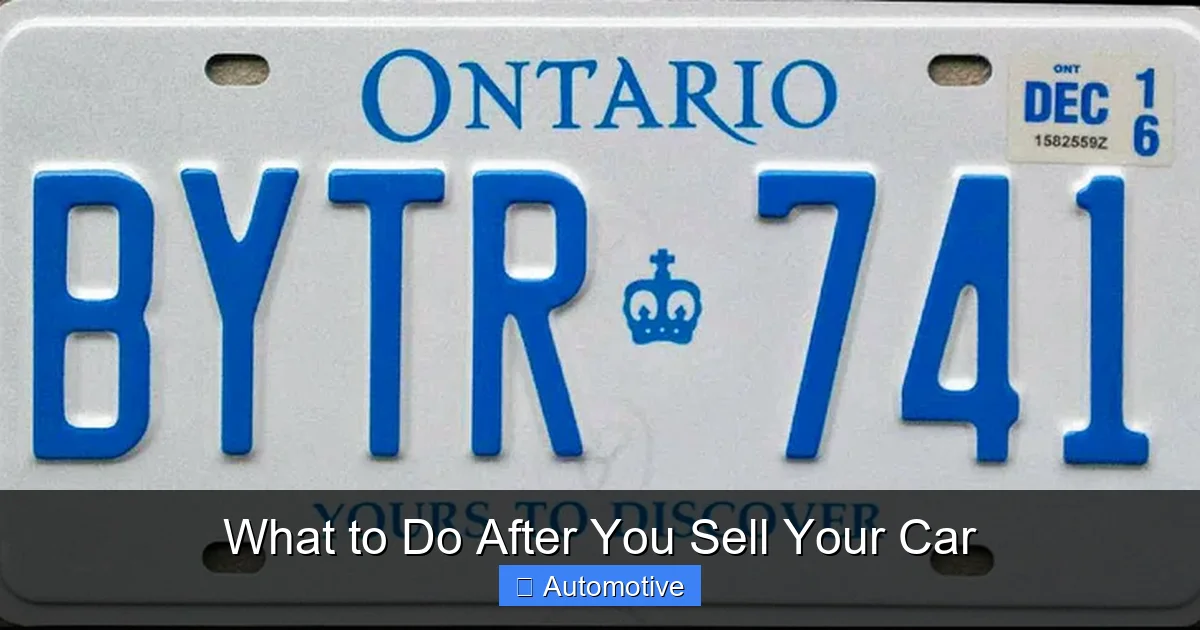
In most states, license plates stay with the owner—not the car. That means you should remove them before the sale and either keep them, transfer them to a new vehicle, or return them to the DMV.
For example, in New York, you must remove your plates and either surrender them or transfer them to another car. In Florida, plates stay with the vehicle, so you can leave them on. Check your state’s rules to avoid fines or complications.
If you’re keeping the plates, store them safely. You can reuse them on your next car, which saves time and money on registration. If you’re not using them, return them to the DMV to close the loop.
Wipe Down the Interior
A quick wipe-down shows respect for the new owner and helps maintain your reputation as a responsible seller. Use a damp cloth to clean surfaces, vacuum the seats and floor mats, and remove any trash. It’s a small gesture that can lead to positive feedback if you’re selling online.
4. Complete and Keep a Bill of Sale

Visual guide about What to Do After You Sell Your Car
Image source: resources.additionfi.com
A bill of sale is a legal document that proves the transaction took place. It’s not always required by law, but it’s highly recommended—and sometimes necessary for tax or registration purposes.
What to Include in a Bill of Sale
A good bill of sale should have:
– Date of sale
– Vehicle details (make, model, year, VIN, mileage)
– Seller and buyer names and addresses
– Sale price
– Signatures of both parties
– Odometer reading (to prevent fraud)
You can find free templates online from your state’s DMV or reputable legal sites. Some states even provide official forms. For example, the California DMV offers a Bill of Sale (REG 135) that you can download and fill out.
Why It’s Important
The bill of sale protects both you and the buyer. For you, it proves you sold the car and aren’t still responsible for it. For the buyer, it’s proof of purchase, which they may need to register the vehicle or apply for financing.
Keep a copy for at least 3–5 years. If there’s ever a dispute—like the buyer claiming they paid more than agreed—you’ll have documentation to back up your side.
Digital vs. Paper Copies
While a handwritten bill of sale is legally valid, it’s better to use a typed, printed version. It looks more professional and is easier to read. You can also take a photo or scan a copy and store it digitally for easy access.
5. Transfer the Title Correctly
The title transfer is one of the most important steps in the car-selling process. If done incorrectly, it can delay the buyer’s registration and create legal issues for you.
Sign the Title Properly
When you sign the title over to the buyer, make sure you:
– Fill in the buyer’s name and address exactly as it appears on their ID
– Enter the sale price (some states require this for tax purposes)
– Sign in the correct section (usually marked “Seller”)
– Include the odometer reading if required
Don’t leave any fields blank. If a section doesn’t apply, write “N/A” or “Not Applicable.”
In some states, both parties must sign the title in front of a notary. Check your state’s requirements to avoid rejection.
Provide a Copy to the Buyer
Give the buyer the original signed title. They’ll need it to register the car in their name. Keep a copy for your records—either a photocopy or a photo.
If you’re selling to a dealership, they’ll usually handle the title transfer. But you should still sign the title and get a receipt confirming the sale.
What If the Title Is Lost?
If you can’t find your title, you’ll need to apply for a duplicate before selling the car. This process varies by state but typically involves filling out a form, paying a fee, and waiting for it to arrive by mail. Start this process early—it can take several weeks.
6. Keep Records for Future Reference
Even after the sale is complete, you should keep important documents for several years. This protects you in case of disputes, audits, or legal issues.
What to Save
Store copies of:
– Bill of sale
– Title transfer
– Release of liability form
– Insurance cancellation confirmation
– Any communication with the buyer
Use a physical folder or a secure digital storage service like Google Drive or Dropbox. Label files clearly (e.g., “2024 Toyota Camry Sale – Bill of Sale”).
How Long to Keep Them?
Most experts recommend keeping car sale records for 3–5 years. This covers the statute of limitations for most civil claims and gives you time to respond to any unexpected issues.
Shred Old Documents Securely
When it’s time to dispose of old records, don’t just throw them in the trash. Use a cross-cut shredder to destroy any documents with personal information, like your name, address, or VIN.
7. Update Your Finances and Budget
Selling your car isn’t just a logistical task—it’s also a financial one. Now that you’ve received payment, it’s time to adjust your budget and consider your next steps.
Deposit the Funds Safely
If you were paid in cash, deposit it at your bank as soon as possible. For large amounts, consider using a cashier’s check or wire transfer for security.
Avoid carrying large sums of money. If you must, go with a trusted friend and use a secure location.
Reallocate Your Budget
With one less car payment, insurance premium, and gas expense, you now have extra money each month. Consider:
– Paying down debt
– Building an emergency fund
– Saving for a new vehicle
– Investing in retirement
Use a budgeting app or spreadsheet to track your new cash flow and set financial goals.
Plan for Transportation
If you sold your only car, think about how you’ll get around. Options include:
– Buying a new or used car
– Using public transit
– Carpooling or ridesharing
– Biking or walking
Weigh the costs and benefits of each option. Sometimes, going car-free can save you thousands per year.
8. Protect Yourself from Fraud and Scams
Unfortunately, car sales can attract scammers. Even after the sale, you may be at risk if you’re not careful.
Watch for Fake Payment Scams
If the buyer paid with a check, wait for it to fully clear before handing over the car. Some checks take days or even weeks to bounce. Never release the vehicle until the funds are confirmed.
Be Wary of Title Washing
Title washing is when a buyer hides a car’s accident or flood history by registering it in a different state. While this is illegal, it can still happen. Protect yourself by including a clause in the bill of sale stating the car is sold “as-is” with no warranties.
Don’t Share Personal Info
Avoid giving out your Social Security number, bank details, or home address unless absolutely necessary. Most transactions only require your name, address, and signature.
Conclusion
Selling your car is a big step, but it’s only the beginning of the process. What you do after you sell your car can determine whether the experience ends smoothly or turns into a headache. By canceling your insurance, notifying the DMV, removing personal items, completing a bill of sale, transferring the title correctly, and keeping good records, you protect yourself legally, financially, and personally.
These steps may seem like a lot, but most take just a few minutes. And the peace of mind they bring is worth every second. Whether you’re upgrading to a newer model, downsizing, or going car-free, finishing strong means you can move forward with confidence.
So the next time you sell a car, remember: the keys may be handed over, but your responsibilities aren’t over yet. Take these steps seriously, and you’ll avoid fines, liability, and stress down the road.
Frequently Asked Questions
Do I need to notify the DMV after selling my car?
Yes, most states require you to file a release of liability or similar form with the DMV after selling your car. This protects you from future tickets, accidents, or registration issues involving the vehicle.
Can I cancel my car insurance immediately after the sale?
You can cancel or adjust your insurance once the buyer takes possession of the car. Don’t cancel before the sale is complete, as you’ll need coverage during the handoff.
What happens if I don’t remove my license plates?
In states where plates stay with the owner, leaving them on the car could lead to fines or complications for the buyer. Always check your state’s rules and remove plates if required.
Is a bill of sale legally required?
It’s not always required, but it’s highly recommended. A bill of sale proves the transaction occurred and protects both buyer and seller in case of disputes.
How long should I keep records of the car sale?
Keep copies of all sale documents for at least 3–5 years. This covers potential legal claims and provides proof if needed for audits or disputes.
What if the buyer doesn’t register the car?
As long as you’ve filed a release of liability and transferred the title, you’re not responsible. The buyer’s failure to register doesn’t affect your legal standing.