
What the Mercedes-benz B1 Service Includes

Contents
- 1 Key Takeaways
- 2 📑 Table of Contents
- 3 Why the B1 Service Matters for Your Mercedes-Benz
- 4 Detailed Breakdown of the B1 Service Checklist
- 5 How Often Should You Get the B1 Service?
- 6 Where to Get Your B1 Service Done
- 7 Cost of the B1 Service
- 8 Tips for Maintaining Your Mercedes-Benz Between Services
- 9 Conclusion
- 10 Frequently Asked Questions


The Mercedes-Benz B1 service is a comprehensive maintenance package designed to keep your luxury vehicle in peak condition. It includes essential tasks like oil changes, brake inspections, and fluid top-offs, ensuring safety, performance, and longevity. Regular B1 servicing helps prevent costly repairs and maintains your car’s resale value.
Owning a Mercedes-Benz is more than just driving a car—it’s an experience. From the smooth purr of the engine to the refined interior craftsmanship, every detail is engineered for luxury and performance. But even the most advanced vehicles need regular care to keep them running at their best. That’s where the Mercedes-Benz B1 service comes in.
The B1 service is one of the most common maintenance intervals in the Mercedes-Benz service schedule. It typically occurs every 10,000 miles or 12 months, whichever comes first, though this can vary slightly depending on your driving habits and model. Think of it as a wellness check-up for your car—a chance to catch small issues before they become big problems. Whether you’re cruising down the highway or navigating city streets, the B1 service ensures your Mercedes-Benz remains reliable, safe, and efficient.
Unlike basic oil changes you might get at a quick-lube shop, the B1 service is a thorough, manufacturer-recommended procedure performed by certified technicians who understand the intricacies of Mercedes-Benz engineering. It’s not just about changing oil—it’s about preserving the integrity of your vehicle. From fluid levels to brake performance, every component is inspected with precision. And because Mercedes-Benz vehicles are equipped with advanced onboard diagnostics, the B1 service includes a full system scan to detect any hidden faults.
Key Takeaways
- Oil and Filter Change: Fresh engine oil and a new filter are installed to ensure optimal lubrication and engine performance.
- Brake System Inspection: Technicians check brake pads, rotors, and fluid levels to ensure safe stopping power.
- Fluid Level Checks: Coolant, transmission, brake, and windshield washer fluids are inspected and topped off as needed.
- Tire Inspection and Rotation: Tires are checked for wear, pressure, and alignment, and rotated to promote even tread wear.
- Battery and Electrical System Test: The battery, alternator, and key electrical components are tested for reliability.
- Comprehensive Vehicle Scan: A full diagnostic scan detects any hidden issues using Mercedes-Benz-specific software.
- Service Interval Reset: The maintenance computer is reset so you’re reminded of the next service due date.
📑 Table of Contents
Why the B1 Service Matters for Your Mercedes-Benz
You might be wondering: “Is the B1 service really necessary?” The short answer is yes—especially if you want to protect your investment. Mercedes-Benz vehicles are built with high-performance engines, sophisticated electronics, and precision engineering. That means they require specialized care that goes beyond what a generic mechanic can offer.
Regular B1 servicing helps maintain your car’s performance, fuel efficiency, and safety. For example, old engine oil can become contaminated with dirt and debris, reducing its ability to lubricate moving parts. Over time, this can lead to increased engine wear, reduced fuel economy, and even costly repairs. By changing the oil and filter during the B1 service, you’re giving your engine a fresh start.
But it’s not just about the engine. The B1 service also focuses on critical safety systems like brakes and tires. Worn brake pads can reduce stopping power, especially in emergency situations. Similarly, underinflated or unevenly worn tires can affect handling and increase the risk of a blowout. During the B1 service, technicians inspect these components and address any issues before they compromise your safety.
Another key benefit is preserving your vehicle’s resale value. A well-maintained Mercedes-Benz with a complete service history is far more attractive to potential buyers. The B1 service ensures that all maintenance records are up to date, giving you peace of mind if you ever decide to sell or trade in your car.
Detailed Breakdown of the B1 Service Checklist
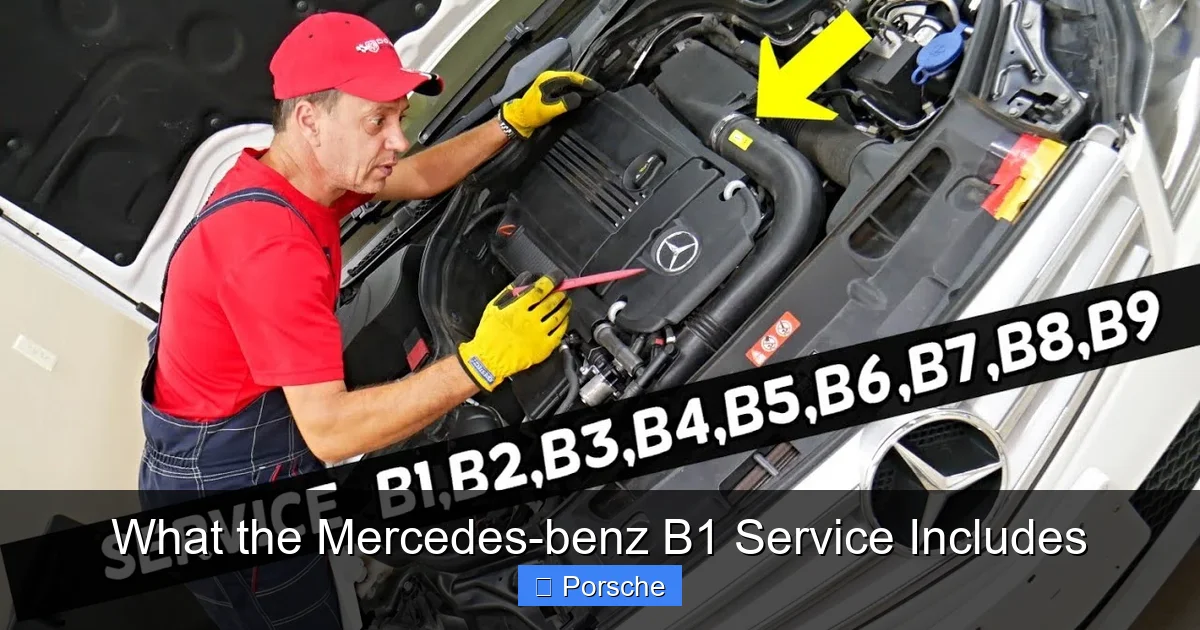
Visual guide about What the Mercedes-benz B1 Service Includes
Image source: i.ytimg.com
The Mercedes-Benz B1 service is more than just a checklist—it’s a comprehensive evaluation of your vehicle’s health. While the exact items may vary slightly depending on your model and year, the core components remain consistent. Here’s a detailed look at what’s included:
Engine Oil and Filter Replacement
One of the most important parts of the B1 service is replacing the engine oil and oil filter. Engine oil lubricates the moving parts of your engine, reducing friction and preventing overheating. Over time, oil breaks down and collects contaminants like dirt, metal particles, and combustion byproducts. If left unchanged, dirty oil can cause sludge buildup, reduced performance, and even engine damage.
During the B1 service, certified technicians drain the old oil and replace it with fresh, high-quality Mercedes-Benz-approved synthetic oil. They also install a new oil filter, which traps contaminants and ensures clean oil circulates through the engine. This simple step can significantly extend the life of your engine and improve fuel efficiency.
For example, if you drive a Mercedes-Benz C-Class with a 2.0L turbocharged engine, the technician will use oil that meets the MB 229.5 specification—ensuring compatibility with your engine’s design. Using the wrong oil can void your warranty and lead to performance issues.
Brake System Inspection
Your brakes are one of the most critical safety features in your vehicle. During the B1 service, technicians perform a thorough inspection of the entire brake system. This includes checking the condition of the brake pads, rotors, calipers, and brake lines.
Brake pads wear down over time with use. If they become too thin, they can damage the rotors and reduce braking efficiency. Technicians measure the thickness of the pads and compare it to the manufacturer’s minimum specification. If the pads are worn beyond the limit, they’ll recommend replacement.
They also inspect the brake rotors for scoring, warping, or excessive wear. Warped rotors can cause vibrations when braking, while scored rotors may reduce pad contact and braking power. In some cases, rotors can be resurfaced; in others, replacement is necessary.
Brake fluid is another key component. It transfers the force from the brake pedal to the calipers, allowing the pads to clamp down on the rotors. Over time, brake fluid absorbs moisture, which can lower its boiling point and cause spongy pedal feel. During the B1 service, technicians check the fluid level and condition. If the fluid is dark or contaminated, they may recommend a brake fluid flush.
Fluid Level Checks and Top-Offs
Your Mercedes-Benz relies on several fluids to operate smoothly. The B1 service includes a comprehensive check of all major fluid levels, including:
– Engine coolant
– Transmission fluid
– Brake fluid
– Power steering fluid
– Windshield washer fluid
Engine coolant regulates the temperature of your engine, preventing it from overheating. If the coolant level is low, it could indicate a leak in the system. Technicians inspect the radiator, hoses, and reservoir for signs of damage or wear.
Transmission fluid lubricates the gears and clutches in your transmission, ensuring smooth shifting. Low or dirty transmission fluid can cause slipping, rough shifts, or even transmission failure. While a full transmission service isn’t typically part of the B1, technicians will check the level and condition.
Power steering fluid helps you turn the wheel with ease. If the fluid is low, you may notice increased steering effort or whining noises. Technicians top off the fluid and inspect the system for leaks.
Windshield washer fluid may seem minor, but it’s essential for visibility in bad weather. During the B1 service, technicians refill the reservoir and test the spray nozzles to ensure they’re working properly.
Tire Inspection and Rotation
Tires are your car’s only contact with the road, so their condition is vital for safety and performance. During the B1 service, technicians inspect each tire for signs of wear, damage, or uneven tread patterns.
They check the tread depth using a tread depth gauge. The legal minimum in most states is 2/32 of an inch, but Mercedes-Benz recommends replacing tires when they reach 4/32 of an inch for optimal performance, especially in wet conditions.
They also look for signs of cupping, feathering, or bulging, which can indicate alignment or suspension issues. For example, if the inner edge of the tire is worn more than the outer edge, it could mean your wheels are misaligned.
Tire pressure is another critical factor. Underinflated tires increase rolling resistance, reduce fuel economy, and can overheat, leading to blowouts. Overinflated tires reduce traction and can cause a harsh ride. Technicians use a digital pressure gauge to check each tire and adjust the pressure to the manufacturer’s recommended level.
As part of the B1 service, tires are also rotated to promote even wear. Front tires typically wear faster than rear tires due to steering and braking forces. By rotating them according to the recommended pattern (usually front-to-rear on rear-wheel-drive vehicles), you can extend the life of your tires and improve handling.
Battery and Electrical System Test
Modern Mercedes-Benz vehicles are packed with electronics—from infotainment systems to advanced driver assistance features. All of these rely on a healthy battery and electrical system.
During the B1 service, technicians test the battery’s voltage, cranking amps, and overall health. They use a diagnostic tool to check if the battery can hold a charge and deliver enough power to start the engine, especially in cold weather.
They also inspect the battery terminals for corrosion, which can interfere with electrical connections. If corrosion is present, they clean the terminals and apply a protective coating.
The alternator is also tested to ensure it’s charging the battery properly. A failing alternator can cause the battery to drain, leading to starting problems and electrical malfunctions.
In addition, technicians may check other electrical components, such as lights, wipers, and fuses, to ensure everything is functioning correctly.
Comprehensive Vehicle Diagnostic Scan
One of the most valuable parts of the B1 service is the full diagnostic scan. Mercedes-Benz vehicles are equipped with advanced onboard computers that monitor engine performance, emissions, and other systems.
Using specialized diagnostic equipment, technicians connect to your car’s OBD-II port and run a complete system scan. This allows them to detect any fault codes or pending issues that may not be immediately apparent.
For example, a sensor might be malfunctioning, causing the check engine light to come on. Or there could be a minor issue with the emissions system that hasn’t yet triggered a warning. The diagnostic scan catches these problems early, allowing for prompt repairs.
The scan also checks software updates for your vehicle’s control modules. Mercedes-Benz regularly releases updates to improve performance, fix bugs, or enhance features. If an update is available, technicians can install it during the B1 service.
Service Interval Reset
After completing all inspections and maintenance tasks, technicians reset the service interval indicator on your dashboard. This ensures that your car’s computer accurately tracks when the next service is due.
Mercedes-Benz vehicles use a flexible service schedule based on driving conditions. The system monitors factors like engine load, temperature, and mileage to determine the optimal service interval. Resetting the indicator ensures you receive timely reminders for future maintenance.
How Often Should You Get the B1 Service?
Visual guide about What the Mercedes-benz B1 Service Includes
Image source: res.cloudinary.com
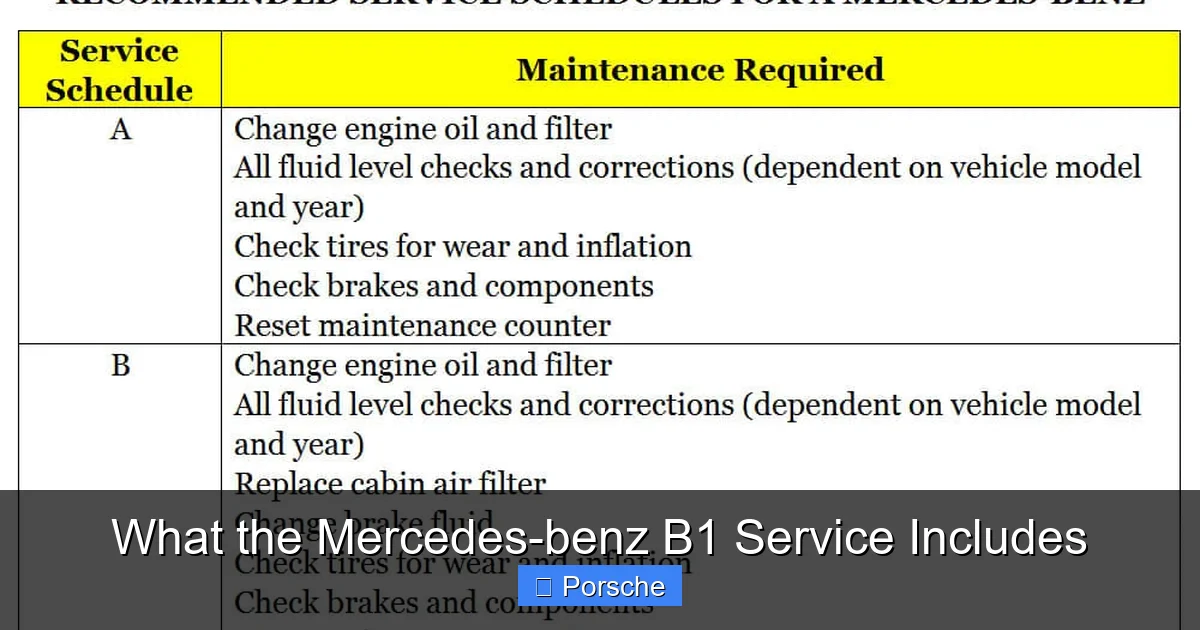
The standard recommendation for the B1 service is every 10,000 miles or 12 months, whichever comes first. However, this can vary depending on your driving habits and environment.
If you drive frequently in stop-and-go traffic, extreme temperatures, or dusty conditions, your vehicle may require more frequent servicing. These conditions can accelerate wear on engine oil, brakes, and other components.
Conversely, if you drive mostly on highways and cover fewer miles, you might be able to extend the interval slightly—but it’s always best to follow the manufacturer’s guidelines.
Your Mercedes-Benz also has a service indicator on the dashboard that will alert you when the next service is due. This system takes into account your driving patterns and adjusts the schedule accordingly.
Where to Get Your B1 Service Done

Visual guide about What the Mercedes-benz B1 Service Includes
Image source: image.slidesharecdn.com
For the best results, it’s recommended to have your B1 service performed at an authorized Mercedes-Benz dealership or service center. These facilities employ certified technicians who are trained specifically on Mercedes-Benz vehicles.
They use genuine Mercedes-Benz parts and fluids, ensuring compatibility and performance. They also have access to the latest diagnostic tools and software updates.
While independent shops may offer lower prices, they may not have the same level of expertise or access to manufacturer-specific resources. Using non-genuine parts or incorrect fluids can void your warranty and compromise your vehicle’s performance.
Additionally, service records from authorized centers are more likely to be recognized by future buyers, helping maintain your car’s resale value.
Cost of the B1 Service
The cost of a B1 service can vary depending on your location, model, and dealership. On average, you can expect to pay between $200 and $400 for a standard B1 service.
This includes labor, parts, and fluids. Additional repairs, such as brake pad replacement or tire rotation, may incur extra charges.
While this may seem expensive compared to a basic oil change, the B1 service provides far more value. It’s a comprehensive maintenance package that protects your investment and ensures your vehicle remains safe and reliable.
Many dealerships also offer service packages or prepaid maintenance plans that can reduce the overall cost. These plans lock in prices and cover multiple services over time, making budgeting easier.
Tips for Maintaining Your Mercedes-Benz Between Services
While the B1 service is essential, there are steps you can take to keep your Mercedes-Benz in top condition between visits:
– Check tire pressure monthly and before long trips.
– Monitor fluid levels and top off as needed.
– Wash your car regularly to prevent rust and paint damage.
– Listen for unusual noises or vibrations and address them promptly.
– Use high-quality fuel and avoid short trips that don’t allow the engine to warm up fully.
By staying proactive, you can extend the life of your vehicle and reduce the likelihood of unexpected repairs.
Conclusion
The Mercedes-Benz B1 service is a vital part of vehicle ownership. It’s not just about changing oil—it’s about ensuring your luxury car continues to deliver the performance, safety, and comfort you expect. From brake inspections to diagnostic scans, every step is designed to protect your investment and keep you on the road with confidence.
Regular B1 servicing helps prevent costly repairs, maintains fuel efficiency, and preserves your car’s resale value. And with the expertise of certified technicians and genuine parts, you can trust that your Mercedes-Benz is in good hands.
So the next time your service indicator lights up, don’t delay. Schedule your B1 service and give your car the care it deserves. After all, a well-maintained Mercedes-Benz isn’t just a car—it’s a statement.
Frequently Asked Questions
How often is the Mercedes-Benz B1 service required?
The B1 service is typically recommended every 10,000 miles or 12 months, whichever comes first. However, your vehicle’s onboard computer may adjust this interval based on driving conditions.
Can I perform the B1 service myself?
While some tasks like checking fluid levels can be done at home, the full B1 service should be performed by a certified technician using specialized tools and genuine parts to ensure accuracy and warranty compliance.
What happens if I skip the B1 service?
Skipping the B1 service can lead to reduced performance, increased wear on components, and potential safety issues. It may also void your warranty and lower your car’s resale value.
Is the B1 service the same for all Mercedes-Benz models?
The core components are similar across models, but specific tasks may vary depending on the vehicle’s engine, drivetrain, and features. Always refer to your owner’s manual or consult a dealership.
Does the B1 service include a car wash?
Some dealerships offer a complimentary car wash with service, but this is not a standard part of the B1 service. Check with your service center for details.
Can I use synthetic oil from another brand during the B1 service?
It’s recommended to use Mercedes-Benz-approved synthetic oil that meets specific standards (e.g., MB 229.5). Using non-approved oil can affect performance and void your warranty.