What Size Windshield Wipers Does a Ford F-150 Use

Contents
- 1 Key Takeaways
- 2 📑 Table of Contents
- 3 Why the Correct Wiper Size is Critical for Your F-150
- 4 Ford F-150 Windshield Wiper Sizes by Generation
- 5 How to Find the Correct Size Yourself (The 2-Minute Method)
- 6 Installation: A Simple DIY Job Anyone Can Do
- 7 Common Mistakes and How to Avoid Them
- 8 Maintenance, Lifespan, and When to Upgrade
- 9 Conclusion: Clarity is Just a Blade Away
- 10 Frequently Asked Questions


Using the correct windshield wiper size for your Ford F-150 is non-negotiable for safety. Sizes change significantly across different model generations and cab configurations. This guide provides the precise measurements for every F-150 year, teaches you how to verify them yourself, and offers expert tips on installation and maintenance to ensure a streak-free view in any weather.
Let’s talk about something we all rely on but rarely think about until it’s too late: your windshield wipers. You’re driving your mighty Ford F-150, maybe towing a boat or heading to a job site, and the sky opens up. You flick the wiper switch, and instead of a clear view, you get a smeared, distorted mess. Suddenly, that simple component becomes the most critical safety feature on your truck. The culprit is almost always one of two things: worn-out blades or, more fundamentally, the wrong size windshield wiper. Using an incorrect size doesn’t just mean poor performance; it can leave entire sections of your windshield untouched, create damaging wind lift, and even strain the wiper motor. This guide is your definitive roadmap to answering the question: What size windshield wipers does a Ford F-150 use? We’ll break it down by generation, show you how to find the answer yourself, and turn you into a confident DIYer for this essential maintenance task.
The Ford F-150’s history spans over a decade of significant redesigns. From the classic, boxy twelfth generation (2009-2014) to the radical, aluminum-bodied thirteenth generation (2015-2020) and the current, high-tech fourteenth generation (2021+), the windshield angle, hood line, and wiper arm geometry have all changed. This means a wiper that fits a 2012 perfectly might be the wrong length for a 2018. Furthermore, your cab configuration—whether you have a Regular Cab, SuperCab, or SuperCrew—can influence the exact arm reach and thus the ideal blade length. We’ll provide the specific sizes for each major era, but first, let’s understand why getting this right is so important and how the system actually works.
Key Takeaways
- Sizes vary by model year and cab style: A 2021 F-150 uses different blades than a 2010, and a SuperCrew often differs from a Regular Cab.
- You have two primary wiper lengths: The driver’s side blade is always longer than the passenger side on F-150s.
- Your owner’s manual is the first source: It lists the exact factory size, but aftermarket parts may use different but compatible sizing.
- Measuring yourself is easy and foolproof: You can find the correct size without removing the old blades by comparing the old arm or using a simple ruler.
- Proper installation prevents damage: Using the wrong connector type or forcing a blade can break the wiper arm or spline.
- Regular maintenance extends life and performance: Clean blades monthly and replace them at least yearly, or sooner if they streak or chatter.
- Consider specialized blades for your climate: All-weather or winter blades offer better performance in snow and ice, which is crucial for a truck like the F-150.
📑 Table of Contents
- Why the Correct Wiper Size is Critical for Your F-150
- Ford F-150 Windshield Wiper Sizes by Generation
- How to Find the Correct Size Yourself (The 2-Minute Method)
- Installation: A Simple DIY Job Anyone Can Do
- Common Mistakes and How to Avoid Them
- Maintenance, Lifespan, and When to Upgrade
- Conclusion: Clarity is Just a Blade Away
Why the Correct Wiper Size is Critical for Your F-150
It might seem trivial. Isn’t a wiper just a rubber strap on a metal arm? As long as it’s roughly the same length, it’ll work, right? Wrong. The windshield wiper system on your F-150 is a precisely engineered assembly. The wiper arms are designed to pivot from specific points and apply even pressure across a calculated sweep pattern. This pattern is designed to cover 100% of the usable windshield area without the arms colliding or leaving gaps.
The Science of the Sweep Pattern
When you activate your wipers, both arms move in a synchronized, often opposing arc. The driver’s side arm typically has a longer stroke. The lengths of the blades are mathematically determined to ensure that as they move, their rubber edges overlap slightly at the center of the windshield and clean all the way to the edges without the metal arms striking each other. If you install a blade that is too long, the arms will hit each other, potentially bending them or stripping the gears in the wiper motor assembly. If a blade is too short, you’ll get a large, uncleared area—often a triangular patch right in your line of sight near the center or top of the windshield. This isn’t just an annoyance; it’s a major hazard during heavy rain or snow.
Pressure, Wind Lift, and Noise
Modern wiper arms use a combination of spring tension and aerodynamic design to keep the blade pressed firmly against the glass. The correct blade length ensures this pressure is distributed evenly. An oversized blade creates excessive drag, which can cause the arm to “chatter” or skip across the glass. It also increases wind resistance at highway speeds, potentially causing the blade to lift off the glass entirely—a dangerous phenomenon known as wind lift. Conversely, an undersized blade may not have enough contact area to maintain consistent pressure, leading to streaking and missed spots. You’ll also notice more noise, from squeaks to violent thumps as the arm’s endposts strike the glass. For a quiet, smooth, and effective wipe, the correct size is step one.
Ford F-150 Windshield Wiper Sizes by Generation
Now, for the numbers you’ve been waiting for. Below are the standard, driver-side and passenger-side blade lengths for the most common F-150 configurations. These are the sizes you’ll find listed in owner’s manuals and on packaging for direct-fit replacement blades. Important Note: Some aftermarket brands, especially those sold by length alone (e.g., a 24″ blade), may have slightly different endcap connector types or beam blade designs that fit multiple applications. The lengths below are the most commonly accepted standards for each generation. Always double-check your specific vehicle.
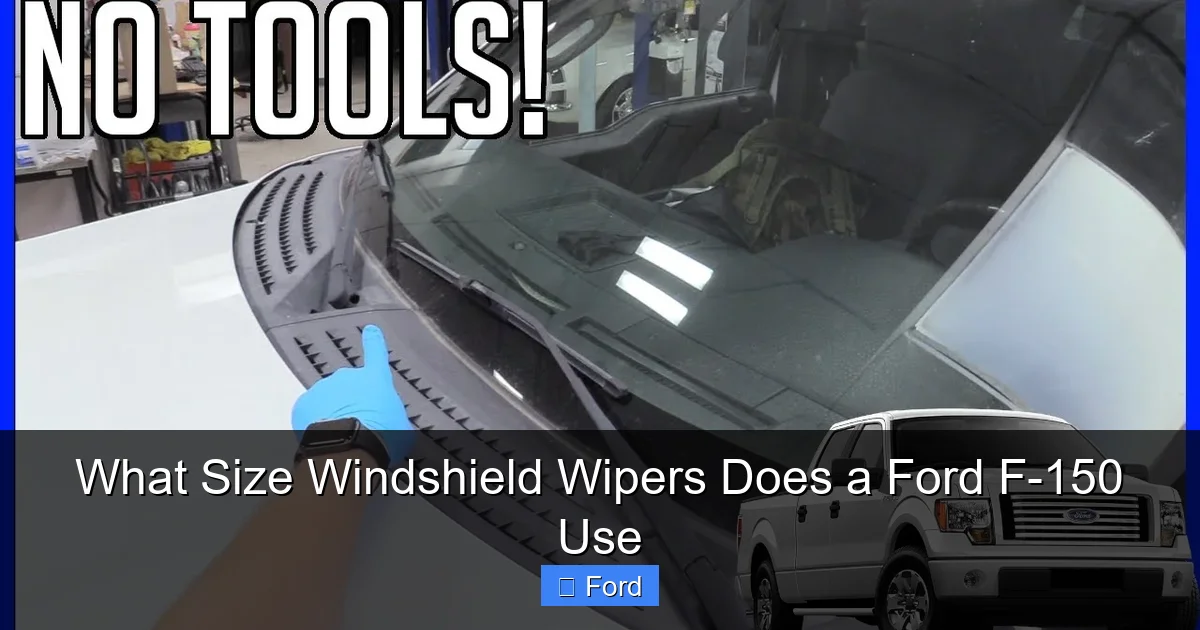
Visual guide about What Size Windshield Wipers Does a Ford F-150 Use
Image source: i.ytimg.com
2021–2024 (14th Generation) Ford F-150
The current generation features a more aerodynamic, truck-like design with a steeply raked windshield. The wiper arms are mounted higher on the cowl.
- Driver Side: 26 inches (66 cm)
- Passenger Side: 18 inches (46 cm)
This asymmetrical setup (26″/18″) is one of the most distinct for the F-150. The short passenger blade clears the area around the A-pillar and mirrors efficiently.
2015–2020 (13th Generation) Ford F-150
This generation introduced the high-strength, military-grade aluminum body. The windshield wiper geometry changed from the previous generation.
- Driver Side: 26 inches (66 cm)
- Passenger Side: 18 inches (46 cm)
Surprisingly, the 13th and 14th generations use the same wiper blade lengths. If you own a 2015-2020, you can use the same blades as a 2021+ model, assuming the connector style matches (most do).
2009–2014 (12th Generation) Ford F-150
The twelfth generation returned to a more traditional, bold truck aesthetic. The windshield is less sloped than the gens that followed, altering the arm sweep.
- Driver Side: 22 inches (56 cm)
- Passenger Side: 20 inches (51 cm)
Notice the lengths are much closer together compared to the newer models. This was a very common size package for many trucks of this era. If you’re looking for best wiper blades for a Ford F-150 from this period, you have a wide selection in these standard lengths.
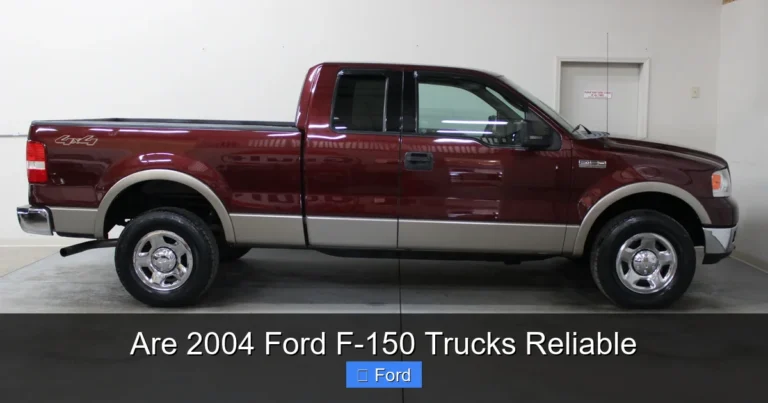
2004–2008 (11th Generation) Ford F-150
The last generation before the major 2009 redesign. These models have a very different under-hood and cowl layout.
- Driver Side: 22 inches (56 cm)
- Passenger Side: 20 inches (51 cm)
Identical to the 2009-2014 sizes. This consistency is helpful for owners of late-2000s F-150s. The connector type on the arms (usually a J-hook) is also often the same across these two generations, making blade swaps straightforward.
1997–2003 (10th Generation) Ford F-150
The iconic “PN96” platform. These older trucks have a distinctly different wiper arm design and mounting.
- Driver Side: 20 inches (51 cm)
- Passenger Side: 20 inches (51 cm)
This is the rare symmetrical setup for the F-150. Both blades are the same length. The connector style on these vintage arms is frequently a straight pin or a different hook style, so when purchasing blades, ensure they come with the correct adapter or are specified for 1997-2003 F-150s.
The Cab Configuration Factor
While the blade lengths above are standard for most trims (XL, XLT, Lariat, etc.), there is a nuance with cab style. For the 2009-2014 and 2015+ models, the wiper arm itself is generally the same across Regular Cab, SuperCab, and SuperCrew. However, the windshield size is identical regardless of cab, so the blade lengths do not change. The only exception would be for extremely rare or commercial specialty configurations. For 99% of F-150 owners, your cab style does not change the wiper blade size. Your engine choice (3.5L EcoBoost, 5.0L V8, etc.) also has zero impact on wiper size.
How to Find the Correct Size Yourself (The 2-Minute Method)
Relying on a chart is great, but what if you’ve modified your truck, have an aftermarket windshield, or simply don’t trust the internet? You can find the perfect size in two minutes with no tools. This method is foolproof because you’re measuring the actual component that matters: the wiper arm’s reach.
Visual guide about What Size Windshield Wipers Does a Ford F-150 Use
Image source: i.ytimg.com
Method 1: The “Lift and Read” Technique (Easiest)
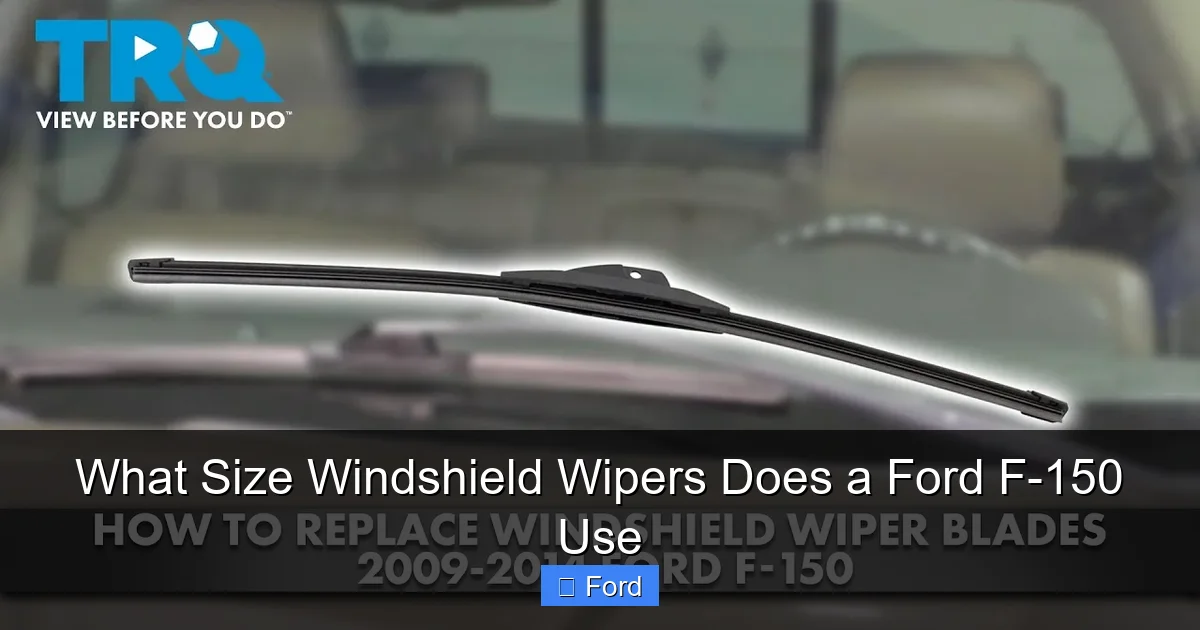
This is the fastest way. Gently lift the driver’s side wiper arm away from the glass until it stands up on its own. Be careful; some arms are spring-loaded and can snap back. On the metal arm itself, usually near the hinge or on the back side, Ford (or the aftermarket arm manufacturer) has stamped or engraved the required blade length. You’ll see something like “22” or “26.” Do the same for the passenger side. That number is the blade length in inches. It’s the most direct source of truth for your specific truck.
Method 2: The “Old Blade Reference” Method
If your current blades are the original, correct size (and not worn down to a nub), simply look at the rubber blade edge. Most blades have the length printed directly on the rubber or the plastic spine. It might say “26” or “22”. If it’s worn off, carefully remove the old blade from the arm (press the tab or unhook the connector). The metal arm itself will often have the size stamped on it, as described in Method 1. If not, you can measure the exposed metal arm from the pivot point to the tip of the hook where the blade attaches. That measurement in inches is your blade size.
Method 3: The “Manual or Sticker” Check
Your Ford F-150 owner’s manual has a specifications section that lists wiper blade sizes. It’s often under “Capacities and Specifications” or “Maintenance.” If you don’t have the manual, check the driver’s side door jamb sticker. Sometimes, maintenance information is listed there, though wiper size is less common than tire or oil info. Your local Ford dealer’s parts department can look up your VIN and tell you the exact factory size in seconds.
Installation: A Simple DIY Job Anyone Can Do
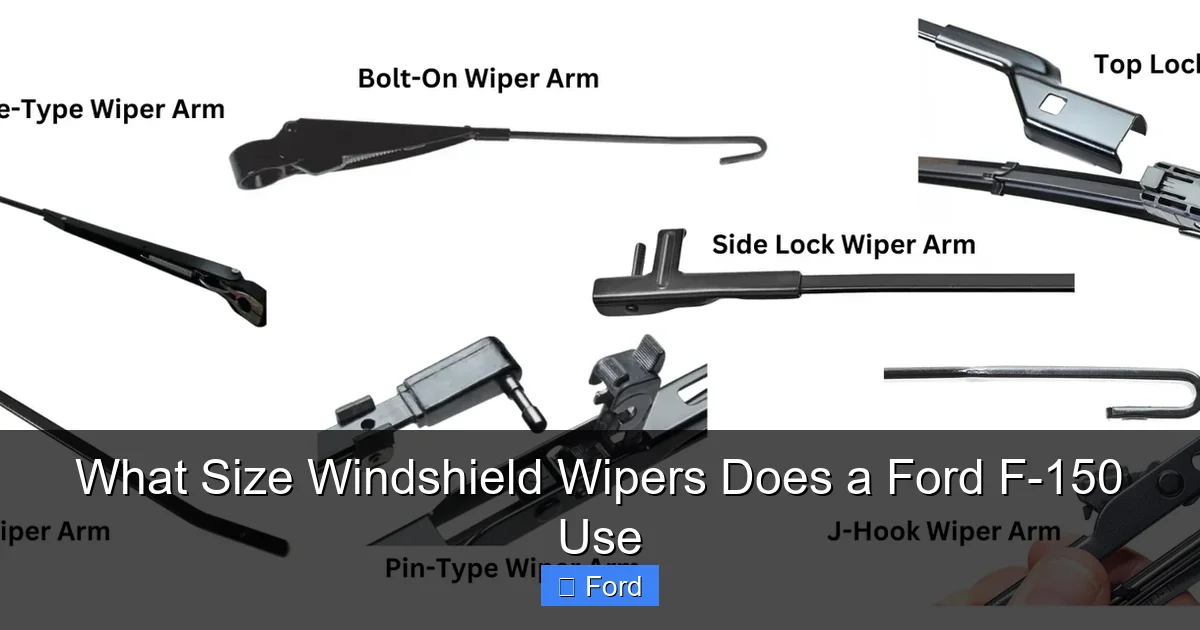
Once you have the correct size—say, a 26″ for the driver and 18″ for the passenger—installation is a five-minute job per side. You don’t need tools. The key is identifying your wiper arm connector type and using the adapter that comes with your new blade.
Visual guide about What Size Windshield Wipers Does a Ford F-150 Use
Image source: askmyauto.com
Step-by-Step Installation Guide
- Lift the wiper arm: Gently pull the arm away from the windshield until it locks in the upright position. This gives you clearance and prevents the arm from hitting the glass.
- Remove the old blade: Look at the connection point. The most common type on F-150s is the J-hook. The blade’s connector has a J-shaped hook that slides over a pin on the arm. To remove, you typically press a small tab or squeeze the connector while pulling it off the arm. Other types include straight pins (where you push a button to release) and bayonet mounts. Consult your new blade’s packaging if unsure.
- Attach the new blade: Ensure you have the correct adapter from the new blade’s package snapped into the blade’s connector. Align the connector with the arm’s pin and push or hook it on until you hear/feel a definitive click. Give it a gentle tug to ensure it’s secure.
- Lower the arm slowly: Gently guide the arm back down to rest on the windshield. Don’t let it snap back.
- Repeat for the other side.
After installing both, test the wipers with a light spray of washer fluid. They should move smoothly, without skipping, binding, or loud noises. If they chatter, it may be because the blades are new and have a manufacturing coating; a few cycles usually clears this. If it persists, double-check the connection and blade length.
Pro-Tip: Replacing Both at Once
Always replace both wiper blades at the same time. They experience identical wear from sun, ozone, and use. A new blade paired with a worn one will lead to uneven wiping and poor performance. It’s a small extra cost for optimal safety and a clear view.
Common Mistakes and How to Avoid Them
Even with the right size, things can go wrong. Here are the most frequent pitfalls F-150 owners encounter.
Mistake 1: Ignoring the Connector Adapter
Most quality aftermarket blades (like Bosch, ANCO, Rain-X) come with a small bag of plastic adapters. You must select the correct one for your wiper arm. For F-150s from 2009 onward, it’s almost always the small, square adapter with a J-hook. For 1997-2003 models, you might need a different pin-style adapter. Using the wrong adapter means the blade won’t fit securely and can fly off while driving.
Mistake 2: Forcing the Fit
If the blade doesn’t click on easily, don’t force it. You likely have the wrong adapter or are trying to install a blade designed for a different arm style. Forcing it can break the arm’s pivot pin or the plastic connector on the blade, rendering both useless.
Mistake 3: Buying Based Only on Length, Not Type
A 26” beam blade (a solid, frameless design) is not the same as a 26” traditional bracket blade with a metal frame. While the length is correct, the mounting points for the adapter can sometimes differ slightly between beam and bracket styles. When in doubt, buy a blade specifically listed for your F-150’s year and model. This is where consulting a best wiper blades for Ford F-150 buying guide can help, as these articles often test and confirm fitment.
Mistake 4: Neglecting the Rear Wiper (If Equipped)
Many F-150 SuperCrew and SuperCab models have a small rear wiper on the tailgate window. This is a completely different size, often around 11” or 12”. Don’t forget this one! It’s easy to overlook but just as important for visibility when reversing or in rain.
Maintenance, Lifespan, and When to Upgrade
Wiper blades are a consumable item, like oil or tires. They degrade due to UV sunlight, ozone, temperature swings, and the grit they scrape off your windshield.
The Annual Rule (At Least)
Plan on replacing your F-150’s wiper blades at least once a year. For many drivers, that means doing it every fall before the rainy/winter season. If you live in an area with intense sun (like Arizona or Florida), the rubber hardens and cracks faster, and you may need to replace them twice a year.
Signs It’s Time for New Blades (Even if the size is right)
- Streaking: The blade leaves a continuous wet line behind.
- Chattering/Skipping: The blade vibrates and makes noise, leaving a pattern of unwiped spots.
- Squeaking: A loud, persistent noise indicates the rubber is hardened and not gliding.
- Visible Damage: Check the rubber edge for cracks, splits, or chunks missing.
- Reduced Performance: You notice you have to use the washer fluid more often to clear light rain.
Simple Maintenance to Extend Life
Clean your wiper blades once a month. Lift the arms and wipe the rubber edge with a cloth dampened with washer fluid or a little rubbing alcohol. This removes built-up grime, road salt, and wax that can inhibit wiping. Also, clean your windshield regularly. A dirty glass accelerates blade wear. During winter, if your truck is parked, lift the wiper arms away from the glass to prevent the blades from freezing to the windshield and tearing when you start the car.
When to Consider an Upgrade
If you’re already buying new blades, consider stepping up. Standard rubber blades are fine for mild climates. For snowy, icy conditions—common for F-150 owners—winter or all-weather wiper blades are worth it. They have a rubber boot that encases the metal frame to prevent ice buildup and are made with tougher, more flexible rubber. Beam blades are also excellent; their frameless design distributes pressure more evenly and is less prone to freezing up. While not directly related to size, choosing the right type of blade for your needs is the second half of the equation after getting the correct length.
Conclusion: Clarity is Just a Blade Away
Your Ford F-150 is built for capability and adventure. Don’t let a simple oversight like an incorrect wiper blade size compromise your safety and that capability. The core message is straightforward: identify your truck’s generation, use the specific lengths provided (26″/18″ for 2015+, 22″/20″ for 2009-2014, 20″/20″ for 1997-2003), or use the quick “lift and read” method on your own wiper arms to be 100% certain. With the right size in hand, a simple, tool-free installation is all that stands between you and a crystal-clear view through any storm. Make checking and replacing your wipers a regular part of your F-150’s maintenance routine, just like checking the oil or tire pressure. A clear windshield isn’t a luxury; it’s a fundamental requirement for safely operating your truck, whether you’re on a crowded highway or a remote backroad. Now you have the knowledge to ensure your view is always perfect.
Frequently Asked Questions
Can I use a different size wiper blade if I can’t find the exact one?
It’s not recommended. Using a significantly longer or shorter blade will cause poor wiping, potential arm damage, and unsafe visibility. Always use the specified size. Minor variations (e.g., a 25.5″ instead of a 26″) from different brands are usually fine, but stay within a half-inch of the recommended length.
Why do my new wiper blades still streak or chatter?
First, confirm they are the correct size and properly connected. New blades can sometimes have a manufacturing residue; wipe the rubber with a cloth and washer fluid. If the problem persists, your windshield may be dirty or pitted. Clean the glass thoroughly. In very cold weather, new blades can be stiff until they warm up.
How often should I replace my F-150’s wiper blades?
At least once a year, preferably before the rainy or winter season. In harsh climates with intense sun or heavy winter use, consider replacing them every six months. Always replace both blades at the same time for even performance.
Do I need special wiper blades for winter or snow?
While standard blades work in light snow, dedicated winter blades are highly recommended for F-150 owners in snowy regions. They have a protective rubber boot that prevents ice from forming between the metal frame joints, keeping the blade flexible and effective. Beam-style blades also perform well in winter as they have no frame to freeze up.
My F-150 has a rear wiper. Does it use the same size as the front?
No. The rear wiper on tailgate-equipped F-150s is a completely different, much smaller size (typically 11″ or 12″). You must buy a specific rear wiper blade for your model year and tailgate configuration. It’s a separate part number.
Can I just replace the rubber refill instead of the whole blade?
Sometimes, but it’s less common now. Some older or specific blade styles allow you to slide out the old rubber insert and slide in a new one. However, most modern beam and bracket blades are designed as a sealed unit. It’s often easier, safer, and more cost-effective to replace the entire blade assembly to ensure proper fit and performance.