What Size Tire Is 275/70r18
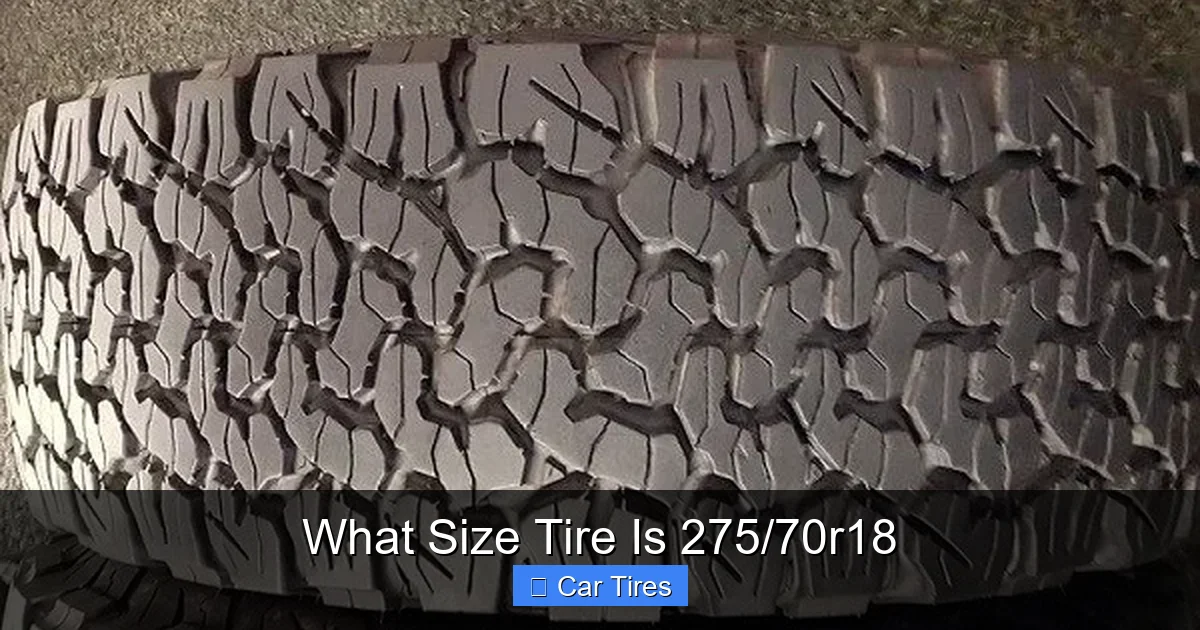
The 275/70R18 tire size is a popular choice for trucks and SUVs, offering a balance of stability, load capacity, and off-road performance. This size features a 275mm tread width, 70% aspect ratio, and fits 18-inch wheels, making it ideal for both daily driving and rugged terrain.
In This Article
- 1 Key Takeaways
- 2 📑 Table of Contents
- 3 Understanding the 275/70R18 Tire Size: A Complete Guide
- 4 Breaking Down the 275/70R18 Tire Code
- 5 Calculating the Overall Diameter and Circumference
- 6 Vehicles That Use 275/70R18 Tires
- 7 Performance Benefits of 275/70R18 Tires
- 8 Choosing the Right 275/70R18 Tire for Your Needs
- 9 Installation, Maintenance, and Replacement Tips
- 10 Conclusion: Is 275/70R18 Right for You?
- 11 Frequently Asked Questions
Key Takeaways
- 275/70R18 Breakdown: The number 275 is the tread width in millimeters, 70 is the aspect ratio (sidewall height as a percentage of width), R means radial construction, and 18 is the wheel diameter in inches.
- Overall Diameter: A 275/70R18 tire has an approximate overall diameter of 33.2 inches, making it taller than standard passenger tires and great for ground clearance.
- Common Vehicle Fit: This size is commonly found on full-size trucks like the Ford F-150, Chevrolet Silverado, Ram 1500, and SUVs such as the Toyota 4Runner and Jeep Grand Cherokee.
- Load and Speed Ratings: Most 275/70R18 tires have a load index of 125 (3,640 lbs per tire) and speed rating of S (112 mph) or T (118 mph), suitable for heavy-duty use.
- Off-Road and All-Terrain Use: This size is popular for all-terrain and mud-terrain tires due to its large footprint and sidewall strength, enhancing traction on loose surfaces.
- Fuel Efficiency and Ride Comfort: While slightly heavier than smaller tires, modern 275/70R18 designs balance fuel economy with a smooth, quiet ride thanks to advanced tread compounds.
- Replacement and Upgrades: When replacing, ensure proper load rating and speed index; upgrading from smaller sizes may require suspension or fender modifications.
📑 Table of Contents
- Understanding the 275/70R18 Tire Size: A Complete Guide
- Breaking Down the 275/70R18 Tire Code
- Calculating the Overall Diameter and Circumference
- Vehicles That Use 275/70R18 Tires
- Performance Benefits of 275/70R18 Tires
- Choosing the Right 275/70R18 Tire for Your Needs
- Installation, Maintenance, and Replacement Tips
- Conclusion: Is 275/70R18 Right for You?
Understanding the 275/70R18 Tire Size: A Complete Guide
If you’ve ever looked at the side of your truck or SUV tire and seen “275/70R18” stamped in small print, you might have wondered what it all means. You’re not alone. Tire sizing can look like a secret code, but once you break it down, it becomes clear and incredibly useful. Whether you’re shopping for new tires, upgrading your ride, or just curious about what’s rolling beneath your vehicle, understanding the 275/70R18 tire size is a smart move.
This tire size is one of the most popular choices for modern full-size trucks and large SUVs. It strikes a great balance between performance, comfort, and capability. From daily commutes to weekend off-roading, the 275/70R18 delivers confidence on the road. But what exactly does each number and letter represent? And why do so many drivers choose this size? In this guide, we’ll decode the 275/70R18 tire size, explain its real-world benefits, and help you decide if it’s the right fit for your vehicle.
Breaking Down the 275/70R18 Tire Code
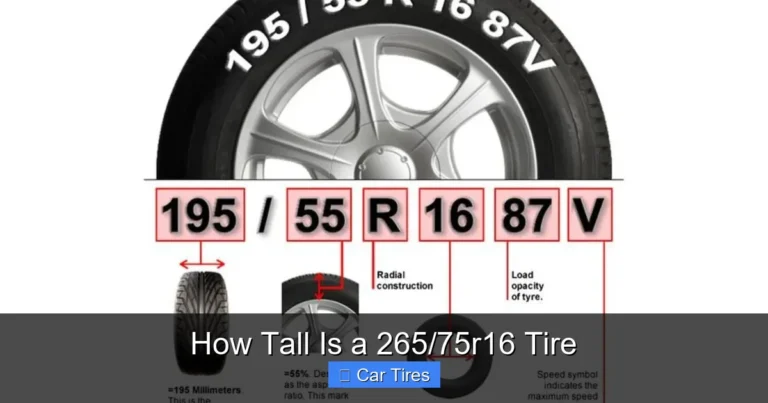
Let’s start with the basics. The code “275/70R18” may look confusing at first, but it’s actually a standardized way of describing key tire dimensions. Each part of the code gives you important information about the tire’s size and construction. Here’s a simple breakdown:
275 – Tread Width in Millimeters
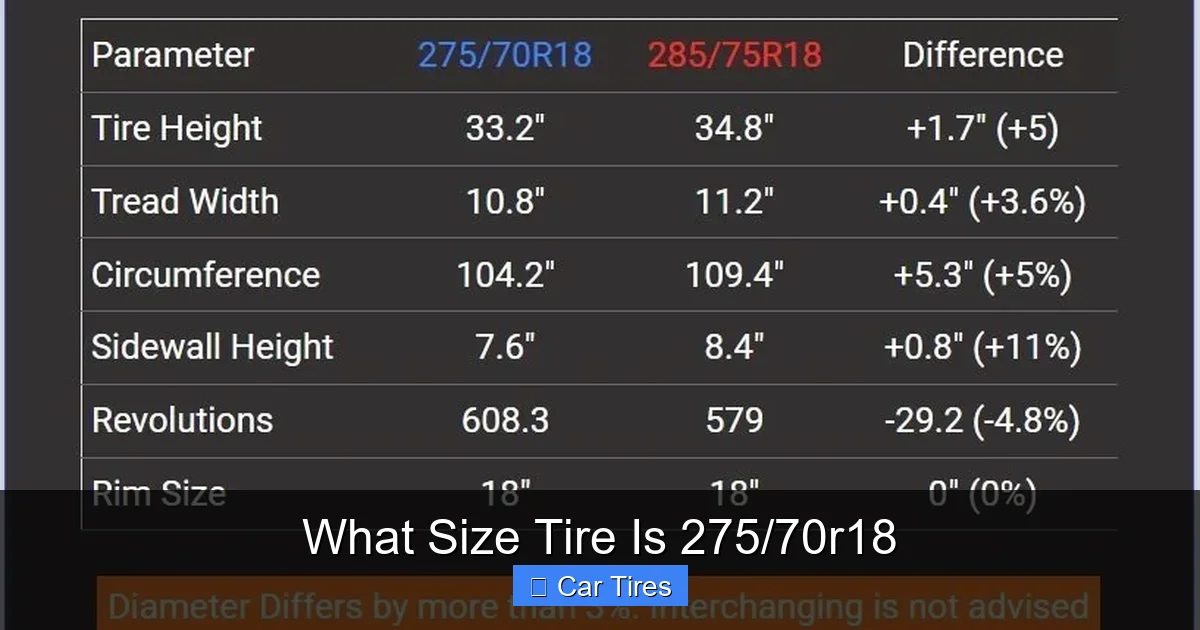
The first number, 275, refers to the tire’s tread width. This is the measurement from one sidewall to the other, measured in millimeters. So, a 275 tire is 275 millimeters wide at its widest point. To put that in perspective, that’s about 10.8 inches. A wider tread means more contact with the road, which can improve traction, especially on loose or uneven surfaces like gravel, sand, or mud.
Visual guide about What Size Tire Is 275/70r18
Image source: tireblogger.com
70 – Aspect Ratio (Sidewall Height)
The second number, 70, is the aspect ratio. This tells you how tall the tire’s sidewall is, expressed as a percentage of the tread width. In this case, 70 means the sidewall height is 70% of 275 millimeters. So, 70% of 275 is 192.5 millimeters. That’s roughly 7.6 inches from the wheel rim to the tread. A higher aspect ratio (like 70) means a taller sidewall, which can absorb more shock and provide a smoother ride over bumps and potholes.
R – Radial Construction
The letter “R” stands for radial construction. This is the most common type of tire build today. Radial tires have layers of fabric and steel that run perpendicular to the direction of travel, which improves durability, fuel efficiency, and heat dissipation. Almost all modern passenger and light truck tires are radials, so this isn’t something you need to worry about changing—just know it’s the standard.
18 – Wheel Diameter in Inches
The final number, 18, is the diameter of the wheel (or rim) that the tire is designed to fit. This is measured in inches. So, a 275/70R18 tire is made to mount on an 18-inch wheel. This size is common on trucks and SUVs that use larger wheels for better handling and a more aggressive look.
Putting It All Together
So, a 275/70R18 tire is 275 millimeters wide, has a sidewall that’s 70% of that width (about 192.5 mm), is built with radial construction, and fits an 18-inch wheel. When you combine these dimensions, you get a tire that’s both wide and tall—perfect for vehicles that need stability, load capacity, and ground clearance.
Calculating the Overall Diameter and Circumference
Now that you know what each number means, let’s figure out the full size of the tire. This is important because the overall diameter affects how your vehicle performs—especially your speedometer accuracy, gearing, and clearance under the fenders.
Step-by-Step Diameter Calculation
To find the overall diameter of a 275/70R18 tire, you need to calculate the height of both sidewalls and add the wheel diameter. Here’s how:
Visual guide about What Size Tire Is 275/70r18
Image source: tireblogger.com
- Sidewall height = 70% of 275 mm = 0.70 × 275 = 192.5 mm
- Convert millimeters to inches: 192.5 mm ÷ 25.4 ≈ 7.58 inches
- Total sidewall height (top and bottom) = 7.58 × 2 = 15.16 inches
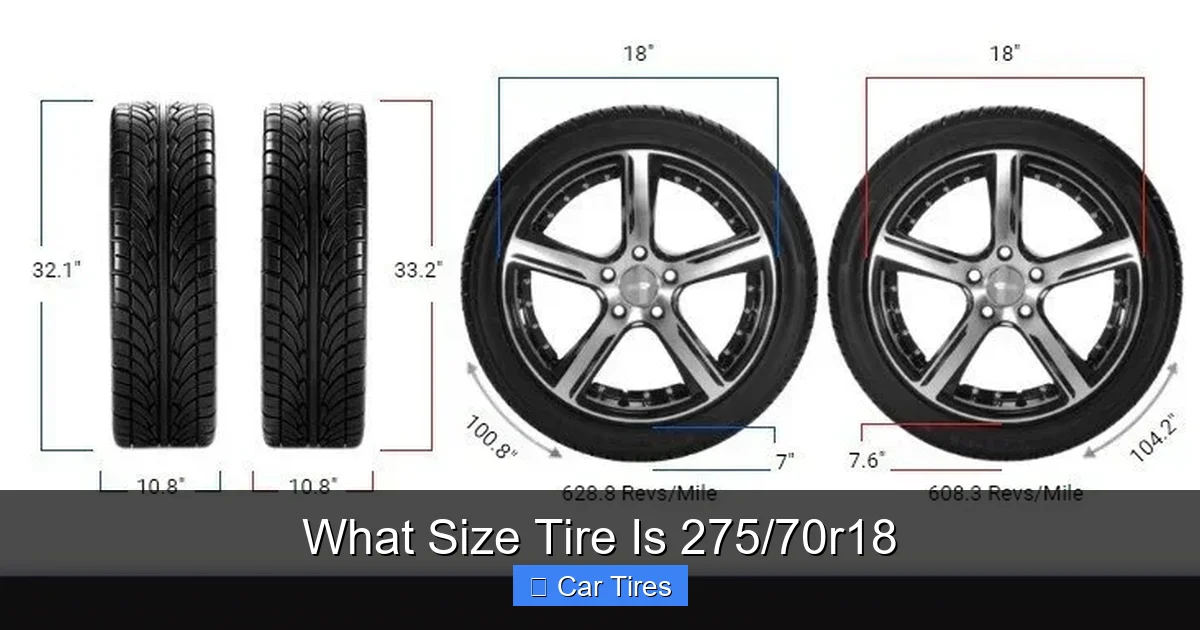
- Add wheel diameter: 15.16 + 18 = 33.16 inches
So, the overall diameter of a 275/70R18 tire is approximately 33.2 inches. That’s a big tire—taller than many standard passenger car tires, which often range from 24 to 28 inches.
Why Diameter Matters
A 33.2-inch diameter gives your vehicle more ground clearance, which is great for off-roading or driving over rough terrain. It also means the tire covers more distance per rotation, which can affect your speedometer. If you swap from a smaller tire to a 275/70R18 without recalibrating your speedometer, it may read slower than your actual speed. For example, if your speedometer says 60 mph, you might actually be going closer to 62 mph. This is something to keep in mind if you’re upgrading tire sizes.
Circumference and Revolutions Per Mile
The circumference of the tire is the distance it travels in one full rotation. For a 275/70R18, the circumference is roughly 104.3 inches (or about 8.7 feet). This means the tire rotates about 610 times per mile. This number is useful for mechanics and tuners who adjust gear ratios or calibrate speed sensors. For everyday drivers, it’s just good to know that larger tires like the 275/70R18 cover more ground with each spin, which can improve highway efficiency—up to a point.
Vehicles That Use 275/70R18 Tires
The 275/70R18 tire size is a favorite among truck and SUV owners for good reason. It’s versatile, durable, and fits a wide range of popular models. Let’s look at some of the most common vehicles that come equipped with or can be upgraded to this size.
Full-Size Trucks
Many full-size pickup trucks use the 275/70R18 size, especially in higher trims or off-road packages. Here are a few examples:
Visual guide about What Size Tire Is 275/70r18
Image source: tireblogger.com
- Ford F-150: The F-150 often comes with 275/70R18 tires on models like the Lariat, King Ranch, and especially the FX4 off-road package. These tires provide excellent traction and a commanding view of the road.
- Chevrolet Silverado 1500: The Silverado frequently uses this size on LTZ and High Country trims. It’s also common on Z71 off-road versions, where the larger tire helps with rock crawling and trail driving.
- Ram 1500: The Ram 1500, particularly the Rebel and Laramie models, often rolls on 275/70R18 tires. The size complements the truck’s smooth ride and rugged capability.
- GMC Sierra 1500: Similar to the Silverado, the Sierra uses this size on premium and off-road trims, offering a blend of comfort and performance.
Large SUVs
SUVs that prioritize space, towing, and off-road ability also benefit from the 275/70R18 size. Some top examples include:
- Toyota 4Runner: The 4Runner is a legendary off-roader, and many models—especially the TRD Pro and Limited—come with 275/70R18 tires. The size gives it the clearance and grip needed for trails and mountain roads.
- Jeep Grand Cherokee: While many Grand Cherokees use smaller tires, the Trailhawk and Overland trims often feature 275/70R18 all-terrain tires for enhanced off-road performance.
- Nissan Armada: This full-size SUV uses the 275/70R18 size on higher trims, providing a smooth ride and strong towing capacity.
- Ford Expedition: The Expedition, especially in Platinum and Limited trims, often comes with this tire size for a balanced mix of comfort and capability.
Aftermarket and Custom Builds
Even if your vehicle didn’t come with 275/70R18 tires from the factory, many owners upgrade to this size for better performance. For example, a stock Ford F-150 might come with 275/65R18 tires (slightly shorter), but swapping to 275/70R18 gives you more sidewall and ground clearance. Just make sure your suspension and fender wells can accommodate the larger diameter. Some modifications, like a leveling kit or lift, may be needed to avoid rubbing.
Performance Benefits of 275/70R18 Tires
So, why do so many drivers choose the 275/70R18 tire size? It’s not just about looks—though the aggressive stance doesn’t hurt. This size offers real performance advantages that make it a top pick for both daily driving and adventure.
Enhanced Traction and Stability
The wide 275-millimeter tread provides a large contact patch with the road. This means better grip during acceleration, braking, and cornering. Whether you’re towing a trailer, hauling gear, or driving on wet pavement, the extra width helps keep your vehicle stable. On loose surfaces like gravel, sand, or snow, the wide footprint spreads the weight more evenly, reducing the chance of sinking or slipping.
Improved Off-Road Capability
The tall sidewall (about 7.6 inches) acts like a built-in shock absorber. When you hit a rock, pothole, or tree root, the flexible sidewall compresses, protecting your wheels and giving you a smoother ride. This is especially valuable on trails where sharp impacts are common. Plus, the larger diameter (33.2 inches) gives you more ground clearance, helping you clear obstacles without scraping the undercarriage.
Load-Carrying Capacity
Most 275/70R18 tires have a load index of 125, which means each tire can support up to 3,640 pounds. That’s a total of 14,560 pounds for all four tires—more than enough for a fully loaded truck or SUV. This makes the size ideal for towing boats, RVs, or heavy cargo. If you frequently carry heavy loads, this tire size gives you the confidence that your vehicle can handle it safely.
Ride Comfort and Noise
Thanks to the tall sidewall, 275/70R18 tires absorb road imperfections better than low-profile tires. You’ll notice fewer bumps and vibrations, especially on rough highways or rural roads. Modern tire designs also use advanced rubber compounds and tread patterns to reduce road noise, so you get a quiet, comfortable ride—even with large, aggressive tires.
Fuel Efficiency Considerations
Larger tires are heavier and have more rolling resistance, which can slightly reduce fuel economy. However, many 275/70R18 tires are engineered with fuel-saving technologies, like low-rolling-resistance compounds and optimized tread designs. While you might see a small drop in miles per gallon compared to smaller tires, the difference is often minimal—especially if you maintain proper tire pressure and avoid aggressive driving.
Choosing the Right 275/70R18 Tire for Your Needs
Not all 275/70R18 tires are created equal. Depending on how you use your vehicle, you’ll want to choose a tire that matches your driving style and conditions. Here are the main types to consider.
All-Terrain Tires
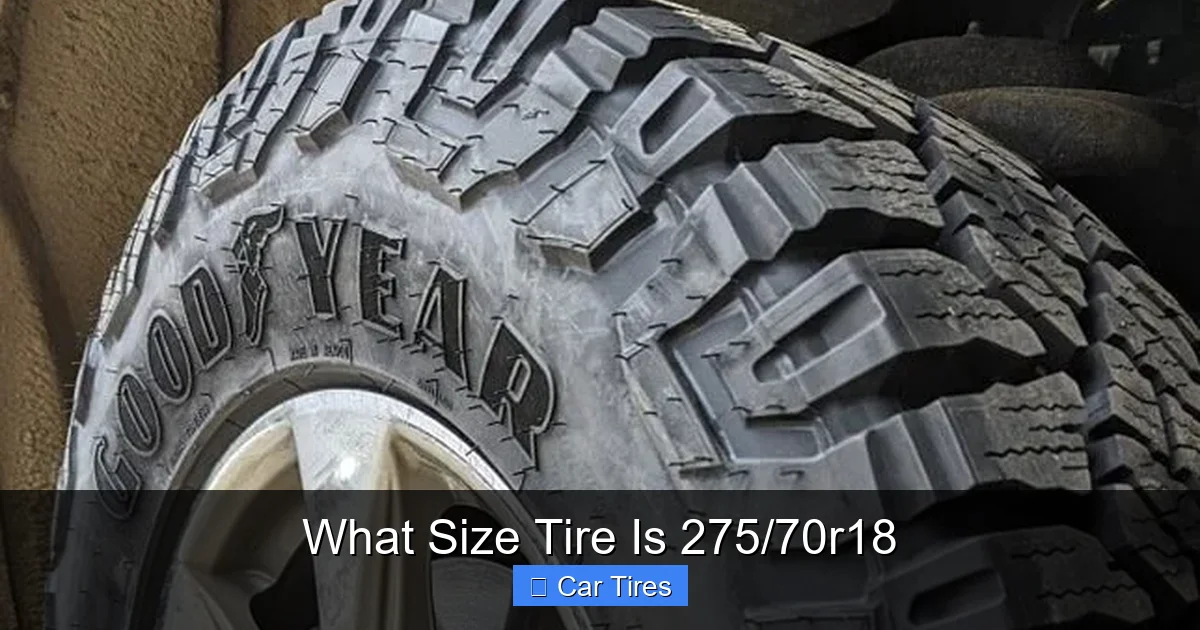
All-terrain tires are the most popular choice for 275/70R18. They offer a great balance of on-road comfort and off-road capability. Brands like BFGoodrich All-Terrain T/A KO2, Goodyear Wrangler Duratrac, and Cooper Discoverer AT3 are top picks. These tires have aggressive tread patterns for traction in mud, snow, and gravel, but they’re still quiet and smooth on pavement. If you drive mostly on roads but want the option to explore trails, all-terrain is the way to go.
Mud-Terrain Tires
If you’re serious about off-roading, mud-terrain tires like the Nitto Trail Grappler or Mickey Thompson Baja Boss are worth considering. They have deep, chunky lugs that excel in mud, rocks, and sand. However, they can be louder on the highway and may wear faster on pavement. These are best for drivers who spend a lot of time off the beaten path.
Highway Tires (Touring)
For drivers who prioritize comfort, quiet, and fuel efficiency, highway or touring tires are a smart choice. These tires have smoother tread patterns and softer rubber compounds. They’re great for long commutes, family trips, and towing on paved roads. Examples include the Michelin Defender LTX and Bridgestone Dueler H/L Alenza. While they won’t perform as well off-road, they offer excellent longevity and ride quality.
Winter and Snow Tires
If you live in a cold climate with heavy snow, consider winter-specific 275/70R18 tires. These have specialized tread designs and rubber that stays flexible in freezing temperatures. Look for the Three-Peak Mountain Snowflake symbol, which indicates they meet severe snow service standards. Brands like Nokian Hakkapeliitta and Bridgestone Blizzak offer top-tier winter performance.
Load Range and Ply Rating
Pay attention to the load range (often listed as SL, XL, or E). SL (Standard Load) is fine for most drivers, but if you tow or haul frequently, choose XL (Extra Load) or Load Range E for added strength. These tires have stronger sidewalls and can handle higher pressures, which is important for heavy loads.
Installation, Maintenance, and Replacement Tips
Once you’ve chosen the right 275/70R18 tire, proper installation and maintenance are key to getting the most out of them.
Professional Installation
Always have your tires installed by a professional. They’ll mount, balance, and align the tires correctly, which ensures even wear and a smooth ride. They’ll also check for clearance issues and make sure your speedometer is accurate. If you’re upgrading from a smaller tire, they may recommend a recalibration.
Regular Maintenance
To maximize tire life and performance, follow these tips:
- Check tire pressure monthly: Underinflated tires wear faster and reduce fuel economy. Use the pressure listed on the driver’s door jamb—not the max pressure on the tire sidewall.
- Rotate tires every 5,000 to 7,000 miles: This promotes even wear, especially on front-wheel-drive or 4WD vehicles.
- Inspect for damage: Look for cuts, bulges, or uneven wear. These can indicate alignment issues or suspension problems.
- Align wheels annually: Proper alignment prevents cupping, feathering, and other wear patterns.
- Balance tires when needed: Vibrations at high speeds often mean the tires need rebalancing.
When to Replace
Most 275/70R18 tires last between 40,000 and 70,000 miles, depending on driving habits and conditions. Check the tread depth regularly—when it reaches 4/32 of an inch, it’s time to start shopping. Also, replace tires if they’re more than 6 years old, even if the tread looks good. Rubber degrades over time, which can lead to blowouts.
Conclusion: Is 275/70R18 Right for You?
The 275/70R18 tire size is a powerhouse option for drivers who want performance, durability, and versatility. Whether you’re navigating city streets, hauling gear, or exploring backcountry trails, this size delivers confidence and capability. Its wide tread, tall sidewall, and 18-inch fit make it a favorite among truck and SUV owners.
From understanding the tire code to choosing the right type for your needs, this guide has covered everything you need to know. Remember to consider your driving habits, vehicle compatibility, and maintenance routine when making your decision. With the right 275/70R18 tires, you’ll enjoy a smoother, safer, and more capable ride—no matter where the road takes you.
Frequently Asked Questions
What does 275/70R18 mean?
The 275/70R18 tire size means the tire is 275 millimeters wide, has a sidewall height that’s 70% of the width, uses radial construction, and fits an 18-inch wheel. This size is common on trucks and SUVs.
What is the overall diameter of a 275/70R18 tire?
The overall diameter of a 275/70R18 tire is approximately 33.2 inches. This gives the vehicle more ground clearance and a taller stance compared to smaller tires.
Can I put 275/70R18 tires on my truck if it came with smaller tires?
Yes, but you may need to check for clearance issues. If your truck has a suspension lift or leveling kit, it’s more likely to fit. Always consult a professional to avoid rubbing or speedometer errors.
Are 275/70R18 tires good for off-roading?
Yes, especially when paired with all-terrain or mud-terrain treads. The wide footprint and tall sidewall provide excellent traction and shock absorption on rough terrain.
How much weight can a 275/70R18 tire carry?
Most 275/70R18 tires have a load index of 125, meaning each tire can support up to 3,640 pounds. This makes them ideal for towing and heavy loads.
Do 275/70R18 tires affect fuel economy?
They can slightly reduce fuel economy due to increased weight and rolling resistance, but modern designs minimize this impact. Proper inflation and driving habits help maintain efficiency.