
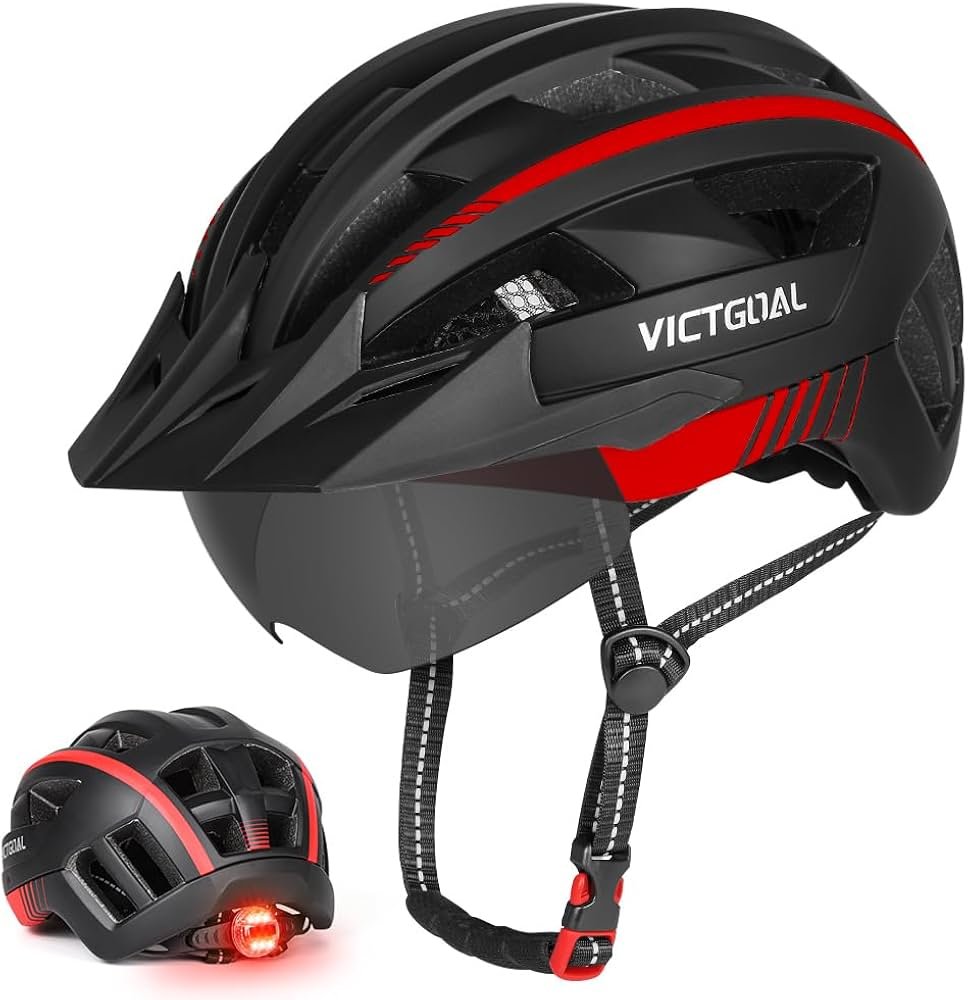
What Size Road Bike Helmet Do I Need: Fit Guide

Contents
- 1 Why helmet size matters
- 2 How to measure your head (quick, accurate steps)
- 3 Helmet size charts and brand variations
- 4 Common fit problems and practical fixes
- 5 Kids, women, and special sizing considerations
- 6 Materials, retention systems, and safety standards
- 7 Buying, trying, and final checks
- 8 Personal tips, mistakes I’ve made, and lessons learned
- 9 Frequently Asked Questions of what size road bike helmet do i need
- 10 Conclusion

Portable Work Light
Waterless Car Wash Spray
Car Phone Holder

Car Floor Mats (Universal)
Most riders need a helmet that matches their head circumference and fits snugly without pressure points.
Choosing what size road bike helmet do i need can feel confusing, but I’ll walk you through clear, tested steps to find the right fit. I have years of cycling and bike-fitting experience, and I’ve tested many helmets on long rides, climbs, and fast descents. This guide breaks down measurements, size charts, fit systems, sizing for kids and women, common mistakes, and real-world tips so you can buy with confidence and ride safer.

Why helmet size matters
A correctly sized helmet protects your head and stays put in a crash. A too-large helmet can slip and fail to protect; a too-small one will press and distract you. When people ask what size road bike helmet do i need, the core answer is a helmet sized to your head circumference and shaped to your skull.
How a helmet fits affects comfort and safety. Poor fit can reduce protection and make you avoid wearing it. Investing five minutes to measure correctly pays off every ride.
How to measure your head (quick, accurate steps)
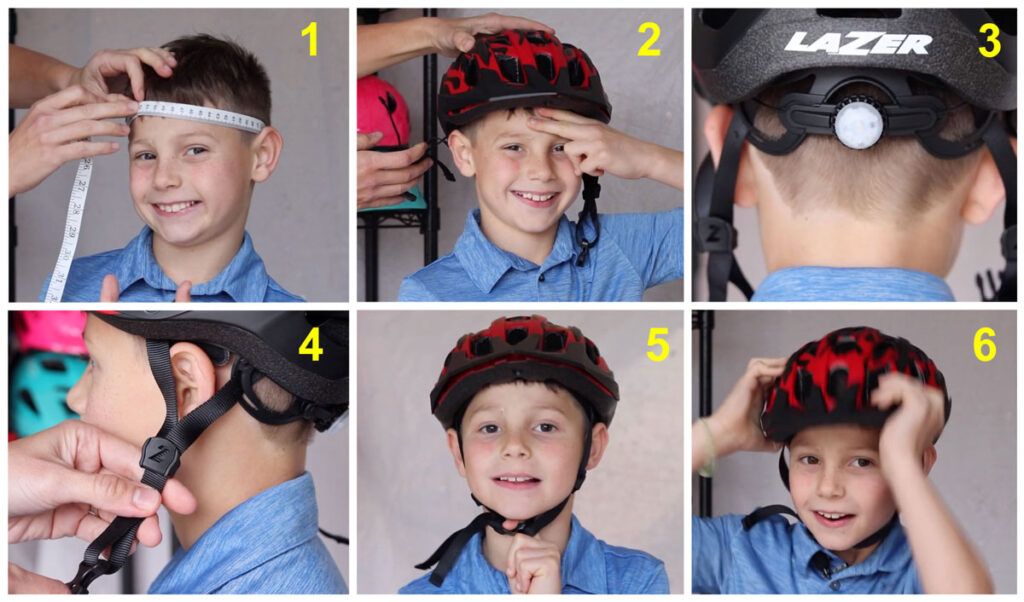
Follow these simple steps to find your head size for a road helmet.
- Use a soft tape measure or a string and ruler.
- Measure just above your eyebrows and ears, around the largest part of your skull.
- Keep the tape level and snug, not tight. Record the number in centimeters.
- If measurement sits between two sizes, lean to the larger size for comfort, or try both.
If you prefer, measure in inches and convert by multiplying by 2.54. Many brands list sizes in centimeters. Once you know your number, you can answer what size road bike helmet do i need for each brand or model.
PAA-style questions
How tight should the tape be when measuring?
The tape should be snug but not compressing the skin. It should sit level around the brow and above the ears.
What if my head shape is oval or round?
Measure as usual. Try helmets with different internal shapes; some fit oval heads better, others fit round heads better.
Can hair change my measurement?
Thick hair can add a small amount. Measure with your typical cycling hair style and account for about 1 centimeter if needed.

Helmet size charts and brand variations
Helmet sizes are not universal. Each brand uses its own shell shapes and padding layouts. To find what size road bike helmet do i need across brands, use this approach:
- Compare your head circumference to brand size charts.
- Check shell shape descriptions: round fit or intermediate oval.
- Read user feedback about fit for that model.
- Try in-store when possible, since two helmets with the same size label can fit differently.
My experience: one brand’s medium fits like another brand’s large. Always confirm with a try-on or clear return policy.

Common fit problems and practical fixes
Many fit problems are easy to fix once you know the cause.
- Helmet slips back: tighten or adjust the rear retention system and move straps up under the ears.
- Pressure points: change or add thin padding, or try a different model with a different shell shape.
- Helmet tilts forward: adjust the rear cradle or loosen the chin strap until the helmet sits level.
- Noise or wind buffeting: check vent alignment and chin strap snugness.
If you still wonder what size road bike helmet do i need after adjustments, try the helmet on for 10 minutes in-store or outdoors to feel real-world comfort.
Kids, women, and special sizing considerations
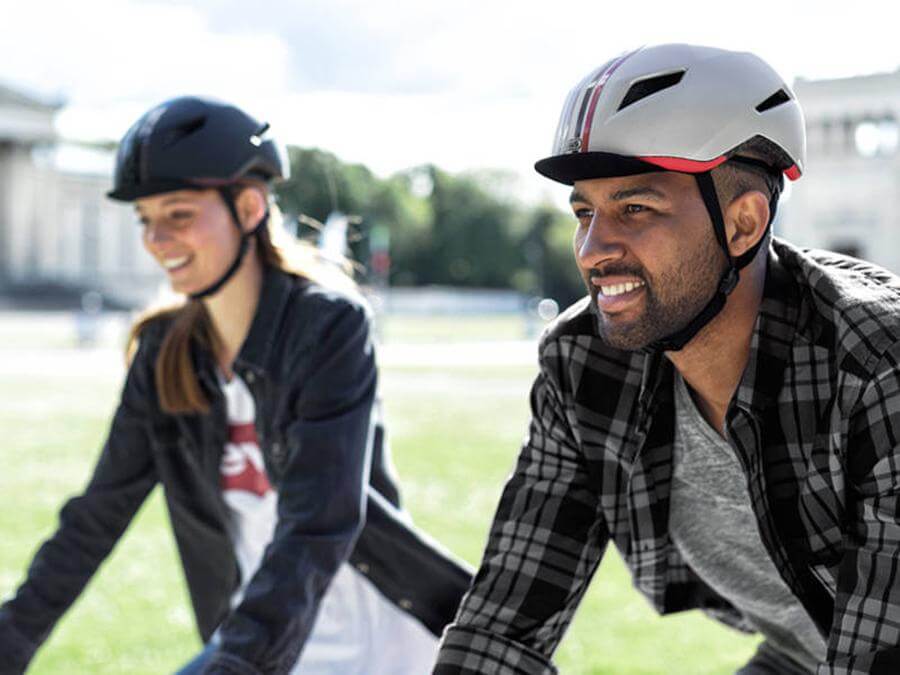
Sizing for kids and women follows the same rules but with extra checks.
- Kids: measure head often, as growth can be fast. Choose an adjustable retention system and replace after a crash.
- Women: hair styles and ponytails can affect fit. Many helmets accept low ponytails or have specific designs for women.
- Older adults: look for lighter helmets and simple adjustment systems.
When thinking what size road bike helmet do i need for a child, use current measurements, not age. Always replace helmets after a significant impact even if they look fine.
Materials, retention systems, and safety standards
Understanding construction helps you pick a size that works with safety tech.
- Shell and EPS or multi-density foam absorb impact. Fit must keep foam close to skull.
- Retention systems cradle the back of the head for stability. Try helmets with micro-adjusters.
- MIPS and similar systems add rotational protection. They add little to sizing but can change how the helmet feels.
Helmets must meet safety standards. A correct fit is essential to meet those protective goals. When choosing what size road bike helmet do i need, ensure the model you select complies with local safety norms.

Buying, trying, and final checks
A good buying routine makes choosing easy.
- Measure your head first and consult brand charts.
- Try on in person when possible; wear glasses and your usual cap or hair style.
- Check these fit tests:
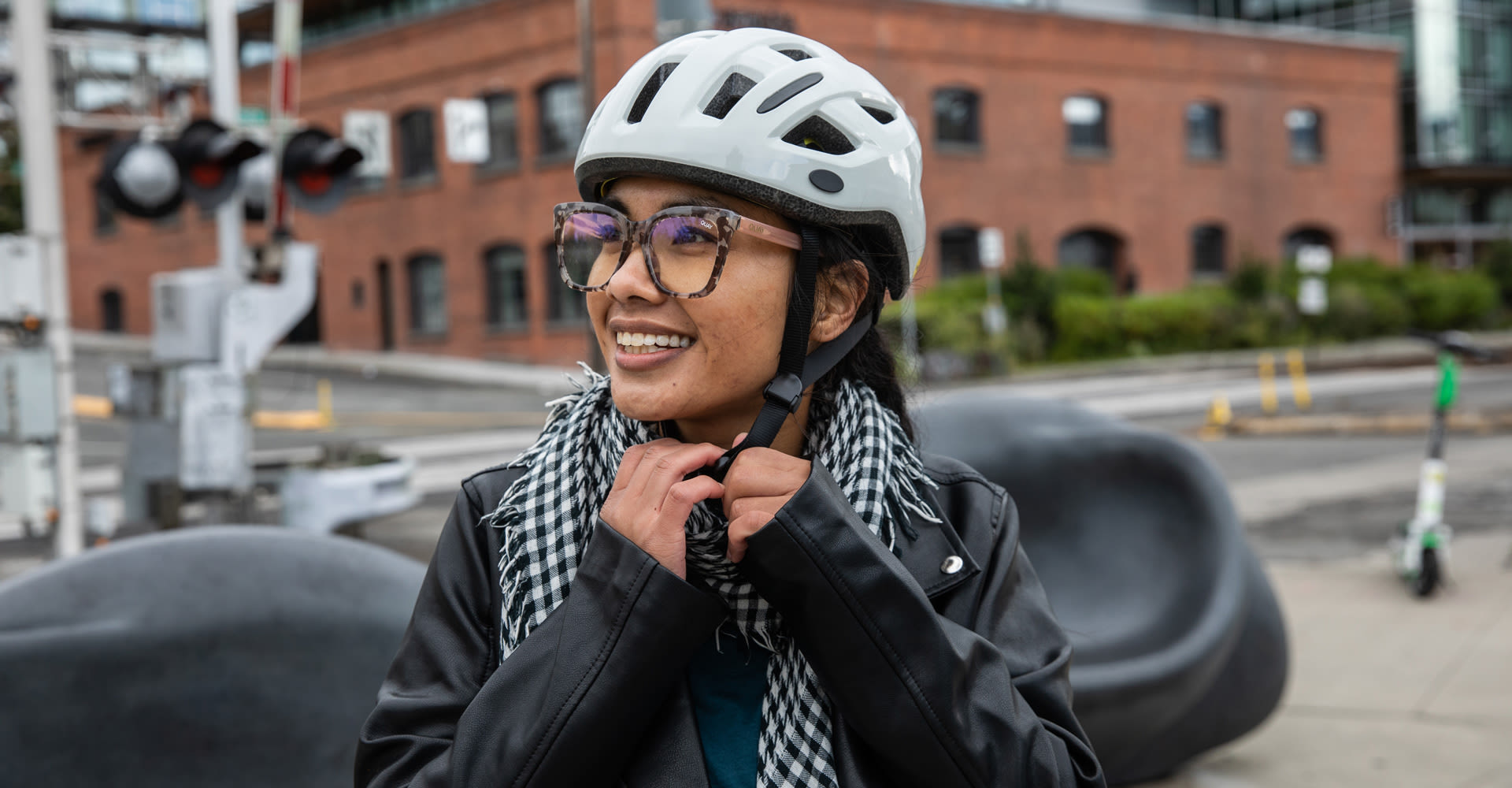
- Helmet sits level, covering the forehead.
- Two-finger space above brows.
- Side straps form a V under each ear.
- Chin strap snug with one or two fingers under the buckle.
- With retention tightened, the helmet moves but does not slide off.
- Ride test for 15–30 minutes to check comfort and hotspots.
If you still ask yourself what size road bike helmet do i need after a try-on, ask store staff for cross-model suggestions or order two sizes with a return plan.

Personal tips, mistakes I’ve made, and lessons learned
I’ve tried helmets that looked great but did not fit my skull. Here are practical lessons from my rides.
- Lesson 1: Don’t trust size labels alone. I once ordered a medium that felt like a small.
- Lesson 2: Test the helmet on a long ride. Short checks missed a pressure point that showed up after 30 minutes.
- Lesson 3: Keep small spare pads. They saved me from returning a nearly perfect helmet.
- Tip: Take a photo of how straps sit under your ears. It helps when comparing models later.
These small steps saved time and money and kept me comfortable on long rides.
Frequently Asked Questions of what size road bike helmet do i need
How do I measure my head for a road bike helmet?
Wrap a tape measure around the largest part of your head, above the eyebrows and ears. Record the number in centimeters and check brand size charts.
What if I fall between two helmet sizes?
Try both sizes if possible. Typically choose the larger size for comfort or use thinner padding to tighten a larger shell.
Can I size a helmet by my hat size?
Hat sizes can help but are not reliable. Always measure head circumference as the primary method.
How tight should a road helmet feel?
It should be snug but not painful. The helmet should not move more than an inch front to back or side to side when tightened.
When should I replace my road bike helmet?
Replace after any moderate or severe impact and every 3 to 5 years depending on wear and exposure. Foam degrades, which reduces protection.
Do different brands fit differently?
Yes. Shell shapes and padding make a big difference, so fit checks are important across brands.
Conclusion
Finding the right helmet is both simple and vital: measure your head, consult charts, try models, and test on a short ride. Knowing what size road bike helmet do i need protects you and makes riding more fun. Use the measurement steps, the fit checks, and the real-world tips above to pick a helmet you will wear every time.
Take action today: measure your head, try two helmets, and leave a comment about what worked for you or which model you’re considering.


