
What Problems Do 2015 Toyota Rav4 Models Have?

The 2015 Toyota RAV4 is a reliable compact SUV, but it’s not without its flaws. Common issues include transmission hesitation, excessive oil consumption, brake noise, and electrical glitches. Knowing these problems can help you maintain your vehicle and avoid costly repairs down the road.
If you’re considering buying a used 2015 Toyota RAV4 or already own one, you’re likely drawn to its reputation for reliability, fuel efficiency, and practicality. As one of the best-selling compact SUVs of its time, the 2015 RAV4 offers a comfortable ride, generous cargo space, and Toyota’s trusted build quality. But like any vehicle, it’s not perfect. While many owners enjoy years of trouble-free driving, others have encountered recurring mechanical and electrical issues that can affect performance, safety, and long-term satisfaction.
Understanding the common problems associated with the 2015 Toyota RAV4 can save you time, money, and frustration. Whether you’re shopping for a used model or maintaining your current one, being aware of these issues helps you make informed decisions. Some problems are minor and easily fixed, while others may require more extensive repairs or even dealership intervention. In this guide, we’ll break down the most frequently reported issues, explain what causes them, and offer practical tips to prevent or address them.
Key Takeaways
- Transmission hesitation and jerking: Many owners report rough shifting, especially during acceleration, often linked to software or valve body issues.
- Excessive oil consumption: Some 2015 RAV4 models burn oil faster than expected, potentially due to piston ring design flaws.
- Brake squealing and premature wear: Front brake pads and rotors may wear out quickly, with some owners experiencing noise within the first 20,000 miles.
- Electrical and infotainment glitches: The Entune system may freeze, reboot, or lose connectivity, affecting navigation and audio functions.
- Excessive wind noise at highway speeds: Poor door sealing and window alignment contribute to noticeable cabin noise.
- Suspension and steering complaints: Some drivers report clunking noises or loose steering, often tied to worn suspension components.
- Air conditioning performance issues: Weak cooling or inconsistent airflow may stem from refrigerant leaks or compressor problems.
📑 Table of Contents
- Transmission Problems: Hesitation, Jerking, and Rough Shifting
- Excessive Oil Consumption: When Your Engine Burns More Than It Should
- Brake Noise and Premature Wear: Squealing Pads and Worn Rotors
- Electrical and Infotainment Glitches: When Technology Fails
- Excessive Wind Noise and Poor Cabin Insulation
- Suspension and Steering Complaints: Clunks and Loose Handling
- Air Conditioning Performance Issues: Weak Cooling and Inconsistent Airflow
Transmission Problems: Hesitation, Jerking, and Rough Shifting
One of the most commonly reported issues with the 2015 Toyota RAV4 involves the automatic transmission. Many owners describe experiencing hesitation during acceleration, especially when merging onto highways or passing other vehicles. Instead of a smooth power delivery, the vehicle may feel like it’s “hunting” for the right gear or momentarily losing power before surging forward.
This behavior is often described as jerking or lurching, particularly in stop-and-go traffic. Some drivers report that the transmission feels unresponsive when shifting from park to drive, or that it slips momentarily under light throttle. These symptoms can be unsettling and may raise concerns about safety, especially in busy driving conditions.
What Causes Transmission Issues?
The root cause of these problems is typically linked to the six-speed automatic transmission used in the 2015 RAV4. While Toyota’s transmissions are generally reliable, this particular unit has shown vulnerabilities in the valve body and transmission control module (TCM). The valve body directs fluid pressure to engage the correct gears, and if it becomes clogged or worn, shifting can become erratic.
Additionally, software glitches in the TCM can cause the transmission to miscalculate shift points. Toyota has issued several Technical Service Bulletins (TSBs) addressing these concerns, and in some cases, a simple software update can resolve the issue. However, if the valve body is damaged, a more costly repair or replacement may be necessary.
How to Address Transmission Problems
If you notice hesitation or jerking, the first step is to visit a Toyota dealership or trusted mechanic. They can scan the vehicle for diagnostic trouble codes and check for any available software updates. Many owners have reported significant improvement after a TCM reprogramming.
Regular maintenance is also key. Ensure your transmission fluid is changed according to the manufacturer’s recommendations—typically every 60,000 to 100,000 miles. Using the correct type of fluid (Toyota ATF WS) is critical, as using the wrong fluid can damage internal components.
If the problem persists, consider having the valve body inspected. While this is a more involved repair, catching it early can prevent further damage to the transmission. In rare cases, a full transmission rebuild or replacement may be required, but this is uncommon if the issue is addressed promptly.
Excessive Oil Consumption: When Your Engine Burns More Than It Should
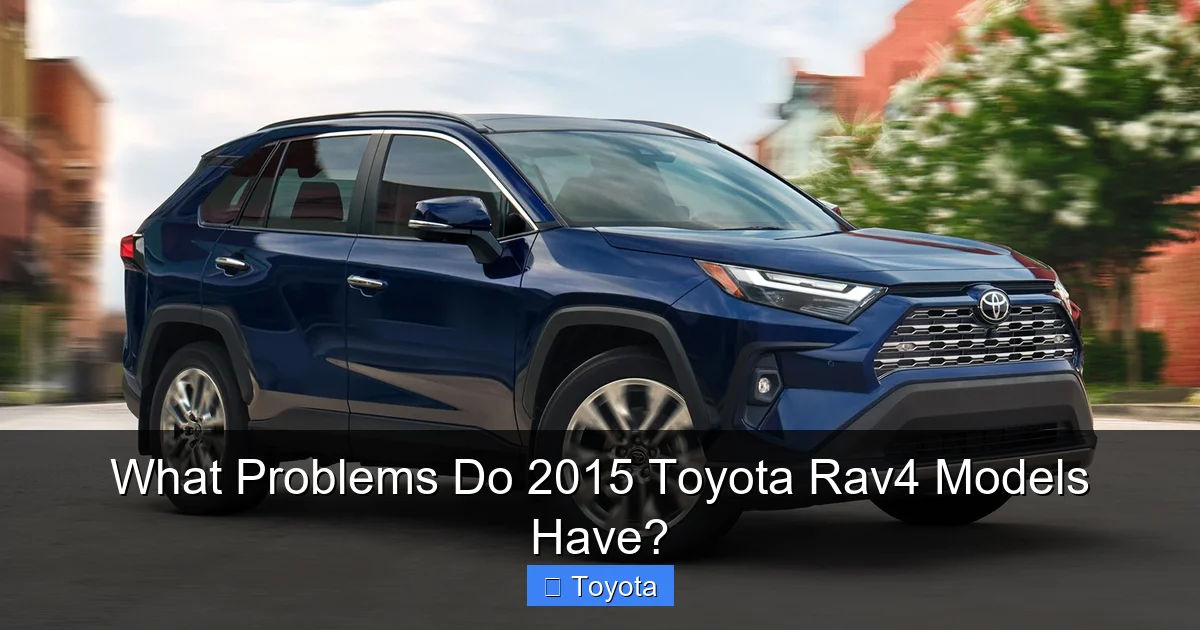
Visual guide about What Problems Do 2015 Toyota Rav4 Models Have?
Image source: motortrend.com
Another widespread concern among 2015 RAV4 owners is excessive oil consumption. Some drivers report needing to top off their oil every 1,000 to 2,000 miles, even with regular maintenance and no visible leaks. This isn’t just an inconvenience—it can lead to low oil levels, reduced engine lubrication, and potential engine damage if left unchecked.
Toyota has acknowledged oil consumption issues in several of its four-cylinder engines, including the 2.5L inline-four used in the 2015 RAV4. While some oil burn is normal in high-mileage engines, burning more than one quart per 1,000 miles is considered excessive and may indicate a design flaw.
Why Does the 2015 RAV4 Burn Oil?
The primary culprit is believed to be the piston ring design. In some engines, the piston rings don’t seal properly against the cylinder walls, allowing oil to seep into the combustion chamber and burn off during operation. This is often referred to as “oil burning” and is more common in direct-injection engines like the one in the RAV4.
Factors such as driving habits, climate, and maintenance can influence oil consumption. Short trips, frequent idling, and extreme temperatures may exacerbate the issue. However, even well-maintained vehicles have been affected, suggesting a manufacturing or design limitation.
What You Can Do About Oil Consumption
The first step is to monitor your oil level regularly. Check it every time you fill up with gas using the dipstick. If you notice a consistent drop in oil level between changes, document it and bring it to your mechanic’s attention.
Toyota has extended the warranty on affected engines in some regions, covering repairs related to excessive oil consumption. If your vehicle is still under warranty or falls within the extended coverage period, you may be eligible for a free repair, which could include replacing the piston rings or even the entire engine block.
Even if your warranty has expired, it’s worth contacting a Toyota dealership to see if they’ll offer goodwill assistance. Some service managers have been known to help loyal customers, especially if the issue is well-documented.
To minimize oil burn, use high-quality synthetic oil and change it on schedule. Avoid short trips when possible, and let the engine warm up fully before driving aggressively. While these steps won’t eliminate the problem entirely, they can help reduce the rate of consumption.
Brake Noise and Premature Wear: Squealing Pads and Worn Rotors
Visual guide about What Problems Do 2015 Toyota Rav4 Models Have?
Image source: i.ytimg.com
Brake issues are another common complaint among 2015 RAV4 owners. Many report hearing squealing, grinding, or clicking noises from the front brakes, often within the first 20,000 to 30,000 miles. In some cases, the brake pads wear down faster than expected, requiring replacement well before the typical 50,000-mile lifespan.
These problems can compromise braking performance and safety, especially in emergency situations. Squealing is often a warning sign that the brake pads are worn down to their wear indicators, but in the RAV4, it can occur even with plenty of pad life remaining.
Common Causes of Brake Problems
One frequent cause is the use of low-quality or overly aggressive brake pad material. Some OEM (original equipment manufacturer) pads on the 2015 RAV4 are known to be noisy and wear quickly, especially in stop-and-go city driving. Additionally, the brake calipers may not retract properly, causing the pads to remain in light contact with the rotors and leading to premature wear.
Another factor is rotor warping. If the rotors become uneven due to heat stress or improper installation, they can cause vibration, noise, and uneven pad wear. This is often mistaken for a suspension issue but is actually a brake-related problem.
How to Fix and Prevent Brake Issues
If you’re experiencing brake noise or rapid wear, have your brakes inspected by a professional. They can measure pad thickness, check rotor condition, and assess caliper function. In many cases, replacing the OEM pads with higher-quality aftermarket ones—such as ceramic or semi-metallic pads—can significantly reduce noise and extend life.
Ensure that the brake hardware (clips, shims, and springs) is properly installed and lubricated. Poorly fitted components can cause vibration and noise. If the rotors are warped or deeply scored, they may need to be resurfaced or replaced.
Regular maintenance is key. Have your brakes checked during every oil change, especially if you drive in heavy traffic or mountainous areas. Avoid riding the brake pedal, as this generates excess heat and accelerates wear.
Electrical and Infotainment Glitches: When Technology Fails
Visual guide about What Problems Do 2015 Toyota Rav4 Models Have?
Image source: cdn.motor1.com
The 2015 RAV4 comes equipped with Toyota’s Entune infotainment system, which includes Bluetooth, navigation, and smartphone integration. While these features add convenience, many owners report frustrating electrical glitches that disrupt daily use.
Common issues include the touchscreen freezing, the system rebooting unexpectedly, or losing connection to paired devices. Some drivers find that the navigation system fails to load or provides incorrect directions. In colder weather, the screen may become unresponsive until it warms up.
Why Do Electrical Problems Occur?
These glitches are often tied to software bugs or hardware limitations in the Entune system. The 2015 model year uses an older version of the software, which may not be fully compatible with newer smartphones or operating systems. Over time, memory corruption or corrupted system files can cause the unit to malfunction.
Additionally, the touchscreen itself may develop dead zones or become less sensitive, especially if it’s exposed to extreme temperatures or physical damage. Loose wiring or poor grounding can also contribute to intermittent electrical issues.
How to Resolve Infotainment Problems
Start by checking for software updates. Toyota periodically releases updates to improve system stability and compatibility. Visit a dealership or check Toyota’s website to see if an update is available for your vehicle.
If the system freezes frequently, try performing a hard reset. This usually involves holding down the power button or disconnecting the battery for a few minutes. While this won’t fix underlying hardware issues, it can clear temporary glitches.
For persistent problems, consider having the head unit inspected. In some cases, the entire infotainment system may need to be replaced, especially if the screen is damaged or the internal components are failing. Third-party upgrades are also an option, though they may void certain warranties or affect resale value.
Excessive Wind Noise and Poor Cabin Insulation
Many 2015 RAV4 owners complain about excessive wind noise at highway speeds. Drivers report a noticeable whistling or howling sound coming from the front doors, especially around 65 mph and above. This not only reduces driving comfort but can also make conversations and music difficult to hear.
What Causes Wind Noise?
The primary cause is inadequate door sealing and window alignment. Over time, door seals can degrade or become misaligned, allowing air to leak into the cabin. Additionally, the side windows may not sit flush with the door frame, creating gaps that amplify wind noise.
Some owners have also noted that the side mirrors generate turbulence, contributing to the overall noise level. While this is common in many SUVs, the 2015 RAV4 seems particularly prone to it.
How to Reduce Wind Noise
Start by inspecting the door seals for cracks, tears, or compression. Replace any damaged seals with OEM or high-quality aftermarket parts. You can also apply a silicone-based lubricant to keep the seals flexible and improve their seal.
Check the window alignment. If the windows don’t close tightly, they may need adjustment. A mechanic or dealership can realign the window regulators and tracks to ensure a proper fit.
For a quick fix, some owners install aftermarket window visors or wind deflectors. These can help redirect airflow and reduce noise, though they may affect the vehicle’s appearance.
Suspension and Steering Complaints: Clunks and Loose Handling
A smaller but still notable group of 2015 RAV4 owners report issues with the suspension and steering systems. Common complaints include clunking noises when going over bumps, a loose or vague steering feel, and uneven tire wear.
Common Suspension and Steering Issues
These problems are often linked to worn suspension components such as struts, control arms, or sway bar links. Over time, these parts can degrade, especially in vehicles driven on rough roads or in harsh climates. When they wear out, they can cause noise, poor handling, and reduced ride quality.
The power steering system may also develop issues. Some owners report a stiff or jerky steering response, particularly at low speeds. This could be due to a failing power steering pump or electrical issues in the electric power steering (EPS) system.
How to Maintain Suspension and Steering
Regular inspections are essential. Have your suspension and steering components checked during routine maintenance, especially if you notice noise or handling changes. Replace worn parts promptly to avoid further damage.
Keep tires properly inflated and aligned. Misaligned wheels can cause uneven wear and affect steering precision. Rotate your tires every 5,000 to 7,500 miles to promote even wear.
If you experience steering stiffness, have the power steering system inspected. For vehicles with electric power steering, the issue may be electronic rather than hydraulic, requiring a diagnostic scan.
Air Conditioning Performance Issues: Weak Cooling and Inconsistent Airflow
Finally, some 2015 RAV4 owners report problems with the air conditioning system. Common issues include weak cooling, inconsistent airflow, or the AC turning off unexpectedly. In hot weather, these problems can make driving uncomfortable and even unsafe.
Causes of AC Problems
Refrigerant leaks are a frequent cause of weak cooling. Over time, seals and hoses can degrade, allowing refrigerant to escape. Low refrigerant levels reduce the system’s ability to cool the air.
The AC compressor may also fail, especially in high-mileage vehicles. A failing compressor can cause the system to cycle on and off or stop working altogether. Electrical issues, such as a faulty relay or sensor, can also disrupt AC operation.
How to Fix AC Issues
Start by having the system checked for leaks and refrigerant levels. A professional can use UV dye or electronic detectors to locate leaks and recharge the system if needed.
If the compressor is failing, it may need to be replaced. This is a more expensive repair, but it’s often necessary to restore full cooling performance. Regular maintenance, such as replacing the cabin air filter, can also improve airflow and efficiency.
In conclusion, while the 2015 Toyota RAV4 is a solid and reliable SUV, it’s not immune to problems. By staying informed and proactive with maintenance, you can enjoy many more years of dependable service from your vehicle.
Frequently Asked Questions
Is the 2015 Toyota RAV4 reliable?
The 2015 Toyota RAV4 is generally reliable, but it has some known issues like transmission hesitation and oil consumption. With proper maintenance, many owners report trouble-free driving for over 150,000 miles.
How much does it cost to fix transmission issues in a 2015 RAV4?
Transmission software updates are often free at dealerships. If the valve body or transmission needs repair, costs can range from $1,500 to $3,500, depending on the extent of the damage.
Does Toyota cover oil consumption repairs under warranty?
Toyota has extended warranties for excessive oil consumption in some regions. Check with your dealership to see if your vehicle qualifies for free repairs, even if the original warranty has expired.
Why is my 2015 RAV4 so noisy on the highway?
Excessive wind noise is often due to worn door seals or misaligned windows. Inspecting and replacing seals or adjusting window alignment can significantly reduce noise.
Can I upgrade the infotainment system in my 2015 RAV4?
Yes, you can upgrade to a modern aftermarket system with Apple CarPlay and Android Auto. However, this may void certain warranties and affect resale value.
How often should I change the oil in my 2015 RAV4?
Toyota recommends oil changes every 5,000 to 10,000 miles, depending on driving conditions. Use synthetic oil and check levels regularly, especially if you notice high consumption.
