What Is Wrong with Freddy Dodge?

Contents
- 1 Key Takeaways
- 2 📑 Table of Contents
- 3 Who Is Freddy Dodge?
- 4 Why Is There Controversy Around Freddy Dodge’s Automotive Advice?
- 5 Lack of Formal Automotive Credentials
- 6 Overemphasis on Quick Fixes and DIY Hacks
- 7 Commercial Conflicts of Interest
- 8 Criticism from Industry Experts
- 9 The Role of Media and Public Perception
- 10 Conclusion: Separating Fact from Fiction
- 11 Frequently Asked Questions

Magnetic Car Phone Mount

Car GPS Navigator

Car Door Edge Guard

Car Ambient Light Kit
Freddy Dodge, known for his role on “Gold Rush,” has faced criticism for promoting questionable automotive and mechanical advice. While popular, some of his tips lack proper safety standards or technical accuracy, raising concerns among mechanics and car enthusiasts.
Key Takeaways
- Misleading Automotive Advice: Freddy Dodge has shared DIY car repair tips that may not meet professional safety or engineering standards.
- Lack of Formal Certification: Despite his on-screen expertise, Dodge does not hold widely recognized automotive certifications like ASE.
- Overemphasis on Speed Over Safety: His approach often prioritizes quick fixes over long-term reliability, which can be risky for inexperienced DIYers.
- Commercial Conflicts of Interest: Many of his recommendations align with products he endorses, raising questions about objectivity.
- Criticism from Industry Experts: Professional mechanics and engineers have publicly challenged the validity of some of his methods.
- Popularity vs. Accuracy: His fame from reality TV doesn’t equate to technical credibility in the automotive field.
- Need for Critical Evaluation: Viewers should verify his advice with certified professionals before applying it to their vehicles.
📑 Table of Contents
- Who Is Freddy Dodge?
- Why Is There Controversy Around Freddy Dodge’s Automotive Advice?
- Lack of Formal Automotive Credentials
- Overemphasis on Quick Fixes and DIY Hacks
- Commercial Conflicts of Interest
- Criticism from Industry Experts
- The Role of Media and Public Perception
- Conclusion: Separating Fact from Fiction
Who Is Freddy Dodge?
Freddy Dodge is a name that’s become synonymous with gold mining, thanks to his long-running role on the popular Discovery Channel show *Gold Rush*. As a mining consultant and equipment specialist, he’s helped teams optimize their operations, troubleshoot machinery, and increase their gold yields. His rugged appearance, no-nonsense attitude, and hands-on approach have made him a fan favorite. But beyond the world of placer mining, Freddy has also ventured into the automotive space—offering tips, tricks, and DIY solutions for vehicle maintenance and repair.
While his expertise in heavy equipment used in mining is well-documented, his foray into general automotive advice has sparked debate. Freddy often shares maintenance hacks, fuel-saving tips, and quick fixes for common car problems—usually delivered in a confident, down-to-earth tone. He’s appeared in YouTube videos, social media posts, and even product promotions where he demonstrates how to “fix” cars with minimal tools and time. On the surface, it sounds helpful. But dig a little deeper, and you’ll find that not everyone in the automotive community is convinced.
Why Is There Controversy Around Freddy Dodge’s Automotive Advice?
Visual guide about What Is Wrong with Freddy Dodge?
Image source: aitechtonic.com
The core of the controversy lies in the gap between perception and reality. Freddy Dodge is seen as an expert because of his TV presence and real-world experience with heavy machinery. But when he starts giving advice on everyday passenger vehicles—cars, trucks, SUVs—many of his recommendations don’t align with standard automotive best practices. The problem isn’t just that he’s wrong sometimes; it’s that his advice can be misleading, incomplete, or even dangerous if followed without proper context.
One major issue is the lack of formal automotive training. While Freddy has decades of hands-on experience with mining equipment—excavators, bulldozers, wash plants—this doesn’t automatically translate to expertise in consumer vehicles. Modern cars are complex systems involving advanced electronics, emissions controls, and safety features. What works for a diesel-powered excavator may not apply to a hybrid sedan. Yet, Freddy often presents his tips as universal solutions, which can confuse viewers who don’t know the difference.
Another concern is the speed at which he delivers fixes. On TV and social media, time is limited, so Freddy tends to skip over important steps—like safety checks, torque specifications, or diagnostic procedures. He might show how to “quickly” replace a serpentine belt or clean a fuel injector, but he rarely mentions the risks of improper installation or the need for specialized tools. For someone watching at home, it can seem like a simple job, when in reality, it could lead to engine damage or personal injury.
Lack of Formal Automotive Credentials
Visual guide about What Is Wrong with Freddy Dodge?
Image source: houseandwhips.com
One of the most common criticisms of Freddy Dodge is his lack of formal automotive certifications. In the professional automotive world, credibility is built on recognized qualifications—like ASE (Automotive Service Excellence) certification, manufacturer-specific training, or degrees in automotive technology. These credentials ensure that technicians understand not just how to fix a car, but why certain procedures are necessary.
Freddy Dodge does not hold any widely recognized automotive certifications. His background is primarily in mining and heavy equipment operation, not passenger vehicle repair. While hands-on experience is valuable, it doesn’t replace structured training in areas like engine diagnostics, electrical systems, or emissions control. For example, diagnosing a check engine light requires understanding OBD-II codes, sensor functionality, and manufacturer-specific protocols—things that aren’t typically covered in mining equipment maintenance.
This lack of formal training becomes apparent when he gives advice that contradicts standard procedures. For instance, he’s been seen recommending the use of additives or homemade solutions to “clean” fuel systems or improve engine performance. While some additives can be helpful in specific cases, using them incorrectly can damage fuel injectors, oxygen sensors, or catalytic converters. Professional mechanics rely on manufacturer guidelines and diagnostic tools to determine the right approach—something Freddy often skips in favor of a “try it and see” method.
Overemphasis on Quick Fixes and DIY Hacks
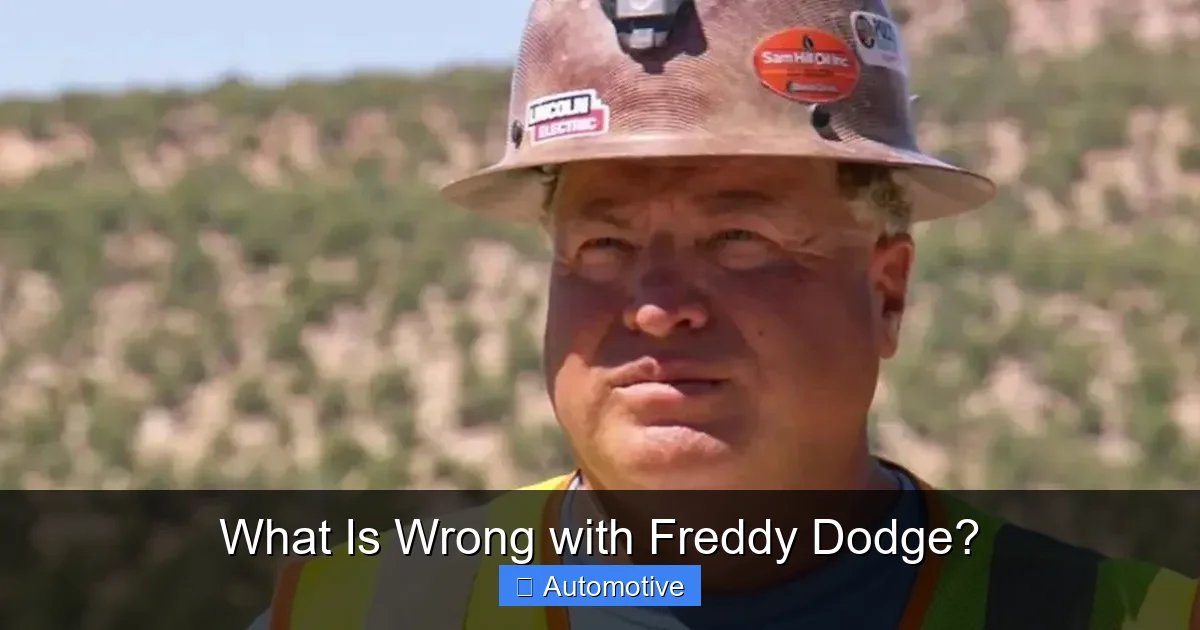
Visual guide about What Is Wrong with Freddy Dodge?
Image source: media.distractify.com
Freddy Dodge’s style is all about getting things done fast. On *Gold Rush*, time is money—every hour a machine is down means lost gold. This mindset carries over into his automotive advice, where he often promotes quick fixes and DIY hacks that prioritize speed over thoroughness. While this approach works in emergency mining situations, it’s not always suitable for everyday car maintenance.
For example, Freddy has demonstrated how to “recharge” a dead battery using a jump starter and then immediately driving off—without mentioning the importance of checking the alternator or battery health. A jump start can get you moving, but if the underlying issue isn’t addressed, the car may die again. Similarly, he’s shown how to clean a dirty air filter with compressed air and reuse it, rather than replacing it. While this might work temporarily, a clogged or damaged filter can reduce engine efficiency and increase fuel consumption over time.
These shortcuts might save time in the short term, but they can lead to bigger problems down the road. Modern vehicles are designed with precision tolerances and require specific maintenance intervals. Skipping steps or using improvised methods can void warranties, cause premature wear, or even create safety hazards. For instance, improperly torquing lug nuts after a tire change—something Freddy has been seen doing without a torque wrench—can lead to wheel detachment while driving.
The Danger of “Good Enough” Repairs
The “good enough” mentality is a recurring theme in Freddy’s approach. He often emphasizes getting a vehicle running again, even if it’s not fixed correctly. This might be acceptable in a remote mining camp where a truck just needs to haul equipment for a few more days. But for a family car used daily on highways, “good enough” isn’t safe enough.
Consider brake repairs. Freddy has shown how to replace brake pads using basic tools and minimal preparation. While changing pads is a common DIY task, it requires proper bed-in procedures, checking rotor condition, and ensuring the caliper slides are lubricated. Skipping these steps can lead to uneven wear, reduced braking performance, or even brake failure. Yet, in his videos, these details are often glossed over or omitted entirely.
Another example is his approach to engine oil changes. Freddy has demonstrated how to change oil quickly, sometimes without mentioning the importance of using the correct oil grade, replacing the oil filter, or properly disposing of used oil. Using the wrong oil viscosity can affect engine lubrication, especially in extreme temperatures. And failing to replace the filter can lead to sludge buildup and reduced engine life.
Commercial Conflicts of Interest
Another layer to the controversy is Freddy Dodge’s involvement in product endorsements and commercial ventures. He has promoted a range of automotive-related products—from fuel additives and engine cleaners to tools and accessories—often through his social media channels and YouTube videos. While there’s nothing inherently wrong with endorsing products, the issue arises when his recommendations appear to be driven more by sponsorship than by technical merit.
For instance, Freddy has frequently recommended a specific brand of fuel injector cleaner, claiming it can restore lost power and improve fuel economy. However, independent tests have shown that many such additives have minimal impact on modern fuel systems, especially when used preventively. In some cases, they can even cause harm if used excessively or in vehicles with sensitive components.
Similarly, he’s endorsed portable jump starters, air compressors, and tool kits—often with his name or branding attached. While these products may be useful, the way they’re presented can blur the line between genuine advice and paid promotion. Viewers may not realize that Freddy benefits financially from these endorsements, which can influence his recommendations.
This creates a conflict of interest. When a mechanic recommends a product, it’s usually based on experience and performance. But when a TV personality promotes a product they’re paid to endorse, the motivation may be more about marketing than mechanics. As a result, viewers may end up buying products they don’t need or using them in ways that aren’t effective—or safe.
The Problem with “As Seen on TV” Mechanics
Freddy Dodge is part of a broader trend of “as seen on TV” mechanics—personalities who gain fame through reality shows and then leverage that fame to sell advice, products, or services. While some of these individuals have legitimate expertise, others rely more on personality than technical knowledge. The danger is that viewers, especially those with limited automotive experience, may take their word as gospel.
This is particularly problematic when the advice involves safety-critical systems like brakes, steering, or airbags. A wrong move in these areas can have serious consequences. Yet, Freddy often presents complex repairs as simple, do-it-yourself tasks—without emphasizing the risks or the need for professional help when in doubt.
For example, he’s shown how to “fix” a rough idle by cleaning the throttle body with a spray cleaner. While this can help in some cases, it doesn’t address underlying issues like vacuum leaks, faulty sensors, or fuel system problems. And if the cleaner is used improperly, it can damage electronic components or leave residues that affect performance.
Criticism from Industry Experts
Freddy Dodge’s automotive advice hasn’t gone unnoticed by professionals in the field. Many certified mechanics, engineers, and automotive educators have publicly criticized his methods, pointing out inaccuracies, oversimplifications, and potential dangers.
One common critique is that Freddy often skips diagnostic steps. In professional repair shops, the first step in fixing a problem is identifying the root cause. This involves using scan tools, performing visual inspections, and testing components. Freddy, however, tends to jump straight to a solution—usually based on a quick visual check or past experience. This “shotgun” approach might work sometimes, but it’s not reliable or safe.
For example, if a car is running rough, a mechanic would check for trouble codes, inspect spark plugs, test fuel pressure, and look for vacuum leaks. Freddy might simply recommend cleaning the fuel injectors or replacing the air filter—without confirming that these are actually the problem. This can waste time and money, and in some cases, delay the real repair.
Another criticism is his use of non-standard tools and techniques. Freddy has been seen using adjustable wrenches, pliers, and even duct tape to make repairs that typically require precision tools. While improvisation can be useful in emergencies, it’s not a substitute for proper equipment. Using the wrong tool can strip bolts, damage components, or create unsafe conditions.
Real-World Consequences
The real danger of Freddy’s advice lies in its potential to mislead inexperienced DIYers. Someone watching his videos might try a repair at home, only to make the problem worse or create a new one. For instance, over-tightening a bolt can strip threads or crack a component. Using the wrong type of fluid can damage seals or reduce performance. And skipping safety steps—like disconnecting the battery before working on electrical systems—can lead to shocks or short circuits.
There are also legal and warranty implications. Many vehicle manufacturers require that repairs be performed by certified technicians to maintain warranty coverage. If a DIY repair goes wrong and causes damage, the owner may be left with expensive repairs and no recourse. And if an accident occurs due to a faulty repair, liability could become an issue.
The Role of Media and Public Perception
It’s important to understand why Freddy Dodge’s advice is so widely accepted despite the criticism. Reality TV shows like *Gold Rush* are entertainment first, education second. The goal is to keep viewers engaged with drama, challenges, and quick solutions—not to provide in-depth technical training. As a result, the information presented is often simplified, dramatized, or edited for time.
Freddy’s persona—tough, resourceful, and self-reliant—resonates with audiences who value independence and hands-on problem-solving. He’s the kind of guy who can fix anything with a wrench and a can-do attitude. But real automotive repair isn’t always about attitude—it’s about knowledge, precision, and safety.
Social media amplifies this effect. Short videos, catchy titles, and confident delivery make his advice seem accessible and trustworthy. A 60-second clip showing how to “fix your car in minutes” is more likely to go viral than a detailed tutorial from a certified mechanic. But brevity comes at a cost: important context, warnings, and caveats are often left out.
How to Spot Reliable Automotive Advice
So how can viewers tell the difference between helpful tips and potentially harmful advice? Here are a few red flags to watch for:
– No mention of safety precautions: If a video doesn’t warn about disconnecting the battery, using jack stands, or wearing protective gear, it’s likely oversimplified.
– Lack of diagnostic steps: Reliable advice includes checking for trouble codes, testing components, or consulting a repair manual.
– Overreliance on additives or “miracle” products: If the solution involves a specific brand or product, especially one the host is promoting, be skeptical.
– No reference to manufacturer guidelines: Professional repairs follow the vehicle’s service manual. If the advice contradicts it, proceed with caution.
– Absence of credentials or disclaimers: Legitimate experts usually mention their qualifications or advise consulting a professional when in doubt.
Conclusion: Separating Fact from Fiction
Freddy Dodge is a skilled heavy equipment operator and a compelling TV personality. His contributions to *Gold Rush* have helped make gold mining more accessible and exciting for viewers around the world. But when it comes to automotive advice, his expertise has clear limits.
The problem isn’t that Freddy is intentionally misleading people—it’s that his experience with mining machinery doesn’t fully prepare him for the complexities of modern passenger vehicles. His quick-fix mentality, lack of formal training, and commercial interests can lead to advice that’s incomplete, inaccurate, or even dangerous.
That doesn’t mean everything he says is wrong. Some of his tips—like checking tire pressure, keeping fluids topped off, or using a quality jump starter—are sound and practical. But they should be taken with a grain of salt and verified with reliable sources.
For car owners, the best approach is to use Freddy’s content as inspiration, not instruction. Watch his videos for ideas, but always consult a certified mechanic or trusted repair guide before attempting major repairs. When in doubt, err on the side of caution—your safety, your vehicle, and your wallet will thank you.
In the end, what’s wrong with Freddy Dodge isn’t his character or intentions. It’s the gap between his on-screen persona and the technical reality of automotive repair. Recognizing that gap is the first step toward making smarter, safer decisions for your vehicle.
Frequently Asked Questions
Is Freddy Dodge a certified mechanic?
No, Freddy Dodge does not hold widely recognized automotive certifications like ASE. His expertise comes from hands-on experience with heavy mining equipment, not formal training in passenger vehicle repair.
Can I trust Freddy Dodge’s car repair advice?
While some of his tips are practical, many lack proper safety steps or technical accuracy. It’s best to verify his advice with a certified mechanic before applying it to your vehicle.
Why do experts criticize Freddy Dodge’s automotive tips?
Professionals point out that his methods often skip diagnostic steps, use improper tools, or promote products he endorses, which can lead to unsafe or ineffective repairs.
Are Freddy Dodge’s product endorsements reliable?
Many of his endorsements are tied to commercial partnerships, which may influence his recommendations. Always research products independently before purchasing.
What should I do if I’ve followed Freddy’s advice and my car broke down?
Stop using the vehicle and take it to a certified mechanic immediately. Explain what repairs were attempted so they can assess any damage and perform a proper fix.
Can watching Freddy Dodge’s videos help me learn car maintenance?
They can provide general ideas, but they shouldn’t replace proper education. Use them as a starting point, but always consult reliable sources or professionals for detailed guidance.