
What Is the Kia Protection Package?

The Kia Protection Package is a comprehensive add-on service offered at dealerships to safeguard your vehicle from everyday wear and environmental damage. It typically includes paint sealant, fabric protection, rustproofing, and interior treatments—designed to preserve your car’s appearance and resale value.
So, you’ve just driven off the lot in your brand-new Kia—maybe a sleek Kia Sportage, a rugged Sorento, or the futuristic EV6. You’re excited, the sun is shining, and your car looks absolutely flawless. But then, the salesperson mentions something called the “Kia Protection Package.” You nod politely, but inside, you’re wondering: What exactly is this? Is it worth it? And more importantly—do I really need it?
You’re not alone. Many new Kia owners are introduced to this package during the final stages of their purchase, often when they’re already emotionally invested and eager to drive away. It sounds official, almost like a factory-installed warranty or safety feature. But in reality, the Kia Protection Package is a dealer-add-on—a suite of protective treatments designed to shield your vehicle from the elements, daily wear, and long-term damage. While it’s not required by Kia Motor Corporation, it’s aggressively marketed at many dealerships as a smart investment in your car’s longevity and appearance.
Understanding what’s included, how much it costs, and whether it’s truly beneficial can save you hundreds—or even thousands—of dollars. In this guide, we’ll break down everything you need to know about the Kia Protection Package: what it covers, how it works, and whether it’s a smart buy for your lifestyle and budget. Whether you’re a first-time car buyer or a seasoned driver, this information will help you make an informed decision—without the pressure of a fast-talking salesperson.
Key Takeaways
- What It Is: The Kia Protection Package is a dealer-offered bundle of protective treatments for your vehicle’s exterior, interior, and undercarriage.
- Common Inclusions: Most packages include paint protection, fabric or leather treatment, rustproofing, windshield coating, and tire shine.
- Not Manufacturer-Mandated: This package is optional and sold by dealerships, not required by Kia Motor Corporation.
- Cost Varies: Prices typically range from $500 to $1,500 depending on the dealer and specific services included.
- Resale Value Boost: Properly maintained protection can help retain your car’s value when it’s time to sell or trade in.
- Read the Fine Print: Coverage terms, duration, and exclusions vary—always review the contract before purchasing.
- DIY Alternatives Exist: Many protection services can be done independently or through third-party providers at lower costs.
📑 Table of Contents
What Exactly Is the Kia Protection Package?
The Kia Protection Package is a bundled set of aftermarket protective services offered by Kia dealerships at the time of vehicle purchase. It’s designed to help preserve the look, feel, and structural integrity of your new car by applying various coatings, sealants, and treatments to key areas. Think of it as a spa day for your vehicle—except instead of cucumber slices, your car gets a high-tech armor against dirt, UV rays, moisture, and corrosion.
It’s important to clarify upfront: this package is not manufactured or mandated by Kia. It’s a dealer-level add-on, meaning each dealership can customize what’s included, how it’s priced, and how it’s marketed. That’s why you might hear it called different names—“Platinum Protection,” “Elite Care,” or “Ultimate Shield”—depending on where you buy your Kia. But the core idea remains the same: protect your investment from the moment you drive it home.
The package typically targets three main areas: the exterior, the interior, and the undercarriage. Exterior protection focuses on the paint, glass, and wheels. Interior treatments aim to preserve upholstery, carpets, and dashboard materials. Undercarriage protection, often referred to as rustproofing, helps prevent corrosion from road salt, moisture, and debris—especially important if you live in colder climates or near the coast.
While the specifics vary, most Kia Protection Packages include a combination of the following: paint sealant or ceramic coating, fabric or leather protectant, windshield water repellent, tire dressing, and undercoating or rust inhibitor. Some premium packages may also include paintless dent repair coverage, key replacement protection, or even roadside assistance extensions.
Why Do Dealerships Offer It?
Dealerships promote the Kia Protection Package for two main reasons: customer satisfaction and profit. On the surface, it’s sold as a way to help you maintain your car’s value and appearance. But behind the scenes, these packages are highly profitable for dealers. The cost to apply these treatments is often a fraction of what they charge, making it one of the highest-margin items on the sales floor.
Sales teams are often incentivized to upsell protection packages, sometimes using high-pressure tactics like “limited-time offers” or “today-only pricing.” They may also frame it as a necessity—“Your paint will fade without this,” or “Salt will eat through your undercarriage in two winters.” While some of these concerns are valid, the urgency is often exaggerated to drive immediate sales.
That doesn’t mean the package is a scam. Many of the services included are genuinely useful. The key is understanding what you’re paying for and whether you could get the same results elsewhere for less. For example, a professional ceramic coating applied by a third-party detailer might cost $800, while a dealer’s “Premium Protection” package with similar coverage could run $1,400—even though the actual product and labor costs are nearly identical.
Is It the Same Across All Kia Dealerships?
No. The Kia Protection Package is not standardized. Each dealership has the freedom to design its own version, choosing which products to use, how to bundle them, and how to price them. This means two dealerships just 20 miles apart could offer vastly different packages with different names, inclusions, and costs.
For instance, one dealer might include a 5-year paint warranty with their package, while another offers only a 1-year coverage. One might use a well-known brand like Ceramic Pro or XPEL, while another uses a generic or in-house product with less proven durability. Some packages are all-inclusive, while others are tiered—Basic, Plus, and Premium—with escalating prices and benefits.
This variability makes it essential to ask detailed questions before agreeing to anything. Don’t just accept the sales pitch. Ask: What brands are used? How long does the protection last? Is there a warranty? Can I see a sample of the contract? The more information you have, the better you can compare options and avoid overpaying for services you don’t need.
What’s Typically Included in the Package?
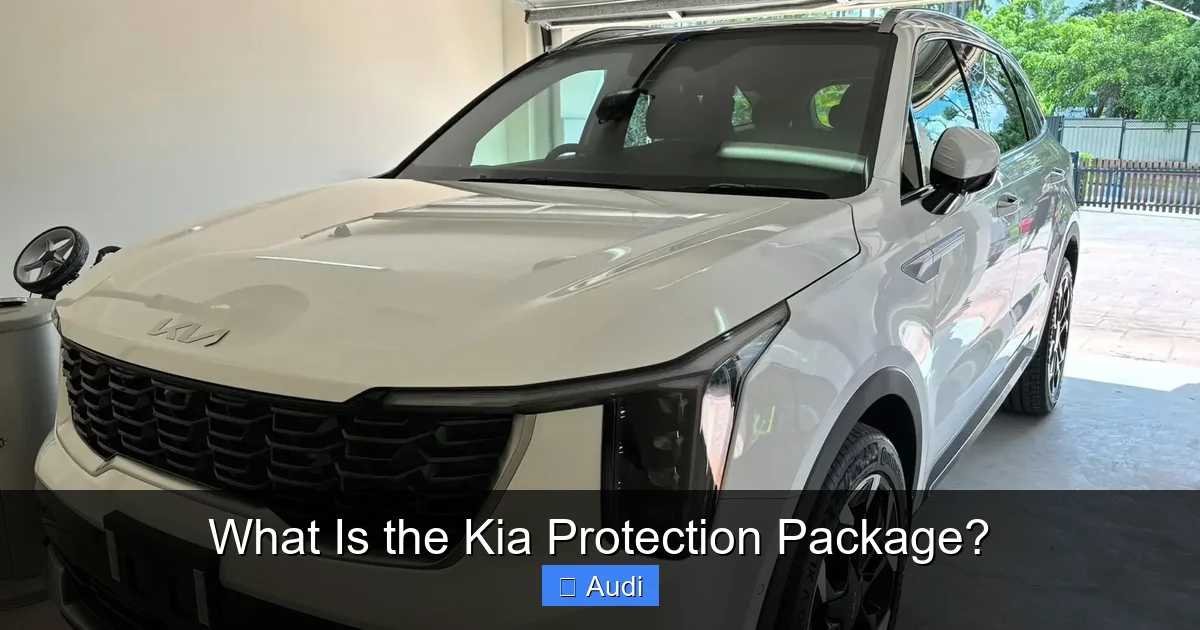
Visual guide about What Is the Kia Protection Package?
Image source: protectyourride.com.au
Now that we’ve covered the basics, let’s dive into the specifics. While every Kia Protection Package is unique, most include a core set of services designed to protect your vehicle from common threats. Here’s a breakdown of the most common components and what they do.
Paint Protection (Sealant or Ceramic Coating)
This is usually the star of the show. Paint protection is applied to the exterior paint to create a hydrophobic (water-repelling) barrier that resists dirt, bird droppings, tree sap, and UV damage. There are two main types: sealants and ceramic coatings.
Sealants are synthetic polymers that bond with the paint and last anywhere from 6 months to 2 years. They’re affordable and effective for everyday protection. Ceramic coatings, on the other hand, are more advanced. Made from nano-ceramic particles, they form a semi-permanent layer that can last 3 to 5 years or more. They offer superior gloss, scratch resistance, and ease of cleaning.
In a typical Kia Protection Package, you might get a “premium sealant” or a “nano-ceramic coating” applied to the entire painted surface. Some dealers claim their coating is “9H hardness” (a measure of scratch resistance), but real-world performance depends on the brand and application quality.
For example, if you live in a sunny area like Arizona or Southern California, UV protection is crucial. Without it, your paint can oxidize and fade over time. A ceramic coating can help maintain that showroom shine for years. But if you park in a garage and drive mostly in mild weather, a basic sealant might be sufficient.
Interior Fabric and Leather Protection
Your car’s interior is just as vulnerable as the exterior. Spills, pet hair, sun exposure, and daily use can stain, fade, or degrade upholstery. That’s where interior protection comes in.
Fabric protection involves spraying a stain-resistant coating on seats, carpets, and floor mats. It creates an invisible barrier that repels liquids and makes spills easier to wipe away. Think of it like Scotchgard for your car. It won’t prevent all stains, but it buys you time to clean up before a spill sets in.
Leather protection is similar but tailored for leather or leatherette seats. It conditions the material to prevent cracking and fading while adding a protective layer against oils, dirt, and UV rays. Some treatments also include UV inhibitors to slow sun damage.
For families with kids or pets, this protection can be a lifesaver. Imagine your toddler spilling juice on the back seat—instead of soaking in, it beads up on the surface, giving you a chance to blot it out before it stains. Or your dog’s muddy paws leaving less residue on the carpet. These small conveniences add up over time.
Windshield and Glass Treatment
Many packages include a water-repellent coating for the windshield and side windows. This treatment causes water to bead up and roll off the glass, improving visibility during rain. It’s especially helpful on highways or in heavy downpours.
Some dealers use products like Rain-X, while others offer proprietary formulas. The effect is similar: better clarity, reduced need for wipers, and less glare from oncoming headlights. Most treatments last 3 to 6 months, depending on weather and wiper use.
While not essential, this feature can enhance safety and driving comfort. If you frequently drive in rainy or snowy conditions, it’s a worthwhile addition.
Tire and Trim Dressing
This is the cosmetic touch. Tire dressing gives your tires a deep, glossy finish, making them look brand new. Trim dressing does the same for plastic and rubber exterior trim pieces, preventing them from fading or turning gray over time.
These treatments are mostly aesthetic, but they contribute to the overall “wow factor” of your car. A well-dressed tire can make a used car look newer, which is why detailers often apply it before a sale.
However, some tire dressings contain silicone or petroleum-based oils that can sling onto your paint or attract dirt. High-quality, water-based dressings are safer and longer-lasting. Ask your dealer what type they use.
Undercoating and Rustproofing
This is one of the most debated components. Undercoating involves spraying a protective layer on the undercarriage, wheel wells, and other hidden areas to prevent rust and corrosion. It’s especially important in regions with harsh winters, where road salt accelerates metal degradation.
Traditional undercoating uses asphalt-based or rubberized compounds that form a thick, tar-like barrier. Modern versions may use wax-based or fluid film products that penetrate seams and cavities.
While rustproofing can extend the life of your vehicle’s underbody, it’s not a magic bullet. Modern Kias are built with galvanized steel and factory-applied rust inhibitors, so additional protection may be redundant—unless you live in a high-corrosion environment.
Also, improper application can trap moisture, leading to hidden rust. Always ensure the undercoating is applied by a trained technician and doesn’t clog drain holes or sensors.
How Much Does the Kia Protection Package Cost?
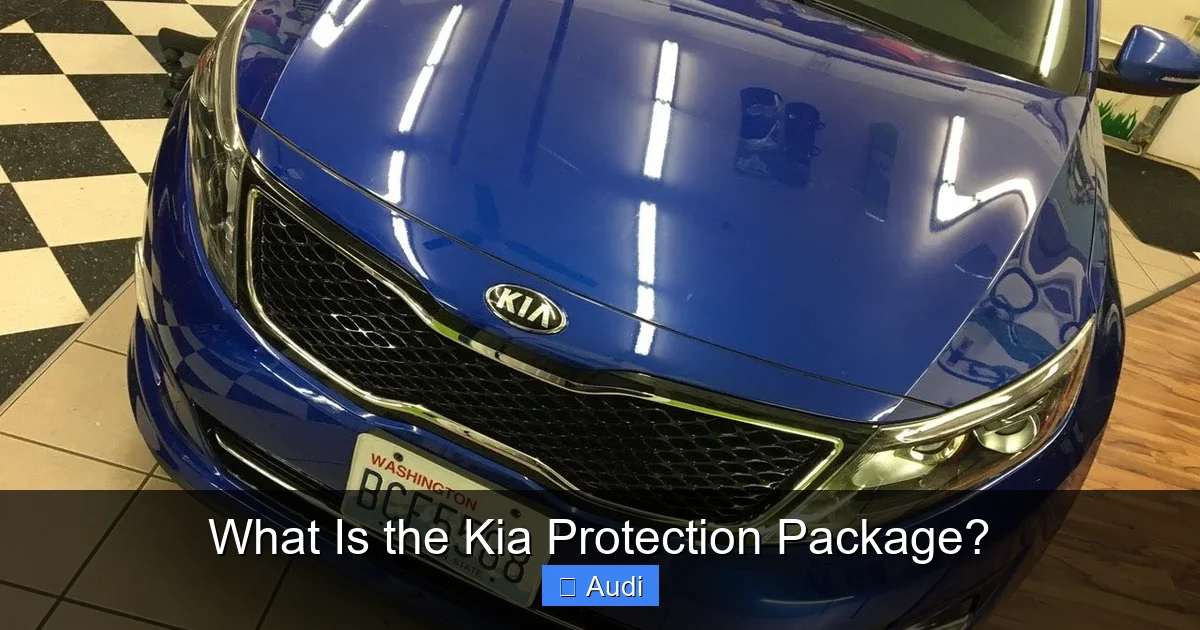
Visual guide about What Is the Kia Protection Package?
Image source: i.pinimg.com
Pricing for the Kia Protection Package varies widely, but most fall between $500 and $1,500. The exact cost depends on the dealership, the tier of the package, and your negotiation skills.
Basic packages might start around $500 and include paint sealant, interior protection, and tire dressing. Mid-tier packages ($800–$1,200) often add ceramic coating, windshield treatment, and undercoating. Premium packages ($1,200–$1,500+) may include extended warranties, dent repair coverage, or even key replacement.
It’s important to note that these prices are often negotiable. Dealerships may present the package as non-negotiable, but in reality, they have flexibility. You can often get a discount—especially if you’re paying cash or financing through the dealer.
For example, a salesperson might say, “This $1,200 package is mandatory for all new Kias.” But if you push back, they may drop it to $900 or bundle it with other incentives. Always ask: “Is this the best price you can offer?” or “Can you include this in the overall deal?”
Is It Worth the Price?
That depends on your priorities, driving habits, and budget. If you plan to keep your Kia for 5+ years and want it to look pristine, the protection package can be a smart investment. It can save you money on detailing, repairs, and depreciation.
But if you’re on a tight budget or plan to trade in your car within 2–3 years, you might be better off skipping it. Many of these services can be done independently for less. For instance, a professional ceramic coating from a local detailer might cost $600–$900, compared to $1,200 at the dealer.
Also, consider DIY options. You can buy paint sealant, fabric protector, and tire dressing at auto stores for under $100 total. While not as durable as professional applications, they still offer decent protection.
Ultimately, the value comes down to convenience and peace of mind. If you’d rather have it done once, by professionals, with a warranty, the package may be worth it. But if you’re willing to maintain it yourself, you can save significantly.
Pros and Cons of the Kia Protection Package
Visual guide about What Is the Kia Protection Package?
Image source: primalpastures.com
Like any add-on, the Kia Protection Package has its advantages and drawbacks. Let’s weigh them honestly.
Pros
- Convenience: Everything is done at once, during pickup—no need to schedule separate appointments.
- Peace of Mind: Knowing your car is protected from day one can reduce stress about spills, scratches, and weather damage.
- Resale Value: A well-maintained, protected car often commands a higher trade-in or sale price.
- Warranty Coverage: Some packages include warranties that cover reapplication or damage repair.
- Professional Application: Dealers use trained technicians and commercial-grade products, ensuring consistent quality.
Cons
- High Markup: Dealers often charge 2–3x the actual cost of materials and labor.
- Limited Flexibility: You’re locked into the dealer’s products and terms—no customization.
- Pressure Sales Tactics: Some dealers use high-pressure methods to upsell, making it feel mandatory.
- Redundant Protection: Modern Kias already have factory rustproofing and paint protection—adding more may be overkill.
- Short-Term Benefit: Many treatments last only 1–3 years, requiring reapplication to maintain effectiveness.
Tips for Deciding Whether to Buy It
So, should you buy the Kia Protection Package? Here are some practical tips to help you decide.
Ask for a Detailed Breakdown
Don’t accept a vague description like “full protection.” Ask for a written list of every service included, the brands used, and the duration of coverage. Compare it to what you could get elsewhere.
Negotiate the Price
The package is almost always negotiable. Use it as a bargaining chip. Say, “I’ll take the car if you include the protection package at $700.” You might be surprised how flexible they are.
Consider Your Environment
If you live in a snowy, salty, or sunny climate, protection is more valuable. If you park in a garage and drive mostly in mild weather, you may not need it.
Think About Long-Term Ownership
If you plan to keep your Kia for 5+ years, the investment makes more sense. If you’ll trade it in soon, skip it.
Explore Third-Party Options
Look into local detailers or mobile services. Many offer ceramic coatings, interior protection, and rustproofing at lower prices—often with better customer reviews.
Read the Contract Carefully
Check for exclusions, transferability, and cancellation policies. Some packages are non-refundable once applied.
Conclusion
The Kia Protection Package is a dealer-offered bundle of protective treatments designed to keep your new Kia looking and performing its best. While it’s not required by Kia, it can provide real value—especially if you prioritize appearance, resale value, and long-term durability.
However, it’s not a one-size-fits-all solution. The high markup, variable quality, and pressure sales tactics mean you should approach it with caution. Do your research, ask questions, and consider alternatives before making a decision.
Ultimately, the best protection for your Kia is informed ownership. Whether you choose the dealer package, go DIY, or hire a third-party pro, the key is consistent care and maintenance. Your car is an investment—protect it wisely.
Frequently Asked Questions
Is the Kia Protection Package mandatory?
No, the Kia Protection Package is completely optional. It is not required by Kia Motor Corporation and is offered solely by dealerships as an add-on service.
How long does the protection last?
Most treatments last between 1 and 5 years, depending on the service. Paint sealants may last 6–12 months, while ceramic coatings can last 3–5 years with proper maintenance.
Can I buy the package after purchasing my Kia?
Typically, the package is only offered at the time of purchase. However, some dealers may allow you to add it within a short window, such as 30 days, though pricing and availability may vary.
Does the package cover scratches or dents?
Most packages do not cover physical damage like scratches or dents unless specifically stated. Some premium packages may include paintless dent repair, but this is not standard.
Can I transfer the protection to a new owner?
Some packages are transferable, while others are not. Check the terms of your contract to see if the protection can be transferred if you sell or trade in your vehicle.
Are there alternatives to the dealer’s protection package?
Yes. Many third-party detailers and mobile services offer similar treatments—often at lower prices. You can also purchase DIY kits for paint sealant, fabric protection, and tire dressing.
