What Is the Ford F-150 Warranty

Contents
- 1 Key Takeaways
- 2 📑 Table of Contents
- 3 Your New Ford F-150: A Promise of Protection
- 4 Decoding the Ford F-150 Warranty Structure
- 5 What’s Covered? A Detailed Look Inside the Warranty
- 6 What’s NOT Covered? The Critical Exclusions You Must Know
- 7 Your Responsibilities: Maintaining Warranty Validity
- 8 Making a Warranty Claim: The Process
- 9 Transferability and Extended Plans
- 10 Frequently Asked Questions


The Ford F-150 warranty provides robust protection with a 3-year/36,000-mile bumper-to-bumper warranty and a 5-year/60,000-mile powertrain warranty. It also includes 5-year corrosion coverage and 24/7 roadside assistance. Keeping detailed maintenance records and using Ford-certified parts for repairs are crucial to maintaining your warranty’s validity.
Key Takeaways
- Two-Tier Coverage: Your new F-150 is protected by a comprehensive bumper-to-bumper warranty and a longer powertrain warranty, each with different time and mileage limits.
- Maintenance is Mandatory: Following Ford’s recommended maintenance schedule in your owner’s manual is not a suggestion—it’s a requirement to keep your warranty intact.
- What’s Excluded: Wear-and-tear items like brakes, tires, and wiper blades, along with damage from neglect, accidents, or unauthorized modifications, are not covered.
- Roadside Assistance Included: You get 24/7 roadside help for 5 years/60,000 miles for issues like flat tires, lockouts, and fuel delivery, providing a significant safety net.
- Transferability: The remaining warranty coverage can be transferred to a new owner, which can increase your truck’s resale value and is a key selling point.
- Claims Process: Always have warranty work performed at a Ford dealership. They will handle the claim directly with Ford, ensuring proper documentation and repair with genuine Ford parts.
- Extended Options: Ford offers various extended service plans (Ford Protect) that can provide coverage beyond the standard warranties for added long-term peace of mind.
📑 Table of Contents
- Your New Ford F-150: A Promise of Protection
- Decoding the Ford F-150 Warranty Structure
- What’s Covered? A Detailed Look Inside the Warranty
- What’s NOT Covered? The Critical Exclusions You Must Know
- Your Responsibilities: Maintaining Warranty Validity
- Making a Warranty Claim: The Process
- Transferability and Extended Plans
Your New Ford F-150: A Promise of Protection
So, you’ve just driven off the lot in your brand-new Ford F-150. That feeling is unbeatable—the fresh smell, the perfect paint, the powerful engine purring under the hood. It’s a significant investment, and like any smart investor, you want to protect it. That’s where the warranty comes in. Think of your F-150’s warranty as Ford’s written promise to stand behind their product. It’s your financial safety net against unexpected repair bills for defects in materials or workmanship. But understanding exactly what that promise covers, for how long, and what you must do to keep it valid is critical. Many owners assume it’s “everything for five years,” but the reality is more nuanced. Let’s break down the Ford F-150 warranty in plain English, so you know exactly what you’re covered for and, just as importantly, what you’re not.
Decoding the Ford F-150 Warranty Structure
Ford structures its new vehicle warranty into two primary, easy-to-understand buckets. The first covers almost everything on the truck for a shorter period. The second covers the heart of the truck—the components that make it move—for a longer period. There are also important supplemental coverages. Here’s the standard warranty package for a 2024 model (always confirm your specific model year in your owner’s manual, as details can vary slightly).

Visual guide about What Is the Ford F-150 Warranty
Image source: grangerfordextendedwarranty.com
The Bumper-to-Bumper Warranty: Comprehensive but Time-Limited
This is the broadest part of your coverage. Officially called the “New Vehicle Limited Warranty,” it protects against defects in most parts and components of your F-150. This includes the body, chassis, electrical system, infotainment, climate control, and interior trim. The term “bumper-to-bumper” is a bit of a misnomer because, as we’ll see, some key parts are specifically excluded from this coverage. The duration is 3 years or 36,000 miles, whichever comes first. If you drive 15,000 miles a year, you’ll likely hit the mileage limit before the time expires. This warranty starts from the truck’s original “in-service” date, which is the day it’s first sold.
The Powertrain Warranty: Protecting What Makes It Go
This is the long-haul coverage. The powertrain warranty specifically covers the engine (including all internal components, turbocharger/supercharger if equipped), the transmission (automatic or manual), and the driveline (front/rear axles, driveshafts, differentials, transfer case). These are the most complex and expensive parts to repair. The powertrain warranty lasts for 5 years or 60,000 miles, whichever comes first. This means your powertrain is covered for two years and 24,000 miles longer than the rest of the truck. It’s a major benefit and a key reason many F-150 owners feel secure about long-term ownership. For those who use their truck for heavy-duty towing or hauling, understanding this coverage is especially important. If you frequently push your truck to its limits, you might also want to research the best shocks for your specific F-150 model year and use case to maintain performance and component health.
Corrosion Perforation Warranty: Against Rust
Ford warrants that the body sheet metal of your F-150 will be free from corrosion perforation (a hole through the metal due to rust) for 5 years with unlimited mileage. This is a significant coverage item, especially for trucks used in regions with road salt or coastal humidity. It’s important to note this is for *perforation* only. Surface rust, which is common and usually cosmetic, is not covered. Regular washing and keeping the truck clean of debris that can trap moisture are good practices, even if not strictly required by the warranty.
Roadside Assistance: Help When You Need It Most
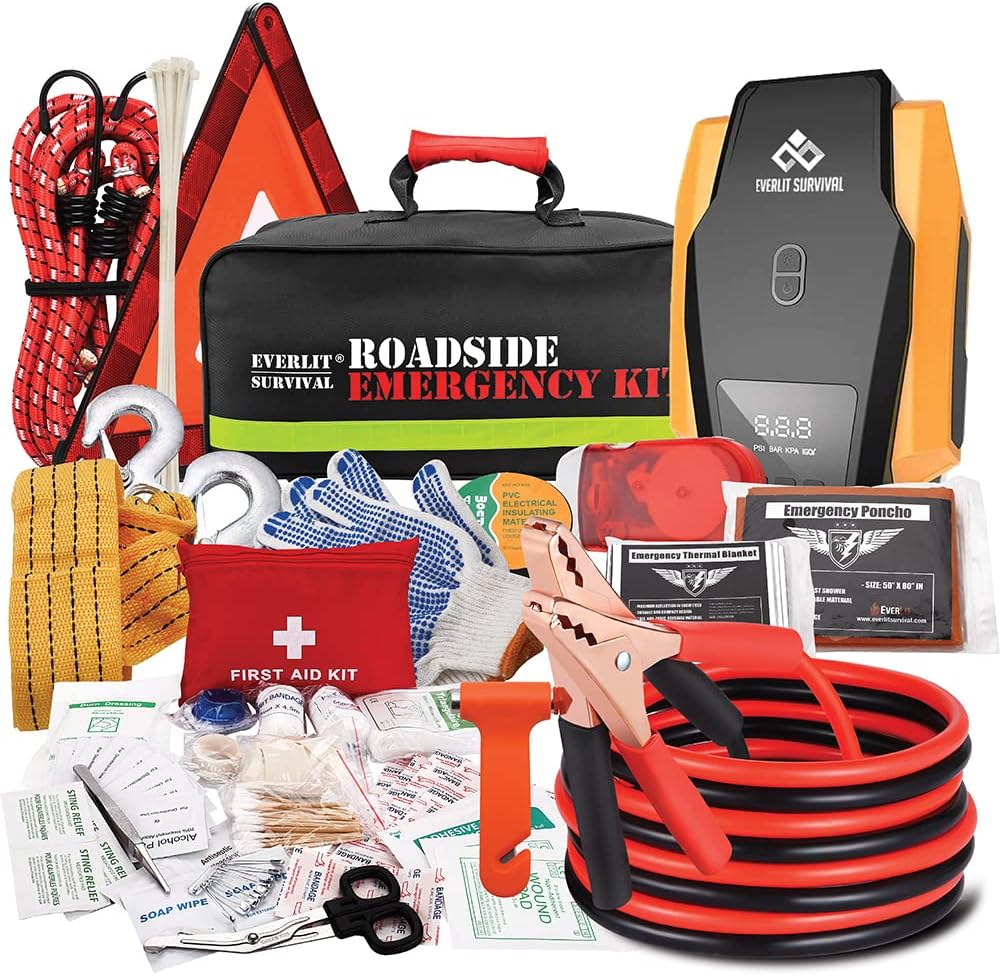
Included with your new vehicle warranty is 24/7 roadside assistance for 5 years or 60,000 miles. This is a fantastic value. Services typically include:
- Tire change (if you have a usable spare)
- Jump-starts for dead batteries
- Fuel delivery (up to a limited amount)
- Lockout service
- Towing to the nearest Ford dealership
It’s a small comfort when you’re stranded, but it can save you significant money and hassle. Always keep your tow rope and a good quality battery in prime condition to minimize the chances you’ll need it.
What’s Covered? A Detailed Look Inside the Warranty
Now for the specifics. Knowing the general buckets is one thing; knowing what lives inside them is another. The bumper-to-bumper warranty is incredibly comprehensive for factory defects. It covers the replacement or repair of any defective part, with no charge for parts or labor, as long as the failure is deemed a warrantable defect.

Visual guide about What Is the Ford F-150 Warranty
Image source: dubicars.com
Major Components Under the Bumper-to-Bumper Umbrella
This includes your truck’s entire audio and infotainment system (SYNC, speakers, amplifiers), all power accessories (power windows, locks, seats, trailer tow package components), the complete heating and air conditioning system, lighting systems, and all safety systems (airbags, ABS, stability control). Even things like the windshield wipers, while often considered wear items, are covered if they fail due to a manufacturing defect (e.g., a motor burns out). If you live in an area with harsh winters, investing in the best winter tires for your F-150 is crucial for safety, but remember, tire wear is never covered by warranty.
The Heart of the Matter: Powertrain Coverage Explained
The powertrain warranty is where the big-ticket items live. For your F-150’s engine, this means the cylinder block, heads, pistons, rings, crankshaft, camshaft, valves, timing chain/belt, and all associated seals and gaskets. If the turbocharger (on EcoBoost engines) or supercharger fails due to an internal defect, it’s covered. The transmission coverage includes the torque converter, valve body, clutch packs (in automatics), and all internal gears and shafts. The driveline covers constant velocity joints, axle shafts, bearings, and the transfer case on 4×4 models. This is the warranty that gives owners confidence for the long term. However, it does not cover external components like radiators, hoses, belts, or clutch discs in manual transmissions (these are considered wear items or part of the bumper-to-bumper coverage if they fail prematurely due to a defect).
What’s NOT Covered? The Critical Exclusions You Must Know
This is arguably the most important section. Knowing what’s excluded prevents nasty surprises and helps you avoid inadvertently voiding your coverage. The warranty is for *defects*, not for *wear and tear* or *damage*.

Visual guide about What Is the Ford F-150 Warranty
Image source: dubicars.com
The Usual Suspects: Wear and Tear Items
These parts are designed to degrade over time and with use. They are your responsibility to maintain and replace. The list is long but logical:
- Tires: The most common exclusion. Tire wear, punctures, and damage are not covered. Check your tire manufacturer’s separate warranty.
- Brake Pads, Rotors, and Shoes: These are consumables. However, if a brake component fails prematurely due to a defect (e.g., a warped rotor from the factory), that *might* be covered under the bumper-to-bumper warranty.
- Batteries: The 12V battery has a limited warranty (often 100 months/100,000 miles for the original), but it’s separate from the main warranties. A dead battery from old age isn’t covered. A defective cell is. Knowing which battery is best for your model year can prevent premature failure.
- Wiper Blades, Bulbs, and Fuses: These are classic maintenance items.
- Clutch (Manual Transmissions): The clutch disc is a wear item, not covered.
- Shocks and Struts: Like brakes, these wear out. However, if they leak or fail prematurely due to a defect, that could be a warrantable repair. For heavy-duty use, you may eventually want to upgrade to aftermarket shocks.
Damage and Neglect: How You Can Void Your Warranty
This is crucial. The warranty does not cover damage from:
- Accidents, Collisions, or Theft: That’s what your auto insurance is for.
- Environmental Damage: Tree sap, bird droppings, acid rain, and stone chips are your responsibility. The corrosion warranty only covers perforation from the inside out.
- Improper Maintenance: This is a huge one. Failing to change your oil and filter at the recommended intervals is the fastest way to void your powertrain warranty. Engine sludge from neglected oil changes is considered owner abuse, not a defect. Keeping all service records from a Ford dealership or a reputable mechanic is essential proof.
- Unauthorized Modifications: This is a gray area. Simple cosmetic accessories are usually fine. However, performance chips/tuners, aftermarket lift kits that stress components beyond design limits, or non-Ford-approved parts that cause a failure can lead to a denied warranty claim. If a part fails and Ford can prove the modification caused or contributed to the failure, they can deny coverage for that part and potentially related parts. For example, a poorly installed aftermarket suspension lift that breaks a CV joint would likely not be covered.
- Commercial Use: If you use your personal F-150 as a delivery vehicle or for hire (like a taxi), it may be considered commercial use and void the warranty. Check your manual’s definitions. “Occasional” use for work might be okay, but sustained commercial use is not.
- Racing or Competition: Any use in sanctioned racing events immediately voids the entire warranty.
Your Responsibilities: Maintaining Warranty Validity
The warranty is a two-way street. Ford promises to fix defects, and you promise to take reasonable care of your truck. Your primary responsibilities are straightforward but must be followed meticulously.
Follow the Maintenance Schedule, Religiously
Your owner’s manual contains a detailed maintenance schedule, broken down by mileage intervals (e.g., 7,500 miles, 15,000 miles, 30,000 miles). This includes oil changes, tire rotations, filter changes, fluid checks, and inspections. You must have this work done. You can use a Ford dealership, any authorized Ford service center, or an independent repair shop. The key is to keep detailed, dated receipts that show the mileage, date, services performed, and parts used. These records are your evidence if a warranty dispute arises. Pro tip: Use a dedicated folder or digital app just for your F-150’s service records.
Use Genuine or Equivalent Parts for Repairs
When a warrantable repair is made, Ford requires the use of Ford Motorcraft parts or parts that meet their specifications. If you have a non-warranty repair, you can use any parts you choose. But if a part fails under warranty and it’s found that a substandard or incorrect aftermarket part was installed previously and contributed to the failure, the claim can be denied. For routine maintenance like oil changes, using the correct oil specification (e.g., WSS-M2C947-A for many newer F-150s) is critical. Using the wrong oil can cause engine damage and void the powertrain warranty.
Don’t Ignore Known Issues or TSBs
Sometimes, Ford identifies a recurring, non-safety issue with a component and issues a Technical Service Bulletin (TSB) to dealers. A TSB is not a recall; it’s a recommended repair procedure for a known problem. If your truck exhibits symptoms described in a TSB, bring it to a dealer and ask about it. Often, if the truck is still under the relevant warranty coverage, Ford will perform the TSB repair at no charge. Being proactive about these can save you from a major failure later. Staying informed about common issues for your specific F-150 generation (e.g., certain EcoBoost engine models, 10-speed transmission quirks) is smart ownership.
Making a Warranty Claim: The Process
If you believe you have a warrantable failure, here is the simple, correct process. Do not pay for a repair out-of-pocket and then try to get reimbursed later unless you have prior authorization.
Step 1: Schedule Service at a Ford Dealership
This is non-negotiable for warranty work. Only a Ford dealership can directly submit a warranty claim to Ford Motor Company on your behalf. Call your service department, explain the symptoms, and schedule an appointment. Mention that you believe the issue is warranty-related.
Step 2: The Diagnosis
The dealer’s technician will diagnose the problem. They will determine if it is a warrantable defect in materials or workmanship. If it is, they will proceed with the repair under warranty. You should not be charged for diagnosis if it leads to a covered repair. If the diagnosis reveals an issue that is *not* covered (like a worn-out part), the service advisor will give you a separate estimate for that repair.
Step 3: The Repair and Your Loaner
Once approved, the dealer will order the necessary parts (which come from Ford, not their general parts inventory) and perform the repair. Labor is covered. Many Ford dealers offer a loaner vehicle or shuttle service during warranty repairs—it’s worth asking about their policy. The repair will be documented in your vehicle’s permanent service history.
Step 4: Dispute Resolution
In the rare case a warranty claim is denied by the dealer or Ford, you have recourse. First, speak with the service manager and the general manager of the dealership. If unsatisfied, you can contact Ford Customer Service. As a last resort, you may use the Better Business Bureau’s AUTO LINE program or pursue arbitration. Having your meticulous maintenance records will be your strongest asset in any dispute.
Transferability and Extended Plans
Warranty coverage is an asset that travels with the vehicle.
Selling Your F-150 with Warranty
The remaining portion of both the bumper-to-bumper and powertrain warranties fully transfers to subsequent private owners. There is no fee for the transfer. This is a powerful selling point. A used F-150 with several thousand miles of powertrain warranty left will command a higher price than one with no warranty. When you sell, simply provide the new owner with a copy of the original window sticker (which shows the warranty start date) and all your service records.
Ford Protect Extended Service Plans
When your factory warranties expire, you have options. Ford offers “Ford Protect” extended service plans, which are essentially extensions of the bumper-to-bumper or powertrain coverage. You can purchase these at the time of sale (often rolled into the financing) or, in many cases, later from a Ford dealer. These plans have their own terms, deductibles (often $0), and can provide significant coverage for expensive repairs like the transmission or major engine components in later years. It’s a way to budget for potential repairs and gain peace of mind. There are also “Certified Pre-Owned” (CPO) warranties available for used F-150s that meet specific criteria, which add a limited comprehensive and powertrain warranty on top of any remaining factory coverage.
Frequently Asked Questions
Does the Ford F-150 warranty cover tires?
No. Tires are considered wear items and are never covered by the Ford new vehicle warranty. They have their own separate manufacturer’s warranty against defects, which you should receive from your tire dealer. Damage from road hazards or normal wear is your responsibility.
Will installing an aftermarket lift kit or larger tires void my entire F-150 warranty?
Not automatically, but it can lead to denied claims. The Magnuson-Moss Warranty Act states a warranty cannot be voided solely due to aftermarket parts. However, Ford can deny a warranty claim if they can prove that a specific failure was caused by or contributed to by the modification. For example, a lift kit that causes premature CV joint wear would likely not be covered. It’s a case-by-case analysis.
What happens if I use my F-150 for occasional work towing a trailer? Does that void the warranty?
Occasional, light-duty towing within the truck’s published limits (check your manual’s towing capacity chart) is generally considered normal use and is covered. Problems arise from sustained, heavy-duty commercial use that exceeds design limits or from towing without the proper Ford-certified trailer tow package installed. Always tow within your truck’s rated capacity and ensure your vehicle is properly equipped.
Is it worth buying an extended Ford Protect warranty for my F-150?
It depends on your risk tolerance and how long you plan to keep the truck. The F-150’s powertrain is generally robust, but major repairs like a transmission rebuild can cost $5,000+. An extended plan with a $0 deductible can cap your out-of-pocket cost for such repairs. If you plan to keep the truck well past 100,000 miles, an extended plan provides predictable costs. If you trade every few years, it’s less valuable.
What maintenance records do I absolutely need to keep for warranty purposes?
Keep every invoice/receipt for any maintenance or repair performed on the truck. It must clearly show: the vehicle’s VIN, the date of service, the mileage at the time of service, a detailed description of the work done (e.g., “Oil & filter change, 5W-20, API SN”), and the parts used (with part numbers if possible). Digital copies stored in a cloud folder are a great backup to paper copies.
If I sell my F-150, is there a fee to transfer the remaining warranty to the new owner?
No. The factory warranties (bumper-to-bumper and powertrain) transfer automatically to subsequent private owners at no cost. The new owner simply needs proof of the original in-service date (from the window sticker) and the vehicle’s mileage to verify remaining coverage. There is no transfer process or fee with Ford for the factory warranties.