What Is Mazda I-stop?

Contents
- 1 Key Takeaways
- 2 📑 Table of Contents
- 3 What Is Mazda i-Stop? Your Friendly Guide to Smart Driving
- 4 How Does Mazda i-Stop Actually Work? The Science of the Silent Stop
- 5 The Real-World Benefits: Why Mazda i-Stop Is More Than a Gimmick
- 6 The 2026 Evolution: What’s New for Mazda i-Stop?
- 7 Common Questions, Myths, and Troubleshooting Tips
- 8 How It Compares: Mazda i-Stop vs. The World
- 9 Conclusion: Embracing the Intelligent Pause
- 10 Frequently Asked Questions
Reflective Safety Triangle

Parking Sensor Kit

Car Bumper Protector

Car Vacuum Cleaner (Portable)
Mazda i-Stop is an intelligent stop-start technology designed to save fuel and reduce emissions by automatically turning off your car’s engine when you come to a complete stop, like at a traffic light, and seamlessly restarting it when you’re ready to move. It’s a standard feature on most modern Mazda vehicles for 2026, using advanced engine management to ensure smooth, quiet restarts without draining your battery. While some drivers initially find the engine shutdown unfamiliar, the system is fully customizable and offers real-world fuel economy benefits, especially in city driving.
Key Takeaways
- Smart Fuel Saver: Mazda i-Stop automatically shuts off the engine during stops to reduce fuel consumption and lower emissions, particularly beneficial in stop-and-go traffic.
- Seamless Restart: It uses a unique combustion cycle restart method (in most models) for a faster, smoother, and quieter engine start compared to traditional starter motors.
- Driver in Control: The system can be temporarily or permanently disabled via a button on the dashboard, giving you full control over when it’s active.
- 2026 Evolution: For the 2026 model year, i-Stop is more refined, with better battery management, integration with hybrid systems in new models, and improved software logic for smoother operation.
- Not Just for Fuel: Beyond savings, it reduces engine wear from idling and contributes to a quieter urban environment by eliminating unnecessary idle noise.
- System Dependence: i-Stop relies on a healthy 12V battery, specific brake pedal pressure, and engine temperature; if any condition isn’t met, it will automatically disengage.
📑 Table of Contents
- What Is Mazda i-Stop? Your Friendly Guide to Smart Driving
- How Does Mazda i-Stop Actually Work? The Science of the Silent Stop
- The Real-World Benefits: Why Mazda i-Stop Is More Than a Gimmick
- The 2026 Evolution: What’s New for Mazda i-Stop?
- Common Questions, Myths, and Troubleshooting Tips
- How It Compares: Mazda i-Stop vs. The World
- Conclusion: Embracing the Intelligent Pause
What Is Mazda i-Stop? Your Friendly Guide to Smart Driving
Imagine you’re sitting at a long red light on a hot summer afternoon. Your Mazda’s cabin is cool, the radio is playing, and you notice the engine has gone quiet. No shaking, no rumble—just silence. That, in a nutshell, is Mazda i-Stop in action. It’s one of those clever pieces of technology you might not notice until someone points it out, but once you understand it, it changes how you think about your daily drive. In simple terms, i-Stop is Mazda’s intelligent stop-start system. Its job is to automatically turn off your car’s gasoline engine when you come to a complete stop, say at a traffic light or in a bumper-to-bumper crawl, and then start it up again the instant you lift your foot off the brake pedal. The goal? To save precious fuel and cut down on exhaust emissions during those moments when you’re just sitting still, doing nothing.
For the 2026 model year, this system is no longer a fancy extra; it’s a standard piece of engineering on nearly every new Mazda, from the agile Mazda3 to the family-friendly CX-5 and the sleek MX-5 Miata. Mazda has spent over a decade perfecting i-Stop, making it one of the most refined and unobtrusive implementations in the industry. It’s designed to be so smooth that many owners report not even realizing when it’s active until they see the tachometer needle drop to zero. But how does it pull off this trick without killing your battery or wearing out the starter? Let’s pop the hood and take a friendly, detailed look under the digital bonnet of Mazda i-Stop.
How Does Mazda i-Stop Actually Work? The Science of the Silent Stop
This is where it gets interesting. A basic stop-start system is pretty simple: stop, shut off; go, restart. But doing that in a way that feels natural and doesn’t put extra strain on your car’s components requires some serious engineering. Mazda’s approach is uniquely clever. Instead of relying solely on a heavy-duty electric starter motor to crank the engine back to life—which can be slow and clunky—most modern Mazda i-Stop systems use the engine’s own combustion process to restart. This is often called “direct fuel injection restart” or “combustion restart.”
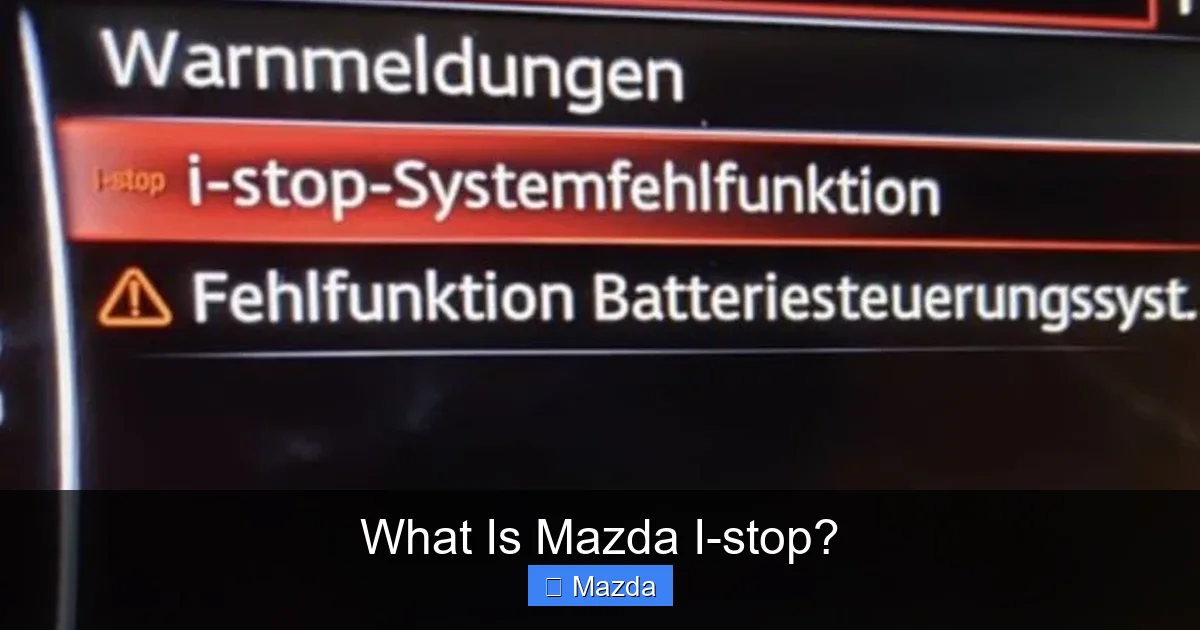
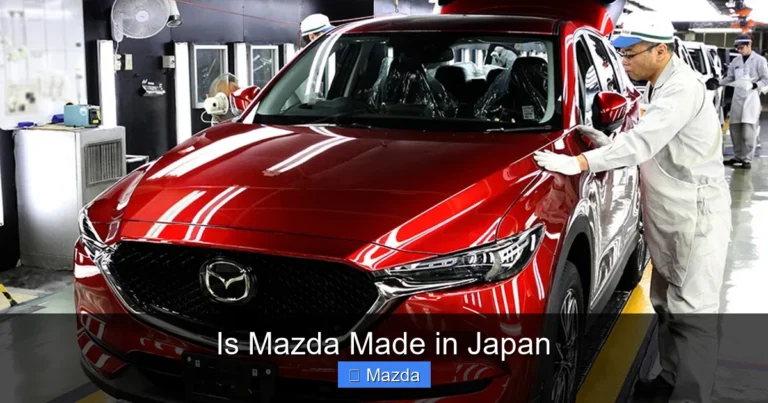
Visual guide about What Is Mazda I-stop?
Image source: carwiki.de
The Combustion Restart Magic
Here’s the step-by-step magic trick: When you brake to a stop and all conditions are right (we’ll get to those in a sec), the engine control unit (ECU) cuts fuel and spark, bringing the engine to a gentle stop with the pistons positioned just so. When you ready to move, the ECU precisely injects a tiny amount of fuel into a specific cylinder and fires the spark plug. That controlled mini-explosion pushes the piston down, which gets the entire engine cycling again—all without the starter motor even engaging. The result? A restart that’s faster, quieter, and uses less electrical energy. It feels less like a traditional car starting and more like the engine was just pausing for a second.
The Checklist: When Does i-Stop Decide to Work?
Your car’s computer is constantly checking a mental checklist. i-Stop will only activate if all of these conditions are met:
- The Brake Pedal: You must press the brake pedal firmly enough to bring the vehicle to a complete stop. The system measures brake booster pressure to confirm you’re holding the car stationary.
- Battery Health: The 12-volt battery must have sufficient charge (usually above a certain voltage threshold) to power all accessories (lights, radio, climate control) while the engine is off and to handle the restart.
- Engine Temperature: The engine needs to be fully warmed up. A cold engine won’t engage i-Stop until it reaches optimal operating temperature, as the system prioritizes getting the catalytic converter working efficiently.
- Outside Temperature: Extreme cold or heat can temporarily disable the system to protect the battery and ensure cabin comfort (heating or cooling demands more power).
- Steering Wheel Angle: If you’re turning the wheel sharply, like in a tight parking maneuver, i-Stop may stay off to ensure you have immediate, full power steering.
- Accessory Load: If you have the AC or heater on max, or other high-draw accessories running, the system may decide not to shut off to preserve battery charge.
If even one item on that list isn’t happy, the little “i-Stop” indicator light on your dash will stay off, and the engine will remain running at the stop. It’s a smart, conservative system designed for reliability first.
The Real-World Benefits: Why Mazda i-Stop Is More Than a Gimmick
So, it’s clever, but does it actually matter? Absolutely. The benefits stack up in ways that affect your wallet, your car, and the planet.

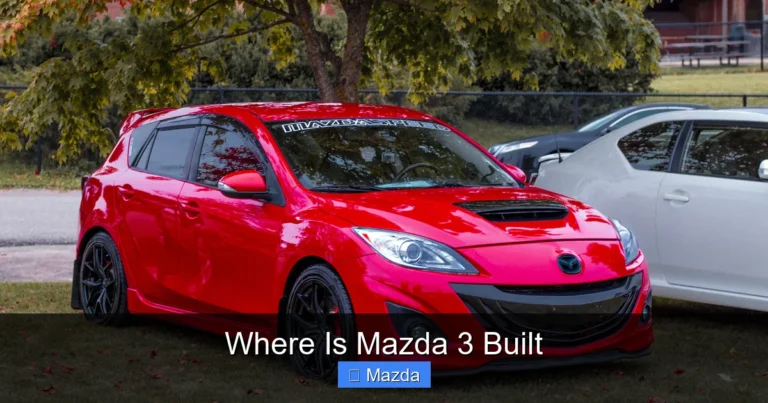
Visual guide about What Is Mazda I-stop?
Image source: images.carexpert.com.au
Fuel Savings That Add Up
This is the primary promise. An idling gasoline engine burns about 0.2 to 0.5 liters of fuel per hour. In heavy city traffic, you can spend 15-30% of your driving time stopped. Over the course of a year, those seconds of idling turn into gallons of wasted fuel. Mazda estimates that i-Stop can improve fuel economy by roughly 3-5% in urban driving conditions. For the average driver, that can mean saving several hundred dollars at the pump annually. It’s not a massive, earth-shattering number, but it’s a tangible, no-effort-required saving that pays for the technology itself over time.
Reduced Emissions and Quieter Streets
When your engine is off, it’s not producing tailpipe emissions. In dense urban areas with lots of idling traffic, the collective impact of thousands of cars with stop-start systems significantly lowers local air pollution (NOx, CO2, particulates). It also makes city streets quieter. That sudden drop in noise when you stop at a light isn’t just peaceful for you; it contributes to a less noisy urban soundscape. For 2026, as emissions regulations tighten globally, systems like i-Stop are crucial for Mazda to meet these standards without compromising driving enjoyment.
Less Engine Wear from Idling
There’s a common myth that stopping and starting the engine causes more wear than leaving it running. Modern engines, especially with i-Stop, are built for this. In fact, idling for long periods can be harder on an engine. It leads to incomplete combustion, which can cause carbon buildup on valves and spark plugs. By eliminating unnecessary idling, i-Stop helps keep your engine cleaner and can potentially extend the life of certain components. The combustion restart method is also far less stressful on the starter motor and flywheel than a traditional electric crank.
The 2026 Evolution: What’s New for Mazda i-Stop?
Technology never stands still, and for the 2026 model year, Mazda has refined i-Stop to be even more seamless and efficient. While the core principle remains the same, the execution is smarter.

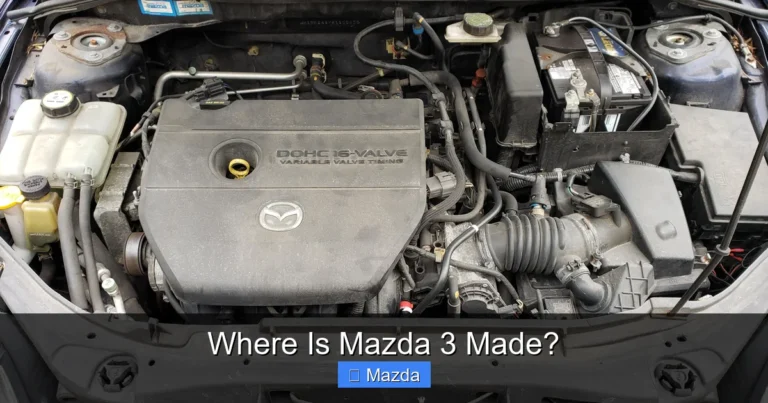
Visual guide about What Is Mazda I-stop?
Image source: s1.cdn.autoevolution.com
Enhanced Battery Management & 48-Volt Mild Hybrid Integration
Earlier systems relied heavily on a robust, high-capacity 12V battery (often an AGM type). For 2026, Mazda is increasingly pairing i-Stop with 48-volt mild hybrid (M Hybrid) systems in models like the updated CX-50 and CX-90. This small but powerful battery and electric motor/generator provides a huge assist. It can power all accessories (infotainment, climate) for longer while the engine is off, meaning i-Stop can stay active in more situations, like with the AC on a hot day. It also provides a torque fill during restart, making the transition even more imperceptible. This synergy is the future of efficient internal combustion engines.
Smarter Software and Predictive Logic
The 2026 i-Stop software is more predictive. Using data from the navigation system (in equipped models), it can “know” you’re approaching a long stoplight or a stop sign ahead and pre-condition the battery and engine for a more confident shutdown. It also better manages the transition between off and on during very slow, creeping traffic, reducing the “hunting” feeling where the engine might flick on and off rapidly as you inch forward.
Driver Customization and Feedback
The physical i-Stop disable button remains, but the system’s feedback is clearer. The instrument cluster provides more detailed information about fuel savings and system status. Some models may offer settings through the infotainment screen to adjust the aggressiveness of the system or set preferences for when it should prioritize battery conservation over fuel saving.
Common Questions, Myths, and Troubleshooting Tips
Let’s address the chatter and concerns we hear from drivers. Knowledge is power, and it helps you get the most from your Mazda.
“My i-Stop Isn’t Working! Is Something Broken?”
First, don’t panic. As outlined earlier, the system has many safety checks. If your i-Stop indicator light isn’t coming on when you stop, check these common, fixable reasons: Is your engine fully warmed up? Is the outside temperature extremely cold (below -10°C/14°F) or hot? Is your battery old or weak (a common culprit)? Have you turned the steering wheel sharply? Is your air conditioning on max? Often, simply letting the engine warm up for a few more minutes or ensuring your battery is healthy (a 12V battery typically lasts 3-5 years) will bring i-Stop back to life. If it’s consistently off under normal conditions, a dealer diagnostic is wise to check for any fault codes.
“Does This Wear Out My Starter Motor or Battery?”
This is the big myth. As explained, the combustion restart method drastically reduces starter motor usage. In many Mazdas, the starter is only used for initial engine start and as a backup. The primary wear component is the 12V battery, which is why Mazda uses heavy-duty AGM batteries designed for frequent deep cycling. With a healthy battery, the system is engineered for thousands of cycles with minimal additional wear. For definitive advice on managing or disabling the system if you have concerns, you can refer to our comprehensive guides on how to disable i-Stop Mazda quickly and the ultimate guide to disabling i-Stop, which cover the button, settings, and considerations.
“It Feels Jerky When It Restarts. Can I Fix That?”
A rough restart is usually not normal for a well-maintained Mazda i-Stop system. It can indicate issues like dirty fuel injectors, a slightly weak battery, or the need for a spark plug service. A smooth restart should feel like a barely-noticeable hiccup. If it’s bothersome, start with the simplest fix: ensure you’re pressing the brake pedal firmly and consistently to trigger a full stop. Sometimes a hesitant brake press confuses the system. A professional tune-up often resolves any lingering roughness.
How It Compares: Mazda i-Stop vs. The World
Stop-start is now nearly ubiquitous, but implementations vary. Mazda’s combustion restart is a standout for its refinement. How does it stack up?
vs. Traditional Electric Restart Systems
Many mainstream brands (e.g., older models from Toyota, Ford, Hyundai) use a beefed-up electric starter motor for all restarts. This works, but it can be slower, noisier, and more demanding on the battery. Mazda’s method is generally praised for its silkier feel. The electric motor is still used in some scenarios, like if the combustion restart fails or the engine is very cold, making it a hybrid system itself.
vs. Other Manufacturers’ Systems
Some brands have their own names and tweaks. For instance, Subaru’s Stop & Start system is similar in concept but uses different engine management logic. If you’re curious about the technical differences between various manufacturers’ approaches to this technology, our article on Subaru’s X-Mode actually touches on their stop-start integration within their overall vehicle dynamics suite, offering an interesting contrast to Mazda’s philosophy. Ultimately, Mazda’s goal with i-Stop was to achieve the fuel benefit without any compromise to the “Zoom-Zoom” driving feel, and in most reviews, they succeed.
Conclusion: Embracing the Intelligent Pause
Mazda i-Stop is a perfect example of smart engineering that works quietly in the background to make your driving more efficient and environmentally friendly. For 2026, it’s a fully mature technology, integrated seamlessly into the driving experience. It represents a shift in how we think about engine use—not as something that must always be running, but as a tool that can be intelligently managed. The initial surprise of the engine shutting off quickly gives way to a subtle satisfaction, knowing you’re saving fuel and reducing your footprint with every red light. While it’s not for everyone (and the disable button is always there for those who prefer constant engine availability), understanding how it works and its benefits helps you appreciate the sophisticated thought Mazda puts into every detail of its vehicles. So next time you stop and hear that sweet silence, you’ll know it’s not a glitch—it’s your Mazda being brilliantly efficient.
Frequently Asked Questions
Will Mazda i-Stop drain my battery?
No. The system is designed with multiple safeguards to prevent battery drain. It only shuts off the engine if the battery has sufficient charge and will automatically restart the engine if the charge drops too low while stopped. Using a proper AGM battery and keeping it healthy is key.
Can I permanently turn off Mazda i-Stop?
Yes, you can disable it via the dedicated i-Stop button on your dashboard. This setting typically persists until you turn the car off and on again. For a more permanent solution, some models allow a dealer software setting to change the default behavior, but this varies by region and model year.
Does i-Stop work with the air conditioning on?
It can, but it depends. The system monitors the climate control load. On a moderately set AC, it will usually work. If you have the AC on maximum or the cabin is very hot, i-Stop may disengage to ensure the compressor keeps running and the battery doesn’t get overly strained.
Is the engine restart loud or jerky?
In a properly functioning 2026 Mazda, the restart should be very smooth and quiet thanks to the combustion cycle method. A noticeably jerky or loud restart can indicate issues like a weak battery, dirty fuel injectors, or the need for a general service.
How much fuel can I actually save?
Real-world savings vary with driving conditions. In heavy stop-and-go city traffic, you can see a 3-5% improvement in fuel economy. In steady highway driving with few stops, the savings will be minimal since the system rarely activates.
Does i-Stop work when towing a trailer?
Typically, no. The added load and electrical demands of trailer lighting often cause the system to disengage automatically. You should also consult your owner’s manual, as some models may have specific towing guidelines that advise against using i-Stop while towing for safety and stability reasons.