
What Is Eco Heat/cool on a Toyota Rav4?

The Eco Heat/Cool feature on a Toyota RAV4 is a smart climate control setting designed to save fuel and reduce emissions while keeping you comfortable. It adjusts heating and cooling output based on driving conditions, helping you drive more efficiently without sacrificing cabin comfort.
Key Takeaways
- Eco Heat/Cool optimizes cabin temperature using less energy: It reduces the load on the engine and battery, improving fuel efficiency and extending electric range in hybrid models.
- It works by adjusting HVAC system performance: The system lowers fan speed, limits compressor use, and moderates heating elements to conserve power.
- Ideal for mild weather and city driving: Best used when extreme temperatures aren’t needed, such as during spring, fall, or short commutes.
- Available on most RAV4 trims, especially hybrids: Found in models like the RAV4 Hybrid, Prime, and many gasoline versions with advanced climate systems.
- Does not compromise safety or comfort significantly: The system still maintains defrost and defog functions to ensure visibility and safety.
- Can be manually overridden for full power: Drivers can switch to regular climate mode when faster heating or cooling is needed.
- Part of Toyota’s broader Eco driving philosophy: Aligns with features like Eco Drive Mode and regenerative braking to promote sustainable driving.
📑 Table of Contents
What Is Eco Heat/Cool on a Toyota RAV4?
If you’ve ever driven a Toyota RAV4—especially a newer model—you may have noticed a button or setting labeled “Eco Heat/Cool” on the climate control panel. At first glance, it might seem like just another tech buzzword, but this feature is actually a smart, eco-friendly innovation designed to make your drives more efficient and comfortable. Whether you’re navigating city streets in mild weather or taking a weekend road trip, understanding how Eco Heat/Cool works can help you get the most out of your RAV4 while saving fuel and reducing your environmental footprint.
So, what exactly is Eco Heat/Cool? In simple terms, it’s a climate control mode that adjusts how your vehicle heats and cools the cabin to use less energy. Unlike the standard climate setting, which runs the heater or air conditioner at full capacity to reach your desired temperature quickly, Eco Heat/Cool takes a gentler, more efficient approach. It reduces the workload on your vehicle’s engine and electrical systems, which is especially beneficial for hybrid models like the RAV4 Hybrid and RAV4 Prime. This means less fuel consumption, lower emissions, and in some cases, a longer electric-only driving range.
But don’t worry—this doesn’t mean you’ll be sweating in summer or shivering in winter. The system is smart enough to maintain a comfortable cabin environment while prioritizing efficiency. It’s all about balance: keeping you cozy without overworking your vehicle’s systems. Think of it like driving in “Eco Mode” but specifically for your climate control. And just like Eco Mode, you can turn it off whenever you need more power—like during a heatwave or a cold snap.
How Does Eco Heat/Cool Work?
Visual guide about What Is Eco Heat/cool on a Toyota Rav4?
Image source: i.pinimg.com
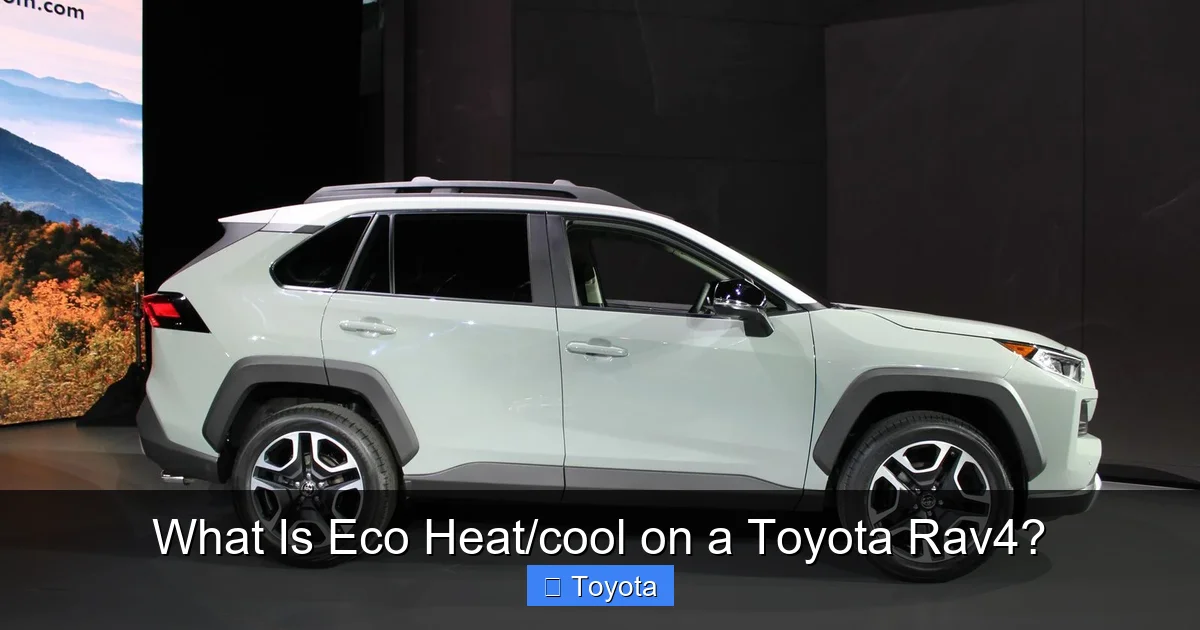
To truly appreciate the Eco Heat/Cool feature, it helps to understand the mechanics behind it. The RAV4’s climate control system is powered by a combination of the engine (in gasoline models) and the hybrid battery (in hybrid and plug-in models). When you activate Eco Heat/Cool, the vehicle’s computer—known as the Electronic Control Unit (ECU)—takes charge of managing how much energy is used to heat or cool the cabin.
Reduced Compressor and Fan Activity
One of the main ways Eco Heat/Cool saves energy is by limiting the use of the air conditioning compressor and reducing fan speed. In regular mode, the compressor runs at high power to cool the air quickly, especially on hot days. But in Eco mode, the system uses a more gradual approach. It may cycle the compressor on and off more efficiently or use a variable-speed compressor (available in some models) to match cooling output to actual need. Similarly, the fan doesn’t blast at maximum speed right away. Instead, it ramps up slowly, which uses less electricity and puts less strain on the system.
Smart Heating in Hybrid Models
For RAV4 Hybrid and RAV4 Prime owners, the benefits are even more pronounced. These models use electric heaters and heat pumps (in newer versions) to warm the cabin. In Eco Heat/Cool mode, the system limits how much electric current is drawn from the hybrid battery to power these heaters. This preserves battery charge, which can extend your electric-only driving range—especially useful in cold weather when battery performance naturally dips. Some newer RAV4s even use a heat pump system, which is far more efficient than traditional resistive heaters. In Eco mode, the heat pump operates at lower output, still providing warmth but using significantly less energy.
Integration with Vehicle Systems
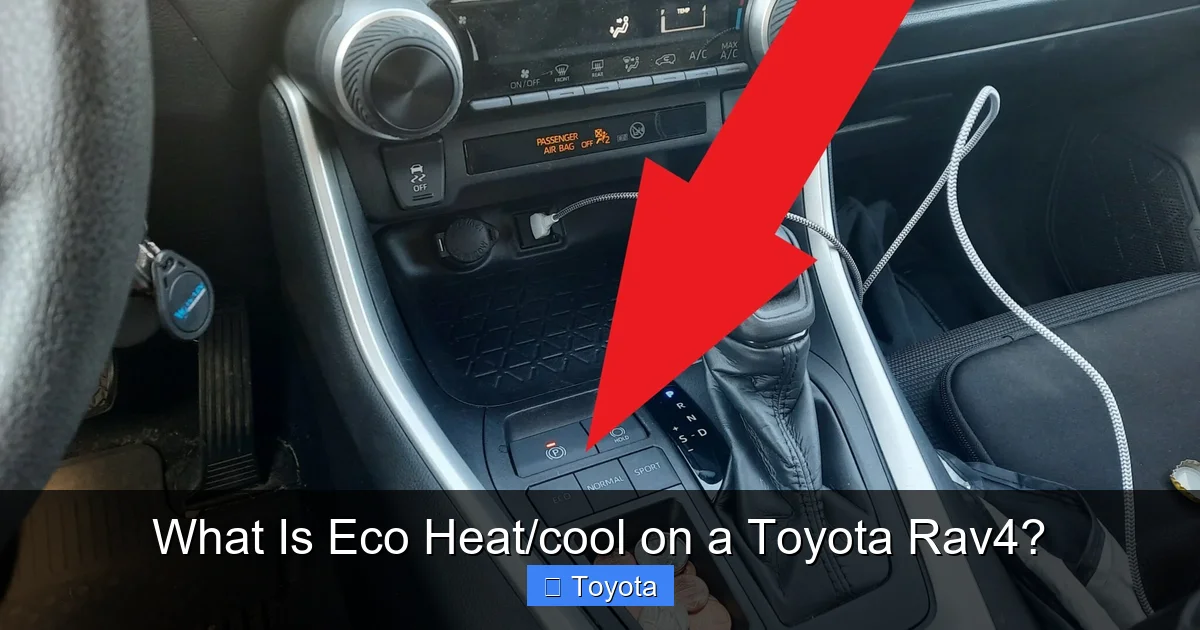
Eco Heat/Cool doesn’t work in isolation. It’s part of a broader network of efficiency features. For example, when you select Eco Drive Mode (usually via a button near the gear shifter), the vehicle adjusts throttle response, transmission shifts, and climate control to maximize fuel economy. Eco Heat/Cool complements this by reducing the energy drain from the HVAC system. The ECU constantly monitors factors like outside temperature, cabin temperature, battery charge level, and driving patterns to decide how aggressively to heat or cool. If you’re driving slowly in city traffic, the system might reduce output even more. On the highway, it might allow slightly higher performance to maintain comfort.
Defrost and Safety Functions Remain Active
A common concern is whether Eco Heat/Cool compromises safety—especially when it comes to defrosting windows in cold or humid conditions. Rest assured, Toyota has designed the system to prioritize visibility. Even in Eco mode, the defrost function will activate the necessary heating and airflow to clear fog or ice from the windshield. The system may temporarily override Eco settings to ensure safe driving conditions. This means you won’t be left squinting through a foggy windshield just to save a few watts.
Benefits of Using Eco Heat/Cool
Visual guide about What Is Eco Heat/cool on a Toyota Rav4?
Image source: rav4resource.com
Now that you know how it works, let’s talk about why you should use Eco Heat/Cool. The advantages go beyond just saving a few cents at the pump—though that’s definitely a nice perk. This feature supports a more sustainable, comfortable, and cost-effective driving experience.
Improved Fuel Efficiency
The most obvious benefit is better fuel economy. Heating and cooling the cabin uses a significant amount of energy—especially in extreme temperatures. By reducing the workload on the engine and electrical systems, Eco Heat/Cool helps your RAV4 burn less fuel. In gasoline models, this means fewer trips to the gas station. In hybrid models, it can extend your electric range, allowing you to drive farther on battery power alone. For example, if you normally get 40 miles of electric range in the RAV4 Prime, using Eco Heat/Cool in mild weather might push that to 45 or even 50 miles. Over time, these small gains add up to real savings.
Reduced Emissions
Less fuel consumption also means fewer emissions. Whether you’re driving a gas-powered RAV4 or a hybrid, using Eco Heat/Cool contributes to a smaller carbon footprint. This is especially important in urban areas where air quality is a concern. By choosing efficiency over maximum performance, you’re doing your part to reduce greenhouse gases and pollutants. It’s a simple way to make your daily commute more environmentally friendly.
Extended Battery Life (Hybrid Models)
For RAV4 Hybrid and Prime owners, preserving battery health is crucial. Frequent high-power draws—like running the heater at full blast—can strain the hybrid battery over time. Eco Heat/Cool reduces this stress by using energy more conservatively. This not only helps maintain battery performance but may also extend its lifespan. A well-maintained battery means fewer repair costs and better long-term reliability.
Quieter Cabin Experience
Another often-overlooked benefit is noise reduction. When the HVAC system isn’t working as hard, there’s less fan noise and compressor cycling. This creates a quieter, more peaceful cabin environment—perfect for listening to music, podcasts, or just enjoying the silence. It’s a small detail, but one that enhances overall driving comfort, especially on long trips.
Adaptive Comfort
You might worry that Eco Heat/Cool means sacrificing comfort. But in reality, the system is designed to maintain a pleasant cabin temperature without overworking. It uses sensors to monitor the interior and adjusts output accordingly. For instance, if you set the temperature to 72°F, the system will gradually bring the cabin to that level and then maintain it with minimal energy use. It’s like having a smart thermostat in your car—efficient, responsive, and user-friendly.
When Should You Use Eco Heat/Cool?
Visual guide about What Is Eco Heat/cool on a Toyota Rav4?
Image source: rav4resource.com
Eco Heat/Cool isn’t meant to be used all the time. Like any efficiency feature, it works best under the right conditions. Knowing when to activate it—and when to switch back to regular mode—can help you get the most out of your RAV4.
Mild Weather Conditions
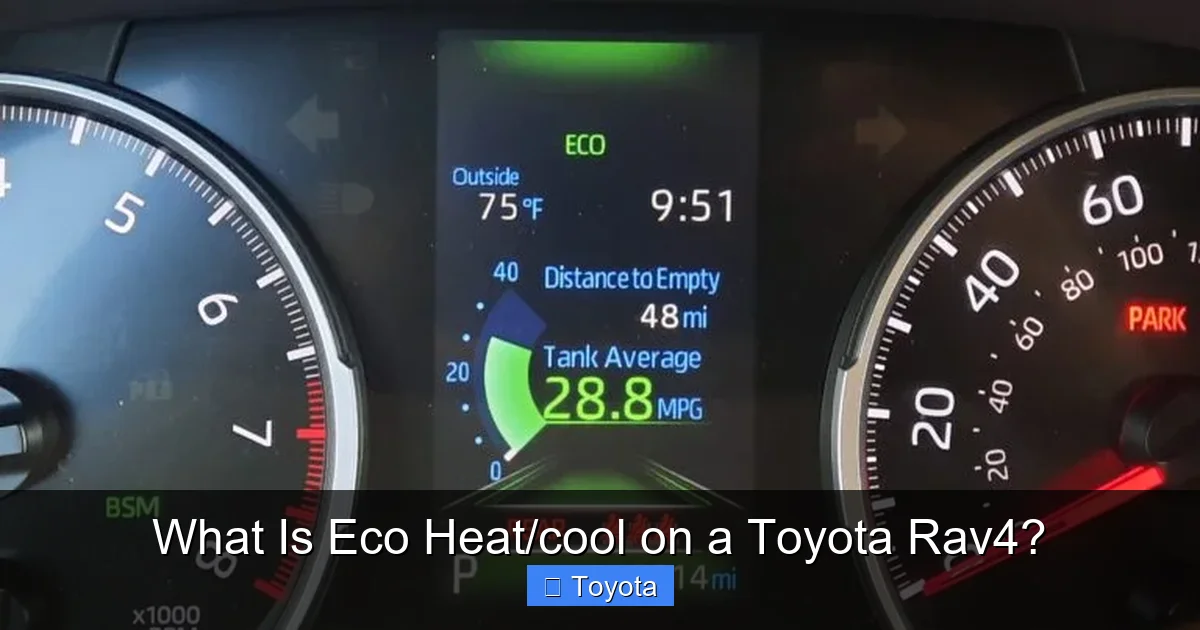
The ideal time to use Eco Heat/Cool is during mild weather—think spring and fall, or even winter in warmer climates. When the outside temperature is between 50°F and 80°F (10°C to 27°C), your cabin doesn’t need extreme heating or cooling. In these conditions, Eco mode can maintain comfort while saving energy. For example, on a crisp autumn morning, you might only need a little warmth to take the chill off. Eco Heat/Cool provides that without cranking the heater to maximum.
City Driving and Short Trips
Stop-and-go traffic and short commutes are perfect for Eco Heat/Cool. Since you’re not driving at high speeds, the cabin doesn’t lose heat or cool air as quickly. The system can maintain temperature with minimal effort. Plus, frequent stops mean the engine and battery have time to recharge, so energy conservation is less critical. Using Eco mode during errands or school drop-offs is a smart way to boost efficiency without any real trade-offs.
Hybrid and Electric-Only Driving
If you’re driving in EV mode (on the RAV4 Prime) or relying heavily on the hybrid system, Eco Heat/Cool is especially useful. It helps preserve battery charge, allowing you to stay in electric mode longer. This is great for reducing noise, emissions, and fuel use in residential areas or parking lots. Just remember: if you need rapid heating or cooling—like defrosting a frozen windshield—switch to regular mode temporarily.
Avoid in Extreme Temperatures
There are times when Eco Heat/Cool isn’t the best choice. During heatwaves (above 90°F or 32°C) or cold snaps (below 32°F or 0°C), your cabin needs more aggressive climate control. In these cases, switch to regular mode to cool or heat the cabin faster. Safety and comfort should always come first. Once the interior is comfortable, you can switch back to Eco mode to maintain temperature efficiently.
Personal Preference Matters
Ultimately, using Eco Heat/Cool comes down to personal preference. Some drivers love the efficiency gains and don’t mind a slightly slower response. Others prefer the instant comfort of full-power climate control. The good news is, you can toggle between modes anytime. Try using Eco mode on your next mild-weather drive and see how it feels. You might be surprised by how little you miss the extra power.
Eco Heat/Cool vs. Regular Climate Mode: A Comparison
To help you decide when to use each mode, let’s compare Eco Heat/Cool with the standard climate setting side by side.
Energy Use
In regular mode, the HVAC system operates at full capacity to reach your desired temperature as quickly as possible. This means high fan speeds, maximum compressor output, and strong heating elements. It’s effective but energy-intensive. Eco Heat/Cool, on the other hand, uses a gradual, optimized approach. It reduces energy consumption by up to 20–30% in some conditions, according to Toyota’s internal testing.
Comfort Level
Regular mode delivers faster results. If you hop into a hot car on a summer afternoon, regular AC will cool the cabin in minutes. Eco mode takes longer but still gets the job done—just more slowly. For most drivers, the difference is barely noticeable once the cabin reaches a comfortable temperature. In fact, many people find that gradual cooling or heating feels more natural and less jarring.
Battery and Fuel Impact
This is where the real difference shows. In a RAV4 Hybrid, using regular climate mode can reduce electric range by 10–15 miles in cold weather. Eco Heat/Cool cuts that loss in half. In gasoline models, the impact is smaller but still measurable—especially on long trips. Over a year of daily driving, the fuel savings can add up to several gallons.
Noise and Wear
Regular mode puts more stress on the HVAC components, leading to more noise and potential wear over time. Eco mode reduces this stress, contributing to quieter operation and longer system life. It’s a win-win for comfort and durability.
Flexibility
The beauty of the RAV4’s system is that you’re not locked in. You can start in Eco mode for efficiency, then switch to regular mode if you need a quick cool-down or warm-up. The transition is seamless, and the system adjusts instantly.
Tips for Maximizing Efficiency with Eco Heat/Cool
Want to get the most out of your RAV4’s Eco Heat/Cool feature? Here are some practical tips to boost efficiency without sacrificing comfort.
Pre-Condition Your Cabin
If your RAV4 has remote start or a connected app (like Toyota’s Remote Connect), use it to pre-heat or pre-cool the cabin while the vehicle is still plugged in (for hybrids) or parked. This reduces the load on the battery and engine when you start driving. For example, on a cold morning, start the heater 10 minutes before you leave. The cabin will be warm, and you can drive in Eco mode right away.
Use Seat Heaters and Ventilated Seats
Instead of heating or cooling the entire cabin, use seat heaters in winter and ventilated seats in summer. These target your body directly and use far less energy than the main HVAC system. Many RAV4 trims come with heated and ventilated front seats—take advantage of them!
Park in the Shade or Use a Sunshade
Sunlight can heat up your car’s interior quickly, making the AC work harder. Whenever possible, park in the shade or use a windshield sunshade. This keeps the cabin cooler and reduces the need for aggressive cooling.
Keep Windows Closed at High Speeds
Open windows create drag, which reduces fuel efficiency. At highway speeds, it’s more efficient to use the climate system with windows up—especially in Eco mode. The system can maintain airflow without the extra resistance.
Regular Maintenance
A well-maintained HVAC system runs more efficiently. Replace the cabin air filter every 15,000 to 30,000 miles, and have the refrigerant levels checked during routine service. A clean, properly charged system uses less energy and performs better in Eco mode.
Combine with Other Eco Features
For maximum efficiency, use Eco Heat/Cool alongside other eco-friendly settings. Activate Eco Drive Mode, use regenerative braking (in hybrids), and avoid rapid acceleration. These small habits add up to big savings over time.
Conclusion
The Eco Heat/Cool feature on the Toyota RAV4 is more than just a button—it’s a thoughtful integration of efficiency, comfort, and sustainability. By intelligently managing how your vehicle heats and cools the cabin, it helps you save fuel, reduce emissions, and extend the life of your hybrid battery. Whether you’re driving a gas-powered RAV4 or a cutting-edge hybrid, this feature offers real benefits without asking you to compromise on comfort.
Used wisely, Eco Heat/Cool can make your daily drives smoother, quieter, and more eco-friendly. It’s especially valuable in mild weather, city driving, and hybrid operation. And because it’s easy to toggle on and off, you always have control. So the next time you’re behind the wheel of your RAV4, give Eco Heat/Cool a try. You might just find that a little efficiency goes a long way.
Frequently Asked Questions
What does the Eco Heat/Cool button do on a Toyota RAV4?
The Eco Heat/Cool button activates a climate control mode that reduces energy use by limiting HVAC system output. It helps save fuel and preserve battery charge in hybrid models while maintaining cabin comfort.
Can I use Eco Heat/Cool in extreme cold or heat?
It’s not recommended in extreme temperatures. Use regular climate mode for faster heating or cooling during heatwaves or cold snaps, then switch back to Eco once the cabin is comfortable.
Does Eco Heat/Cool work on all RAV4 models?
Most newer RAV4 models, especially hybrids and trims with advanced climate systems, include Eco Heat/Cool. Check your owner’s manual or climate control panel to confirm availability.
Will Eco Heat/Cool affect defrosting performance?
No. The system prioritizes safety and will activate full defrost functions when needed, even in Eco mode, to ensure clear visibility.
How much fuel can I save using Eco Heat/Cool?
Exact savings vary, but Toyota estimates up to 20–30% reduction in HVAC energy use. Over time, this can translate to several gallons of fuel saved per year.
Can I turn off Eco Heat/Cool anytime?
Yes. You can switch between Eco and regular climate modes at any time using the climate control panel. The change is instant and seamless.