What Is Covered Under the Mazda Powertrain Warranty?

Contents
- 1 Key Takeaways
- 2 📑 Table of Contents
- 3 Your Car’s Heartbeat: Understanding the Powertrain
- 4 Defining the “Powertrain”: What Components Are Actually Covered?
- 5 The 2026 Warranty Terms: Time and Mileage Limits
- 6 What’s NOT Covered: Crucial Exclusions and Limitations
- 7 How to Navigate a Powertrain Warranty Claim: A Step-by-Step Guide
- 8 Maximizing Your Warranty: Proactive Tips for Mazda Owners
- 9 Conclusion: Peace of Mind Through Knowledge
- 10 Frequently Asked Questions


The Mazda Powertrain Warranty for 2026 models covers the repair or replacement of major powertrain components—including the engine, transmission, and drivetrain—against defects in materials or workmanship for a period of 5 years or 60,000 miles, whichever comes first. It does not cover routine maintenance items, wear-and-tear parts, or damage from misuse or accidents. Understanding exactly what is and isn’t included is crucial for avoiding unexpected repair costs and ensuring you maximize your warranty benefits.
Key Takeaways
- Core Coverage Period: The warranty lasts for 5 years or 60,000 miles, starting from the vehicle’s original in-service date.
- Powertrain Components Defined: It covers the engine (all internal parts), transmission (automatic/manual), transaxle, drive shafts, constant velocity joints, and differentials.
- Transferability: The warranty fully transfers to subsequent private owners during its original term, enhancing resale value.
- Maintenance is Your Responsibility: You must follow Mazda’s recommended maintenance schedule in the owner’s manual; failure to do so can void warranty coverage for related failures.
- Exclusions are Specific: It does not cover wear items (brake pads, filters, belts), tires, batteries, or damage from accidents, neglect, or improper repairs.
- No Deductible for Repairs: There is no charge for warranty-covered repairs at an authorized Mazda dealership.
- Claims Process: You must take your vehicle to a Mazda dealership for diagnosis. The dealership submits the claim directly to Mazda for authorization.
📑 Table of Contents
- Your Car’s Heartbeat: Understanding the Powertrain
- Defining the “Powertrain”: What Components Are Actually Covered?
- The 2026 Warranty Terms: Time and Mileage Limits
- What’s NOT Covered: Crucial Exclusions and Limitations
- How to Navigate a Powertrain Warranty Claim: A Step-by-Step Guide
- Maximizing Your Warranty: Proactive Tips for Mazda Owners
- Conclusion: Peace of Mind Through Knowledge
Your Car’s Heartbeat: Understanding the Powertrain
Think of your Mazda’s powertrain as its beating heart and nervous system combined. It’s the team of components that generates power and delivers it to the wheels, making your car move. When you buy a new 2026 Mazda, one of the most valuable promises the manufacturer makes is to protect this critical system through its powertrain warranty. But what exactly does that promise entail? It’s more than just a vague assurance; it’s a specific, legally binding contract that defines which parts are covered, for how long, and under what conditions. For any Mazda owner, from the driver of a spirited Mazda3 to the family adventurer in a CX-90, knowing the fine print of this warranty is essential knowledge. It transforms a piece of paper into a powerful tool for protecting your investment and your wallet. This guide will walk you through every detail of the 2026 Mazda Powertrain Warranty, turning complex legal jargon into clear, actionable information.
Defining the “Powertrain”: What Components Are Actually Covered?
The term “powertrain” is often thrown around, but its technical definition is what matters for your warranty. For Mazda’s 2026 models, the powertrain warranty specifically covers the following major assemblies and all of their internally lubricated parts. It’s a “parts-only” coverage for these specific systems, meaning the labor to replace them is included.
Visual guide about What Is Covered Under the Mazda Powertrain Warranty?
Image source: dealerimages.dealereprocess.com
The Engine and All Its Internal Parts
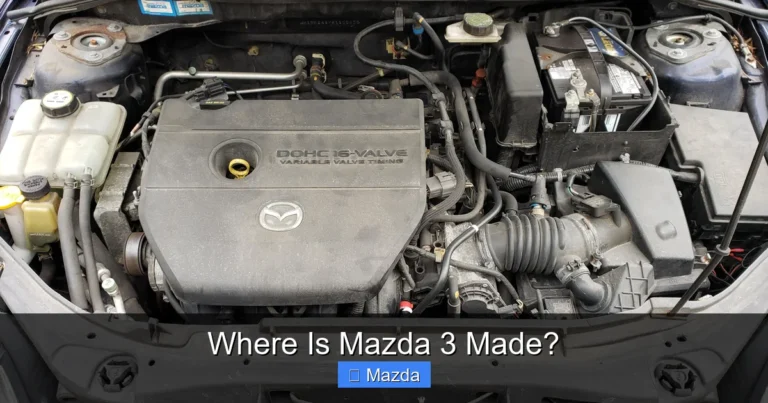
This is the powerhouse. Coverage includes the engine block, cylinder heads, crankshaft, camshafts, pistons, connecting rods, valves, valve springs, lifters, timing chain/belt (and tensioners/guides), water pump (if driven by the timing belt/chain), seals, and gaskets. Essentially, if a part’s failure prevents the engine from creating power due to a manufacturing defect, it’s covered. This does not include external parts like the alternator, starter motor, fuel injectors (on some models, check your manual), hoses, belts (except timing), or the exhaust system.
The Transmission and Transaxle
Whether you have a smooth-shifting automatic or a manual transmission, the core mechanism is covered. This includes the transmission case, torque converter (in automatics), clutch (in manuals), gears, shafts, bearings, solenoids, valve body, and internal seals and gaskets. The transaxle, which combines the transmission and differential in front-wheel-drive models like the Mazda3, is also included under this umbrella. Electronic control modules (TCM) that are integral to the transmission’s function are typically covered, but it’s wise to confirm.
The Drive System: From Transmission to Wheels
Once power leaves the transmission, the warranty continues to protect the components that route it to the wheels. This includes:
- Drive Shafts: The spinning rods that transfer torque.
- Constant Velocity (CV) Joints: The flexible joints on front-wheel-drive axles that allow for steering and suspension movement.
- Differentials: The gears that split power to the left and right wheels, allowing them to rotate at different speeds during turns. This includes both the front and rear differentials in AWD models like the CX-50 and CX-90.
- Final Drive: The gears that provide the final gear reduction before the axles.
For a deeper dive into how these components work together and why they’re so critical, understanding basic drivetrain layouts like FWD, RWD, and AWD is helpful. While Mazda’s system is robust, comparing coverage philosophies can be insightful. For instance, you might explore what is covered under the Nissan powertrain warranty to see how another major manufacturer structures its protection plan.
The 2026 Warranty Terms: Time and Mileage Limits
For all 2026 Mazda vehicles sold in the United States, the New Vehicle Limited Warranty provides powertrain coverage for 5 years or 60,000 miles, whichever occurs first. The clock starts ticking on the “in-service date,” which is the date the first retail buyer takes delivery of the vehicle. This is a “basic” or “bumper-to-bumper” warranty period for other items, but the powertrain warranty often extends further in time for some brands. In Mazda’s case, the powertrain warranty duration is tied directly to the overall basic warranty period. It’s important to note that this is a federal minimum in some contexts, but Mazda’s standard offering aligns with this. If you sell your car privately, the remaining powertrain warranty coverage automatically transfers to the new owner at no extra cost—a significant selling point. However, this transferability does not apply if the vehicle is first sold as a lease or is titled to a business. For comparison, some competitors offer longer powertrain-only periods (e.g., 10 years/100,000 miles), so it’s always smart to check the specific window sticker (“Monroney label”) of the exact vehicle you’re considering.
Visual guide about What Is Covered Under the Mazda Powertrain Warranty?
Image source: i.redd.it
What’s NOT Covered: Crucial Exclusions and Limitations
Understanding what’s excluded is just as important as knowing what’s included. The powertrain warranty is for defects in materials or workmanship. It is not a maintenance policy or an “anything-breaks” insurance policy. Here are the primary exclusions:

Visual guide about What Is Covered Under the Mazda Powertrain Warranty?
Image source: fixdapp.com
Routine Maintenance and Wear Items
You are 100% responsible for all scheduled maintenance outlined in your owner’s manual. This includes oil changes, tire rotations, filter replacements (engine air, cabin, oil), spark plugs, belts (serpentine, accessory), brake pads and rotors, clutch discs (on manuals), and wiper blades. These are considered consumable wear items and their failure is not due to a manufacturing defect but to normal use.
Damage from External Factors or Misuse
The warranty is void for any damage caused by:
- Accidents, collisions, or vandalism.
- Neglect, such as running the engine low on oil or coolant.
- Improper fuel or fluids (using the wrong octane or coolant type).
- Modifications or aftermarket parts that cause or contribute to a failure.
- Environmental damage (flooding, hail, etc.).
- Using the vehicle for racing or other competitive activities.
Other Vehicle Systems
The powertrain warranty does not cover the electrical system (battery, alternator, starter), HVAC system, suspension components (shocks, struts, control arms), steering system, body panels, interior trim, or the audio system. These are covered under other portions of the New Vehicle Limited Warranty, typically for a shorter period (e.g., 3 years/36,000 miles for most accessories). For example, a cracked windshield from a road chip is generally not a powertrain issue; coverage for glass might fall under a separate “comprehensive” provision or require a specific windshield warranty, as you might see with Toyota’s warranty policies on glass.
If you suspect a powertrain component has failed, here is the correct procedure to ensure your claim is handled smoothly.
Step 1: Recognize the Symptoms
Pay attention to warning lights (check engine, transmission temperature), unusual noises (knocking, whining, clunking), performance issues (slipping, harsh shifting, loss of power), or leaks (engine oil, transmission fluid). Document when the symptoms occur.
Step 2: Contact Your Mazda Dealer Immediately
Do not wait. Schedule a diagnostic appointment. When you call, clearly state you believe you have a powertrain issue and that you wish to have it diagnosed under warranty. Do not authorize any non-warranty repairs until a warranty diagnosis is complete.
Step 3: The Diagnostic Process
The dealer’s service technicians will connect diagnostic computers to read trouble codes and perform physical inspections. This diagnostic time is typically covered by Mazda if a warrantable failure is found. If the issue is unrelated to the powertrain or is an exclusion, you may be responsible for the diagnostic fee.
Step 4: Warranty Authorization and Repair
If the technician confirms a warrantable failure of a covered component, the dealership submits a claim to Mazda for authorization. Once approved, the repair is performed at no cost to you for parts and labor. You will receive a detailed invoice showing a $0 balance.
Step 5: Keep All Paperwork
File away your repair orders, invoices, and any correspondence. While the dealer handles the warranty claim with Mazda, these documents are your proof of service and are critical if there is ever a dispute about the warranty’s validity or the nature of the repair.
Maximizing Your Warranty: Proactive Tips for Mazda Owners
A warranty is a promise, but its value depends on you holding up your end of the bargain. Here’s how to be a savvy warranty holder.
Follow the Maintenance Schedule RELIGIOUSLY
This is the single most important thing you can do. Use the maintenance minder system in your Mazda and/or the detailed schedule in your owner’s manual. Keep every single receipt for oil changes, tire rotations, and other services. A complete, unbroken service history is your best defense if Mazda ever questions whether a failure was due to neglect. It’s also a goldmine for future resale value.
Use Genuine Mazda Fluids and Parts for Maintenance
While you can use aftermarket oil filters or brake pads for routine maintenance, using the specified fluids (engine oil, coolant, transmission fluid) of the correct type and viscosity is non-negotiable. Using the wrong fluid can cause catastrophic damage and void your warranty. When in doubt, consult your dealer or the owner’s manual specifications.
Address Small Problems Before They Become Big Ones
That minor transmission fluid leak, the slight engine rough idle, or the unusual noise when turning—get it checked immediately. What might be a simple, cheap gasket repair under warranty can turn into a destroyed transmission if ignored, and the resulting damage may not be covered because it was caused by a lack of maintenance (failing to address the leak).
Understand Your Warranty’s Transferability for Future Sales
When you sell your 2026 Mazda, the remaining powertrain warranty is a huge plus. Be sure to provide the new owner with the vehicle’s original window sticker and a copy of the maintenance records. You can also request a formal warranty transfer letter from Mazda Customer Experience to confirm the remaining coverage. This transparency builds buyer confidence and can increase your sale price. For context, the transfer policies of other brands differ; for example, Subaru’s warranty transfer process has its own specific rules that potential buyers might research.
Know What’s Covered Elsewhere
Remember, your powertrain warranty is just one piece. The basic “bumper-to-bumper” warranty covers most other components for 4 years/50,000 miles on 2026 models. The corrosion perforation warranty covers body panels for 7 years (no mileage limit). The federal emissions warranty covers specific emissions-related parts for 8 years/80,000 miles. Knowing these boundaries helps you plan for future maintenance costs outside the powertrain’s scope.
Conclusion: Peace of Mind Through Knowledge
The Mazda Powertrain Warranty on your 2026 model is a significant benefit that provides substantial protection for your vehicle’s most vital and expensive systems. It covers the engine, transmission, and drivetrain against factory defects for 5 years or 60,000 miles, with no deductible for authorized repairs. However, this protection is not automatic or absolute. It is a conditional promise that requires your active participation through diligent, documented maintenance and proper vehicle care. By understanding the precise list of covered components, the critical exclusions for wear items and damage, and the correct claims procedure, you move from being a passive beneficiary to an empowered owner. You can drive your Mazda with confidence, knowing that if a core component fails due to a manufacturing flaw, Mazda will make it right. And when it comes time to sell, a well-maintained vehicle with a transferable powertrain warranty is a standout proposition in any marketplace. Keep your owner’s manual handy, keep your service records complete, and enjoy the drive.
Frequently Asked Questions
Is the Mazda powertrain warranty transferable to a second owner?
Yes, the remaining powertrain warranty coverage fully transfers to subsequent private owners for the original 5-year/60,000-mile term. It does not transfer if the vehicle is first titled to a business or leased.
Does the powertrain warranty cover the timing belt or chain?
Yes, the timing belt or chain and its associated tensioners and guides are considered internal engine parts and are covered if they fail due to a defect in materials or workmanship. However, if you fail to replace the belt at the recommended interval and it breaks, causing engine damage, that damage would not be covered as it results from lack of maintenance.
Are CV joints and axles covered under the powertrain warranty?
Yes, constant velocity (CV) joints and the drive axles they are part of are explicitly covered components of the drivetrain. Failure due to a manufacturing defect is warrantable, but damage from road hazards or improper installation of aftermarket parts is not.
Does the powertrain warranty provide a rental car while my car is being repaired?
Mazda’s standard powertrain warranty does not include a rental car allowance. However, some dealers may offer a loaner vehicle as a customer convenience. You should also check if you have rental reimbursement coverage on your personal auto insurance policy, which would apply for warranty-related repairs.
What happens if I miss a scheduled oil change? Is my powertrain warranty void?
Missing a single maintenance item does not automatically void your entire warranty. However, if an engine or transmission failure occurs and Mazda can prove that the failure was directly caused by your failure to perform required maintenance (e.g., severe engine damage from running low on oil), they can deny the claim. A consistent, documented service history is your best defense.
Are hybrid or electric vehicle components covered by the powertrain warranty?
For Mazda’s mild-hybrid (M Hybrid) systems found in some 2026 models, the warranty typically covers the hybrid-specific components (like the motor-generator unit and battery) under the powertrain warranty, as they are integral to the drivetrain. For a fully electric Mazda (when available), the battery pack and electric drive units would have their own specific warranty coverage, often with longer terms (e.g., 8 years/100,000 miles). Always confirm the specific coverage in your vehicle’s warranty booklet.