What Is Attention Level in a Kia?

Contents
- 1 Key Takeaways
- 2 📑 Table of Contents
- 3 What Is Attention Level in a Kia?
- 4 How Does the Attention Level System Work?
- 5 What Happens When the System Detects Low Attention?
- 6 Which Kia Models Have the Attention Level System?
- 7 Real-World Examples: When the System Helps
- 8 Tips for Getting the Most Out of the Attention Level System
- 9 Limitations and What to Keep in Mind
- 10 Conclusion
- 11 Frequently Asked Questions



The attention level in a Kia is a smart feature that monitors your driving behavior to detect signs of fatigue or distraction. It uses sensors and algorithms to assess steering patterns, lane position, and other cues, then alerts you if it senses reduced alertness—helping prevent accidents before they happen.
Key Takeaways
- Attention level is a driver fatigue detection system: It analyzes your driving habits to identify drowsiness or inattention.
- It uses real-time data from vehicle sensors: Steering input, lane departure, and speed variations help assess your focus.
- Alerts appear on the dashboard: Visual and audio warnings prompt you to take a break when needed.
- Available on most modern Kia models: Found in vehicles with advanced driver assistance systems (ADAS).
- Not a substitute for rest: The system encourages safe habits but doesn’t replace the need for proper sleep.
- Can be customized or disabled: Drivers can adjust sensitivity or turn off the feature in settings.
- Part of Kia’s commitment to safety: Reflects the brand’s focus on proactive driver support and accident prevention.
📑 Table of Contents
- What Is Attention Level in a Kia?
- How Does the Attention Level System Work?
- What Happens When the System Detects Low Attention?
- Which Kia Models Have the Attention Level System?
- Real-World Examples: When the System Helps
- Tips for Getting the Most Out of the Attention Level System
- Limitations and What to Keep in Mind
- Conclusion
What Is Attention Level in a Kia?
Have you ever been driving down the highway after a long day at work, only to realize your eyes are getting heavy and your focus is slipping? Maybe you’ve nodded off for just a second, or found yourself drifting slightly into the next lane. These moments are more common than you think—and they’re also incredibly dangerous. That’s where Kia’s attention level system comes in.
The attention level in a Kia is an intelligent driver monitoring feature designed to help keep you safe on the road. It’s not a high-tech robot taking over the wheel, but rather a smart assistant that watches how you drive and steps in when it senses you might be losing focus. Whether you’re tired, distracted, or just not fully alert, this system acts as an extra set of eyes—and a gentle nudge—to remind you to pay attention.
This feature is part of Kia’s broader suite of advanced driver assistance systems (ADAS), which also includes things like lane-keeping assist, forward collision warning, and adaptive cruise control. But unlike those systems that react to external hazards, the attention level system focuses inward—on you, the driver. It’s a proactive safety tool that helps prevent accidents before they happen, simply by encouraging better driving habits and timely breaks.
How Does the Attention Level System Work?
Visual guide about What Is Attention Level in a Kia?
Image source: hondatheotherside.com
So, how exactly does Kia’s attention level system figure out if you’re paying attention? It’s not magic—it’s smart engineering. The system uses a combination of sensors, cameras, and software algorithms to monitor your driving behavior in real time. Think of it like a fitness tracker for your driving: it collects data, analyzes patterns, and gives you feedback based on what it sees.
Monitoring Steering Input and Patterns
One of the main ways the system detects inattention is by analyzing your steering wheel movements. When you’re fully alert and engaged, your steering tends to be smooth and consistent. You make small, intentional corrections to stay centered in your lane. But when you’re tired or distracted, your steering can become erratic—jerky, overly aggressive, or unusually passive.
For example, if you’re fighting sleep, you might drift slightly to one side, then overcorrect by jerking the wheel back. Or you might hold the wheel too still, as if you’re zoning out. The attention level system picks up on these subtle changes. It tracks things like how often you make steering adjustments, how sharp those adjustments are, and whether your movements match the road’s curvature.
Lane Position and Drift Detection
Another key factor is your vehicle’s position within the lane. Kia vehicles equipped with lane-keeping assist use a front-facing camera to monitor lane markings. The attention level system uses this same data to assess how well you’re staying centered.
If the car starts to drift toward the edge of the lane without a turn signal, the system takes note. Frequent or sudden lane departures—especially without corrective action—can be a sign of drowsiness or distraction. The system doesn’t just look at one instance; it evaluates patterns over time. A single drift might not trigger an alert, but repeated drifting over several minutes could.
Speed and Acceleration Patterns
Your speed and how you accelerate also play a role. A fully alert driver tends to maintain a steady speed and respond smoothly to traffic changes. But a tired driver might slow down unintentionally, speed up without realizing it, or brake abruptly.
For instance, if you’re nodding off, you might not notice that the car ahead has slowed down, leading to a sudden brake application. Or you might let your foot off the gas without meaning to, causing a drop in speed. These inconsistencies can signal reduced attention, and the system logs them as potential red flags.
Time-Based Triggers
In addition to real-time behavior, the attention level system also considers how long you’ve been driving. Most Kia models start monitoring after you’ve been on the road for about 30 to 60 minutes. The longer you drive without a break, the more sensitive the system becomes.
This is based on research showing that driver fatigue increases significantly after two hours of continuous driving. So, even if your steering and lane position are perfect, the system might still suggest a break if you’ve been driving for a long time—especially at night or during low-traffic conditions when drowsiness is more likely.
What Happens When the System Detects Low Attention?
Visual guide about What Is Attention Level in a Kia?
Image source: hondatheotherside.com
Now that you know how the system works, you’re probably wondering: what does it actually do when it thinks you’re not paying attention? The response is designed to be helpful, not annoying. Kia wants to keep you safe, not startle you or distract you further.
Visual and Audio Alerts
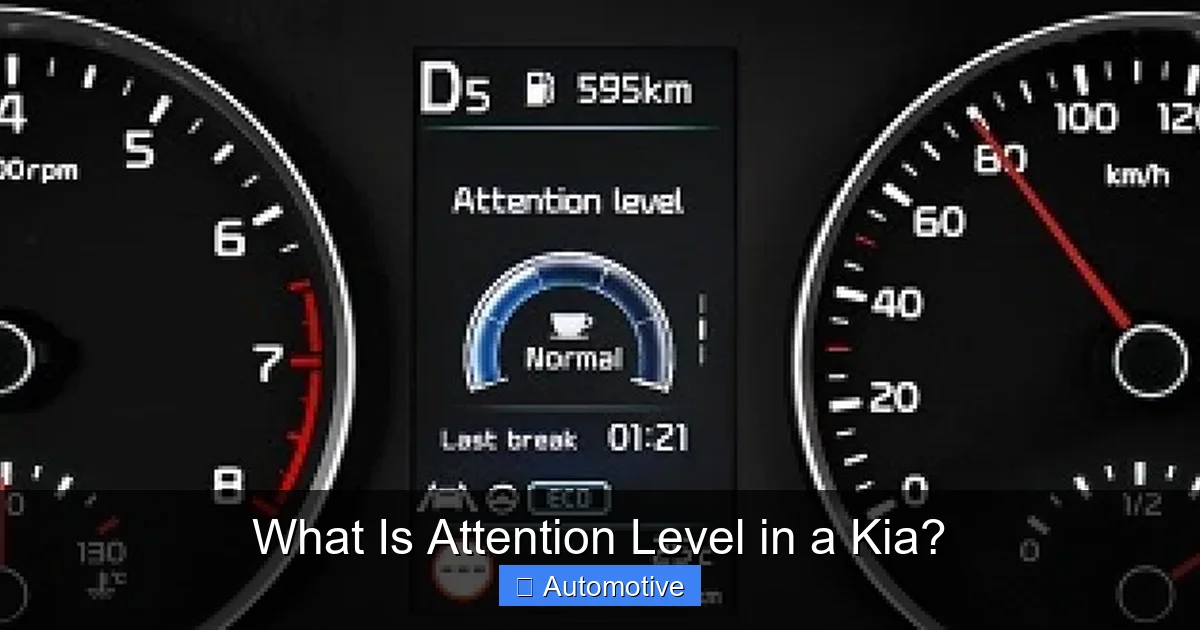
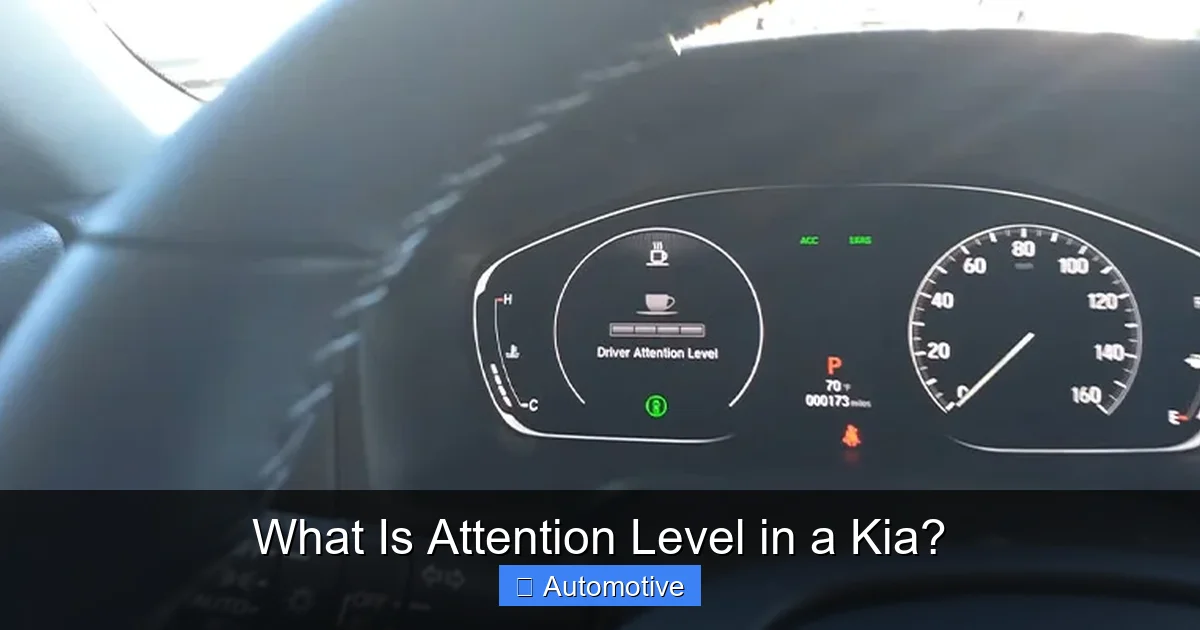
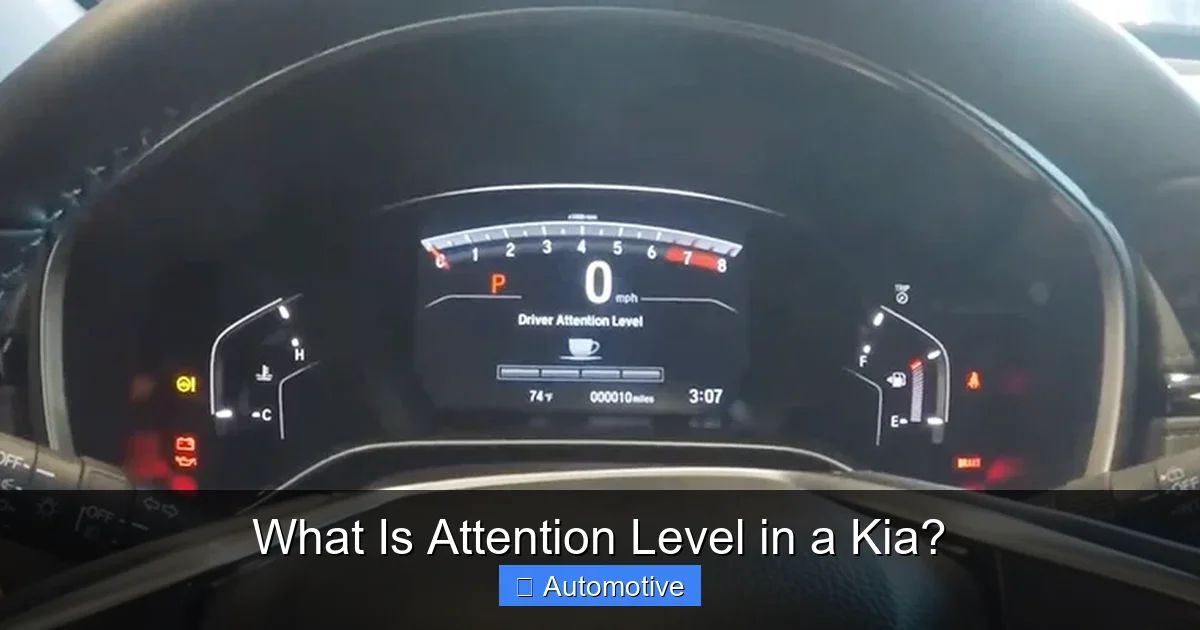
When the attention level system detects signs of fatigue or inattention, it first sends a visual alert on the instrument cluster or dashboard screen. You might see a message like “Take a Break” or an icon of a coffee cup—a universal symbol for rest.
At the same time, many Kia models also play a soft chime or tone to get your attention. The sound is gentle but noticeable, designed to wake you up without causing panic. It’s not a loud alarm, just a friendly reminder that it’s time to pull over.
Suggested Actions
Along with the alert, the system often suggests specific actions. For example, it might recommend finding a rest area, drinking water, or getting some fresh air. Some models even integrate with navigation systems to suggest nearby rest stops or gas stations with parking.
The goal is to make it easy for you to respond. Instead of just saying “you’re tired,” it gives you a clear next step. This proactive approach helps turn awareness into action.
Adjustable Sensitivity and Customization
Not every driver is the same. Some people drive more aggressively, others more cautiously. That’s why Kia allows you to adjust the sensitivity of the attention level system in the vehicle settings.
You can choose from levels like “Low,” “Medium,” or “High,” depending on your driving style and preferences. If you find the alerts too frequent, you can tone them down. If you want extra protection on long trips, you can make it more sensitive.
You can also disable the feature entirely if you prefer—though Kia strongly recommends keeping it on for safety. Just remember: turning it off means you’re relying solely on your own judgment, which can be compromised when you’re tired.
Which Kia Models Have the Attention Level System?
Visual guide about What Is Attention Level in a Kia?
Image source: stage-drupal.car.co.uk
Good news: the attention level system is available on most modern Kia vehicles, especially those with higher trim levels or advanced safety packages. It’s become a standard feature on many popular models as part of Kia’s commitment to safety and innovation.
Popular Models with Attention Level
Here are some of the Kia models that typically include the attention level system:
– **Kia Sorento**: This midsize SUV offers the feature on most trims, especially with the available Advanced Driver Assistance Package.
– **Kia Telluride**: As Kia’s flagship SUV, the Telluride comes well-equipped with safety tech, including attention monitoring.
– **Kia Sportage**: The latest generation Sportage includes the system on higher trims like the SX and X-Line.
– **Kia K5**: This stylish sedan offers the feature on GT-Line and GT trims.
– **Kia EV6**: Kia’s electric crossover includes advanced driver monitoring as part of its high-tech cabin experience.
Even if your specific model doesn’t have it standard, it may be available as an option or part of a safety package. Always check your owner’s manual or ask your dealer to confirm.
How to Check if Your Kia Has It
If you’re not sure whether your Kia has the attention level system, here’s a quick way to check:
1. Start your car and look at the instrument cluster or infotainment screen.
2. Navigate to the “Settings” menu.
3. Look for options like “Driver Assistance,” “Safety,” or “Vehicle Settings.”
4. Scroll through to see if “Driver Attention Warning” or “Attention Level” is listed.
If you see it, you’re all set. If not, your model may not be equipped—but you can still practice safe driving habits.
Real-World Examples: When the System Helps
Let’s bring this to life with a few real-world scenarios where the attention level system can make a real difference.
Scenario 1: Long Road Trip at Night
Imagine you’re driving from Chicago to Detroit after a long day at work. It’s 11 p.m., and you’re feeling the effects of fatigue. You’ve been on the road for over two hours, and the highway is quiet.
Suddenly, your Kia’s dashboard lights up with a coffee cup icon and a soft chime. The message reads: “Take a Break. You’ve been driving for a while.”
You realize you’ve been zoning out, and your steering has become a little sloppy. Thanks to the alert, you pull over at the next rest area, stretch your legs, and grab a coffee. Twenty minutes later, you’re refreshed and ready to continue—safely.
Without the system, you might have pushed through, increasing your risk of a drowsy driving accident.
Scenario 2: Distracted by Your Phone
You’re driving home from the grocery store, and your phone buzzes with a text. You glance down for just a second—but that’s enough to cause a slight drift toward the center line.
Your Kia’s attention level system notices the sudden lane departure and the lack of steering correction. It triggers an alert, reminding you to focus.
You put your phone away, grip the wheel, and regain full attention. The system helped you avoid a potential sideswipe or head-on collision.
Scenario 3: After a Sleepless Night
You didn’t sleep well last night, but you have an early meeting. You decide to drive anyway, thinking you can “push through.”
Within 30 minutes, your Kia’s system detects irregular steering and slow reaction times. It alerts you to take a break. You pull over, close your eyes for 15 minutes, and feel noticeably better.
The system didn’t just protect you—it may have saved your life.
Tips for Getting the Most Out of the Attention Level System
The attention level system is a powerful tool, but it works best when used correctly. Here are some practical tips to make the most of it:
Keep It Enabled
Even if you’re a confident driver, don’t disable the system. Fatigue and distraction can affect anyone—even experienced drivers. Let the system do its job.
Use It on Long Trips
The system is especially valuable on road trips, commutes, or late-night drives. Make it a habit to rely on it when you’re tired.
Respond to Alerts Promptly
When you get an alert, don’t ignore it. Pull over at the next safe spot and take a real break—15 to 20 minutes is ideal.
Combine with Other Safety Habits
The attention level system is just one part of safe driving. Pair it with good habits like getting enough sleep, avoiding alcohol before driving, and taking regular breaks.
Check System Status Regularly
Make sure the system is functioning properly. If you notice it’s not alerting you when it should, have it checked by a Kia service center.
Limitations and What to Keep in Mind
While the attention level system is helpful, it’s not perfect. It has limitations, and understanding them is key to using it wisely.
It Can’t Detect All Forms of Distraction
The system focuses on physical driving behavior—steering, lane position, speed. It can’t detect if you’re mentally distracted, like daydreaming or stressing about work. It also can’t see if you’re texting or adjusting the radio.
That’s why it’s still important to minimize distractions and stay mentally engaged.
Weather and Road Conditions Matter
Heavy rain, snow, or poorly marked lanes can interfere with the camera and sensors. In these conditions, the system may not work as well—or may give false alerts.
Always drive carefully in bad weather, even with advanced safety features.
It’s Not a Replacement for Sleep
No system can make up for a lack of rest. If you’re severely sleep-deprived, the best thing you can do is pull over and sleep—not just take a short break.
The attention level system is a reminder, not a cure.
Conclusion
The attention level in a Kia is more than just a dashboard alert—it’s a smart, proactive safety feature designed to protect you on the road. By monitoring your driving behavior, it helps detect fatigue and distraction before they lead to accidents. Whether you’re on a long road trip, driving late at night, or just feeling a bit off, this system acts as a reliable co-pilot, reminding you to stay alert and take breaks when needed.
While it’s not a substitute for good sleep or responsible driving, it’s a valuable tool in your safety toolkit. Combined with other Kia safety features and smart habits, it helps make every journey safer.
So the next time you see that coffee cup icon light up, don’t ignore it. Take it as a sign to pull over, stretch, and recharge. Your safety—and the safety of others—is worth it.
Frequently Asked Questions
What does the attention level in a Kia actually do?
The attention level system monitors your driving behavior—like steering, lane position, and speed—to detect signs of fatigue or distraction. When it senses reduced alertness, it alerts you with visual and audio warnings to take a break.
Can I turn off the attention level system in my Kia?
Yes, you can disable or adjust the sensitivity of the attention level system in your vehicle settings. However, Kia recommends keeping it on for safety, especially on long drives.
Does the attention level system work in all weather conditions?
The system works best in clear conditions with visible lane markings. Heavy rain, snow, or fog can reduce its effectiveness, so always drive cautiously in poor weather.
How accurate is the attention level system?
It’s highly effective at detecting physical signs of fatigue, like erratic steering or lane drifting. However, it can’t detect mental distractions like daydreaming, so it’s not 100% foolproof.
Which Kia models come with the attention level feature?
Most modern Kia models with advanced safety packages—including the Sorento, Telluride, Sportage, K5, and EV6—offer the attention level system, usually on higher trims.
What should I do when the attention level alert appears?
When you see the alert, find a safe place to pull over as soon as possible. Take a 15- to 20-minute break, stretch, hydrate, or nap if needed. Don’t ignore the warning—your safety matters.