What Is a Key Fob for a Car
A key fob for a car is a small, handheld electronic device that allows drivers to remotely lock, unlock, start, and sometimes even locate their vehicle. It combines convenience with advanced security features, replacing traditional keys in many modern cars.
In This Article
- 1 Key Takeaways
- 2 📑 Table of Contents
- 3 What Is a Key Fob for a Car?
- 4 How Does a Car Key Fob Work?
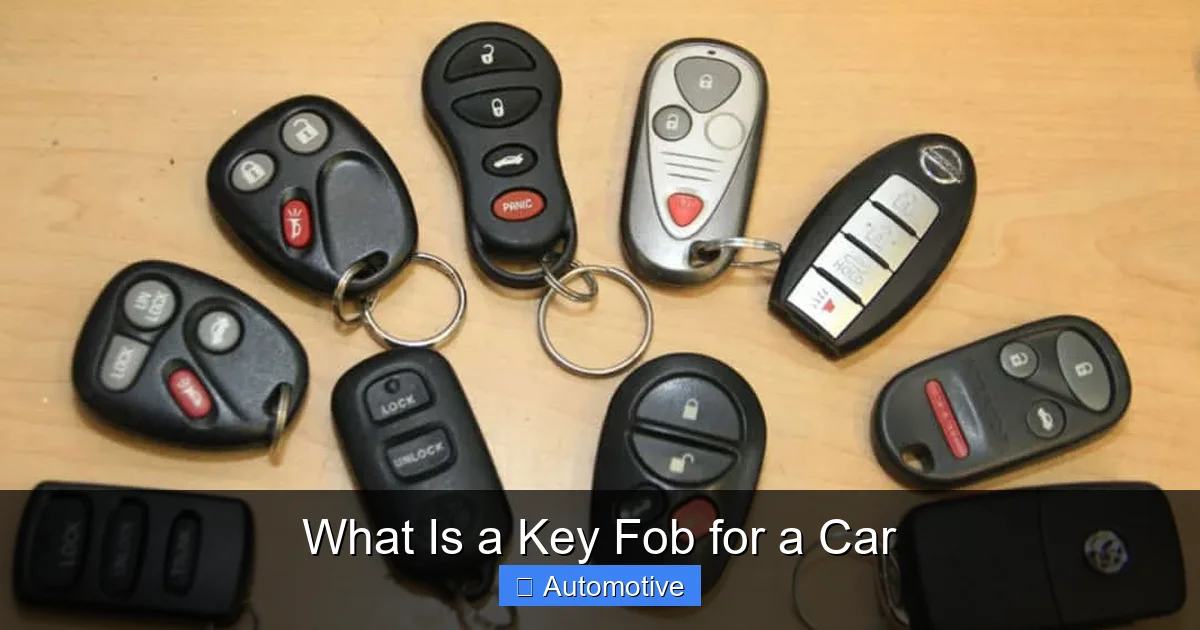
- 5 Types of Car Key Fobs
- 6 Key Features and Functions of a Car Key Fob
- 7 Maintaining and Replacing Your Car Key Fob
- 8 Security Risks and How to Protect Your Key Fob
- 9 The Future of Car Key Fobs
- 10 Conclusion
- 11 Frequently Asked Questions
Key Takeaways
- Remote Access: A car key fob enables drivers to lock and unlock their vehicle from a distance, often up to 100 feet away, using radio frequency signals.
- Push-Button Start: Many key fobs support keyless ignition, allowing the engine to start with the press of a button when the fob is inside the car.
- Enhanced Security: Key fobs use encrypted signals and rolling codes to prevent theft and unauthorized access, making them more secure than traditional keys.
- Additional Features: Modern fobs may include panic alarms, trunk release, remote start, and GPS tracking for added convenience and safety.
- Battery-Powered: Most key fobs run on small lithium batteries that last 2–5 years and can be replaced when the signal weakens.
- Compatibility and Replacement: Key fobs are vehicle-specific and often require professional programming if lost or damaged, though some can be self-programmed.
- Smart Key Evolution: Advanced versions, like smart keys or proximity fobs, allow hands-free access and automatic locking/unlocking as you approach or leave the car.
📑 Table of Contents
What Is a Key Fob for a Car?
Imagine walking up to your car on a rainy evening, groceries in hand, and with just a press of a button, your doors unlock automatically. No fumbling for keys, no struggling with wet hands—just seamless access. That’s the magic of a key fob for a car. It’s a small, handheld device that communicates with your vehicle using wireless technology, giving you remote control over various functions like locking, unlocking, and even starting the engine.
But a key fob is more than just a remote. It’s a sophisticated piece of automotive technology that blends convenience, security, and innovation. Whether you’re driving a compact sedan or a luxury SUV, chances are your car uses some form of key fob. From basic models that only lock and unlock doors to advanced smart keys that let you start your car without ever taking the fob out of your pocket, these devices have revolutionized how we interact with our vehicles.
In this comprehensive guide, we’ll explore everything you need to know about car key fobs—what they are, how they work, their features, types, maintenance, and what to do if you lose one. Whether you’re a new car owner or just curious about modern automotive tech, this article will give you a clear, friendly, and practical understanding of this everyday essential.
How Does a Car Key Fob Work?

Visual guide about What Is a Key Fob for a Car
Image source: lockandkeycentre.co.uk
At its core, a key fob for a car is a wireless transmitter that sends signals to a receiver in your vehicle. When you press a button on the fob—like “lock” or “unlock”—it sends a unique radio frequency (RF) signal to your car. The car’s onboard computer recognizes this signal and performs the requested action. It’s like a secret handshake between your fob and your car, but one that’s encrypted and constantly changing to prevent hacking.
Radio Frequency Communication
Most key fobs operate on radio frequencies, typically in the 315 MHz or 433 MHz range, depending on the region. When you press a button, the fob sends a coded signal through an internal antenna. Your car has a receiver—usually located in the door handles, dashboard, or trunk—that picks up this signal. If the code matches what the car expects, the command is executed. For example, pressing the unlock button sends a signal that tells the car’s central locking system to disengage the door locks.
Rolling Code Technology
One of the most important security features of modern key fobs is rolling code technology, also known as a hopping code. This means that every time you press a button, the fob sends a new, unique code. Even if a thief records the signal, they can’t reuse it because the next code will be different. This prevents “code grabbing” or “replay attacks,” where criminals capture and replay your fob’s signal to gain access.
Battery and Power Source
Key fobs are powered by small lithium coin-cell batteries, usually CR2032 or similar. These batteries typically last between 2 to 5 years, depending on usage. When the battery starts to die, you might notice that the fob’s range decreases—you have to be closer to the car for it to work—or the buttons become less responsive. Most fobs have a low-battery indicator, either through a warning light on the dashboard or reduced functionality.
Integration with Vehicle Systems
Modern key fobs don’t just control locks. They’re deeply integrated with your car’s electronic systems. For example, when you press the remote start button, the fob sends a signal that tells the engine to start, the climate control to activate, and sometimes even the defrosters to turn on. In vehicles with proximity sensors, the fob communicates with the car as you approach, automatically unlocking the doors when you’re within a few feet.
Types of Car Key Fobs

Visual guide about What Is a Key Fob for a Car
Image source: antiquesnavigator.com
Not all key fobs are created equal. Over the years, automotive manufacturers have developed several types of key fobs, each offering different levels of functionality and convenience. Understanding the differences can help you make informed decisions when buying a car or replacing a lost fob.
Traditional Remote Key Fob
This is the most common type of key fob. It looks like a small plastic remote with buttons for lock, unlock, trunk release, and panic alarm. It requires a physical key to start the car, which is usually stored inside the fob. You insert this key into the ignition or a designated slot to turn on the engine. These fobs are reliable, affordable, and widely used in economy and mid-range vehicles.
For example, a Honda Civic or Toyota Corolla often comes with a traditional remote key fob. You press the unlock button to open the doors, then use the physical key to start the car. It’s simple, effective, and familiar to most drivers.
Keyless Entry and Push-Button Start Fob
This type of fob eliminates the need for a physical key altogether. Instead, it uses proximity sensors. As long as the fob is inside the car—usually in your pocket or purse—you can press a button on the dashboard to start the engine. The car detects the fob’s signal and allows ignition.
These fobs often have buttons for lock, unlock, and trunk release, but no physical key blade. They’re common in mid-to-high-end vehicles like the Ford Mustang, Hyundai Sonata, or Subaru Outback. The convenience is unmatched—no more digging for keys when your hands are full.
Smart Key or Proximity Fob
Smart keys represent the next level of convenience. These fobs don’t require you to press any buttons at all. Simply walking up to the car with the fob in your pocket triggers the doors to unlock automatically. Walk away, and the car locks itself. Some models even adjust the seat, mirrors, and climate settings based on your preferences when they detect your fob.
Luxury brands like BMW, Mercedes-Benz, and Lexus often feature smart keys. For instance, a BMW i3 or a Lexus RX will unlock as you approach and start with a simple button press—no fumbling required.
Flip Key Fob
A flip key fob combines the remote functionality with a retractable physical key. The key blade folds into the fob and flips out when needed, usually for manual entry or starting the car in case of a dead battery. This design is popular in vehicles like the Volkswagen Golf or the Mazda CX-5.
The flip mechanism keeps the key protected when not in use and gives you a backup option if the fob fails. It’s a practical hybrid between traditional and modern designs.
Smartphone-Based Digital Key Fobs
The latest innovation in key fob technology is the digital key, which turns your smartphone into a virtual fob. Using Bluetooth or NFC (Near Field Communication), your phone communicates with the car to unlock, start, and even share access with others.
For example, Tesla owners can use the Tesla app to unlock and drive their car without any physical key. BMW and Hyundai also offer digital key features through their apps. This trend is growing, especially as cars become more connected and integrated with mobile technology.
Key Features and Functions of a Car Key Fob

Visual guide about What Is a Key Fob for a Car
Image source: endurancewarranty.com
A key fob for a car is packed with features that go beyond simple locking and unlocking. These functions enhance safety, convenience, and peace of mind for drivers. Let’s break down the most common and useful features you’ll find on modern key fobs.
Remote Lock and Unlock
This is the most basic and essential function. With a press of a button, you can lock or unlock all doors from up to 100 feet away. This is especially helpful in bad weather, at night, or when your hands are full. Some fobs even allow you to unlock just the driver’s door first, then all doors with a second press—adding an extra layer of security.
Panic Alarm
The panic button (usually marked with a horn or alarm icon) triggers the car’s alarm system and flashes the lights. This can be used to scare off intruders, attract attention in an emergency, or locate your car in a crowded parking lot. It’s a simple but powerful safety feature.
Trunk Release
Many key fobs include a button to remotely open the trunk or liftgate. This is incredibly convenient when you’re carrying groceries, luggage, or other heavy items. Just press the button, and the trunk pops open—no need to set anything down.
Remote Engine Start
One of the most popular features in colder climates, remote start allows you to start your car’s engine from inside your home or office. This warms up the engine, defrosts the windows, and activates the heater or air conditioning before you even step outside.
For example, in Minnesota or Canada, drivers love using remote start on winter mornings. You press the button, wait a minute, and your car is ready to go—no scraping ice or sitting in a freezing cabin.
Proximity Sensors and Hands-Free Access
In vehicles with smart keys, the fob uses proximity sensors to detect when you’re near the car. Doors unlock automatically as you approach, and lock when you walk away. Some models even open the trunk when you kick your foot under the bumper—perfect for when your hands are full.
Valet Mode and Guest Access
Some advanced fobs allow you to activate valet mode, which limits access to certain features like the trunk or glove box. This is useful when you hand your car to a valet or service technician. Digital keys also let you share temporary access with friends or family via your smartphone.
GPS Tracking and Find My Car
Certain high-end fobs and connected car systems include GPS tracking. If you forget where you parked, you can use your phone or fob to trigger the horn and lights, helping you locate your vehicle in a large lot.
Maintaining and Replacing Your Car Key Fob
Like any electronic device, a key fob for a car requires care and occasional maintenance. With proper use, it can last for years. But when things go wrong—like a dead battery or lost fob—it’s important to know what to do.
Replacing the Battery
The most common issue with key fobs is a dying battery. Signs include reduced range, unresponsive buttons, or the need to be very close to the car for it to work. Most fobs use a CR2032 battery, which is inexpensive and widely available.
To replace it, look for a small seam or screw on the fob. Use a flathead screwdriver or coin to gently pry it open. Remove the old battery, insert the new one (positive side up), and snap the fob back together. Test it to make sure it works.
Tip: Keep a spare battery in your glove box or at home. It’s a quick fix that can save you a trip to the dealership.
Cleaning Your Key Fob
Dirt, grime, and moisture can build up on your fob, especially if it’s in your pocket or purse. Over time, this can affect the buttons or internal components. Clean it gently with a soft cloth and a small amount of isopropyl alcohol. Avoid soaking it or using harsh chemicals.
Also, avoid exposing your fob to extreme heat or cold, like leaving it in a hot car or freezing it. This can damage the battery or circuitry.
What to Do If You Lose Your Key Fob
Losing your key fob can be stressful, but it’s not the end of the world. Here’s what to do:
1. **Check for a Spare:** Many people keep a spare fob at home or with a trusted friend.
2. **Contact Your Dealership:** They can order a replacement and program it to your vehicle. This usually costs $100–$400, depending on the car.
3. **Use a Locksmith:** Some automotive locksmiths can cut and program replacement fobs, often at a lower cost than dealerships.
4. **Check Your Insurance:** Some policies cover key replacement, especially if the fob was stolen.
Tip: Always keep your vehicle’s VIN (Vehicle Identification Number) handy. It’s needed for ordering a new fob.
Programming a New Key Fob
Not all key fobs can be programmed at home. Some require special tools and software only available at dealerships or certified locksmiths. However, certain models—like older Fords or Chevys—have DIY programming procedures.
For example, with some Ford vehicles, you can insert and remove the key several times in a specific sequence to enter programming mode. Then, press the lock button on the new fob to sync it.
Always consult your owner’s manual or a professional if you’re unsure. Incorrect programming can disable your fob or even lock you out of your car.
Security Risks and How to Protect Your Key Fob
While key fobs are convenient, they’re not without risks. As cars become more connected, so do the threats. Understanding these risks and how to protect yourself is crucial.
Relay Attacks
One of the biggest threats to keyless entry systems is the relay attack. Thieves use two devices: one near your home to capture the fob’s signal, and another near your car to relay it. This tricks the car into thinking the fob is nearby, allowing them to unlock and start the vehicle.
This type of theft is common in urban areas and can happen in seconds. High-end vehicles like Range Rovers and BMWs are frequent targets.
How to Prevent Relay Attacks
– **Use a Faraday Pouch:** This is a shielded pouch that blocks radio signals. Store your fob in it when not in use, especially at night.
– **Turn Off Proximity Features:** Some cars allow you to disable keyless entry in the settings.
– **Park in Secure Areas:** Garages or well-lit, monitored lots reduce the risk of theft.
– **Install a Steering Wheel Lock:** A visible deterrent can discourage thieves.
Signal Jamming
Another risk is signal jamming. Thieves use devices that block the signal when you press the lock button, preventing the car from actually locking. You walk away thinking it’s secure, but it’s not.
To avoid this, always check that your doors are locked. Look for flashing lights or listen for the horn—most cars give a confirmation signal.
Keep Your Fob Safe
Avoid leaving your fob near doors or windows where signals can be easily captured. Don’t leave it in plain sight in your car. And never lend your fob to someone you don’t fully trust.
The Future of Car Key Fobs
The key fob for a car is evolving rapidly. As vehicles become smarter and more connected, so do the devices that control them. The future is likely to see even greater integration between cars, smartphones, and digital ecosystems.
Biometric Authentication
Imagine unlocking your car with your fingerprint or facial recognition. Some manufacturers are already experimenting with biometric key fobs or replacing them entirely with biometric sensors on the door handles or dashboard.
Cloud-Based Access
With cloud connectivity, you could grant temporary access to your car from anywhere in the world. Need to let a friend borrow your car? Send them a digital key via email or app, valid for a set time.
Integration with Smart Homes
Future key fobs might sync with your smart home system. Arrive home, and your car could trigger the lights, unlock the front door, and start the coffee maker—all automatically.
Enhanced Security with AI
Artificial intelligence could detect unusual behavior—like a fob being used from two locations at once—and alert the owner or disable the system.
While traditional key fobs will remain in use for years, the shift toward digital, secure, and intelligent access is undeniable.
Conclusion
A key fob for a car is far more than a remote control—it’s a vital part of modern driving. It offers unmatched convenience, advanced security, and seamless integration with your vehicle’s systems. From locking your doors from across the parking lot to starting your engine on a cold morning, the key fob makes life easier and safer.
Whether you drive a compact car with a basic remote or a luxury SUV with a smart key, understanding how your fob works helps you get the most out of it. Regular maintenance, awareness of security risks, and knowing what to do if you lose it are all part of being a smart car owner.
As technology advances, the humble key fob will continue to evolve—becoming smarter, more secure, and more integrated into our daily lives. But for now, it remains one of the most useful and underappreciated tools in your automotive toolkit.
So the next time you press that button and hear the satisfying *beep* of your car unlocking, take a moment to appreciate the small device in your hand. It’s not just a key fob—it’s your gateway to a smoother, safer, and more convenient drive.
Frequently Asked Questions
What is a key fob for a car?
A key fob for a car is a small electronic device that allows you to remotely lock, unlock, and sometimes start your vehicle. It uses radio signals to communicate with your car and often includes additional features like panic alarms and trunk release.
How far can a key fob work from a car?
Most key fobs have a range of 30 to 100 feet, depending on the model and environment. Obstacles like buildings or interference can reduce the effective distance.
Can I replace a lost key fob myself?
Some basic fobs can be replaced and programmed at home, but most require professional programming by a dealership or locksmith due to security features and vehicle-specific coding.
How often should I replace my key fob battery?
Key fob batteries typically last 2 to 5 years. Replace the battery when you notice reduced range or unresponsive buttons. Most use a CR2032 coin-cell battery.
Are key fobs secure against theft?
Modern key fobs use rolling codes and encryption to prevent hacking, but they can still be vulnerable to relay attacks. Use a Faraday pouch and avoid leaving the fob near doors or windows to improve security.
Can I use my smartphone as a key fob?
Yes, many newer cars support digital keys via smartphone apps using Bluetooth or NFC. Brands like Tesla, BMW, and Hyundai offer this feature for keyless access and remote start.