What Happens If You Sell a Car with Parking Tickets
Selling a car with unpaid parking tickets can lead to serious legal and financial headaches—for both you and the buyer. Even after the sale, you might still be held responsible for fines, towing fees, or even lawsuits if the tickets aren’t resolved before transfer of ownership.
[FEATURED_IMAGE_PLACEOLDER]
So, you’ve decided it’s time to part ways with your old car. Maybe it’s been sitting in the driveway for months, collecting dust and—unfortunately—parking tickets. You’re ready to sell, but those unpaid fines are still hanging around like unwanted passengers. Can you just sell the car anyway? And what happens if you do?
The short answer: **Yes, you can technically sell a car with parking tickets—but it’s a risky move that could come back to bite you.** While the car itself isn’t legally “impounded” just because of parking violations, those tickets don’t just vanish when you hand over the keys. They’re often tied to the vehicle’s registration, license plate, or even the VIN (Vehicle Identification Number), which means the responsibility doesn’t automatically transfer to the new owner—at least not right away.
In this article, we’ll walk you through exactly what happens if you sell a car with parking tickets, the potential legal and financial consequences, and how to protect yourself (and your buyer) during the sale. Whether you’re selling privately, trading in, or handing it off to a family member, understanding these risks is crucial. After all, no one wants to get a surprise bill months after thinking the car was gone for good.
Let’s dive in.
In This Article
- 1 Key Takeaways
- 2 📑 Table of Contents
- 3 How Parking Tickets Are Linked to Your Vehicle
- 4 Can You Legally Sell a Car with Unpaid Parking Tickets?
- 5 Who Is Responsible for the Tickets After the Sale?
- 6 Consequences of Selling a Car with Unpaid Tickets
- 7 How to Protect Yourself When Selling a Car with Tickets
- 8 What Buyers Should Know
- 9 State-by-State Variations
- 10 Final Thoughts
- 11 Frequently Asked Questions
- 11.1 Can I sell my car if it has unpaid parking tickets?
- 11.2 Will the new owner have to pay my parking tickets?
- 11.3 Can parking tickets prevent me from transferring the title?
- 11.4 How long do I remain responsible for parking tickets after selling a car?
- 11.5 What happens if my sold car gets towed due to my unpaid tickets?
- 11.6 How can I check if my car has unpaid parking tickets?
Key Takeaways
- You may remain liable for parking tickets: In many states, fines are tied to the vehicle’s registration, not the driver, meaning you could still owe money even after selling the car.
- Buyers can back out or demand compensation: If a buyer discovers hidden tickets after purchase, they may cancel the deal or sue for damages.
- Title transfer delays are common: Some DMVs won’t process a title transfer if there are outstanding municipal violations linked to the vehicle.
- Credit and registration impacts: Unpaid tickets can lead to registration holds, preventing future vehicle registration until resolved.
- Disclosure is legally required in some areas: Failing to disclose known tickets could be considered fraud or misrepresentation.
- Clean up tickets before selling: Resolve all fines, get a clearance letter, and keep records to protect yourself and ensure a smooth sale.
- Use a bill of sale with liability clauses: Include language stating the buyer assumes responsibility for post-sale violations to reduce your risk.
📑 Table of Contents
- How Parking Tickets Are Linked to Your Vehicle
- Can You Legally Sell a Car with Unpaid Parking Tickets?
- Who Is Responsible for the Tickets After the Sale?
- Consequences of Selling a Car with Unpaid Tickets
- How to Protect Yourself When Selling a Car with Tickets
- What Buyers Should Know
- State-by-State Variations
- Final Thoughts
How Parking Tickets Are Linked to Your Vehicle
Before we talk about selling, it’s important to understand how parking tickets actually work—and why they don’t just disappear when you sell the car.
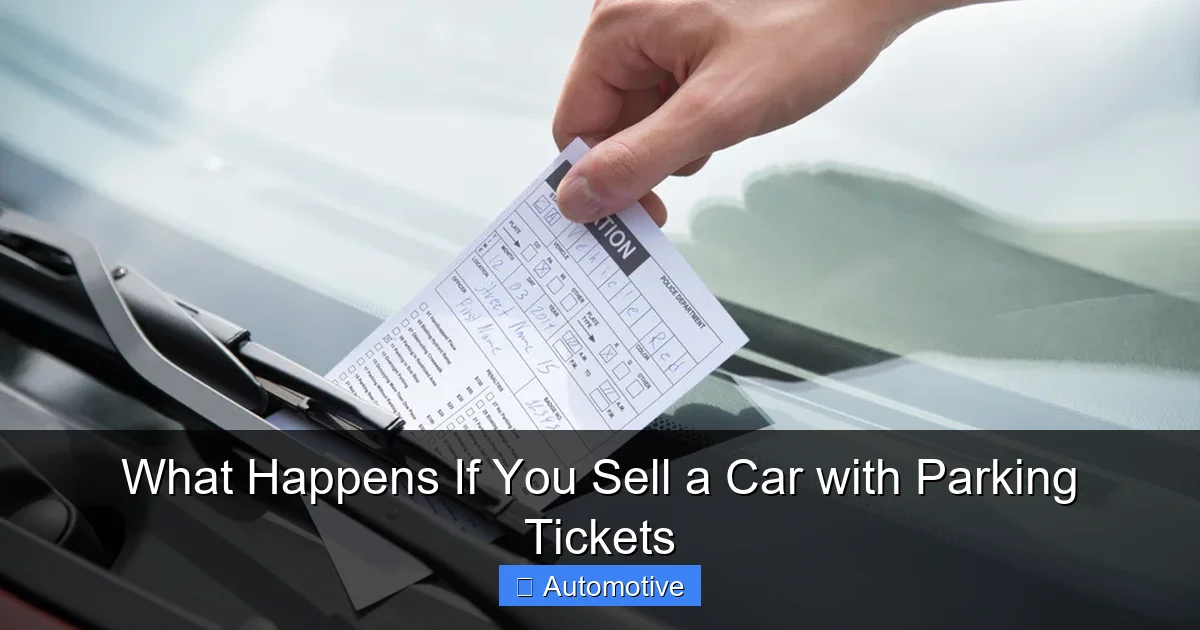
Most parking tickets are issued based on the vehicle’s license plate or VIN. When a parking enforcement officer writes a ticket, they record the plate number, location, time, and violation. That information is then sent to the local municipality or parking authority, which links the fine to the registered owner of the vehicle at the time the ticket was issued.
This means that **the responsibility for the ticket typically falls on the person listed on the registration**, not necessarily the person driving the car. Even if you weren’t the one parked illegally, if your name is on the title and registration, you’re on the hook.
Now, here’s where it gets tricky: **parking tickets are not like criminal charges.** They’re civil violations, and in most cases, they don’t follow the driver—they follow the car (and by extension, the registered owner). So even if you sell the car, if the ticket was issued before the sale and you were still the registered owner, you could still be liable.
For example, imagine you got three parking tickets in June while you still owned the car, but you didn’t pay them. You sell the car in July. The new owner drives it for a month, then gets a notice in the mail saying the vehicle has unpaid fines from June. Who pays? Legally, it’s likely still you—unless you took steps to transfer liability.
This system exists to ensure that municipalities can collect fines and enforce parking rules. But it also creates a loophole: sellers who think they’re off the hook once the car is gone, only to find out later that they’re still responsible.
Can You Legally Sell a Car with Unpaid Parking Tickets?
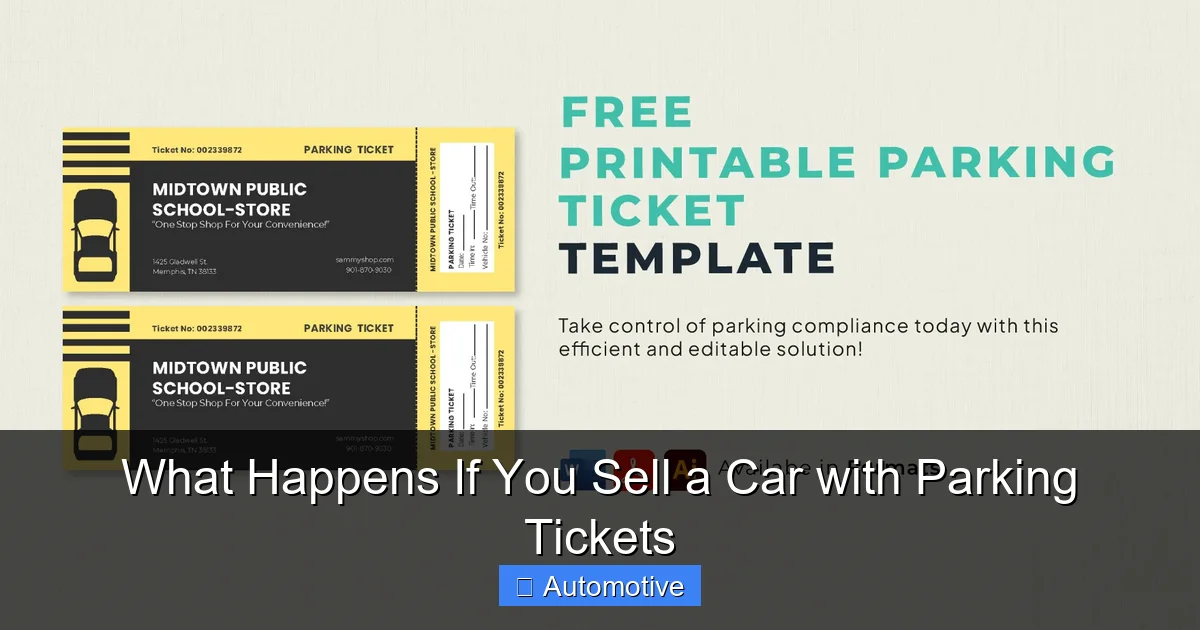
Visual guide about What Happens If You Sell a Car with Parking Tickets
Image source: spotangels.com
Yes—technically, you can sell a car with unpaid parking tickets. There’s no federal law that prohibits the sale of a vehicle with outstanding fines. However, **the legality depends heavily on your state and local laws**, and the practical consequences can be significant.
In most states, the Department of Motor Vehicles (DMV) or equivalent agency will allow you to transfer the title and registration to a new owner even if there are unpaid parking tickets. The tickets don’t automatically block the sale. But that doesn’t mean you’re off the hook.
Here’s the catch: **many cities and counties use automated systems to track vehicle violations.** If your car has multiple unpaid tickets, the system may flag it. Some DMVs will refuse to process a title transfer until all outstanding fines are paid—especially if the tickets have escalated to “failure to appear” or “failure to pay” status.
For instance, in cities like New York, Chicago, or Los Angeles, vehicles with excessive unpaid parking tickets (often 5 or more) can be subject to “boot and tow” policies. If your car is flagged, it could be immobilized or impounded the moment it’s driven on public streets—even after you’ve sold it. And if that happens, the new owner might come after you for damages, claiming you misrepresented the condition of the vehicle.
Additionally, some states require a “clearance letter” or “release of liability” from the parking authority before allowing a title transfer. This document confirms that all fines have been resolved. Without it, the DMV may delay or deny the transfer.
So while you *can* sell the car, doing so without resolving the tickets can create major headaches—for you, the buyer, and even the DMV.
Who Is Responsible for the Tickets After the Sale?
Visual guide about What Happens If You Sell a Car with Parking Tickets
Image source: as1.ftcdn.net
This is the million-dollar question: **Once you sell the car, who pays for the parking tickets?**
The answer isn’t always clear-cut, but here’s how it usually works:
In most jurisdictions, **the registered owner at the time the ticket was issued is responsible for paying it.** That means if you were the owner when the ticket was written, you’re liable—even if you’ve since sold the car.
However, some cities have systems in place to transfer liability after a sale. For example, in California, once you file a “Notice of Transfer and Release of Liability” with the DMV (which you should do within 5 days of selling), you’re generally no longer responsible for future violations. But **this only applies to tickets issued *after* the sale date.** Any tickets from before the sale? Still your problem.
Let’s look at a real-world example:
> Maria sold her 2018 Honda Civic to Jake on August 1st. She had received two parking tickets in July—one for expired meters, one for street sweeping violation—but hadn’t paid them. On August 15th, Jake gets a notice in the mail saying the car has $300 in unpaid fines. He calls Maria, upset. Who pays?
In this case, Maria is likely responsible because she was the registered owner when the tickets were issued. Even though she sold the car, the fines are tied to the vehicle during her ownership. Unless she can prove the tickets were invalid or that Jake agreed to take on the liability, she may have to pay.
But what if Jake knew about the tickets and agreed to buy the car anyway? That’s where a **bill of sale with clear terms** becomes essential. If the agreement states that the buyer assumes responsibility for all pre-existing violations, that could shift liability—but only if the local laws allow it.
In some states, like Texas and Florida, liability cannot be transferred through a private agreement. The original owner remains responsible until the fines are paid or the statute of limitations expires (which can be several years).
So, while you *can* try to pass the burden to the buyer, **you can’t always legally do so.** And even if you can, the buyer may still have grounds to sue you for misrepresentation if they weren’t properly informed.
Consequences of Selling a Car with Unpaid Tickets
Visual guide about What Happens If You Sell a Car with Parking Tickets
Image source: c8.alamy.com
Selling a car with parking tickets might seem like a quick fix, but it can lead to a cascade of problems. Here are the most common consequences you could face:
1. You May Still Receive Fines and Penalties
Even after the sale, you might continue to receive notices in the mail. Municipalities often send reminders, late fees, and even court summonses to the last known registered owner. If you ignore them, the fines can multiply—sometimes doubling or tripling with penalties and interest.
In extreme cases, the city may send the debt to collections. This can damage your credit score, making it harder to get loans, apartments, or even jobs that require credit checks.
2. Registration and Renewal Issues
Many states place a “hold” on vehicle registration if there are unpaid parking tickets. This means you won’t be able to renew your registration for any vehicle until the fines are cleared. Even if you’ve sold the car, the hold may remain on your driving record until resolved.
For example, in Illinois, the Secretary of State can suspend your driving privileges if you have excessive unpaid parking tickets—even if they’re from a car you no longer own.
3. Legal Action or Lawsuits
If the fines go unpaid for too long, the city may take legal action. This could include wage garnishment, bank account levies, or even a civil lawsuit. While rare, it’s not unheard of—especially in cities with aggressive revenue collection practices.
Additionally, the buyer could sue you for fraud or misrepresentation if they weren’t told about the tickets and later face financial loss. For instance, if the car is towed shortly after purchase due to unpaid fines, the buyer might claim you knowingly sold them a “problem vehicle.”
4. Difficulty Selling Future Vehicles
If you have a history of unpaid tickets, it can affect your ability to sell cars in the future. Savvy buyers may run a VIN check or ask for a clearance letter. If they discover unresolved fines, they may walk away—or demand a lower price.
5. Towing and Impound Risks
In cities with strict parking enforcement, vehicles with multiple unpaid tickets can be booted or towed—even if they’re legally parked. If your former car gets towed after you’ve sold it, the new owner will be furious. And if they can’t retrieve the car without paying the fines, they may blame you.
Imagine this: You sell your car to a college student on a tight budget. Two weeks later, it’s towed because of your unpaid tickets. The impound fee is $500, plus daily storage charges. The student can’t afford it and loses the car. They sue you for the full value. That’s a real risk.
How to Protect Yourself When Selling a Car with Tickets
The best way to avoid these problems is to **resolve all parking tickets before selling your car.** But if that’s not possible, here’s how to minimize your risk:
1. Pay All Outstanding Fines
This is the simplest and most effective solution. Contact your local parking authority or visit their website to look up any unpaid tickets using your license plate or VIN. Pay them online, by mail, or in person. Keep receipts as proof.
Some cities offer payment plans or reduced fines for prompt payment. Don’t assume you have to pay the full amount—ask about options.
2. Get a Clearance Letter
After paying, request a “clearance letter” or “release of liability” from the parking authority. This document confirms that all fines have been resolved and can be shown to the buyer or DMV.
This is especially important in states where the DMV requires proof of clearance before processing a title transfer.
3. Disclose the Tickets to the Buyer
Honesty is the best policy. Tell the buyer about any unpaid tickets upfront. Explain that they were issued during your ownership and that you’re working to resolve them. This builds trust and reduces the chance of legal disputes later.
If the tickets are minor and nearly paid off, the buyer may still be willing to proceed—especially if you offer a discount.
4. Use a Detailed Bill of Sale
Your bill of sale should include:
– The date of sale
– Vehicle details (make, model, VIN, mileage)
– Sale price
– A statement that the buyer accepts the vehicle “as-is”
– A clause stating that the buyer assumes responsibility for any violations occurring *after* the sale date
Example clause:
*“The buyer acknowledges that all parking violations, fines, or penalties incurred after the date of this sale are their sole responsibility. The seller is not liable for any post-sale violations.”*
While this doesn’t erase your liability for pre-sale tickets, it helps protect you from future claims.
5. File a Release of Liability
As soon as you sell the car, file a “Release of Liability” form with your state’s DMV. This officially notifies the agency that you’re no longer the owner. In most states, this protects you from future violations—but again, only those that occur *after* the sale.
Do this within the required timeframe (usually 5–10 days, depending on the state). Keep a copy for your records.
6. Consider a Trade-In Instead
If you’re trading in the car at a dealership, they may handle the ticket issue for you. Some dealers will pay off minor fines as part of the trade-in process, especially if it helps close the deal. However, they’ll likely deduct the amount from your trade-in value.
This can be a convenient option if you’re overwhelmed by the process.
What Buyers Should Know
If you’re on the buying side, it’s smart to protect yourself too. Here’s what to do before purchasing a used car:
– **Ask about parking tickets.** Don’t be afraid to ask the seller directly.
– **Run a VIN check.** Use services like Carfax or the local DMV to see if there are any liens, holds, or violations.
– **Request a clearance letter.** If the seller says tickets were paid, ask for proof.
– **Inspect the vehicle.** Look for signs of recent towing or damage that might indicate enforcement action.
– **Get everything in writing.** Make sure the bill of sale clearly states who is responsible for past and future violations.
A little due diligence can save you thousands in unexpected fines.
State-by-State Variations
Laws vary widely across the U.S., so it’s important to check your local regulations. Here are a few examples:
– **California:** You must file a Notice of Transfer within 5 days. Pre-sale tickets remain your responsibility.
– **New York:** Vehicles with 10+ unpaid tickets can be booted. DMV may block title transfer.
– **Texas:** Original owner remains liable until fines are paid, regardless of sale.
– **Florida:** Parking tickets are civil infractions; liability stays with the registered owner at time of violation.
– **Illinois:** Secretary of State can suspend driving privileges for unpaid parking tickets.
Always check with your local DMV or city parking authority for specific rules.
Final Thoughts
Selling a car with parking tickets isn’t illegal, but it’s rarely a good idea. The risks—financial, legal, and reputational—far outweigh the convenience of ignoring the problem. Unpaid tickets can follow you long after the sale, leading to fines, credit damage, and even lawsuits.
The best approach? **Clean up your tickets before you sell.** Pay them, get a clearance letter, and disclose everything to the buyer. Use a solid bill of sale and file your release of liability promptly. It takes a little extra effort, but it’s worth it to avoid headaches down the road.
Remember: A smooth sale starts with transparency. Don’t let a few parking tickets turn into a major problem. Take care of them early, and you’ll sell with confidence—knowing you’ve done the right thing for yourself and your buyer.
Frequently Asked Questions
Can I sell my car if it has unpaid parking tickets?
Yes, you can legally sell a car with unpaid parking tickets in most states, but you may still be held responsible for the fines. The tickets are typically tied to the registered owner at the time they were issued, not the current owner.
Will the new owner have to pay my parking tickets?
Generally, no—unless you both agree otherwise in writing. The original owner (you) is usually liable for tickets issued before the sale. However, some cities allow liability to transfer if proper documentation is filed.
Can parking tickets prevent me from transferring the title?
In some cities, yes. If you have multiple unpaid tickets, the DMV may refuse to process a title transfer until the fines are resolved. This is common in major cities like New York and Chicago.
How long do I remain responsible for parking tickets after selling a car?
You’re responsible for any tickets issued while you were the registered owner, regardless of when you sell the car. There’s no time limit—fines can be pursued for years, especially if they go to collections.
What happens if my sold car gets towed due to my unpaid tickets?
The new owner may face towing and impound fees. They could sue you for damages or misrepresentation, especially if you didn’t disclose the tickets. You may also be liable for the fines that led to the tow.
How can I check if my car has unpaid parking tickets?
Visit your city’s parking authority website and enter your license plate or VIN. Many cities offer online lookup tools. You can also call the local parking enforcement office for assistance.