What Do I Do with My License Plate When I Sell My Car in Pa
When you sell your car in Pennsylvania, you must decide what to do with your license plate—keep it, transfer it to a new vehicle, or surrender it to the DMV. This guide walks you through every step, from removing the plate to updating your registration, so you stay compliant and avoid fines.
Selling a car in Pennsylvania is more than just handing over the keys and walking away. One of the most important—and often overlooked—steps is deciding what to do with your license plate. Unlike some states where the plate stays with the car, Pennsylvania law requires you to remove your license plate before transferring ownership. This might sound simple, but there’s a lot more to it than just unscrewing a few bolts.
Whether you’re upgrading to a new ride, downsizing, or taking a break from driving, knowing how to handle your license plate correctly can save you time, money, and headaches down the road. Mistakes in this process can lead to fines, registration problems, or even liability for accidents involving your old car. That’s why it’s crucial to understand your options and follow the proper steps.
In this guide, we’ll walk you through everything you need to know about what to do with your license plate when selling your car in PA. From understanding state laws to practical tips for removing and storing your plate, we’ve got you covered. We’ll also explain how to transfer your plate to a new vehicle, surrender it to the DMV, and protect yourself legally after the sale. By the end, you’ll feel confident and prepared to handle this important part of the car-selling process.
In This Article
- 1 Key Takeaways
- 2 📑 Table of Contents
- 3 Why You Must Remove Your License Plate in Pennsylvania
- 4 Your Options: Keep, Transfer, or Surrender Your Plate
- 5 Step-by-Step Guide to Removing Your License Plate
- 6 How to Report the Sale to the Pennsylvania DMV
- 7 Common Mistakes to Avoid When Selling Your Car in PA
- 8 Tips for a Smooth and Legal Car Sale
- 9 Conclusion
- 10 Frequently Asked Questions
- 10.1 Do I have to remove my license plate when selling my car in PA?
- 10.2 Can I leave my license plate on the car if the buyer agrees?
- 10.3 How long do I have to transfer my plate to a new vehicle?
- 10.4 What happens if I don’t report the sale to the DMV?
- 10.5 Can I surrender my plate by mail?
- 10.6 Do I need a Bill of Sale when selling my car in PA?
Key Takeaways
- You must remove your license plate before selling your car in PA: Pennsylvania law requires you to take the plate off the vehicle before handing it over to the buyer.
- You can keep your plate for future use: If you plan to buy another vehicle soon, you can retain your current plate and transfer it to your new car.
- Transfer the plate to a new vehicle within 60 days: To avoid registration issues, transfer your plate to a newly purchased vehicle within two months.
- Surrender the plate if you’re not using it: If you don’t plan to drive soon, return the plate to the PA Department of Motor Vehicles (DMV) to close the registration.
- Document the sale properly: Use a Bill of Sale and complete the MV-1 form to protect yourself from liability after the sale.
- Avoid fines and penalties: Failing to handle your plate correctly can result in late fees, registration holds, or even legal issues.
- Notify the DMV of the sale: Report the sale online or by mail to update your records and stop insurance and tax obligations.
📑 Table of Contents
- Why You Must Remove Your License Plate in Pennsylvania
- Your Options: Keep, Transfer, or Surrender Your Plate
- Step-by-Step Guide to Removing Your License Plate
- How to Report the Sale to the Pennsylvania DMV
- Common Mistakes to Avoid When Selling Your Car in PA
- Tips for a Smooth and Legal Car Sale
- Conclusion
Why You Must Remove Your License Plate in Pennsylvania
In Pennsylvania, license plates are registered to the owner—not the vehicle. This means that when you sell your car, the plate does not automatically go with it. Instead, you are legally required to remove the plate from the vehicle before the sale is complete. This rule is in place to prevent fraud, misuse, and liability issues.
If you leave the plate on the car, the new owner could use it to register the vehicle in another state or commit traffic violations that might trace back to you. Even worse, if the buyer doesn’t register the car properly, you could still be held responsible for unpaid registration fees, parking tickets, or toll violations. Removing the plate cuts off that chain of responsibility and protects you from future problems.
The Pennsylvania Department of Motor Vehicles (DMV) takes this rule seriously. Failing to remove your plate can result in penalties, including fines and delays when you try to register a new vehicle. It’s not just a suggestion—it’s a legal requirement.
Legal Responsibility and Liability
One of the biggest reasons for removing your plate is to avoid liability. In PA, the registered owner of a license plate is responsible for any violations or fees associated with that plate—even if the car is no longer in their possession. If the new owner gets a speeding ticket or runs a red light with your old plate still on the car, the ticket could end up in your mailbox.
This is why it’s so important to remove the plate and report the sale to the DMV. Once you’ve done both, your responsibility ends. The new owner must register the vehicle under their name and obtain their own plates. If they don’t, that’s their problem—not yours.
Preventing Plate Theft and Misuse
Leaving your plate on a sold car also increases the risk of theft or misuse. Thieves often target license plates to use on stolen vehicles or to avoid tolls and cameras. If your plate is still on the car, you could unknowingly become part of a criminal operation.
By removing the plate, you protect yourself and help prevent fraud. It’s a simple step that makes a big difference in your safety and peace of mind.
Your Options: Keep, Transfer, or Surrender Your Plate
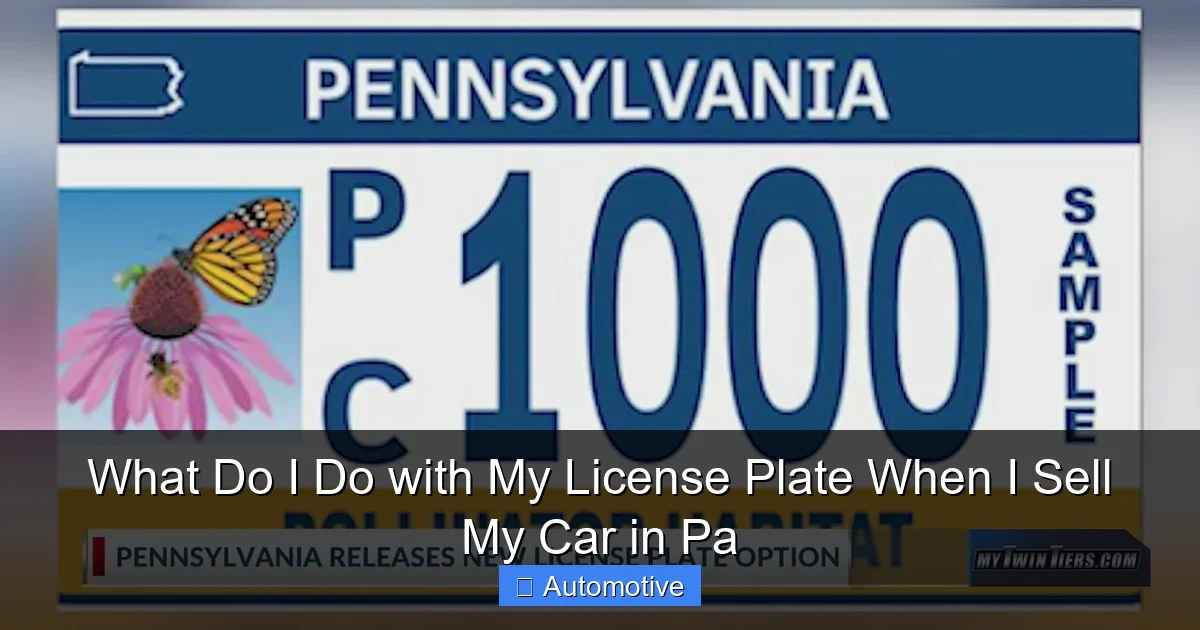
Visual guide about What Do I Do with My License Plate When I Sell My Car in Pa
Image source: i.ytimg.com
Once you’ve removed your license plate, you have three main options: keep it for future use, transfer it to a new vehicle, or surrender it to the DMV. Each option has its own steps and requirements, so let’s break them down.
Option 1: Keep Your Plate for Future Use
If you plan to buy another car soon, keeping your current plate is often the easiest and most cost-effective choice. Pennsylvania allows you to retain your plate as long as it’s still valid and properly registered.
To keep your plate, simply store it in a safe place—like a garage or storage box—after removing it from the sold vehicle. Make sure it’s protected from weather, theft, and damage. You’ll need it when you register your next car.
One advantage of keeping your plate is that you can reuse it without paying for new registration fees right away. However, you must transfer it to your new vehicle within 60 days of purchase to avoid penalties.
Option 2: Transfer the Plate to a New Vehicle
If you’re buying a new car right after selling your old one, you can transfer your existing plate to the new vehicle. This process saves you money on registration and lets you keep your familiar plate number.
To transfer your plate, you’ll need to visit a DMV office or use the online portal. You’ll need the following:
– Your current registration and license plate
– Proof of insurance for the new vehicle
– The title or lease agreement for the new car
– A completed MV-1 form (Application for Registration)
The transfer must be completed within 60 days of purchasing the new vehicle. If you wait longer, you may have to pay late fees or re-register the plate from scratch.
Option 3: Surrender the Plate to the DMV
If you don’t plan to drive again soon—or if your plate is expired or damaged—you can surrender it to the DMV. This officially closes the registration and removes your liability.
To surrender your plate, visit any DMV office and hand it over with a completed MV-4ST form (Report of Sale or Transfer of Vehicle). You’ll also need to provide your driver’s license and proof of insurance.
Once surrendered, the plate is deactivated and cannot be reused. This is a good option if you’re retiring from driving or moving out of state.
Step-by-Step Guide to Removing Your License Plate
Visual guide about What Do I Do with My License Plate When I Sell My Car in Pa
Image source: limitlessworkshop.com
Removing your license plate might seem straightforward, but doing it correctly ensures you don’t damage the plate or the vehicle. Here’s a simple step-by-step guide:
Gather the Right Tools
You’ll need a few basic tools:
– A Phillips or flathead screwdriver (depending on your screws)
– A socket wrench or pliers (for stubborn bolts)
– A small container or bag (to store screws and bolts)
– Gloves (to protect your hands)
Most plates are held on with four screws—two on top and two on bottom. Some newer vehicles use plastic clips or push pins, so check your vehicle’s design first.
Remove the Plate Safely
1. Park your car on a flat surface and turn off the engine.
2. Open the trunk or tailgate to access the back of the plate.
3. Use your screwdriver or wrench to loosen and remove the screws or bolts.
4. Gently pull the plate away from the bumper.
5. Place the screws and bolts in a labeled bag so you don’t lose them.
Be careful not to scratch the paint or damage the bumper. If the screws are rusted or stuck, apply a little penetrating oil and wait a few minutes before trying again.
Store the Plate Properly
Once removed, store your plate in a dry, secure location. Avoid placing it on concrete floors, as moisture can cause rust. A plastic storage bin or garage shelf works well.
If you plan to transfer the plate soon, keep it in your vehicle or near your new car. If you’re surrendering it, store it until you can visit the DMV.
How to Report the Sale to the Pennsylvania DMV
Visual guide about What Do I Do with My License Plate When I Sell My Car in Pa
Image source: i.ytimg.com
Removing your plate is only half the battle. You also need to report the sale to the DMV to officially end your responsibility for the vehicle. This step is critical to avoid future fees or legal issues.
Use the MV-4ST Form
The MV-4ST form, also known as the “Report of Sale or Transfer of Vehicle,” is your official notification to the DMV that you’ve sold your car. You can download it from the PA DMV website or pick it up at any office.
Fill out the form with:
– Your name and address
– The vehicle’s VIN, make, model, and year
– The buyer’s name and address
– The sale date and price
– Your signature
You must submit this form within 5 days of the sale. You can mail it, drop it off at a DMV office, or submit it online through the DMV’s e-Services portal.
Provide a Bill of Sale
While not always required, a Bill of Sale is highly recommended. It protects both you and the buyer by documenting the transaction.
Include:
– Names and addresses of both parties
– Vehicle details (VIN, make, model, year)
– Sale price and date
– Odometer reading
– Signatures of both buyer and seller
Keep a copy for your records. The buyer should also keep one for registration purposes.
Cancel Your Insurance
Once the sale is complete and the plate is removed, contact your insurance company to cancel or adjust your policy. You don’t want to keep paying for coverage on a car you no longer own.
Most insurers require proof of sale, so have your Bill of Sale and MV-4ST form ready. You may be eligible for a refund on unused premiums.
Common Mistakes to Avoid When Selling Your Car in PA
Even experienced sellers make mistakes when handling license plates and paperwork. Here are some common pitfalls to watch out for:
Leaving the Plate on the Car
This is the #1 mistake. Remember: the plate stays with you, not the car. Leaving it on puts you at risk for fines, tickets, and liability.
Forgetting to Report the Sale
Some sellers remove the plate but forget to submit the MV-4ST form. This leaves the vehicle registered in your name, and you could still be responsible for fees or violations.
Not Keeping Records
Always keep copies of the Bill of Sale, MV-4ST form, and insurance cancellation notice. These documents prove you sold the car and protect you from future claims.
Waiting Too Long to Transfer the Plate
If you’re transferring your plate to a new car, do it within 60 days. Delays can result in late fees or the need to re-register.
Selling to an Unverified Buyer
Only sell to someone you trust or meet in a safe, public place. Avoid cash-only deals with strangers, and never hand over the title until payment is secure.
Tips for a Smooth and Legal Car Sale
Selling a car doesn’t have to be stressful. With the right preparation, you can make the process quick, legal, and hassle-free.
Prepare Your Documents in Advance
Gather your title, registration, maintenance records, and insurance info before listing your car. This shows buyers you’re serious and organized.
Clean and Detail Your Vehicle
A clean car sells faster and for more money. Wash it inside and out, remove personal items, and fix minor issues like burnt-out lights or worn wipers.
Set a Fair Price
Research similar vehicles in your area using sites like Kelley Blue Book or Edmunds. Price your car competitively to attract buyers.
Meet in a Safe Location
When meeting potential buyers, choose a public place like a DMV office, police station, or shopping center. Bring a friend if possible.
Use Secure Payment Methods
Avoid cash for large amounts. Use a cashier’s check or bank transfer instead. Never release the car until payment is confirmed.
Follow Up After the Sale
After the sale, double-check that you’ve submitted the MV-4ST form and canceled your insurance. Keep your records for at least a year.
Conclusion
Selling your car in Pennsylvania involves more than just finding a buyer and handing over the keys. One of the most important steps is deciding what to do with your license plate. Whether you keep it, transfer it, or surrender it, handling this correctly protects you from fines, liability, and legal trouble.
Remember: always remove your plate before the sale, report the transaction to the DMV, and keep detailed records. These simple steps ensure a smooth, legal, and stress-free experience.
By following this guide, you’ll not only comply with Pennsylvania law but also protect yourself and your finances. So the next time you sell a car, you’ll know exactly what to do with that license plate—and feel confident doing it.
Frequently Asked Questions
Do I have to remove my license plate when selling my car in PA?
Yes, Pennsylvania law requires you to remove your license plate before selling your vehicle. The plate is registered to you, not the car, so it must stay with you or be surrendered to the DMV.
Can I leave my license plate on the car if the buyer agrees?
No, you cannot leave the plate on the car, even if the buyer agrees. Doing so violates PA law and could result in fines or liability for future violations.
How long do I have to transfer my plate to a new vehicle?
You must transfer your plate to a new vehicle within 60 days of purchase. After that, you may face late fees or need to re-register the plate.
What happens if I don’t report the sale to the DMV?
If you don’t report the sale, the vehicle remains registered in your name. You could be responsible for registration fees, tickets, or other violations committed by the new owner.
Can I surrender my plate by mail?
No, you must surrender your plate in person at a DMV office. Bring the plate, your driver’s license, and a completed MV-4ST form.
Do I need a Bill of Sale when selling my car in PA?
While not always required, a Bill of Sale is strongly recommended. It protects both parties and provides proof of the transaction for registration and insurance purposes.