What Causes Corrosion on Car Battery
Corrosion on car batteries is a common but preventable issue caused by chemical reactions, moisture, and environmental factors. Understanding the root causes helps you maintain your battery, improve performance, and avoid unexpected breakdowns.
In This Article
- 1 Key Takeaways
- 2 📑 Table of Contents
- 3 What Causes Corrosion on Car Battery
- 4 Understanding Car Battery Corrosion: What It Looks Like and Why It Matters
- 5 The Science Behind Battery Corrosion: Chemical Reactions Explained
- 6 Common Causes of Car Battery Corrosion
- 7 How to Prevent Battery Corrosion
- 8 How to Clean Corroded Battery Terminals
- 9 When to Replace Your Car Battery
- 10 Frequently Asked Questions
Key Takeaways
- Chemical reactions between battery terminals and acid vapors are the primary cause of corrosion. Hydrogen gas released during charging reacts with metal, forming white or blue-green buildup.
- Overcharging the battery accelerates corrosion by increasing gas production and heat. Faulty voltage regulators or alternators can lead to excessive charging.
- Moisture and humidity speed up the corrosion process. Water from rain, car washes, or condensation can mix with battery acid, worsening the reaction.
- Dirty or poorly sealed battery casings allow contaminants to enter. Dust, salt, and grime can trap moisture and promote corrosion.
- Loose or improperly connected battery terminals increase resistance and heat. This can cause arcing and worsen corrosion over time.
- Older batteries are more prone to corrosion due to wear and reduced sealing integrity. Regular inspections become crucial as batteries age.
- Prevention includes cleaning terminals, using anti-corrosion sprays, and ensuring proper charging. Simple maintenance can extend battery life significantly.
📑 Table of Contents
- What Causes Corrosion on Car Battery
- Understanding Car Battery Corrosion: What It Looks Like and Why It Matters
- The Science Behind Battery Corrosion: Chemical Reactions Explained
- Common Causes of Car Battery Corrosion
- How to Prevent Battery Corrosion
- How to Clean Corroded Battery Terminals
- When to Replace Your Car Battery
What Causes Corrosion on Car Battery
If you’ve ever popped the hood of your car and noticed a fuzzy, white, or bluish-green crust around the battery terminals, you’ve seen corrosion in action. It looks unsightly, but more importantly, it can interfere with your car’s electrical system and even leave you stranded. Corrosion on car batteries is more than just a cosmetic issue—it’s a signal that something isn’t quite right under the hood.
Understanding what causes corrosion on car batteries is the first step toward preventing it. While it’s a common problem, many drivers don’t realize that this buildup can reduce battery efficiency, weaken connections, and shorten the overall lifespan of the battery. The good news? Most causes of battery corrosion are preventable with a little knowledge and routine care. Whether you’re a seasoned car enthusiast or just trying to keep your daily driver running smoothly, knowing how to spot, stop, and clean corrosion can save you time, money, and headaches down the road.
In this guide, we’ll break down the science behind battery corrosion, explore the most common causes, and share practical tips to keep your battery terminals clean and your car starting reliably. From environmental factors to charging habits, we’ll cover everything you need to know to protect your car’s heart—the battery.
Understanding Car Battery Corrosion: What It Looks Like and Why It Matters
Visual guide about What Causes Corrosion on Car Battery
Image source: allstarbatteries.com.au
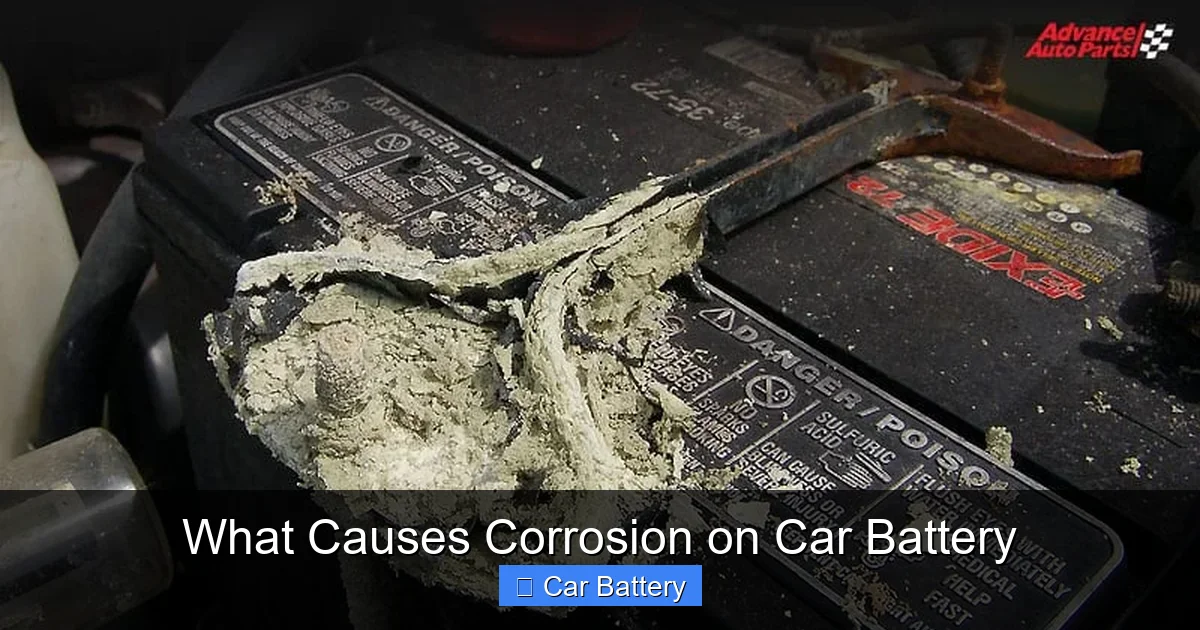
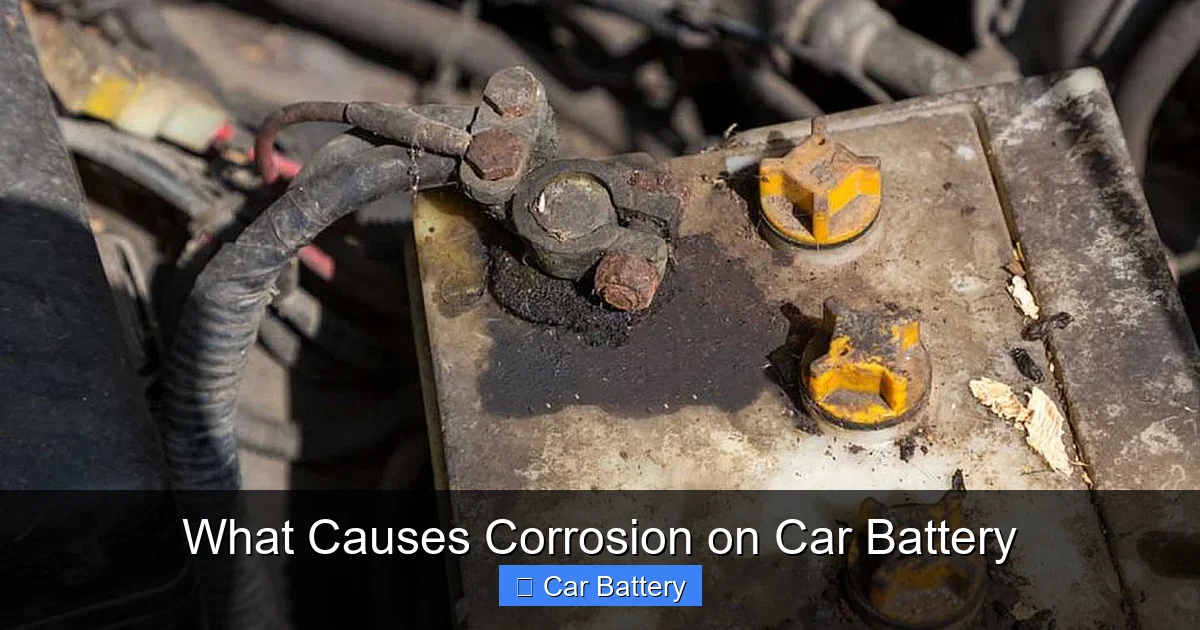
Car battery corrosion typically appears as a powdery or crusty substance around the positive and negative terminals. It’s usually white, but it can also be blue, green, or even brown, depending on the chemicals involved. This buildup is a result of chemical reactions between the battery’s internal components and the surrounding environment. While it might seem harmless at first glance, corrosion can create a barrier between the battery terminals and the cables, leading to poor electrical conductivity.
When corrosion builds up, your car may struggle to start, experience dimming lights, or show signs of electrical malfunctions. In severe cases, the corrosion can eat away at metal parts, damaging cables and connectors. Over time, this can lead to complete battery failure or even safety hazards like short circuits. That’s why it’s essential to recognize corrosion early and take action.
The most common type of corrosion on car batteries is caused by the release of hydrogen gas during the charging process. As the battery charges, especially when overcharged, it produces hydrogen and oxygen gases. These gases escape through vent caps and react with the lead terminals and surrounding metal. When combined with moisture and atmospheric contaminants, they form corrosive compounds like lead sulfate and copper sulfate. These compounds appear as the familiar white or blue-green crust you see on the terminals.
How Corrosion Affects Battery Performance
Even a small amount of corrosion can have a big impact on your car’s electrical system. The buildup acts as an insulator, reducing the flow of electricity between the battery and the starter motor. This means your engine may crank slowly or not start at all—especially in cold weather when battery performance naturally drops.
Additionally, corrosion can cause voltage drops, which affect everything from your headlights to your infotainment system. You might notice flickering lights, slow power windows, or a weak horn. These symptoms often get blamed on other issues, but the real culprit could be a corroded battery terminal.
Signs You Have Battery Corrosion
Knowing what to look for can help you catch corrosion before it becomes a serious problem. Here are some common signs:
- A white, green, or blue powdery substance around the battery terminals
- Frayed or brittle battery cables
- Difficulty starting the engine, especially in the morning
- Dim headlights or interior lights
- A sulfur-like (rotten egg) smell near the battery
- Visible cracks or leaks in the battery casing
If you notice any of these signs, it’s time to inspect your battery more closely. Early detection and cleaning can prevent further damage and keep your car running smoothly.
The Science Behind Battery Corrosion: Chemical Reactions Explained
Visual guide about What Causes Corrosion on Car Battery
Image source: azrust.com
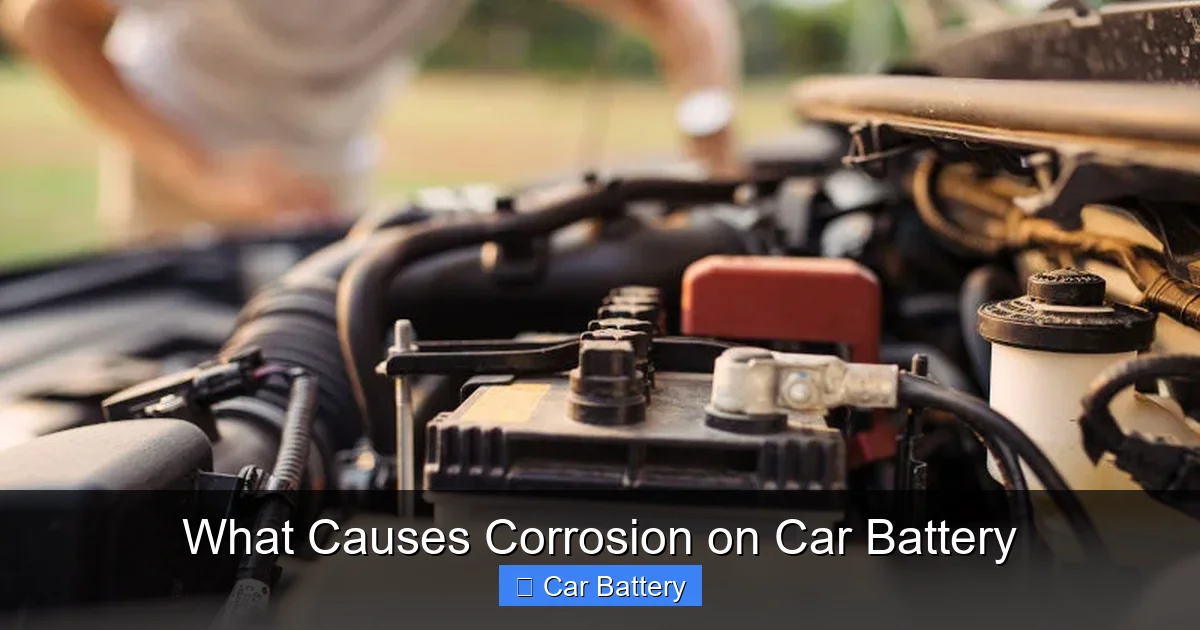
To truly understand what causes corrosion on car batteries, it helps to know a bit about how batteries work. Most cars use lead-acid batteries, which rely on a chemical reaction between lead plates and sulfuric acid to produce electricity. During normal operation, the battery discharges by converting chemical energy into electrical energy. When you start your car, this process powers the starter motor.
When the engine is running, the alternator recharges the battery by sending electrical current back into it. This reverse process is called charging, and it’s during this phase that corrosion often begins. As the battery charges, especially when it’s nearly full, water in the electrolyte breaks down into hydrogen and oxygen gases through a process called electrolysis. These gases escape through the battery’s vent caps and come into contact with the metal terminals.
The hydrogen gas, in particular, reacts with the lead in the terminals and any nearby copper components (like cable connectors). This reaction forms lead oxide and copper sulfate, which appear as the white or blue-green crust. Moisture in the air accelerates this process, acting as a catalyst for the chemical reaction. In humid climates or during rainy seasons, corrosion can develop much faster.
The Role of Overcharging
One of the biggest contributors to excessive gas production—and therefore corrosion—is overcharging. When a battery is overcharged, the alternator sends too much voltage, causing the electrolyte to boil and release more hydrogen gas than usual. This not only increases corrosion but can also damage the battery plates and reduce its lifespan.
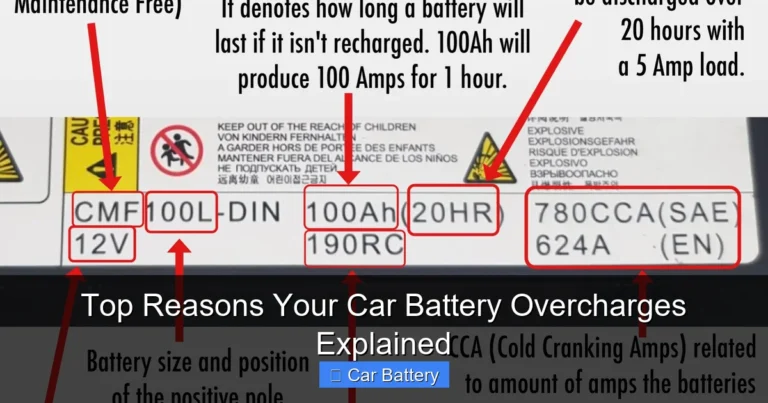
Overcharging often results from a faulty voltage regulator or a failing alternator. If your car’s electrical system isn’t regulating voltage properly, the battery may be subjected to voltages above 14.4 volts (the safe range for most 12-volt batteries). This can happen gradually, so you might not notice it until corrosion becomes severe.
Environmental Factors That Accelerate Corrosion
While chemical reactions are the root cause, environmental conditions play a major role in how quickly corrosion develops. High humidity, temperature fluctuations, and exposure to road salt or chemicals can all speed up the process.
For example, drivers in coastal areas often deal with faster corrosion due to salty, moist air. Similarly, winter driving in regions that use road salt can lead to salt buildup on the battery and terminals, which attracts moisture and promotes corrosion. Even something as simple as leaving your car parked in a damp garage can create the perfect conditions for corrosion to thrive.
Common Causes of Car Battery Corrosion
Visual guide about What Causes Corrosion on Car Battery
Image source: d2hucwwplm5rxi.cloudfront.net
Now that we’ve covered the science, let’s look at the most common real-world causes of battery corrosion. Understanding these factors can help you identify risks and take preventive measures.
1. Overcharging the Battery
As mentioned earlier, overcharging is one of the leading causes of corrosion. When the alternator or voltage regulator malfunctions, it can send too much current to the battery. This causes excessive heat and gas production, leading to accelerated corrosion. Signs of overcharging include a swollen battery case, a strong sulfur smell, and frequent need to add water to the battery (if it’s a non-sealed type).
If you suspect overcharging, have your alternator and voltage regulator checked by a mechanic. A simple multimeter test can confirm whether your charging system is operating within the correct range (typically 13.8 to 14.4 volts when the engine is running).
2. Battery Age and Wear
As batteries age, their internal components degrade. The seals around the terminals can weaken, allowing gases to escape more easily. Older batteries also tend to lose electrolyte, which can lead to dry spots and increased gas release. A battery that’s more than three to five years old is more likely to develop corrosion, even under normal conditions.
Regular inspections become especially important as your battery ages. Look for signs of swelling, leaks, or terminal damage. If your battery is old and showing signs of corrosion, it might be time for a replacement.
3. Poor Terminal Connections
Loose or improperly tightened battery terminals can cause arcing and heat buildup. This not only damages the terminals but also increases the risk of corrosion. When the connection isn’t secure, electrical resistance rises, leading to localized heating. This heat can accelerate chemical reactions and promote corrosion.
Always ensure your battery terminals are clean and tightly secured. Use a wrench to tighten them—just don’t over-tighten, as this can strip the threads or crack the terminal.
4. Exposure to Moisture and Contaminants
Water is a major enemy of battery terminals. Rain, car washes, or even condensation from temperature changes can introduce moisture to the battery area. When this moisture mixes with battery acid or gas residues, it creates a corrosive solution.
Dirt, oil, and road grime can also trap moisture and create a breeding ground for corrosion. Regular cleaning of the battery top and surrounding area can help prevent this. Use a damp cloth to wipe away dust and debris, and avoid spraying water directly onto the battery.
5. Use of Tap Water in Maintenance
If your battery requires water top-ups (common in older, non-sealed batteries), never use tap water. Tap water contains minerals like chlorine and fluoride that can react with battery components and accelerate corrosion. Always use distilled or deionized water instead.
Even a small amount of mineral buildup inside the battery can reduce efficiency and promote gas release, contributing to terminal corrosion.
How to Prevent Battery Corrosion
The best way to deal with corrosion is to stop it before it starts. Fortunately, there are several simple and effective prevention strategies you can follow.
Regular Cleaning and Inspection
Make it a habit to inspect your battery every few months. Look for signs of corrosion, leaks, or damage. If you spot any buildup, clean it off promptly using a mixture of baking soda and water. Apply the solution with an old toothbrush, scrub gently, and rinse with clean water. Dry the terminals thoroughly before reconnecting the cables.
After cleaning, apply a thin layer of petroleum jelly or a commercial anti-corrosion spray to the terminals. This creates a protective barrier that repels moisture and prevents future corrosion.
Use of Terminal Protectors and Covers
Many modern batteries come with terminal covers or protective boots. If yours doesn’t, consider installing aftermarket terminal protectors. These rubber or plastic covers shield the terminals from moisture and debris.
You can also use dielectric grease or anti-corrosion washers, which are designed to seal the connection and prevent gas escape.
Ensure Proper Charging
Keep your charging system in good condition. Have your alternator and voltage regulator tested during routine maintenance. If your car frequently sits unused, consider using a smart battery maintainer or trickle charger to keep the battery at optimal charge without overcharging.
Avoid jump-starting your car too often, as this can stress the battery and lead to overcharging when the alternator tries to replenish the charge quickly.
Park in Dry, Covered Areas
Whenever possible, park your car in a garage or under cover. This protects the battery from rain, snow, and extreme temperature changes. If you live in a humid or salty environment, this step is especially important.
Replace Old Batteries Promptly
Don’t wait until your battery fails completely. Most car batteries last between three and five years. If yours is nearing the end of its lifespan, replace it before corrosion and other issues become severe.
How to Clean Corroded Battery Terminals
If corrosion has already formed, don’t panic—cleaning it is straightforward and safe if done correctly.
Safety First
Before you begin, turn off the engine and remove the keys. Wear gloves and safety goggles to protect your skin and eyes from battery acid and cleaning chemicals. Work in a well-ventilated area.
Step-by-Step Cleaning Process
- Disconnect the negative cable first, then the positive. This reduces the risk of short circuits.
- Mix a tablespoon of baking soda with a cup of water to create a cleaning solution.
- Dip an old toothbrush into the solution and scrub the terminals and cable ends.
- Rinse with clean water and dry thoroughly with a cloth.
- Reconnect the positive cable first, then the negative.
- Apply a thin layer of petroleum jelly or anti-corrosion spray to the terminals.
After cleaning, start your car to ensure it’s running properly. If the problem persists, have your battery and charging system checked by a professional.
When to Replace Your Car Battery
Even with the best care, batteries don’t last forever. If you notice frequent corrosion, slow engine cranking, or warning lights on your dashboard, it may be time for a new battery. Most manufacturers recommend replacement every 3–5 years, but driving conditions and maintenance habits can affect this timeline.
Investing in a high-quality battery and following a regular maintenance routine can help you avoid unexpected failures and keep your car reliable for years to come.
Frequently Asked Questions
What does battery corrosion look like?
Battery corrosion usually appears as a white, blue, or green powdery or crusty substance around the battery terminals. It can also look like flaky rust or a fuzzy buildup on the cables and connectors.
Can corrosion drain a car battery?
Yes, corrosion can reduce electrical conductivity and cause voltage drops, which may prevent the battery from delivering full power. This can make it harder to start the car and drain the battery over time.
Is it safe to drive with a corroded battery?
Driving with mild corrosion is usually safe, but it’s best to clean it as soon as possible. Severe corrosion can lead to electrical failures, stalling, or complete battery failure, leaving you stranded.
Can I clean battery corrosion myself?
Yes, most people can safely clean battery corrosion at home using baking soda, water, and basic tools. Just remember to wear gloves and goggles, and disconnect the battery cables in the correct order.
How often should I check my car battery for corrosion?
It’s a good idea to inspect your battery every 3–6 months, especially if you live in a humid or salty environment. Regular checks help catch corrosion early and prevent bigger problems.
Does cold weather cause battery corrosion?
Cold weather itself doesn’t cause corrosion, but it can worsen existing issues. Low temperatures reduce battery efficiency, and temperature swings can lead to condensation, which promotes corrosion when combined with battery gases.