
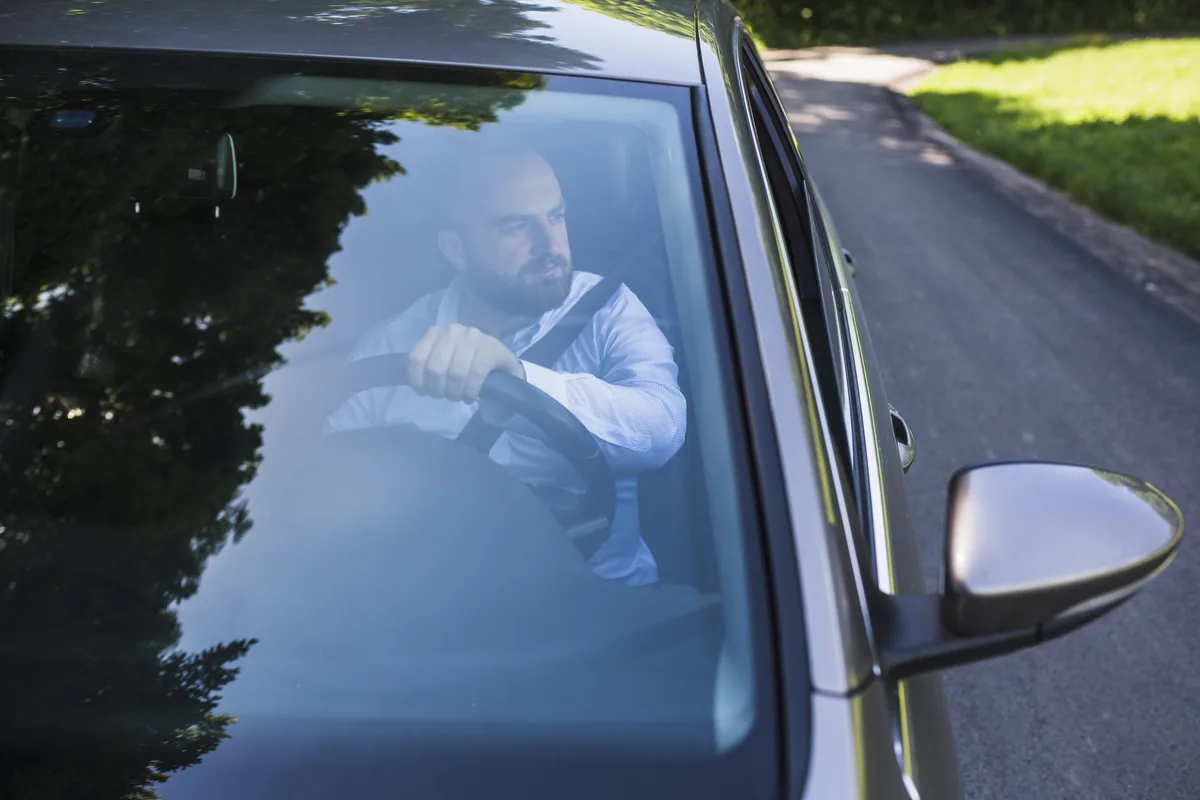
All Window Tint tools
-
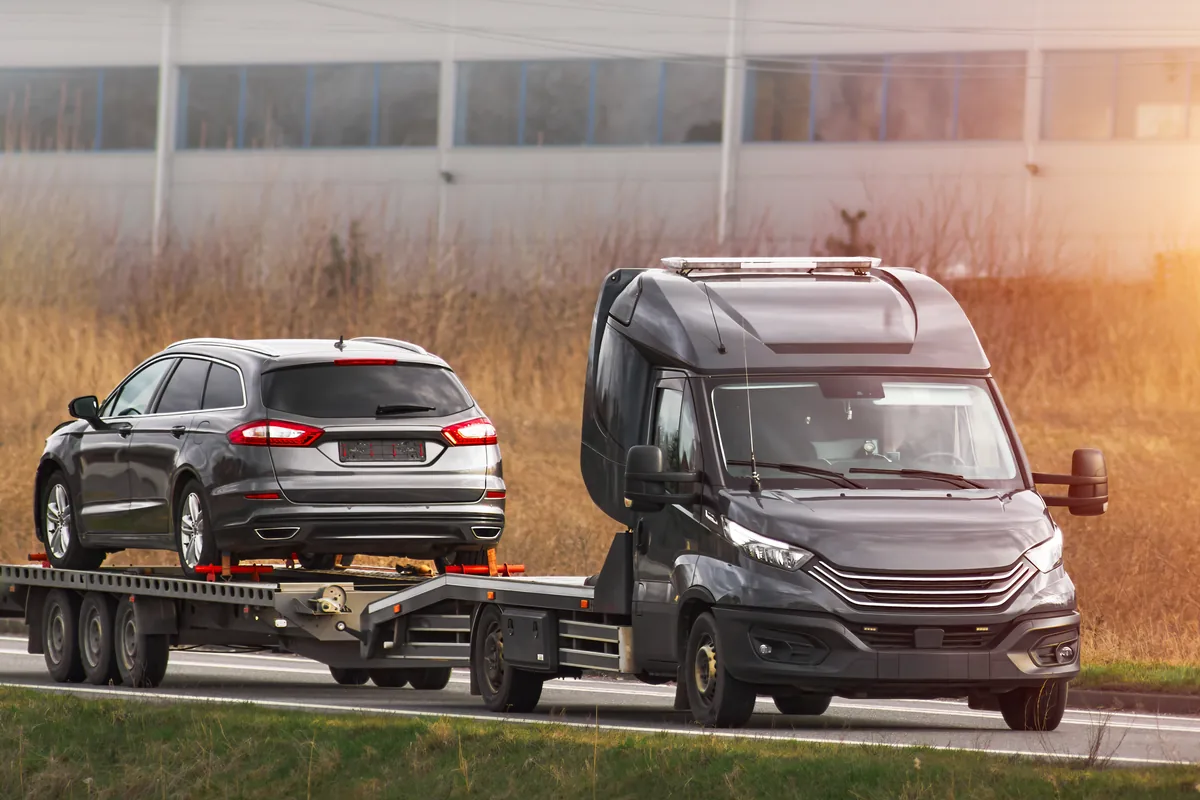
Towing Capacity Calculator: Trailer Weight, Tongue Weight and Payload
Check your loaded trailer against the tow rating and see tongue weight and payload left.
-

Speed and Distance Converter: mph, km/h, Miles and Kilometres
Convert mph, km/h, m/s and knots, plus miles, kilometres, metres and feet.
-

EV Charging Cost Calculator: Cost per Charge and per Mile
Estimate what a charge costs, how much range it adds and the cost per mile.
-

Oil Change Interval Calculator: When Is Your Next Oil Change Due?
Find out when your next oil change is due by mileage and by date.
-

Car Loan EMI Calculator: Monthly Payment and Total Interest
Work out your monthly car loan payment, total interest and total repaid.
-

MPG Calculator: Miles Per Gallon and Cost Per Mile
Turn miles and gallons into MPG, L/100 km, fuel cost and cost per mile.
-

Window Tint VLT Calculator: Film + Glass Percentage
Find the real combined VLT of tint film on your glass and compare it with your local limit.
-

Tire Size Calculator: Compare Diameter and Speedometer Error
Compare two tire sizes and see the diameter change, real speed and revolutions per mile.
About these tools
This section covers VLT percentage, legal limits and tint cost. Window tint is measured by visible light transmission (VLT): the lower the number, the darker the film. These tools help you compare percentages, estimate what a job should cost and understand what you can see through different films.
Each tool has a guide beside it covering film types, how rules differ by state, and how to avoid the common mistakes when choosing a shade.
Common questions
What does 35% tint mean?
It means the film lets 35% of visible light through the glass. Factory glass often already blocks some light, so the final reading can be lower.
Do tint laws apply to every window?
Rules usually differ for the windshield, front side windows and rear windows, and they vary by state. Check your local regulation before you buy.
Is ceramic tint worth the extra cost?
Ceramic films are known for stronger heat rejection at the same darkness. Whether it is worth it depends on your climate and budget.