Sell Your Non Working Car

Don’t let a broken-down car become a money pit. You can still sell your non working car quickly and legally, even if it doesn’t start. With the right approach, you’ll get fair value, free towing, and peace of mind—no repairs needed.
In This Article
- 1 Key Takeaways
- 2 📑 Table of Contents
- 3 Sell Your Non Working Car: Turn That Clunker Into Cash
- 4 Why You Should Sell Your Non Working Car (Instead of Letting It Rot)
- 5 How Much Can You Get for a Non Working Car?
- 6 Where to Sell Your Non Working Car
- 7 Step-by-Step Guide to Selling Your Non Working Car
- 8 Tips to Maximize Your Sale Price
- 9 What Happens to Your Car After You Sell It?
- 10 Final Thoughts: Don’t Let That Car Drain Your Wallet
- 11 Frequently Asked Questions
Key Takeaways
- Understanding sell your non working car: Provides essential knowledge
📑 Table of Contents
- Sell Your Non Working Car: Turn That Clunker Into Cash
- Why You Should Sell Your Non Working Car (Instead of Letting It Rot)
- How Much Can You Get for a Non Working Car?
- Where to Sell Your Non Working Car
- Step-by-Step Guide to Selling Your Non Working Car
- Tips to Maximize Your Sale Price
- What Happens to Your Car After You Sell It?
- Final Thoughts: Don’t Let That Car Drain Your Wallet
Sell Your Non Working Car: Turn That Clunker Into Cash
So you’ve got a car that won’t start, leaks oil like a sieve, or just sits in the driveway collecting dust. Maybe it’s been in an accident, the transmission gave out, or the engine seized. Whatever the reason, you’re probably wondering: “Can I even sell my non working car?” The answer is a resounding yes—and you might be surprised at how much it’s still worth.
Many people assume that a car that doesn’t run is worthless. But the truth is, even a completely dead vehicle has value. Whether it’s for parts, scrap metal, or a project restoration, there’s a market for non running cars. And the best part? You don’t have to spend a dime on repairs. In fact, trying to fix it could cost more than the car is worth. Instead, selling it as-is is often the smartest financial move.
The process is simpler than you think. With the right buyer, you can get a quote in minutes, schedule free towing, and receive payment the same day. No haggling, no hidden fees, and no stress. Whether your car is rusted, wrecked, or just plain broken, there’s someone out there who wants it. And by the end of this guide, you’ll know exactly how to find them—and how to get the best deal.
Why You Should Sell Your Non Working Car (Instead of Letting It Rot)
Visual guide about Sell Your Non Working Car
Image source: carbrain.s3-accelerate.amazonaws.com
Letting a broken-down car sit in your driveway or garage might seem harmless, but it can actually cost you money and create headaches down the road. Here’s why selling your non working car is the better choice.
First, there’s the financial drain. Even if the car isn’t running, it’s still costing you. Insurance premiums, registration fees, and property taxes don’t disappear just because the engine won’t turn over. In many states, you’re required to maintain insurance on registered vehicles—even if they’re not being driven. That’s money you could be saving or putting toward a new car.
Then there’s the space issue. A non working car takes up valuable real estate. That spot in your driveway or garage could be used for a new vehicle, storage, or even a garden. Plus, an eyesore like a broken-down car can lower your home’s curb appeal and potentially affect your property value.
Safety and liability are also concerns. A car that’s not properly stored can become a hazard—especially if it’s leaking fluids or has sharp edges. If someone gets hurt on your property because of the car, you could be held liable. And if the car is unregistered and uninsured, you might face fines or penalties from your local DMV.
Finally, there’s the environmental impact. Old cars can leak oil, coolant, and other harmful substances into the ground. By selling your non working car to a responsible recycler, you’re helping ensure that fluids are properly drained and materials are reused or disposed of safely.
Selling your non working car isn’t just about getting rid of a problem—it’s about turning a liability into an opportunity. You get cash, free up space, and do your part for the environment. It’s a win-win-win.
Common Misconceptions About Selling Non Working Cars
Before we dive into the how-to, let’s clear up some myths that might be holding you back.
One of the biggest misconceptions is that a non running car has no value. While it’s true that a car that doesn’t start won’t fetch top dollar, it’s far from worthless. Even if the engine is shot, the car may still have valuable parts—like the transmission, alternator, catalytic converter, or even the wheels and tires. Plus, the metal body has scrap value, which fluctuates based on market prices but is often worth hundreds of dollars.
Another myth is that you need to fix the car before selling it. This is almost never the case. In fact, spending $500 to repair a car that’s only worth $800 doesn’t make financial sense. Buyers of non working cars expect to do the work themselves or recycle the vehicle, so they’re willing to pay for it as-is.
Some people also worry that selling a non running car is complicated or risky. But with reputable buyers, the process is straightforward. They handle the towing, paperwork, and payment—all you need to do is provide the title and be present for pickup.
Finally, there’s the belief that you’ll get a lowball offer no matter what. While it’s true that non running cars sell for less than running ones, you can still get a fair price if you shop around and know your car’s worth. We’ll show you how to do that in the next section.
How Much Can You Get for a Non Working Car?

Visual guide about Sell Your Non Working Car
Image source: carbrain.s3-accelerate.amazonaws.com
One of the first questions people ask is: “How much can I sell my non working car for?” The answer depends on several factors, but you might be surprised at the range.
On the low end, a severely damaged or extremely old car might fetch $100–$300. On the high end, a late-model car with a good body and valuable parts could sell for $1,000 or more—even if it doesn’t run. The average payout for a non working car in the U.S. is between $300 and $700, but this can vary widely based on location, demand, and vehicle condition.
So what determines the value? Here are the key factors:
Make, Model, and Year
Popular brands like Toyota, Honda, and Ford tend to hold their value better, even when non running. A 2015 Honda Civic that won’t start might be worth more than a 2005 Chevy Impala in similar condition because parts are in higher demand. Luxury brands like BMW or Mercedes can also bring higher prices due to expensive components.
Weight and Scrap Metal Value
Cars are mostly made of steel, and scrap metal prices fluctuate based on global markets. Heavier vehicles = more metal = higher scrap value. For example, a full-size truck might weigh 5,000 pounds, while a compact car weighs around 2,500. That extra weight can translate to $100–$200 more in scrap value.
Condition of Key Components
Even if the engine is dead, other parts may still be functional. A working transmission, alternator, or catalytic converter can significantly increase the car’s value. Buyers will pay more if they can salvage and resell these parts.
Location and Local Demand
Prices vary by region. In areas with high scrap metal prices or strong demand for used parts, you’ll get more. Urban areas often have more buyers and higher competition, which can drive up offers. Rural areas may have fewer options, but some companies offer nationwide pickup.
Current Market Trends
Scrap metal prices rise and fall. In 2023, steel prices were relatively high, meaning non working cars were more valuable than in previous years. Keep an eye on market trends—selling during a peak can boost your payout.
Example: Real-World Payouts
Let’s say you have a 2010 Ford Focus that won’t start due to a bad alternator. The body is in decent shape, and the tires are usable. Based on current scrap prices and part demand, you might receive an offer of $450. If the same car had a blown engine and rust damage, the offer might drop to $250. But if it’s a 2018 Toyota Camry with minimal damage, you could get $800 or more—even non running.
The bottom line? Don’t assume your car is worthless. Get multiple quotes to see what it’s really worth.
Where to Sell Your Non Working Car
Visual guide about Sell Your Non Working Car
Image source: miro.medium.com
Now that you know your car has value, the next step is finding the right buyer. There are several options, each with pros and cons.
Junk Car Buyers and Scrap Yards
These are the most common buyers for non working cars. They specialize in purchasing vehicles that don’t run, often for parts or scrap. Many offer free towing and same-day payment.
Pros:
– Fast and convenient
– No repairs needed
– Free pickup
– Cash on the spot
Cons:
– Offers may be lower than private sale
– Some companies are unreliable
Tip: Look for buyers with good reviews, proper licensing, and transparent pricing. Avoid companies that pressure you or refuse to give a written quote.
Online Car Buying Services
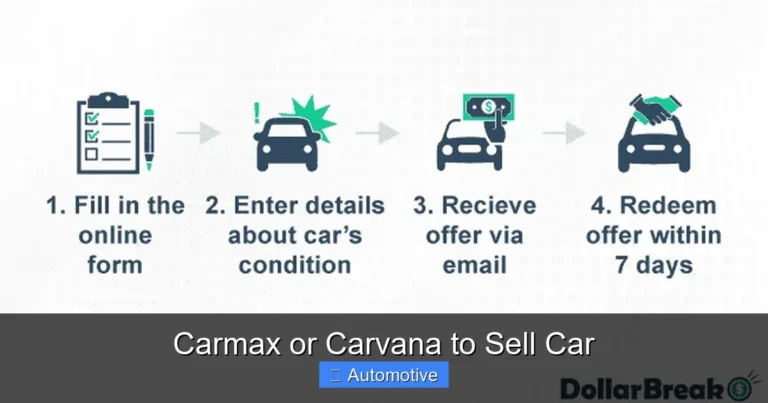
Companies like CarMax, Carvana, and CashForCars allow you to sell your car online—even if it doesn’t run. You enter your vehicle details, get an instant offer, and schedule pickup.
Pros:
– Easy to use
– Competitive offers
– Nationwide service
– Secure payment
Cons:
– May require a valid title
– Offers can change after inspection
Tip: Be honest about the car’s condition. If you hide damage, the final offer may be reduced.
Private Sale
Selling directly to an individual—like a mechanic, hobbyist, or parts collector—can sometimes yield a higher price. Platforms like Craigslist, Facebook Marketplace, and OfferUp make it easy to list your car.
Pros:
– Potentially higher payout
– More control over the sale
– Can negotiate
Cons:
– Takes more time and effort
– Risk of scams or no-shows
– You handle towing and paperwork
Tip: Meet in a public place, accept cash or cashier’s check, and never release the title until payment clears.
Auction Sites
Websites like eBay Motors allow you to auction your non working car to the highest bidder. You set a reserve price and let buyers compete.
Pros:
– Can attract serious buyers
– Transparent bidding process
– Nationwide exposure
Cons:
– Listing fees and commissions
– No guarantee of sale
– Buyer may back out
Tip: Take clear photos and write a detailed description. Mention that the car doesn’t run and is sold as-is.
Dealerships
Some dealerships accept non running cars as trade-ins or direct purchases, especially if they’re newer models.
Pros:
– Convenient if buying a new car
– May offer incentives
Cons:
– Lowball offers common
– Not all dealers accept non running vehicles
Tip: Use this option only if you’re purchasing another vehicle. Otherwise, you’ll likely get a better deal elsewhere.
Step-by-Step Guide to Selling Your Non Working Car
Ready to sell? Follow these simple steps to get the best deal with minimal hassle.
Step 1: Gather Your Documents
You’ll need:
– The car’s title (signed over to you)
– Your driver’s license
– Proof of insurance (if required)
– Vehicle registration (optional but helpful)
If you’ve lost the title, contact your local DMV to get a duplicate. Most buyers won’t accept a car without a clear title.
Step 2: Get Multiple Quotes
Call or fill out online forms with at least 3–5 junk car buyers. Provide accurate details: make, model, year, mileage, and condition. Be honest—don’t exaggerate or downplay issues.
Example: “2008 Honda Accord, 180,000 miles, engine won’t start, transmission slips, minor body damage.”
Compare offers and look for red flags like hidden fees or pressure tactics.
Step 3: Choose the Best Offer
Don’t just go with the highest number. Consider:
– Is towing included?
– Is payment guaranteed?
– Is the company licensed and insured?
– Do they have good reviews?
A slightly lower offer from a trustworthy buyer is better than a high one from a scam artist.
Step 4: Schedule Pickup
Once you accept an offer, schedule a pickup time. Most companies offer same-day or next-day service. Be home when the tow truck arrives.
Step 5: Complete the Sale
When the tow truck arrives:
– Hand over the title (signed and dated)
– Remove all personal items
– Get a receipt or bill of sale
– Confirm payment (cash, check, or electronic transfer)
Keep a copy of all documents for your records.
Step 6: Notify the DMV
In most states, you must notify the DMV that the car has been sold. This protects you from liability if the new owner gets a ticket or causes an accident. Check your state’s requirements—some require a form, others just a phone call.
Tips to Maximize Your Sale Price
Want to get the most cash for your non working car? Try these proven strategies.
Clean Out the Car
Remove all personal belongings, trash, and valuables. A clean car looks better and makes the process smoother. Plus, you don’t want to lose your favorite coffee mug or family photos.
Take Clear Photos
If selling privately, take high-quality photos from multiple angles. Show the exterior, interior, engine bay, and any damage. Good photos build trust and attract serious buyers.
Highlight Valuable Parts
Mention if the car has working components like a good battery, new tires, or a recent brake job. Even small details can increase interest.
Sell During High Scrap Prices
Check scrap metal prices online. If steel is up, it’s a good time to sell. Prices typically rise in spring and fall.
Avoid Scams
Red flags include:
– Buyers who ask for upfront fees
– Offers that seem too good to be true
– Pressure to decide immediately
– Requests for personal information like SSN
Stick with reputable companies and trust your gut.
Negotiate Wisely
If a buyer lowballs you, don’t be afraid to counter. Say, “I’ve got another offer for $500. Can you match it?” Most will negotiate to close the deal.
What Happens to Your Car After You Sell It?
You might be curious—what happens to your non working car after it’s towed away? The answer depends on the buyer.
If sold to a junkyard or scrap yard, the car is typically dismantled. Usable parts are removed, tested, and resold. The rest is crushed and sent to a metal recycler. Fluids like oil, coolant, and gasoline are drained and disposed of safely.
If sold to a restoration shop or private buyer, the car may be repaired and put back on the road. Some people love fixing up old cars as a hobby or investment.
In all cases, responsible buyers follow environmental regulations. They don’t just dump cars in landfills—they recycle up to 90% of the materials.
By selling your non working car, you’re not just getting rid of junk—you’re supporting a sustainable industry that reduces waste and conserves resources.
Final Thoughts: Don’t Let That Car Drain Your Wallet
A non working car might feel like a burden, but it doesn’t have to be. With the right approach, you can sell your non working car quickly, legally, and profitably. You’ll get cash in hand, free towing, and peace of mind—all without spending a dime on repairs.
The key is to act now. Every day your car sits, it costs you money in insurance, space, and potential fines. Plus, scrap metal prices won’t stay high forever. The sooner you sell, the better your chances of getting a great deal.
Remember: your car has value, even if it doesn’t run. Whether it’s for parts, scrap, or restoration, there’s someone out there who wants it. And with the tips in this guide, you’ll know exactly how to find them.
So don’t wait. Get a quote today, compare your options, and turn that clunker into cash. Your driveway—and your wallet—will thank you.
Frequently Asked Questions
Can I sell my car if it doesn’t start?
Yes, absolutely. Many buyers specialize in purchasing non running cars for parts, scrap, or restoration. You don’t need to fix it—just provide the title and schedule pickup.
Do I need a title to sell a non working car?
In most cases, yes. A valid title is required to legally transfer ownership. If you’ve lost it, contact your local DMV to get a duplicate before selling.
Will I get paid the same day?
Most reputable junk car buyers pay on the spot—either in cash, check, or electronic transfer. Just make sure to confirm payment terms before pickup.
Is towing really free?
Yes, most junk car buyers offer free towing as part of the service. This saves you hundreds in towing fees and makes the process hassle-free.
What if my car is wrecked or rusted?
You can still sell it. Buyers accept cars in any condition—wrecked, rusted, flooded, or abandoned. The value depends on weight, parts, and local demand.
How do I avoid scams when selling my non working car?
Stick with licensed, insured companies with good reviews. Avoid anyone who asks for upfront fees, pressures you, or refuses to give a written quote.