Sell Used Car Today

Contents
- 1 Key Takeaways
- 2 📑 Table of Contents
- 3 Why You Should Sell Used Car Today
- 4 How to Determine Your Car’s Value
- 5 Preparing Your Car for Sale
- 6 Choosing the Best Way to Sell
- 7 Creating a Winning Listing
- 8 Handling Inquiries and Test Drives Safely
- 9 Closing the Sale and Transferring Ownership
- 10 Final Thoughts: Sell Used Car Today with Confidence
- 11 Frequently Asked Questions


Selling your used car doesn’t have to be stressful or time-consuming. With the right approach, you can sell used car today and walk away with a fair price and peace of mind. This guide walks you through every step—from pricing to paperwork—so you can make a smart, fast sale.
[FEATURED_IMAGE_PLACEOLDER]
Key Takeaways
- Know your car’s value: Use trusted tools like Kelley Blue Book or Edmunds to price your vehicle accurately before listing.
- Clean and detail your car: A spotless interior and exterior can increase buyer interest and final sale price by up to 10%.
- Choose the right selling method: Decide between private sale, trade-in, or selling to a dealer based on speed, convenience, and profit.
- Gather all necessary documents: Title, registration, maintenance records, and bill of sale are essential for a smooth transaction.
- Be safe during showings: Meet in public places, bring a friend, and avoid sharing personal financial info.
- Negotiate wisely: Set a firm minimum price and be prepared to walk away if the offer isn’t fair.
- Complete the transfer properly: Sign over the title, notify your DMV, and cancel insurance to avoid future liability.
📑 Table of Contents
Why You Should Sell Used Car Today
Let’s face it—holding onto an old car can feel like dragging around extra weight. Maybe it’s guzzling gas, needing constant repairs, or just not fitting your lifestyle anymore. Whatever the reason, there’s never been a better time to sell used car today. The used car market is strong, demand is high, and buyers are actively searching for reliable vehicles. Whether you’re upgrading to something newer, downsizing, or simply ready to cash in, acting now can save you money and hassle down the road.
Plus, every month you delay could mean more depreciation, higher maintenance costs, or missed opportunities. If your car still runs well and has decent mileage, it likely has real value. Even older models with higher miles can fetch a solid price if they’re in good condition. And with online platforms making it easier than ever to reach buyers, you don’t need to wait weeks or months to make a sale. In fact, many people sell used car today and complete the entire process within a few days.
How to Determine Your Car’s Value
Before you list your vehicle, you need to know what it’s worth. Pricing too high can scare off buyers; pricing too low means leaving money on the table. The key is to research thoroughly and set a realistic, competitive price.

Visual guide about Sell Used Car Today
Image source: sellcartoday.ae
Use Online Valuation Tools
Start with trusted resources like Kelley Blue Book (KBB), Edmunds, or NADA Guides. These sites let you enter your car’s make, model, year, mileage, condition, and location to get an estimated value. Be honest about your car’s condition—choosing “excellent” when it’s really “fair” will give you an inflated number that won’t match buyer expectations.
For example, a 2018 Honda Civic with 60,000 miles in good condition might be valued at $16,500 privately. But if it has minor dents or needs new tires, that number drops to around $15,200. These tools also show what similar cars are selling for in your area, giving you a clear benchmark.
Check Local Listings
Next, browse sites like Craigslist, Facebook Marketplace, or Autotrader to see what others are asking for comparable vehicles. Look at cars with similar mileage, trim level, and features. If three 2017 Toyota Camrys with 70,000 miles are listed at $14,000, $14,500, and $15,000, you’ll know your asking price should fall within that range.
Don’t forget to factor in your car’s unique selling points. A well-maintained vehicle with full service records, new brakes, or upgraded tires can justify a slightly higher price. On the flip side, if your car has a salvage title or known mechanical issues, you’ll need to adjust downward.
Consider Market Trends
The used car market fluctuates based on supply, demand, and seasonality. For instance, convertibles and SUVs often sell faster in spring and summer, while trucks and all-wheel-drive vehicles are in higher demand during winter. Right now, fuel-efficient sedans and compact cars are popular due to rising gas prices.
If you’re not in a rush, you might wait for a better market window. But if you want to sell used car today, focus on presenting your vehicle as a great deal. A clean, well-documented car priced fairly will attract serious buyers quickly.
Preparing Your Car for Sale
You wouldn’t show up to a job interview in wrinkled clothes, right? The same goes for selling your car. First impressions matter—a lot. A clean, well-maintained vehicle signals to buyers that it’s been cared for and is worth the investment.
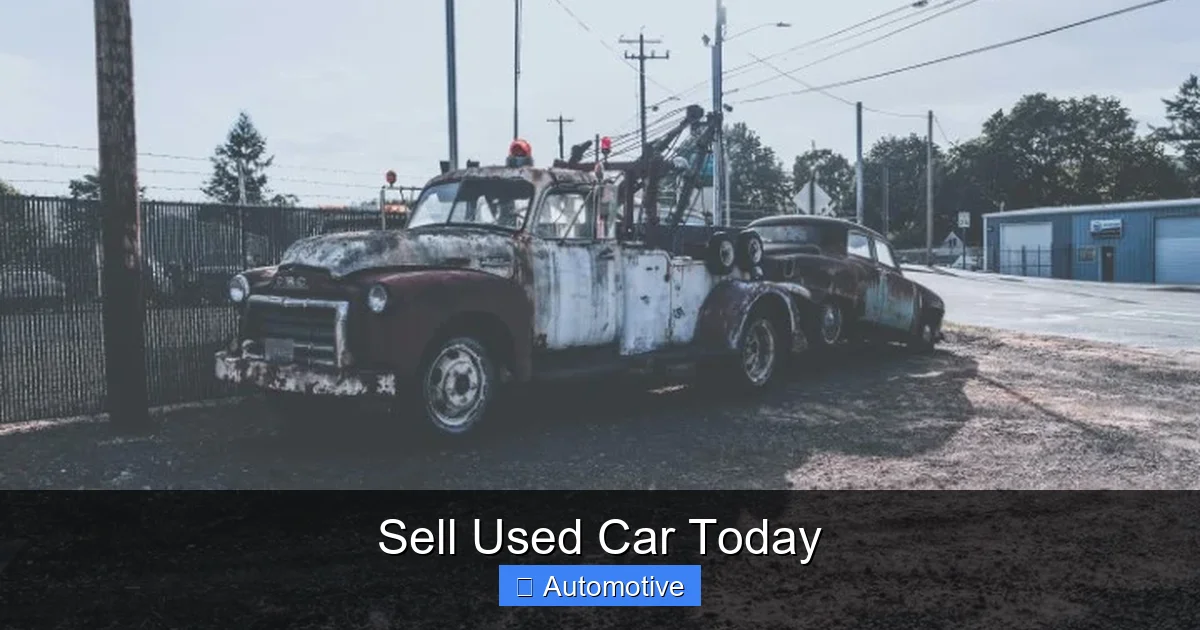
Visual guide about Sell Used Car Today
Image source: gaugemagazine.com
Deep Clean Inside and Out
Start with a thorough wash and wax. Remove bird droppings, tree sap, and road grime. Use a clay bar to smooth the paint and restore shine. Don’t skip the wheels—clean them with a dedicated brush and tire shine for that “just detailed” look.
Inside, vacuum every crevice, including under the seats and in the trunk. Wipe down dashboards, door panels, and cup holders with a microfiber cloth and interior cleaner. Remove any personal items, trash, or lingering odors. If your car smells like coffee, pets, or smoke, use an odor eliminator—not just air fresheners, which can mask smells temporarily.
For example, a quick $50 detail at a local shop can make a 2016 Ford Focus look nearly new. Buyers often assume a clean car means fewer mechanical issues, even if that’s not always true. It’s psychology—and it works.
Address Minor Repairs
You don’t need to rebuild the engine, but fixing small issues can boost your sale price. Replace burnt-out bulbs, fix cracked windshields, or patch small dents. Even something as simple as replacing worn wiper blades or topping off fluids shows you’ve maintained the car.
If your tires are bald or unevenly worn, consider replacing them—especially if you’re selling an SUV or performance car. Buyers will notice, and it could be a dealbreaker. On the other hand, if repairs cost more than the value they add, skip them. For instance, replacing a transmission on a 15-year-old car rarely pays off.
Gather Maintenance Records
Buyers love transparency. Compile all service records, receipts, and warranty information. If you’ve kept up with oil changes, brake jobs, or major repairs, highlight them in your listing. A car with documented maintenance history can sell for 5–10% more than one without.
Create a simple folder or digital PDF with everything organized. Include the owner’s manual, spare key, and any accessories like roof racks or floor mats. These small touches show you’re serious and help build trust.
Choosing the Best Way to Sell
There’s no one-size-fits-all answer when it comes to selling your car. Your best option depends on your priorities: speed, profit, or convenience. Let’s break down the most common methods.
Visual guide about Sell Used Car Today
Image source: d308ljkq6e62o1.cloudfront.net
Private Sale: Maximum Profit, More Effort
Selling directly to a buyer typically yields the highest return. You avoid dealer markups and can negotiate directly. Platforms like Facebook Marketplace, Craigslist, and OfferUp make it easy to list your car and connect with local buyers.
For example, a 2019 Subaru Outback might sell for $22,000 privately but only $19,500 as a trade-in. That’s a $2,500 difference—money you can put toward your next vehicle.
However, private sales take time. You’ll need to write a compelling ad, respond to inquiries, schedule test drives, and handle paperwork. You also assume more risk, like dealing with no-shows or unsafe buyers. But if you’re patient and organized, it’s often worth it.
Trade-In: Convenience Over Cash
If you’re buying a new car, trading in your old one is the easiest route. Dealerships handle the transfer, and you can roll any equity into your new purchase. It’s also tax-smart in many states—you only pay sales tax on the difference between the new car price and trade-in value.
But trade-ins usually pay less. Dealers need to resell your car for a profit, so they’ll offer below market value. Still, the convenience can outweigh the lower price, especially if you’re short on time.
Sell to a Dealer or Online Buyer
Companies like CarMax, Carvana, and Vroom offer instant quotes and quick sales. You upload photos and details online, get an offer within minutes, and can often complete the sale in a day. Some even offer free pickup.
These services are great if you want to sell used car today with minimal hassle. The trade-off? Offers are typically lower than private sale prices. But for many, the speed and simplicity make it worthwhile.
Creating a Winning Listing
Your listing is your car’s first impression. A great ad can attract dozens of inquiries; a weak one might get ignored. Follow these tips to stand out.
Write a Clear, Honest Title
Include the year, make, model, and key features. For example: “2018 Honda CR-V EX-L AWD – Low Miles, Clean Title, Excellent Condition.” Avoid vague terms like “nice car” or “runs great.”
Use High-Quality Photos
Take pictures in natural light, preferably during the day. Shoot from multiple angles: front, back, sides, interior, trunk, and engine bay. Highlight clean areas and any upgrades. Avoid cluttered backgrounds or dark, blurry shots.
Pro tip: Take photos after a wash and in a clean, open space like a driveway or empty parking lot. A well-lit photo of your car’s dashboard can show off a pristine interior better than any description.
Highlight Key Selling Points
Mention low mileage, recent repairs, fuel efficiency, safety ratings, or tech features. For example: “Only 45,000 miles, new tires installed last month, Apple CarPlay, and 30 MPG highway.”
Be honest about flaws, too. Saying “minor scratch on rear bumper” builds trust and prevents surprises during inspection.
Set a Competitive Price
Price your car fairly based on your research. You can list slightly above your target to leave room for negotiation, but don’t overprice. Buyers will compare your ad to others and move on if it seems inflated.
Handling Inquiries and Test Drives Safely
Once your listing goes live, expect calls, texts, and messages. Stay professional and responsive, but prioritize safety.
Screen Buyers
Ask basic questions: “Are you serious about buying?” or “Do you have financing ready?” Avoid sharing personal info like your home address or bank details.
Meet in Public
Always meet in a well-lit, public place like a mall parking lot or police station. Bring a friend or family member. Never let a buyer take your car for a solo test drive—hand over the keys only when you’re in the passenger seat.
Prepare for the Test Drive
Have your license and insurance ready. Let the buyer drive while you observe. Point out features and answer questions honestly. After the drive, ask for feedback—it shows you’re serious and helps gauge interest.
Closing the Sale and Transferring Ownership
When you find a buyer, it’s time to finalize the deal. This step is crucial to protect yourself legally and financially.
Negotiate Fairly
Be prepared to haggle. Most buyers expect some negotiation. Know your lowest acceptable price and stick to it. If an offer is too low, politely decline and wait for a better one.
Complete the Paperwork
You’ll need to sign over the title, provide a bill of sale, and notify your state’s DMV. Requirements vary, so check your local regulations. In most states, you must submit a release of liability form online or by mail.
Cancel Insurance
Once the sale is complete, contact your insurer to remove the car from your policy. Don’t wait—you’re still liable if the new owner gets into an accident before transferring coverage.
Final Thoughts: Sell Used Car Today with Confidence
Selling your used car doesn’t have to be overwhelming. With the right preparation, pricing, and mindset, you can sell used car today and walk away satisfied. Whether you choose a private sale, trade-in, or online buyer, the key is to be informed, organized, and safe.
Remember, your car has value—even if it’s not brand new. By presenting it well, pricing it fairly, and handling the process professionally, you’ll attract serious buyers and get a great deal. So don’t wait. Start today, and turn that old vehicle into cash or equity for your next adventure.
Frequently Asked Questions
How long does it take to sell a used car?
It depends on the method and market conditions. Private sales can take 1–4 weeks, while selling to a dealer or online buyer can happen in 1–3 days. Pricing competitively and listing on popular platforms speeds up the process.
Should I sell my car privately or trade it in?
Private sales usually yield more money, but trade-ins are faster and more convenient. If you’re buying a new car and want simplicity, trade-in. If you want maximum profit and don’t mind the effort, sell privately.
Do I need to fix my car before selling?
Minor repairs like replacing bulbs or fixing dents can increase value. Major repairs are only worth it if the cost is less than the price boost. Focus on cleanliness and documentation for the best return.
What documents do I need to sell my car?
You’ll need the title, registration, bill of sale, maintenance records, and a release of liability form. Some states also require a smog check or vehicle inspection.
Can I sell my car if I still owe money on it?
Yes, but the loan must be paid off first. You can use the sale proceeds to pay the lender, or arrange for the buyer to pay directly. The title won’t be released until the loan is satisfied.
Is it safe to sell my car online?
Yes, if you take precautions. Meet in public, bring a friend, avoid sharing personal info, and never accept cashier’s checks or wire transfers from unknown buyers. Use secure payment methods like cash or cashier’s check from a local bank.