Sell Rebuilt Title Car
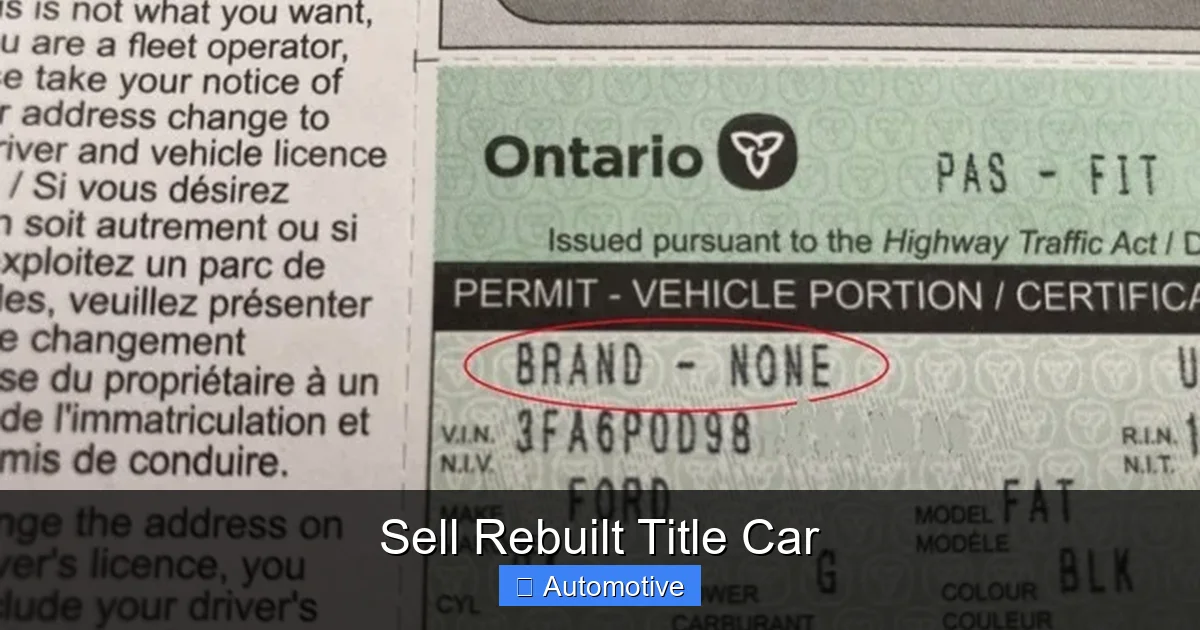
Selling a rebuilt title car can be a smart financial move, but it requires careful preparation and transparency. With the right strategy, you can attract serious buyers and secure a fair price—even with a salvage history.
So, you’ve got a car with a rebuilt title and you’re thinking about selling it. Maybe you restored it yourself after an accident, or perhaps you bought it as a project and now it’s time to move on. Whatever the reason, selling a rebuilt title car isn’t quite the same as selling a vehicle with a clean title—and that’s okay. In fact, with the right approach, you can still get a solid return on your investment.
But let’s be real: the term “rebuilt title” can scare off some buyers. It sounds like a red flag, like the car is damaged goods or unsafe. The truth? Not necessarily. A rebuilt title simply means the vehicle was once declared a total loss by an insurance company—usually due to severe damage from an accident, flood, or fire—but has since been repaired, inspected, and approved by the state to be legally driven again. That’s a big difference from a car that’s still wrecked or unsafe.
The key to a successful sale is transparency, preparation, and knowing your market. You’re not hiding anything—you’re offering a fully functional, legally registered vehicle at a competitive price. And there are plenty of buyers out there who understand the value in a well-repaired rebuilt title car. Whether they’re looking for a budget-friendly daily driver, a project car, or a vehicle for parts, your car could be exactly what they need.
In this guide, we’ll walk you through everything you need to know to sell your rebuilt title car confidently and effectively. From understanding the title process to pricing, marketing, and closing the deal, we’ve got you covered. Let’s dive in.
In This Article
- 1 Key Takeaways
- 2 📑 Table of Contents
- 3 What Is a Rebuilt Title Car?
- 4 Why Sell a Rebuilt Title Car?
- 5 Preparing Your Rebuilt Title Car for Sale
- 6 Pricing Your Rebuilt Title Car
- 7 Where to Sell Your Rebuilt Title Car
- 8 Marketing Your Rebuilt Title Car
- 9 Closing the Sale
- 10 Common Mistakes to Avoid
- 11 Final Thoughts
- 12 Frequently Asked Questions
Key Takeaways
- Understand what a rebuilt title means: A rebuilt title indicates the car was previously declared a total loss but has been repaired and passed state inspection to be legally drivable again.
- Disclose the title status upfront: Honesty builds trust with buyers and avoids legal issues or deal cancellations later.
- Get a professional inspection: A third-party mechanic’s report proves the car is safe and roadworthy, increasing buyer confidence.
- Price it competitively: Rebuilt title cars typically sell for 20–40% less than clean title equivalents—research local market values.
- Choose the right selling platform: Private sales, online marketplaces, and specialized dealers each have pros and cons for rebuilt title vehicles.
- Prepare all documentation: Include repair records, inspection certificates, and title history to streamline the sale.
- Be ready to answer questions: Buyers will want details about the accident, repairs, and current condition—be prepared with facts.
📑 Table of Contents
What Is a Rebuilt Title Car?
Before you can sell a rebuilt title car, it’s important to fully understand what that title status means—and how it affects your vehicle’s value and marketability.
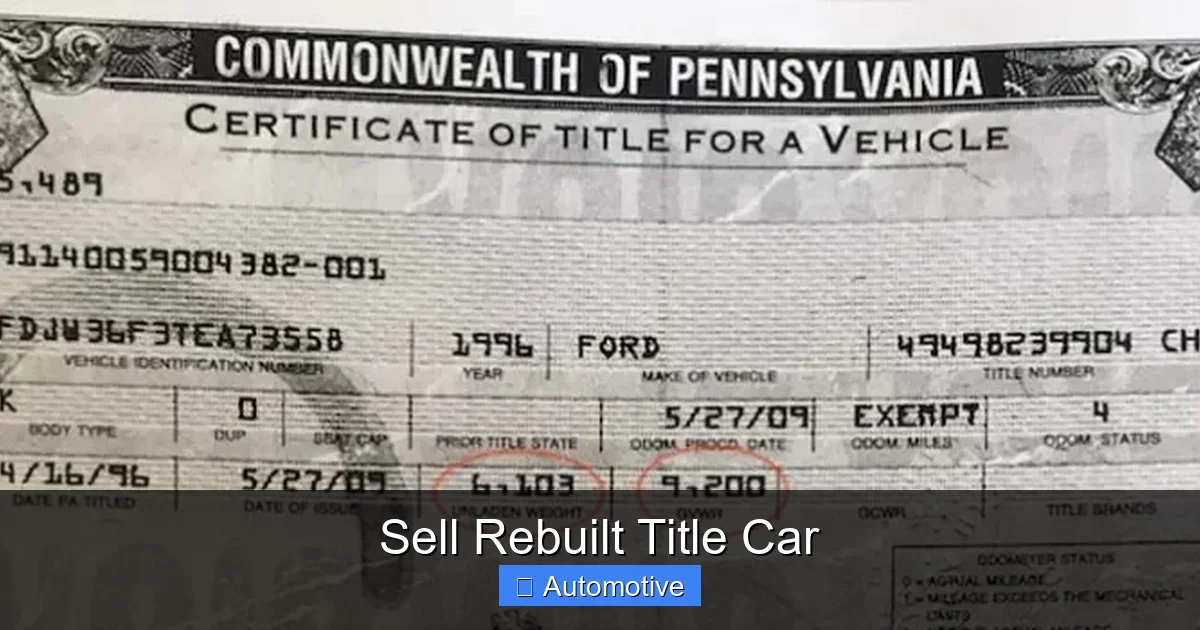
A rebuilt title is issued when a car that was previously declared a “total loss” by an insurance company has been repaired and passes a state-mandated inspection. This process varies slightly by state, but generally involves submitting repair documentation, undergoing a physical inspection by a certified inspector, and proving the vehicle meets safety and emissions standards.
For example, let’s say a sedan was in a front-end collision that damaged the frame. The insurance company determined it would cost more to repair than the car was worth, so they totaled it and issued a salvage title. The owner—or a new buyer—then invested in professional repairs, including frame straightening, airbag replacement, and new body panels. Once the repairs were complete, they took the car to the DMV for a rebuilt title inspection. After passing, the title was updated to “rebuilt,” and the car could be registered and driven legally.
It’s important to note that not all rebuilt title cars are created equal. Some were lightly damaged and repaired with OEM (original equipment manufacturer) parts, while others may have had extensive structural damage or used aftermarket components. The quality of the repairs plays a huge role in the car’s reliability and resale value.
How Rebuilt Titles Differ from Salvage and Clean Titles
To clarify, here’s a quick breakdown of the three main title types:
– Clean Title: The car has never been declared a total loss. It’s the most desirable status for buyers and commands the highest resale value.
– Salvage Title: The car was declared a total loss but has not yet been repaired or inspected. It cannot be driven legally until it passes inspection and receives a rebuilt title.
– Rebuilt Title: The car was salvaged, repaired, and inspected. It’s now road-legal, but the title history remains on record.
Because a rebuilt title car has a known history of significant damage, it will always be worth less than a comparable clean title vehicle—even if it drives perfectly. But that doesn’t mean it’s a bad buy. Many rebuilt title cars are safe, reliable, and cost significantly less than their clean title counterparts.
Why Sell a Rebuilt Title Car?
Visual guide about Sell Rebuilt Title Car
Image source: res.cloudinary.com
There are several reasons why someone might choose to sell a rebuilt title car. Understanding your motivation can help you tailor your sales strategy and set realistic expectations.
One common reason is financial. Maybe you’ve completed the repairs and no longer need the vehicle. Or perhaps you’re upgrading to a newer model and want to recoup some of your investment. Selling allows you to turn your asset into cash without the hassle of long-term ownership.
Another reason is time. Rebuilt title cars can require more maintenance and attention than clean title vehicles, especially if the repairs weren’t done to the highest standard. If you’re not prepared to handle potential issues down the road, selling now might be the smarter move.
Some owners also sell because they’ve realized the car isn’t right for their needs. For instance, a rebuilt title SUV might have been great for off-roading, but if your lifestyle has changed and you now need a fuel-efficient commuter, it makes sense to sell and reinvest in something more suitable.
And let’s not forget the emotional factor. Restoring a car can be rewarding, but it can also be stressful. If the process has taken a toll or you’re simply ready to move on, selling gives you closure and a fresh start.
Whatever your reason, selling a rebuilt title car is a practical and often profitable decision—especially if you approach it the right way.
Preparing Your Rebuilt Title Car for Sale
Visual guide about Sell Rebuilt Title Car
Image source: southerntitleliens.com
First impressions matter—especially when selling a car with a rebuilt title. Buyers are naturally cautious, so you need to go the extra mile to show that your vehicle is safe, reliable, and worth their money.
Start by giving the car a thorough cleaning. Wash the exterior, vacuum the interior, and wipe down all surfaces. A clean car looks cared for and suggests the owner took pride in maintenance. Don’t forget the engine bay—a quick degrease and wipe-down can make a big difference.
Next, address any minor cosmetic issues. Touch up scratches, replace burnt-out bulbs, and fix loose trim. These small fixes cost little but show attention to detail. If the car has noticeable dents or rust, consider getting them professionally repaired—especially if they’re in high-visibility areas.
Get a Professional Inspection
One of the most important steps in preparing your rebuilt title car for sale is getting a pre-purchase inspection from a trusted mechanic. This isn’t just for your benefit—it’s for the buyer’s peace of mind.
A professional inspection will verify that the car is mechanically sound, the repairs were done correctly, and there are no hidden issues. The mechanic will check the engine, transmission, brakes, suspension, electrical system, and more. They’ll also look for signs of previous flood damage, frame misalignment, or subpar repairs.
Once the inspection is complete, ask for a written report. This document is gold when it comes to selling. You can include it in your listing or share it directly with interested buyers. It proves transparency and builds trust.
For example, imagine you’re selling a 2018 Honda Civic with a rebuilt title. A buyer might worry about the airbags or alignment after a front-end collision. But if you provide an inspection report showing the airbags were replaced with OEM parts and the alignment is within factory specs, their concerns are eased.
Gather All Documentation
Paperwork is your best friend when selling a rebuilt title car. The more documentation you have, the smoother the sale will go.
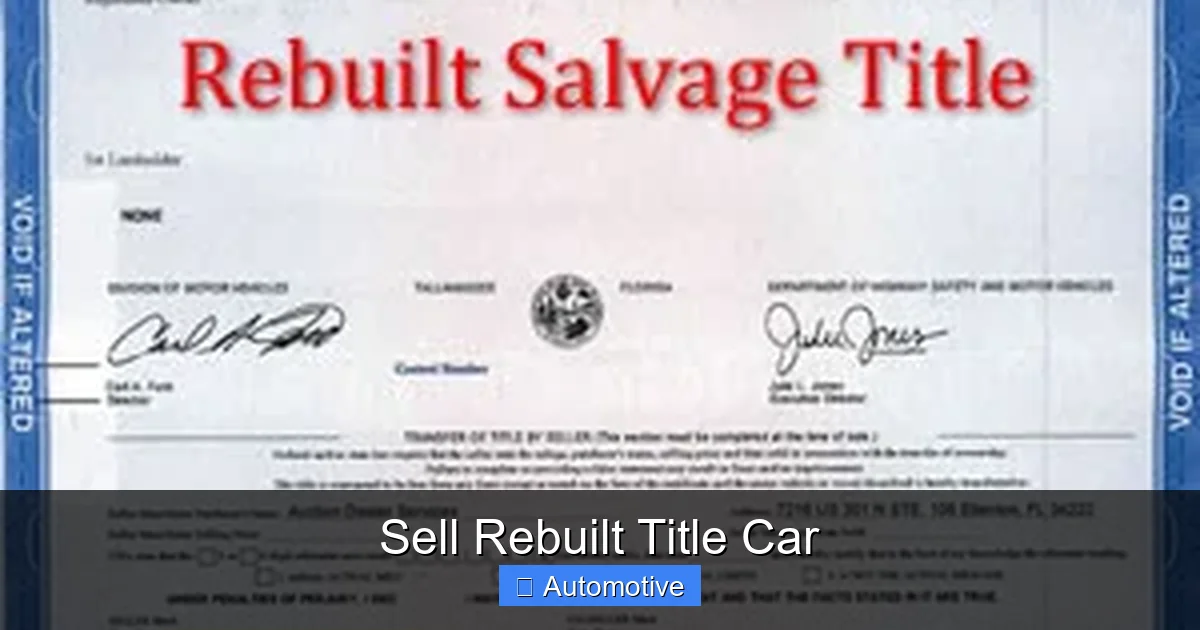
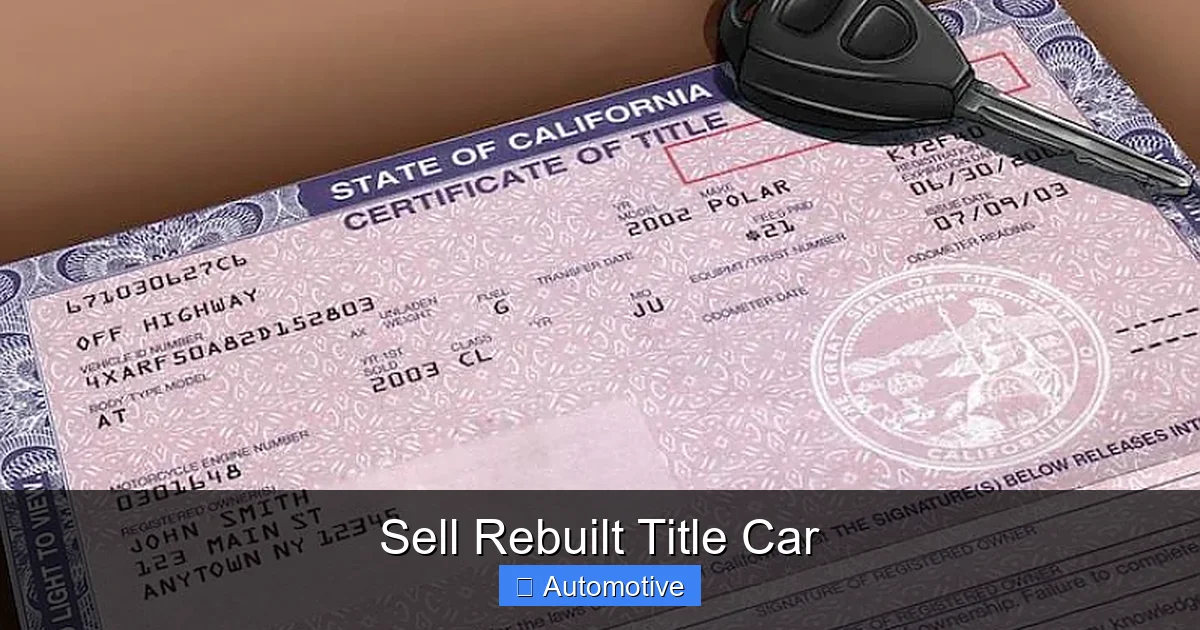
Start with the title itself—make sure it’s properly signed and notarized if required by your state. Include the rebuilt title certificate and any inspection paperwork from the DMV.
Then, collect all repair records. This includes invoices from body shops, mechanics, and parts suppliers. If you did the repairs yourself, keep receipts for parts and tools. Detailed records show that the work was done professionally and with quality components.
Don’t forget maintenance records, too. Oil changes, tire rotations, and brake service history demonstrate that the car has been well cared for since the rebuild.
Finally, if the car was ever in a flood or fire, include any documentation related to that event and the subsequent repairs. Transparency about the car’s history builds credibility.
Pricing Your Rebuilt Title Car
Visual guide about Sell Rebuilt Title Car
Image source: bobjohnsonautogroup.com
Pricing a rebuilt title car can be tricky. You want to get a fair return, but you also need to be realistic about the market.
Rebuilt title cars typically sell for 20% to 40% less than comparable clean title vehicles. The exact discount depends on factors like the extent of the original damage, the quality of repairs, the car’s make and model, and local demand.
Research Comparable Sales
Start by researching similar vehicles in your area. Use online marketplaces like Craigslist, Facebook Marketplace, Autotrader, and Cars.com to find rebuilt title cars with similar mileage, year, and condition.
For example, if you’re selling a 2016 Toyota Camry with 80,000 miles and a rebuilt title, look for other 2016 Camrys with rebuilt titles in your state. Note their asking prices and how long they’ve been listed. If a car has been sitting for months, it might be overpriced.
You can also check clean title Camrys to see the price difference. If a clean title model is listed for $18,000, a rebuilt title version might reasonably sell for $12,000 to $14,000—depending on condition and repair quality.
Adjust for Condition and Upgrades
Once you have a baseline, adjust your price based on your car’s specific condition. If your Camry has new tires, a recent transmission service, and a full interior detail, you can justify pricing it on the higher end of the range.
Conversely, if the paint is faded, the interior has wear, or there are minor mechanical issues, you’ll need to lower the price accordingly.
Upgrades can also add value. If you’ve installed a premium sound system, LED headlights, or performance suspension, mention them in your listing and factor them into your pricing—though don’t expect full return on investment.
Consider a Pre-Sale Appraisal
If you’re unsure about pricing, consider getting a pre-sale appraisal from a dealership or online car-buying service like CarMax or Carvana. These companies will inspect your car and offer a cash price. Even if you don’t accept the offer, it gives you a realistic benchmark.
Just keep in mind that dealerships often lowball rebuilt title cars because they assume risk and have overhead costs. Use their offer as a reference point, not the final word.
Where to Sell Your Rebuilt Title Car
Now that your car is clean, inspected, and priced, it’s time to choose where to sell it. Each platform has its pros and cons, so pick the one that best fits your goals.
Private Sale
Selling privately—through platforms like Craigslist, Facebook Marketplace, or local classifieds—is often the most profitable option. You avoid dealer fees and can negotiate directly with buyers.
The downside? It takes more time and effort. You’ll need to create a compelling listing, respond to inquiries, schedule test drives, and handle paperwork. There’s also a higher risk of scams or no-shows.
To maximize your chances of success, write a detailed ad that highlights the car’s strengths, includes high-quality photos, and clearly states the rebuilt title status. Be honest about the history and repairs—this builds trust and filters out unserious buyers.
Online Marketplaces
Websites like Autotrader, Cars.com, and eBay Motors cater to car buyers and offer tools to help you reach a wider audience. These platforms often have built-in messaging systems, price comparison tools, and fraud protection.
The downside is that they usually charge listing fees or take a commission. Still, the exposure can be worth it, especially for higher-value vehicles.
Sell to a Dealer or Online Buyer
If you want a quick, hassle-free sale, consider selling to a dealership or an online car-buying service. Companies like CarMax, Vroom, and Shift will make you an offer based on an inspection.
The trade-off is price. Dealers need to make a profit, so their offers are typically lower than what you’d get in a private sale. But if you value convenience over maximum return, this can be a great option.
Some dealers specialize in rebuilt title cars and may offer better prices than mainstream buyers. Do your research to find reputable dealers in your area.
Auction Platforms
For unique or high-demand rebuilt title cars, auction sites like Copart or IAAI (Insurance Auto Auctions) can be effective. These platforms are often used by dealers, rebuilders, and exporters.
However, auctions are competitive and unpredictable. You might get a great price—or your car might sell for less than expected. There are also fees and logistical challenges, like transporting the vehicle to the auction site.
Marketing Your Rebuilt Title Car
A great car won’t sell itself—you need a strong marketing strategy to attract the right buyers.
Start with high-quality photos. Take pictures in natural light, from multiple angles, and include close-ups of the interior, engine, tires, and any upgrades. Show the car clean and well-lit. Avoid dark, blurry, or cluttered shots.
Write a clear, honest, and engaging description. Include key details like:
– Year, make, model, and mileage
– Rebuilt title status and reason for salvage (e.g., “front-end collision, repaired with OEM parts”)
– Summary of repairs and inspections
– Recent maintenance and upgrades
– Reason for selling
Use bullet points for easy reading and highlight selling points like “new brakes,” “recent alignment,” or “passed state inspection.”
Be upfront about the title. Saying “rebuilt title—fully repaired and road-legal” is better than hiding it or using vague terms like “clean title.” Honesty builds trust and prevents deals from falling through.
Respond Promptly to Inquiries
When buyers reach out, respond quickly and professionally. Answer their questions thoroughly and offer to share the inspection report or schedule a test drive.
Be prepared for common questions like:
– “Was the frame damaged?”
– “Are the airbags original?”
– “Has it been in a flood?”
– “Can I get insurance?”
Having answers ready shows you’re knowledgeable and confident in your car.
Closing the Sale
Once you’ve found a serious buyer, it’s time to close the deal.
Negotiate Fairly
Be open to negotiation, but know your bottom line. If the buyer offers 10% below your asking price, consider whether it’s worth accepting—especially if the car has been listed for a while.
Remember, rebuilt title cars take longer to sell, so a reasonable offer might be better than waiting months for the “perfect” price.
Complete the Paperwork
When you agree on a price, complete the sale properly to avoid legal issues.
Sign the title over to the buyer and provide a bill of sale. Include both names, addresses, the car’s VIN, sale price, and date. Some states require a notarized bill of sale—check your local DMV requirements.
Remove your license plates and cancel your insurance. In most states, you must notify the DMV of the sale within a certain timeframe to avoid liability.
Accept Secure Payment
Avoid cash for high-value transactions—it’s risky and hard to trace. Use a cashier’s check, bank transfer, or escrow service for amounts over $5,000.
Never release the car until payment has cleared. Scammers often use fake checks or promise to pay later.
Common Mistakes to Avoid
Even with the best preparation, sellers can make mistakes that hurt their chances of a successful sale.
One common error is underpricing. While it’s tempting to price low to attract buyers, undervaluing your car can signal that it’s not worth much—or that there’s something wrong with it.
Another mistake is poor communication. Ignoring messages, being evasive about the car’s history, or refusing to share inspection reports will turn buyers away.
Don’t skip the inspection. Even if you’re confident in the repairs, a third-party report adds credibility and reduces buyer anxiety.
Finally, avoid rushing the sale. Take your time to find the right buyer. A rushed decision can lead to accepting a lowball offer or dealing with a problematic buyer.
Final Thoughts
Selling a rebuilt title car doesn’t have to be stressful or unprofitable. With the right preparation, pricing, and marketing, you can find a buyer who appreciates the value and reliability of your vehicle.
Remember: transparency is your greatest asset. Be honest about the car’s history, provide thorough documentation, and let the quality of the repairs speak for themselves. Buyers who understand rebuilt titles are often looking for exactly what you’re offering—a safe, functional car at a fair price.
Whether you sell privately, through a dealer, or online, the key is to present your car as a smart, cost-effective choice. And with the tips in this guide, you’re well on your way to a successful sale.
Frequently Asked Questions
Can I sell a rebuilt title car?
Yes, you can legally sell a rebuilt title car in all 50 states. However, you must disclose the title status to the buyer and provide proper documentation, including the rebuilt title certificate and inspection records.
How much less is a rebuilt title car worth?
On average, a rebuilt title car sells for 20% to 40% less than a comparable clean title vehicle. The exact discount depends on the extent of the original damage, the quality of repairs, and local market demand.
Will buyers finance a rebuilt title car?
Financing options are limited for rebuilt title cars. Most traditional lenders won’t finance them, but some credit unions, online lenders, and specialty dealers may offer loans—often at higher interest rates.
Can I get insurance for a rebuilt title car?
Yes, but coverage options may be limited. Some insurers offer liability-only policies for rebuilt title cars, while others may provide full coverage if the vehicle passes inspection and meets certain criteria.
Do I need a mechanic’s inspection to sell?
While not legally required in all states, a professional inspection is highly recommended. It proves the car is safe and roadworthy, increases buyer confidence, and can help you sell faster and for a better price.
Should I sell privately or to a dealer?
Private sales typically yield higher profits but require more time and effort. Selling to a dealer is faster and more convenient but usually results in a lower offer. Choose based on your priorities—money or convenience.