Sell Old Car Near Me

Selling your old car doesn’t have to be stressful or time-consuming. Whether it’s damaged, high-mileage, or just outdated, you can sell old car near me quickly and for a fair price—often in under 24 hours. With the right approach, you’ll avoid scams, save time, and walk away with cash in hand.
In This Article
- 1 Key Takeaways
- 2 📑 Table of Contents
- 3 Why You Should Sell Your Old Car
- 4 How to Determine Your Car’s Value
- 5 Best Ways to Sell Old Car Near Me
- 6 Preparing Your Car to Sell
- 7 Avoiding Scams and Staying Safe
- 8 Tips for Getting the Best Price
- 9 What to Do After the Sale
- 10 Conclusion
- 11 Frequently Asked Questions
Key Takeaways
- Know your car’s value: Use tools like Kelley Blue Book or Edmunds to estimate your vehicle’s worth before listing it.
- Choose the right selling method: Decide between private sale, trade-in, or selling to a junkyard based on your car’s condition and timeline.
- Prepare your paperwork: Gather the title, registration, maintenance records, and bill of sale to speed up the process.
- Clean and inspect your car: A clean interior and exterior can increase buyer interest and final offer price.
- Be cautious of scams: Avoid wire transfers, overpayments, and buyers who refuse to meet in person.
- Use local services for convenience: Companies that buy cars for cash often offer free towing and same-day payment.
- Negotiate confidently: Know your bottom line and don’t rush into a lowball offer—there are always other buyers.
📑 Table of Contents
Why You Should Sell Your Old Car
Let’s face it—your old car has served you well, but now it’s time to move on. Maybe it’s guzzling gas, breaking down more often, or just not fitting your lifestyle anymore. Whatever the reason, selling your old car is a smart financial move. Not only can you recoup some of your investment, but you’ll also free up space, reduce insurance costs, and avoid costly repairs.
Many people delay selling their old vehicles because they think it’s complicated or that they won’t get a fair price. But the truth is, there are more options than ever to sell old car near me quickly and easily. From online marketplaces to local junkyards and cash-for-cars services, you can find a buyer who values your vehicle—even if it’s not in perfect shape. The key is knowing where to look and how to prepare.
How to Determine Your Car’s Value
Before you list your car or accept any offers, it’s crucial to know what it’s actually worth. Pricing it too high can scare off buyers, while pricing it too low means leaving money on the table. Fortunately, several free online tools can help you get an accurate estimate.
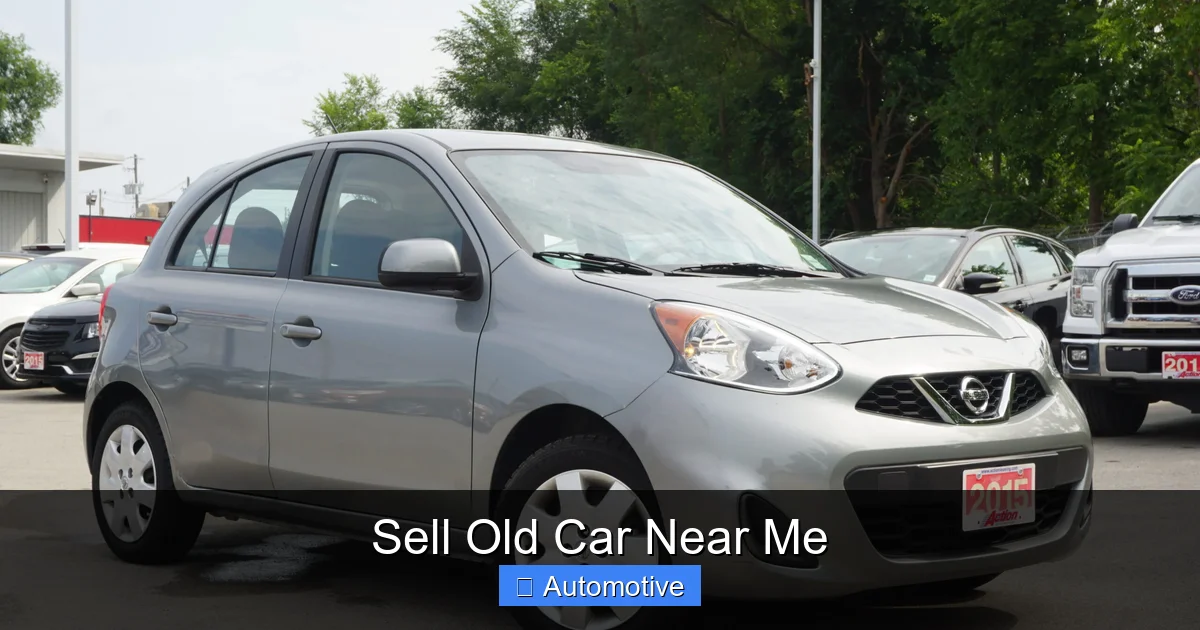
Visual guide about Sell Old Car Near Me
Image source: assets.carpages.ca
Use Online Valuation Tools
Start with trusted resources like Kelley Blue Book (KBB), Edmunds, or NADA Guides. These platforms ask for details like your car’s make, model, year, mileage, condition, and location. Based on recent sales data, they’ll give you a range—typically “trade-in value” and “private party value.” For example, a 2015 Honda Civic with 90,000 miles in good condition might be worth $8,000 as a trade-in but $10,000 if sold privately.
Consider Your Car’s Condition
Be honest about your car’s condition. Is the engine running smoothly? Are there dents, scratches, or interior stains? Does it have a clean title, or is it salvaged? These factors significantly impact value. A car with a rebuilt title, for instance, may be worth 20–40% less than one with a clean history.
Check Local Listings
Look at similar cars for sale in your area on platforms like Craigslist, Facebook Marketplace, or Autotrader. This gives you a real-world sense of what buyers are willing to pay. If you see a 2016 Toyota Camry with 85,000 miles listed for $11,500, you can use that as a benchmark for your own pricing.
Best Ways to Sell Old Car Near Me
Once you know your car’s value, it’s time to choose how to sell it. Each method has pros and cons, so pick the one that best fits your needs, timeline, and comfort level.
Visual guide about Sell Old Car Near Me
Image source: carscabs.com
Sell Privately
Selling your car directly to another person usually gets you the highest price. You avoid dealer markups and can negotiate directly with the buyer. Platforms like Facebook Marketplace, Craigslist, and OfferUp make it easy to list your vehicle and connect with local buyers.
However, private sales take more time and effort. You’ll need to write a detailed ad, respond to inquiries, schedule test drives, and handle paperwork. There’s also a risk of scams or unsafe meetings. Always meet in public places, bring a friend, and never release the title until payment is complete.
Trade It In at a Dealership
If you’re buying a new car, trading in your old one is convenient. Dealerships handle all the paperwork, and you can often roll the trade-in value into your new purchase. This saves time and reduces the sales tax on your new vehicle.
The downside? You’ll typically get less money than a private sale. Dealers need to resell your car for a profit, so they offer lower prices. For example, if your car is worth $9,000 privately, a dealer might offer $7,500. Still, the convenience may be worth it if you’re upgrading soon.
Sell to a Junkyard or Cash-for-Cars Service
If your car is damaged, non-running, or nearing the end of its life, selling it to a junkyard or cash-for-cars company might be your best bet. These businesses buy vehicles “as-is” and often pay on the spot. Many offer free towing, so you don’t have to worry about transporting a broken-down car.
Companies like Peddle, CarBrain, and local junkyards specialize in buying old, unwanted vehicles. They assess your car over the phone or online, give you a quote, and schedule pickup—often within 24 hours. While you won’t get top dollar, it’s a fast, hassle-free way to sell old car near me, especially if the vehicle isn’t roadworthy.
Use Online Car-Buying Platforms
Websites like CarMax, Vroom, and Shift allow you to sell your car entirely online. You enter your vehicle details, upload photos, and receive an instant offer. If you accept, they’ll schedule a pickup or drop-off at a nearby location. These platforms are reputable and transparent, making them a safe middle ground between private sales and junkyards.
The offers may be slightly lower than private sale prices, but the process is quick and secure. Plus, they handle all the paperwork, so you don’t have to worry about transferring the title or canceling insurance.
Preparing Your Car to Sell
First impressions matter—even for old cars. Taking the time to clean and prepare your vehicle can significantly boost its appeal and final sale price. You don’t need to detail it like a show car, but a little effort goes a long way.
Clean Inside and Out
Start with a thorough wash and wax to remove dirt, grime, and road salt. Vacuum the seats, carpets, and trunk. Wipe down dashboards, cup holders, and door panels. Remove personal items like sunglasses, chargers, and air fresheners. A clean car looks well-maintained and suggests the owner cared for it.
If you’re on a budget, you can do this yourself with a bucket, sponge, and household cleaners. For a deeper clean, consider a professional detailing service. It might cost $100–$200, but it could increase your sale price by several hundred dollars.
Fix Minor Issues
You don’t need to overhaul the engine, but addressing small problems can make a big difference. Replace burnt-out light bulbs, fix cracked windshields, or patch small dents. These repairs show buyers the car is in decent condition and reduce negotiation points.
For example, a $50 headlight replacement might prevent a buyer from knocking $200 off your asking price. Focus on visible, easy fixes that improve appearance and functionality.
Gather Documentation
Have all your paperwork ready before listing your car. This includes:
- The vehicle title (signed and ready to transfer)
- Current registration
- Maintenance and repair records
- Owner’s manual
- Bill of sale (you can find free templates online)
Buyers feel more confident when they see a complete history. It proves the car was well-maintained and reduces the risk of hidden problems. If you’ve kept receipts for oil changes, tire replacements, or major repairs, include those too.
Avoiding Scams and Staying Safe
While most car buyers are legitimate, scams do happen—especially in private sales. Protect yourself by staying alert and following best practices.
Watch for Red Flags
Be suspicious of buyers who:
- Offer to pay more than your asking price
- Ask you to ship the car or send money upfront
- Use fake checks or wire transfers
- Refuse to meet in person or inspect the car
- Pressure you to act quickly
Legitimate buyers want to see the car, take it for a test drive, and verify its condition. If someone seems too eager or avoids meeting, it’s likely a scam.
Meet in Safe, Public Places
Always conduct meetings in well-lit, public areas like shopping centers, police stations, or busy parking lots. Bring a friend or family member for added safety. Never invite strangers to your home or meet at night.
Some police departments even offer “safe exchange zones” with surveillance cameras for online transactions. Check if your local station has one—it’s a great way to stay protected.
Use Secure Payment Methods
Cash is the safest option for private sales. If the buyer wants to pay by check, make sure it’s a cashier’s or certified check from a local bank. Wait for the check to clear before handing over the title and keys.
Avoid wire transfers, gift cards, or mobile payment apps like Venmo or Zelle for large transactions. These methods are often used in scams and are difficult to reverse.
Tips for Getting the Best Price
You want to sell old car near me for as much as possible, but you also don’t want to wait months for the right buyer. Here’s how to strike the balance.
Price It Right from the Start
Set a competitive price based on your research. If similar cars are listed for $9,500, price yours at $9,200 to attract quick interest. You can always negotiate up slightly, but starting too high may deter buyers.
Consider pricing it just below a round number (e.g., $8,995 instead of $9,000). Psychologically, it feels like a better deal, even though the difference is small.
Write a Compelling Ad
Your listing is your first impression. Use clear, high-quality photos from multiple angles—outside, inside, engine, trunk, and any damage. Write a detailed description that includes:
- Year, make, model, and trim
- Mileage and condition
- Key features (sunroof, navigation, leather seats)
- Recent repairs or upgrades
- Reason for selling
For example: “2017 Ford Escape SE, 78,000 miles, excellent condition. New tires and brakes in 2023. Selling because I’m moving out of state. Clean title, no accidents.”
Be Honest About Flaws
Don’t hide problems. Mention any issues like a check engine light, transmission noise, or paint damage. Buyers appreciate transparency, and it builds trust. Plus, it prevents disputes later.
If your car has a minor issue, consider fixing it before listing. A $100 repair could save you from losing a serious buyer.
Negotiate Wisely
Most buyers will try to negotiate. Know your bottom line—the lowest price you’re willing to accept—and stick to it. If an offer is too low, politely decline and wait for a better one.
You can also bundle extras to sweeten the deal. Offer to include winter tires, a car cover, or a full tank of gas. These small perks can make your offer more attractive without lowering the price.
What to Do After the Sale
Once you’ve sold your car, your job isn’t quite done. You need to finalize the transfer and protect yourself legally.
Transfer the Title
Sign the title over to the buyer and complete a bill of sale. Both parties should keep copies. In most states, you’ll also need to submit a release of liability form to the DMV to avoid responsibility for future tickets or accidents.
Cancel Insurance and Registration
Contact your insurance company to cancel or adjust your policy. You don’t want to keep paying for a car you no longer own. Also, return your license plates to the DMV if required in your state.
Remove Personal Items
Double-check the car for forgotten belongings—phone chargers, documents, or spare keys. Once the car is gone, you won’t be able to retrieve them.
Conclusion
Selling your old car doesn’t have to be a headache. With the right preparation, research, and selling strategy, you can sell old car near me quickly, safely, and for a fair price. Whether you choose a private sale, trade-in, or cash-for-cars service, the key is knowing your options and acting confidently.
Start by valuing your car accurately, cleaning it up, and gathering your paperwork. Then, pick the method that best fits your timeline and goals. Avoid scams by meeting in safe places and using secure payment methods. And remember—even if your car isn’t perfect, there’s a buyer out there who sees its value.
So don’t let that old vehicle sit in your driveway collecting dust. Take action today, and turn it into cash you can use for your next adventure.
Frequently Asked Questions
How much can I get for my old car?
The amount you can get depends on your car’s make, model, year, mileage, and condition. Use tools like Kelley Blue Book or Edmunds to estimate its value. On average, private sales yield more than trade-ins or junkyards.
Can I sell my car if it doesn’t run?
Yes, many junkyards and cash-for-cars services buy non-running vehicles. They’ll assess it based on weight and parts value, often offering free towing. You can still sell old car near me even if it’s not drivable.
Do I need a clean title to sell my car?
In most cases, yes. A clean title proves ownership and makes the transfer legal. If your title is lost or damaged, contact your local DMV to get a replacement before selling.
How long does it take to sell a car privately?
It varies, but most cars sell within 2–4 weeks if priced correctly. Well-maintained, popular models may sell in just a few days. Be patient and responsive to inquiries.
Is it better to sell privately or trade in?
Selling privately usually gets you more money, but it takes more time and effort. Trading in is faster and easier, especially if you’re buying a new car, but you’ll get a lower offer.
What should I do if a buyer offers a fake check?
Never accept a personal check from an unknown buyer. If they insist, ask for a cashier’s or certified check from a local bank. Wait for it to clear before handing over the car and title.