Sell My Car Without Title

Selling a car without a title is possible, but it comes with challenges and legal considerations. This guide walks you through the process, including how to obtain a duplicate title, work with buyers, and avoid scams—so you can sell your car confidently and legally.
In This Article
- 1 Key Takeaways
- 2 📑 Table of Contents
- 3 Can You Really Sell My Car Without Title?
- 4 Why the Title Matters—And What Happens Without It
- 5 How to Get a Duplicate Title (The Smart First Step)
- 6 Who Will Buy a Car Without a Title?
- 7 Legal Alternatives When the Title Is Gone
- 8 Tips to Sell Your Car Without Title Safely
- 9 State-by-State Variations: Know Your Local Laws
- 10 Conclusion: Yes, You Can Sell My Car Without Title—But Do It Right
- 11 Frequently Asked Questions
Key Takeaways
- You can sell a car without the original title in some states, but it’s not recommended. Most buyers and dealerships require a title to complete the sale.
- Obtaining a duplicate title is often the best first step. Contact your local DMV with proof of ownership and ID to get a replacement quickly.
- Private buyers may be hesitant without a title. Be transparent and provide documentation like registration, maintenance records, and a bill of sale.
- Sell to a junkyard or scrap yard if the car is non-running. Many buyers accept vehicles without titles, especially for parts or recycling.
- Use a bonded title or court order in rare cases. These legal alternatives help establish ownership when the original title is lost or missing.
- Avoid scams by verifying buyer legitimacy. Never accept cashier’s checks from unknown sources or wire transfers from unverified buyers.
- Check your state’s specific laws. Requirements vary widely—some states allow titleless sales under certain conditions, while others strictly prohibit them.
📑 Table of Contents
- Can You Really Sell My Car Without Title?
- Why the Title Matters—And What Happens Without It
- How to Get a Duplicate Title (The Smart First Step)
- Who Will Buy a Car Without a Title?
- Legal Alternatives When the Title Is Gone
- Tips to Sell Your Car Without Title Safely
- State-by-State Variations: Know Your Local Laws
- Conclusion: Yes, You Can Sell My Car Without Title—But Do It Right
Can You Really Sell My Car Without Title?
So, you’ve got a car sitting in your driveway—maybe it’s not running, maybe it’s just time for an upgrade—and you’re ready to sell. But there’s one big problem: you can’t find the title. Panic sets in. “Can I even sell my car without title?” The short answer? Yes, but it’s complicated.
The car title is the legal document that proves ownership. Without it, transferring ownership becomes tricky. Most buyers, especially private ones, want to see that title before handing over cash. Dealerships and online car-buying services almost always require it. But don’t lose hope. There are legal ways to move forward, even if the original title is lost, stolen, or never received.
The key is understanding your options and knowing the rules in your state. Some states allow you to sell a car without a title under specific circumstances—like if the car is very old, being sold for parts, or going to a licensed recycler. Others require a title no matter what. The good news? You’re not stuck. With the right steps, you can still sell your car, even if the title is missing.
Why the Title Matters—And What Happens Without It

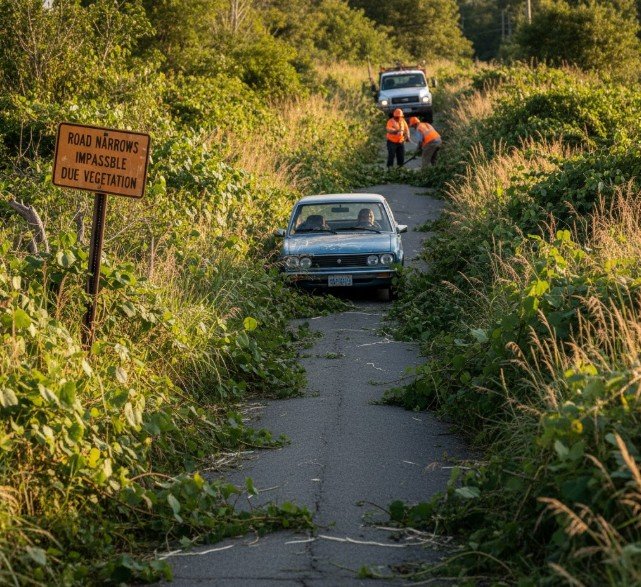
Visual guide about Sell My Car Without Title
Image source: tffn.net
Let’s break it down: the car title isn’t just a piece of paper. It’s the legal backbone of any vehicle sale. It shows who owns the car, whether there’s a lien (like a loan), and allows the new owner to register the vehicle in their name. Without it, the buyer can’t legally drive or insure the car—and that makes most people walk away.
Imagine trying to sell your laptop without the charger. It’s not impossible, but it limits your buyer pool. The same goes for a car without a title. Most private buyers won’t take the risk. They don’t want to deal with DMV headaches or potential legal issues down the road. Even if they believe you’re the rightful owner, they can’t prove it without that document.
And it’s not just about trust. The DMV requires a title (or a legal substitute) to process a transfer of ownership. If you try to sell without one, the buyer may not be able to register the car, which means no license plates, no insurance, and no legal driving. That’s a dealbreaker for almost everyone.
But here’s the silver lining: the title isn’t the only way to prove ownership. In some cases, you can use other documents—like a registration, bill of sale, or even a court order—to establish your claim. It’s not as smooth as having the title, but it’s doable.
The Risks of Selling Without a Title
Selling a car without a title isn’t just inconvenient—it can be risky. For one, you might attract scammers. People looking to buy titleless cars often know the process is messy, and some will try to take advantage. They might offer cash upfront, then disappear after taking the car. Or they could use fake checks, leaving you out of pocket and still responsible for the vehicle.
There’s also the risk of legal trouble. If you sell a car without proper documentation, you could be held liable if the new owner gets into an accident or commits a crime with the vehicle. Plus, if the car has a lien (like an unpaid loan), selling it without clearing that first could lead to financial penalties.
And let’s not forget the DMV. If the buyer can’t register the car, they might come back to you for help—or worse, report the sale as fraudulent. That’s why it’s so important to be transparent and follow the law, even if the process takes a little longer.
How to Get a Duplicate Title (The Smart First Step)

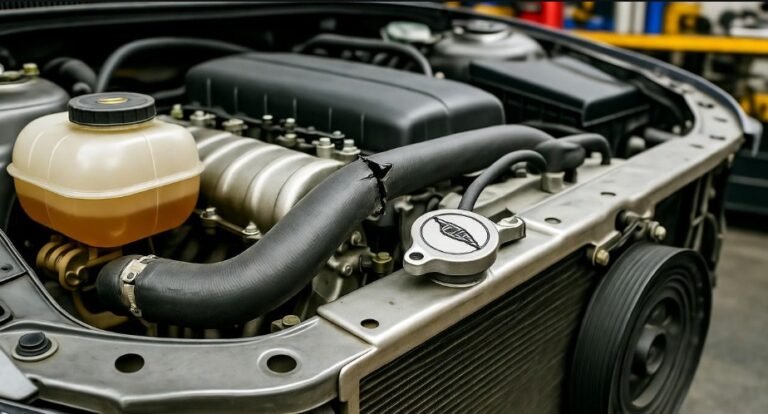
Visual guide about Sell My Car Without Title
Image source: sellmax.com
Before you even think about listing your car, consider getting a duplicate title. It’s often the easiest and safest way to sell your vehicle—even if it takes a few days. Most states allow you to request a replacement title from the Department of Motor Vehicles (DMV) if the original is lost, stolen, or damaged.
The process is usually straightforward. You’ll need to fill out an application, provide proof of identity (like a driver’s license), and show proof of ownership (such as the car’s registration or a recent insurance card). Some states also require a small fee—typically between $10 and $30. In many cases, you can apply online, by mail, or in person.
For example, in California, you can request a duplicate title online through the DMV website. You’ll need your vehicle identification number (VIN), driver’s license number, and payment for the fee. The new title usually arrives in 2–3 weeks. In Texas, you can apply in person at a county tax office or by mail, and the process takes about 10–15 business days.
What If You Can’t Get a Duplicate Title?
Sometimes, getting a duplicate isn’t an option. Maybe the car is too old and the DMV no longer has records. Or perhaps the title was never issued in the first place—common with inherited vehicles or cars bought from private sellers years ago. In these cases, you’ll need to explore alternatives.
One option is a bonded title. This is a legal document that proves ownership when the original title is missing and can’t be replaced. You’ll need to purchase a surety bond (usually 1.5 times the car’s value) and file it with the DMV. The bond protects the state in case someone else claims ownership. Once approved, you’ll receive a new title.
Another option is a court-ordered title. This involves filing a petition in civil court to establish ownership. It’s more time-consuming and may require a lawyer, but it’s effective when other methods fail. This route is common for inherited cars or vehicles with unclear ownership history.
Who Will Buy a Car Without a Title?

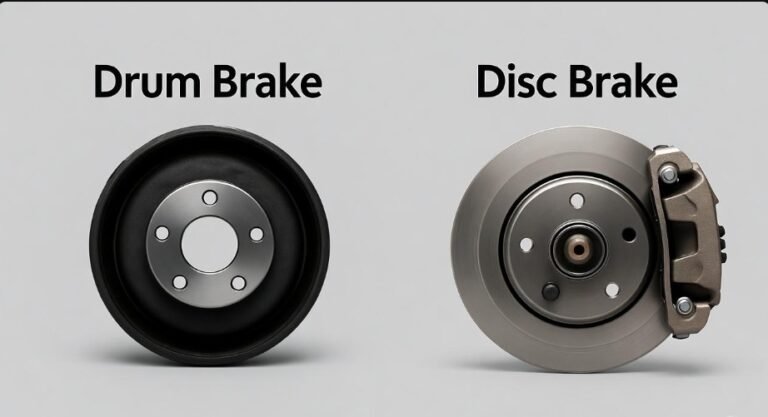
Visual guide about Sell My Car Without Title
Image source: static.cargurus.com
If you can’t get a duplicate title and don’t want to go through a bonded or court process, you still have options. Certain buyers are more willing to purchase a car without a title—especially if the vehicle is non-running, damaged, or intended for parts.
Junkyards and Scrap Yards
One of the most common buyers for titleless cars is a junkyard or scrap yard. These businesses often accept vehicles without titles, especially if the car is old, wrecked, or not drivable. They’re interested in the metal, parts, or fluids—not the legal ownership. Many will pay cash on the spot, and some even offer free towing.
For example, a local scrap yard might buy a 1998 Honda Civic with a blown engine and no title for $200–$400, depending on the weight of the metal. They don’t care about the title because they’re not reselling the car—they’re recycling it. Just make sure to get a receipt and ask how they verify ownership to avoid future issues.
Auto Salvage Dealers
Similar to junkyards, auto salvage dealers buy cars for parts. They may accept vehicles without titles, especially if the car has valuable components like transmissions, engines, or electronics. Some salvage yards specialize in certain makes or models, so you might get more money if your car is in demand.
For instance, a salvage dealer might pay $800 for a 2010 Toyota Camry with a working transmission but a damaged body—even without a title. They’ll strip the usable parts and recycle the rest. Again, get everything in writing and confirm their process for handling titleless vehicles.
Private Buyers (With Caution)
Some private buyers are willing to purchase a car without a title—especially if it’s a project car or they plan to fix it up. However, this is risky for both parties. The buyer can’t register the car, and you could still be liable if something goes wrong.
If you go this route, be completely transparent. Provide as much documentation as possible: registration, maintenance records, photos, and a detailed bill of sale. Include the VIN, mileage, and condition of the car. You might also consider having the buyer sign a release of liability form, which states they accept the car “as-is” and assume all responsibility.
One example: A car enthusiast buys a 1970s muscle car without a title to restore. They know the risks but are willing to take them for the right project. In this case, both parties understand the situation, and the sale is handled carefully.
Legal Alternatives When the Title Is Gone
When the original title is missing and a duplicate isn’t possible, legal alternatives can help you sell your car. These methods are more involved but can provide a clear path to ownership transfer.
Bonded Title Process
A bonded title is a legal document that replaces a missing title. To get one, you’ll need to purchase a surety bond from an insurance company. The bond amount is usually 1.5 times the car’s fair market value. For example, if your car is worth $5,000, you’d need a $7,500 bond.
The bond acts as a guarantee that you’re the rightful owner. If someone else later claims ownership, the bond pays them—not you. Once the bond is in place, you file it with the DMV along with an application for a bonded title. After a waiting period (often 1–3 years), and if no one challenges your claim, the bond is released, and you receive a clear title.
This process varies by state. In Florida, for example, you can apply for a bonded title through the DMV with the bond, application, and proof of ownership. It’s a solid option if you’ve inherited a car or bought it from a private seller who never transferred the title.
Court-Ordered Title
If a bonded title isn’t available or practical, a court-ordered title may be your best bet. This involves filing a civil lawsuit to establish ownership. You’ll need to prove you’re the rightful owner—usually through registration, insurance records, or witness testimony.
The court will review your case and, if approved, issue a judgment declaring you the owner. You can then take that judgment to the DMV to obtain a new title. This process can take several months and may require legal help, but it’s effective for complex cases.
For example, if you inherited a car from a relative who never transferred the title, a court order can clear up the ownership issue. It’s more time-consuming than a bonded title, but it provides legal certainty.
Tips to Sell Your Car Without Title Safely
Selling a car without a title requires extra care. Here are some practical tips to protect yourself and make the process smoother.
Be Transparent with Buyers
Honesty is your best policy. Tell potential buyers upfront that the title is missing. Explain what you’ve done to resolve it—whether you’re applying for a duplicate, getting a bonded title, or selling to a scrap yard. Most reasonable buyers will appreciate your honesty and may still be interested.
For example, you might say: “I’m selling my 2005 Ford Focus, but I don’t have the title. I’ve applied for a duplicate with the DMV, and it should arrive in two weeks. I can provide the registration and a bill of sale in the meantime.”
Get Everything in Writing
Always use a bill of sale, even if it’s not required. Include the buyer’s and seller’s names, addresses, VIN, sale price, date, and a statement that the car is sold “as-is.” This protects you from future liability.
Some states have specific bill of sale forms. Check your DMV website for templates. You can also find free versions online from reputable sources like legal aid organizations.
Verify the Buyer’s Identity
Before handing over the keys, make sure the buyer is legitimate. Ask for a driver’s license and verify the information. Avoid deals where the buyer wants to pay with a cashier’s check or wire transfer—these are common scam tactics.
If the buyer seems hesitant to meet in person or asks for unusual payment methods, walk away. It’s better to lose a sale than risk being scammed.
Remove License Plates and Cancel Insurance
Once the sale is complete, remove the license plates (in most states) and cancel your insurance. You don’t want to be responsible for the car after it’s sold. Keep a copy of the bill of sale as proof the vehicle is no longer in your possession.
In some states, you can transfer the plates to your new car. Check your local DMV rules.
State-by-State Variations: Know Your Local Laws
Laws about selling a car without a title vary widely. Some states are more flexible, while others are strict. Here’s a quick look at how a few states handle it:
– **California**: You can sell a car without a title only if it’s going to a licensed dismantler or recycler. Otherwise, you need a duplicate title.
– **Texas**: Private sales without a title are allowed, but the buyer must apply for a new title within 30 days. The seller must provide a signed Form 130-U.
– **Florida**: You can sell without a title if the car is 20 years or older and going to a junkyard. Otherwise, a duplicate or bonded title is required.
– **New York**: A title is required for all sales. No exceptions for private buyers.
– **Arizona**: You can sell without a title if the car is sold for parts or scrap, but the buyer must be licensed.
Always check your state’s DMV website or contact them directly for the most accurate information.
Conclusion: Yes, You Can Sell My Car Without Title—But Do It Right
Selling a car without a title isn’t ideal, but it’s not impossible. Whether your car is old, damaged, or just missing paperwork, there are legal and safe ways to sell it. The best first step? Try to get a duplicate title. It’s usually quick, affordable, and solves the problem outright.
If that’s not possible, explore alternatives like selling to a junkyard, using a bonded title, or going through the courts. Be transparent with buyers, get everything in writing, and protect yourself from scams. And most importantly, know your state’s laws—they can make or break your sale.
At the end of the day, selling my car without title is about being smart, prepared, and honest. With the right approach, you can turn that unused vehicle into cash—without the stress or legal headaches.
Frequently Asked Questions
Can I sell my car without a title in any state?
No, not in every state. Some states allow titleless sales under specific conditions—like selling to a junkyard or for parts—but most require a title for private sales. Always check your local DMV rules.
How long does it take to get a duplicate title?
It usually takes 1–3 weeks, depending on your state. You can often apply online, by mail, or in person. Fees range from $10 to $30.
Will a junkyard buy my car without a title?
Yes, many junkyards and scrap yards accept cars without titles, especially if the vehicle is non-running or damaged. They’re interested in the metal and parts, not ownership.
What is a bonded title?
A bonded title is a legal document that replaces a missing title. You purchase a surety bond (usually 1.5 times the car’s value) and file it with the DMV to prove ownership.
Can I sell my car without a title if it has a lien?
No, you must pay off the lien first. The lienholder holds the title until the loan is paid. Selling with an active lien is illegal and can lead to penalties.
What documents do I need to sell a car without a title?
At minimum, you’ll need the car’s registration, VIN, bill of sale, and proof of identity. Some buyers may also ask for maintenance records or a release of liability form.