Sell My Car with Title Loan

Contents
- 1 Key Takeaways
- 2 📑 Table of Contents
- 3 Understanding Title Loans and Car Ownership
- 4 Can You Sell a Car with an Active Title Loan?
- 5 Step-by-Step Guide to Selling Your Car with a Title Loan
- 6 Working with Your Lender During the Sale
- 7 Legal and Financial Considerations
- 8 Alternatives to Selling with a Title Loan
- 9 Conclusion
- 10 Frequently Asked Questions
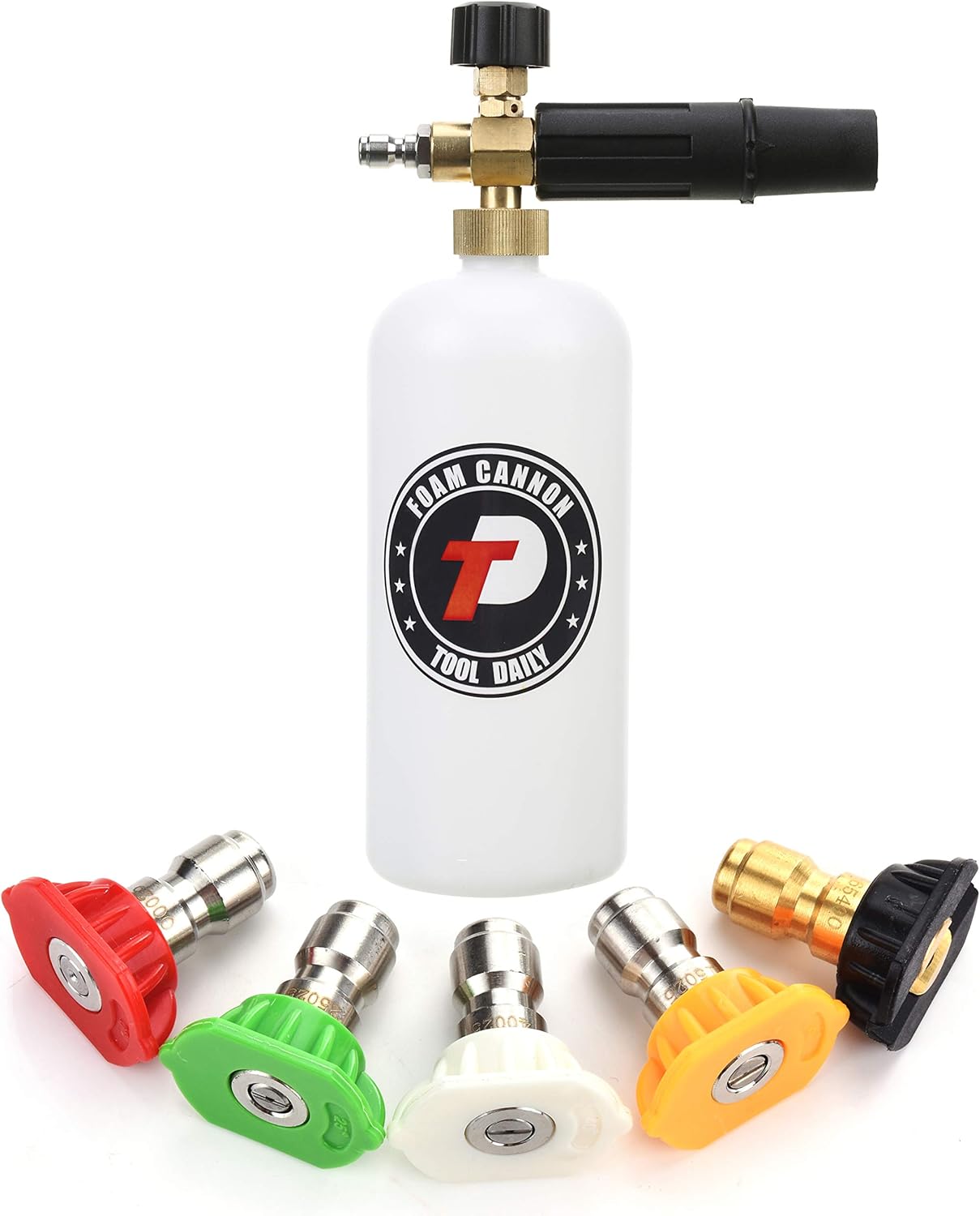
Foam Cannon

Car Neck Pillow

Microfiber Car Cleaning Cloth
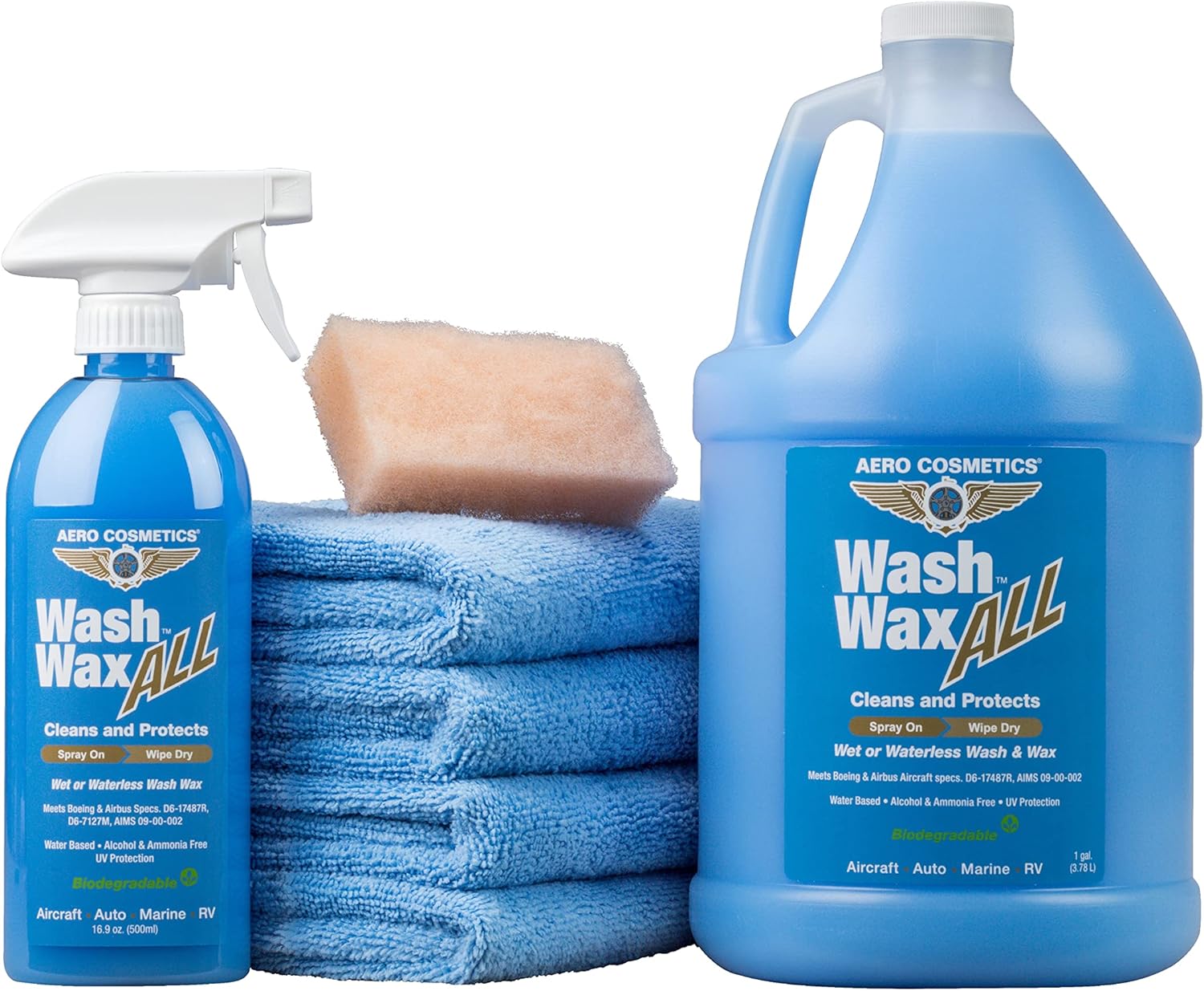
Waterless Car Wash Spray
Selling a car with a title loan is possible but requires careful planning and legal awareness. You must first pay off the loan or coordinate with the lender to transfer ownership. This guide walks you through every step to ensure a smooth, stress-free sale.
So, you’re thinking about selling your car—but there’s a catch: you still have an active title loan. Maybe you took out a loan using your vehicle as collateral to cover emergency expenses, or perhaps you needed quick cash and didn’t have great credit. Whatever the reason, now you’re wondering: *Can I even sell my car with a title loan?* The short answer is yes—but it’s not as simple as listing it on Craigslist and handing over the keys.
Selling a car with a title loan requires extra steps, clear communication, and a solid understanding of your legal and financial obligations. Unlike selling a car you fully own, where you simply sign over the title, a title loan means the lender holds a lien on your vehicle. That lien gives them the right to repossess the car if you default. So, until that loan is paid off, the title isn’t technically yours to give. But don’t panic—there are smart, legal ways to sell your car and settle the debt at the same time.
This guide will walk you through the entire process, from understanding your loan terms to closing the sale safely. Whether you’re dealing with a local title loan company or a national lender, we’ll cover everything you need to know to sell your car with confidence—and without breaking the law.
Key Takeaways
- Understand your loan status: Know whether your title loan is active, paid off, or in default before listing your car.
- Pay off the loan first: Most buyers won’t purchase a car with an outstanding lien unless the loan is cleared at closing.
- Work with your lender: Some lenders allow you to sell and use the proceeds to repay the loan—get written permission.
- Use a secure payment method: Avoid cash or personal checks; use cashier’s checks or wire transfers to prevent fraud.
- Complete proper paperwork: Ensure the title is signed correctly, and file a release of lien with your state’s DMV.
- Be transparent with buyers: Disclose the title loan status upfront to build trust and avoid legal issues.
- Consider a payoff quote: Request a current payoff amount from your lender to price your car accurately.
📑 Table of Contents
Understanding Title Loans and Car Ownership
Before you list your car for sale, it’s crucial to understand exactly how a title loan affects your ownership rights. A title loan is a type of secured loan where your vehicle’s title serves as collateral. You get cash upfront, but the lender places a lien on your car’s title. This means they have a legal claim to the vehicle until the loan is fully repaid.
Even though you still drive the car and make monthly payments, the lender technically holds the title. You’re the registered owner, but not the *clear* owner. This distinction matters when selling because most buyers expect a clean title—one with no liens or encumbrances. If you try to sell without resolving the lien, you could face legal trouble, or worse, the buyer might back out at the last minute.
How Title Loans Work
Title loans are typically short-term, high-interest loans designed for people who need fast cash. They’re often used by individuals with poor credit or no access to traditional bank loans. The amount you can borrow usually ranges from 25% to 50% of your car’s value, depending on the lender and your vehicle’s condition.
For example, if your car is worth $8,000, you might qualify for a $3,000 to $4,000 loan. You’ll make weekly or biweekly payments, and once the loan is paid in full, the lender removes the lien and returns the title to you. Until then, the title remains with the lender or is marked as “liened” in the DMV records.
Why the Lien Matters When Selling
The lien is the biggest hurdle when selling a car with a title loan. Most buyers—especially private ones—won’t want to deal with a car that has an outstanding loan. They worry about repossession, title issues, or being unable to register the vehicle in their name. Even dealerships may hesitate unless the lien is handled properly.
Imagine this: You find a buyer willing to pay $7,000 for your car. But you still owe $4,500 on your title loan. If you take the $7,000 and don’t pay off the loan, the lender can still repossess the car—even after the sale. That means the buyer loses their money, and you could be sued for fraud.
That’s why it’s essential to either pay off the loan before selling or arrange for the payoff to happen at the time of sale.
Can You Sell a Car with an Active Title Loan?
Visual guide about Sell My Car with Title Loan
Image source: creditninja.com
Yes, you can sell a car with an active title loan—but you can’t just hand over the keys and walk away. The process requires coordination between you, the buyer, and your lender. The key is ensuring the loan is paid off as part of the sale.
There are two main ways to handle this:
1. **Pay off the loan before selling** – Use your own funds to settle the debt, then sell the car with a clear title.
2. **Sell and pay off at closing** – Use the sale proceeds to repay the loan at the time of transfer, with the lender’s approval.
Let’s break down both options.
Option 1: Pay Off the Loan First
This is the simplest and most buyer-friendly approach. Once you pay off your title loan, the lender will release the lien and send you a clear title. You can then sell the car just like any other owned vehicle.
To do this:
– Contact your lender and request a **payoff quote**. This is the exact amount needed to settle the loan, including any fees or interest.
– Pay the amount via cashier’s check, money order, or bank transfer.
– Wait for the lender to process the payment and release the lien.
– Receive your clear title in the mail (this can take 1–3 weeks).
– List and sell your car with no liens.
This method gives you full control and makes the sale smoother. Buyers feel more confident knowing the title is clean. Plus, you avoid last-minute complications.
Option 2: Sell and Pay Off at Closing
If you don’t have the funds to pay off the loan upfront, you can still sell the car—but you’ll need to coordinate with your lender and the buyer. This is often called a “lien payoff at closing.”
Here’s how it works:
– Get a **current payoff quote** from your lender (valid for 10–30 days).
– Find a buyer and agree on a price that covers the loan payoff plus your desired profit.
– Arrange for the buyer to pay the lender directly or for you to use the sale money to pay off the loan immediately.
– The lender releases the lien and signs over the title to the buyer.
– Complete the DMV paperwork to transfer ownership.
This method requires trust and clear communication. Some lenders may not allow third-party payoffs, so check their policies first. Also, make sure the buyer understands the process and agrees to it in writing.
Step-by-Step Guide to Selling Your Car with a Title Loan
Visual guide about Sell My Car with Title Loan
Image source: titleloans365.com
Selling a car with a title loan isn’t complicated—if you follow the right steps. Here’s a detailed roadmap to help you navigate the process smoothly and legally.
Step 1: Check Your Loan Status
Before doing anything else, confirm your loan status. Is it active? In default? Paid off? You can usually check this by logging into your lender’s online portal or calling their customer service.
If you’re behind on payments, selling the car might be your best option to avoid repossession. But if the loan is in default, the lender may have already initiated repossession, which complicates the sale.
Step 2: Get a Payoff Quote
Contact your lender and request a **current payoff quote**. This document shows the exact amount needed to settle the loan, including principal, interest, and any fees. The quote is typically valid for 10 to 30 days, so plan your sale within that window.
For example, if your payoff amount is $4,200, you’ll need to ensure the sale price covers that plus any profit you want. If you’re selling for $6,000, you’ll walk away with $1,800 after the loan is paid.
Step 3: Determine Your Car’s Market Value
Use tools like Kelley Blue Book (KBB), Edmunds, or NADA Guides to estimate your car’s value. Consider its make, model, year, mileage, condition, and local market demand.
Let’s say your car is a 2018 Honda Civic with 60,000 miles in good condition. KBB might value it at $14,000 private party. But if you owe $4,200, you’ll need to price it accordingly. You might list it for $14,500 to cover the loan and leave room for negotiation.
Step 4: Prepare Your Car for Sale
First impressions matter. Clean your car inside and out, fix minor issues (like burnt-out lights or worn wipers), and gather maintenance records. A well-maintained car sells faster and for more money.
Take high-quality photos from multiple angles and write a detailed description. Mention the title loan status upfront—transparency builds trust. For example:
> “Selling my 2018 Honda Civic. Excellent condition, low mileage, full service history. Currently has a title loan with a payoff of $4,200. Loan will be paid off at closing—clean title guaranteed.”
Step 5: List and Market Your Car
Use popular platforms like Facebook Marketplace, Craigslist, Autotrader, or Cars.com. Include your payoff amount and clarify that the loan will be settled at sale.
Be prepared for questions. Buyers may ask:
– “Is the title clean?”
– “Can I see the payoff quote?”
– “Will the lender sign the title over to me?”
Answer honestly and provide documentation when possible.
Step 6: Negotiate and Finalize the Sale
When you find a serious buyer, negotiate the price. Make sure the final amount covers the loan payoff and leaves you with your desired profit.
Once agreed:
– Have the buyer pay the lender directly (if allowed) or pay you via cashier’s check.
– Use the funds to pay off the loan immediately.
– Obtain a **lien release** from the lender.
– Sign the title over to the buyer and complete the bill of sale.
– Notify your DMV of the sale to avoid future liability.
Working with Your Lender During the Sale
Visual guide about Sell My Car with Title Loan
Image source: images.ctfassets.net
Your lender plays a critical role in the sale process. They hold the title and must release the lien before the car can be transferred. Here’s how to work with them effectively.
Communicate Early and Often
Don’t wait until the last minute to contact your lender. Reach out as soon as you decide to sell. Explain your plan and ask:
– Can the loan be paid off by a third party (the buyer)?
– Will they release the title directly to the buyer?
– Do they require a notarized payoff letter?
Some lenders are cooperative; others are not. If your lender refuses to work with you, you may need to pay off the loan first using your own funds or a personal loan.
Get Everything in Writing
Always get agreements in writing. If your lender says they’ll release the lien upon payment, ask for a signed letter or email confirmation. This protects you if there’s a dispute later.
For example:
> “Upon receipt of $4,200, LenderXYZ will release the lien on the 2018 Honda Civic (VIN: 123456789) and sign the title over to the new owner.”
Understand Lender Fees and Timelines
Some lenders charge a fee for processing a payoff or releasing a title. Others may take several days to send the title after payment. Ask about these details upfront to avoid delays.
If the lender takes too long, the buyer might back out. To prevent this, consider using an escrow service or meeting at the lender’s office for same-day processing.
Legal and Financial Considerations
Selling a car with a title loan involves legal and financial risks. Protect yourself by understanding your responsibilities.
Avoiding Fraud and Scams
Unfortunately, title loan sales can attract scammers. Watch out for:
– Buyers who offer to pay with a personal check and ask for a partial refund.
– Requests to ship the car before payment clears.
– Pressure to complete the sale quickly without proper documentation.
Always use secure payment methods like cashier’s checks or wire transfers. Meet in public places, and never hand over the car until the loan is paid and the title is transferred.
Tax Implications
In most cases, selling a personal car doesn’t trigger taxes—even if you make a profit. The IRS only taxes gains on business assets or investments. However, if you sell multiple cars regularly, you may be considered a dealer and owe taxes.
Consult a tax professional if you’re unsure.
Liability After the Sale
Once the sale is complete, you’re no longer responsible for the car. But you must notify your DMV and insurance company to avoid future liability. If you don’t, you could be held accountable for accidents, tickets, or registration fees.
Alternatives to Selling with a Title Loan
If selling your car with a title loan seems too complicated, consider these alternatives:
Refinance the Loan
If you’re struggling with high payments, refinancing might lower your interest rate or extend the term. This keeps the car and reduces monthly costs.
Trade It In
Some dealerships accept cars with title loans as trade-ins. They’ll pay off the loan and apply the remaining value toward your new vehicle. This is convenient but may not get you the best price.
Sell to a Title Loan Company
A few companies specialize in buying cars with outstanding title loans. They handle the payoff and take ownership. While convenient, they often offer below-market prices.
Conclusion
Selling a car with a title loan is entirely possible—and often the smartest move if you’re facing financial strain or want to upgrade. The key is understanding your loan terms, working closely with your lender, and ensuring the lien is released at closing.
By following the steps in this guide, you can sell your car legally, avoid scams, and walk away with peace of mind. Remember: transparency with buyers, secure payments, and proper paperwork are your best allies.
Whether you pay off the loan first or coordinate a payoff at closing, the process doesn’t have to be stressful. With the right preparation, you can turn a complicated situation into a smooth, successful sale.
So go ahead—list that car, find a great buyer, and move forward with confidence. Your next chapter starts now.
Frequently Asked Questions
Can I sell my car if I still have a title loan?
Yes, you can sell your car with a title loan, but you must pay off the loan or arrange for the payoff at the time of sale. The lender must release the lien before the title can be transferred.
What happens if I sell my car without paying off the title loan?
If you sell the car without paying off the loan, the lender can still repossess it. This leaves the buyer without a car and could result in legal action against you for fraud.
How do I get a payoff quote for my title loan?
Contact your lender and request a current payoff quote. This document shows the exact amount needed to settle the loan, including fees and interest, and is usually valid for 10–30 days.
Can the buyer pay the lender directly?
Some lenders allow third-party payoffs, while others require payment from the borrower. Check with your lender first and get written confirmation if they agree.
Do I need a lien release after paying off the loan?
Yes, once the loan is paid, the lender must provide a lien release. This document proves the debt is settled and allows the title to be transferred to the new owner.
What if my lender won’t cooperate with the sale?
If your lender refuses to release the title or work with the buyer, you may need to pay off the loan first using your own funds or a personal loan before selling the car.