Sell My Car to Toyota
Selling your car to Toyota is a smart, hassle-free way to upgrade or cash out. Whether you’re trading in for a new Toyota or selling directly, the process is transparent, convenient, and often comes with added perks like instant offers and seamless paperwork.
Thinking about selling your current ride? Maybe you’re ready for something newer, more fuel-efficient, or just tired of constant repairs. Whatever your reason, selling your car doesn’t have to be stressful—or confusing. One of the easiest and most reliable options? Sell my car to Toyota.
Toyota isn’t just a brand known for reliability and longevity—it’s also a leader in customer-friendly vehicle transactions. Whether you’re trading in your old sedan for a shiny new RAV4 or simply looking to cash out on your current vehicle, Toyota dealerships across the U.S. offer streamlined processes designed to save you time, reduce hassle, and deliver fair value. And the best part? You don’t even need to own a Toyota to take advantage of their services.
In this guide, we’ll walk you through everything you need to know about selling your car to Toyota—from how the process works, what affects your car’s value, and tips to get the best offer, to the benefits of choosing Toyota over private sales or third-party buyers. By the end, you’ll feel confident, informed, and ready to make the right move for your next chapter on the road.
In This Article
- 1 Key Takeaways
- 2 📑 Table of Contents
- 3 Why Sell My Car to Toyota?
- 4 How the Toyota Car Buying Process Works
- 5 What Affects Your Car’s Value?
- 6 Documents You’ll Need to Sell Your Car
- 7 Benefits of Selling to Toyota vs. Other Options
- 8 Tips to Get the Best Offer When You Sell My Car to Toyota
- 9 Frequently Asked Questions About Selling to Toyota
- 10 Conclusion
- 11 Frequently Asked Questions
Key Takeaways
- Sell my car to Toyota through trade-ins or direct purchases with competitive, no-haggle offers.
- Toyota’s appraisal process is fast, transparent, and based on real-time market data.
- You can sell any make or model—not just Toyotas—to participating dealerships.
- Trade-in values may qualify for tax savings in many states when buying a new vehicle.
- Online tools let you get an instant estimate before visiting a dealership.
- Prepare your car with basic cleaning and maintenance to maximize its value.
- Bring all necessary documents, including title, registration, and loan payoff info, to speed up the process.
📑 Table of Contents
- Why Sell My Car to Toyota?
- How the Toyota Car Buying Process Works
- What Affects Your Car’s Value?
- Documents You’ll Need to Sell Your Car
- Benefits of Selling to Toyota vs. Other Options
- Tips to Get the Best Offer When You Sell My Car to Toyota
- Frequently Asked Questions About Selling to Toyota
- Conclusion
Why Sell My Car to Toyota?
When it comes time to part ways with your current vehicle, you’ve got options. You could list it on Craigslist or Facebook Marketplace, deal with strangers, negotiate endlessly, and wait weeks (or months) for a buyer. Or you could sell it to a dealership like Toyota, where the process is fast, professional, and stress-free.
One of the biggest advantages of choosing Toyota is trust. Toyota dealerships are part of a well-established, nationwide network known for transparency and customer satisfaction. They don’t play games with pricing or pressure you into decisions. Instead, they use real market data and standardized appraisal tools to give you a fair, no-haggle offer.
Another major perk? Convenience. Selling privately means handling paperwork, meeting buyers, and possibly dealing with scams or lowball offers. With Toyota, you walk in (or start online), get your car appraised, receive an offer, and—if you accept—complete the sale in one visit. Many dealerships even handle title transfers and loan payoffs on the spot.
And let’s not forget incentives. If you’re trading in your car for a new Toyota, you might qualify for special promotions, loyalty discounts, or financing deals that effectively increase your trade-in value. Some programs even offer bonus cash for trading in older models.
Trade-In vs. Direct Sale: What’s the Difference?
When you sell my car to Toyota, you generally have two paths: a trade-in or a direct purchase.
A trade-in happens when you’re buying a new or used vehicle from the dealership and apply the value of your current car toward the purchase. This is the most common route and often comes with tax benefits—in many states, you only pay sales tax on the difference between the new car’s price and your trade-in value. That can save you hundreds, sometimes thousands, of dollars.
A direct sale, on the other hand, means you’re selling your car outright for cash or a check, with no intention of buying another vehicle at that time. While less common, many Toyota dealerships do offer this option, especially for well-maintained, high-demand models.
Both options use the same appraisal process, but the end result differs. A trade-in simplifies your upgrade, while a direct sale gives you immediate cash. The choice depends on your goals—but either way, Toyota makes it easy.
How the Toyota Car Buying Process Works
So, what actually happens when you decide to sell my car to Toyota? The process is designed to be simple, transparent, and fast—usually taking less than an hour from start to finish.
It typically begins online. Toyota’s website features a “Value Your Trade” tool that lets you enter basic details about your vehicle: year, make, model, mileage, condition, and features. Within seconds, you’ll receive an estimated offer range based on current market trends and local demand.
This isn’t a final price—just a starting point. But it’s a great way to gauge your car’s worth before stepping foot in a dealership. And because the tool uses real-time data from thousands of transactions, it’s surprisingly accurate.
Once you have your estimate, you can schedule an appointment or simply walk into a participating Toyota dealership. A certified appraiser will inspect your vehicle, checking for mechanical issues, body damage, tire wear, and interior condition. They’ll also verify the odometer reading and confirm the vehicle’s history using tools like Carfax.
After the inspection, you’ll receive a formal offer. This is a no-pressure moment—you’re free to accept, decline, or even shop around. If you accept, the dealership handles all the paperwork: title transfer, lien release (if applicable), and payment processing. You walk out with a check or trade credit, and your car becomes their inventory.
What Happens to Your Car After the Sale?
Ever wonder what Toyota does with the cars it buys? Most are reconditioned and resold as certified pre-owned (CPO) vehicles, which come with extended warranties, thorough inspections, and peace of mind for the next owner. Others may be sent to auctions or used for parts, depending on age and condition.
The key takeaway? Your car gets a second life—often with someone who values reliability and affordability. And by choosing Toyota, you’re supporting a brand committed to sustainability and responsible vehicle lifecycle management.
What Affects Your Car’s Value?
Not all cars are created equal—and neither are their values. When you sell my car to Toyota, several factors influence how much you’ll get. Understanding these can help you maximize your offer.
First and foremost: mileage. Lower mileage generally means higher value, as it suggests less wear and tear. A 2018 Honda Accord with 40,000 miles will typically fetch more than the same model with 90,000 miles.
Next, condition matters. A car with a clean interior, minimal scratches, and no major dents will score higher than one with stained seats, cracked dashboards, or rust. Even small things like functioning lights, clean carpets, and a full tank of gas can make a positive impression.
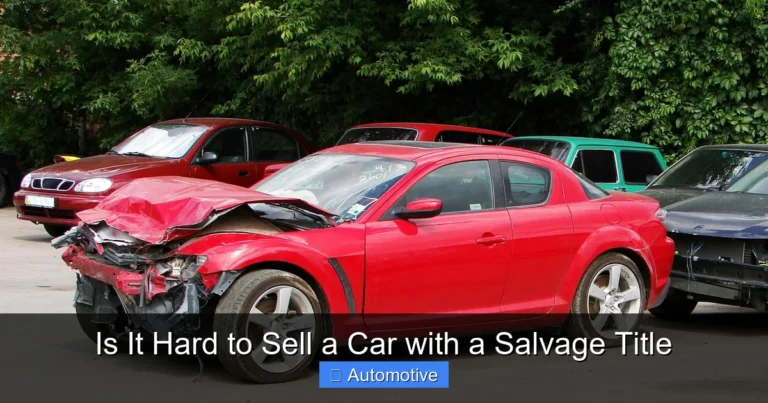
Vehicle history is also critical. A clean title with no accidents, consistent maintenance records, and regular oil changes boost value. On the flip side, a salvage title, flood damage, or a history of major repairs can significantly reduce your offer.
Market demand plays a role too. If Toyota has a shortage of compact SUVs in your area, your RAV4 or CR-V might be worth more. Conversely, if the market is flooded with sedans, yours may be priced lower.
Finally, features and trim level matter. A fully loaded Camry XSE with leather seats, sunroof, and advanced safety tech will command a higher price than a base-model LE.
Pro Tip: Boost Your Value Before Selling
Want to get top dollar? Spend a little time and money on prep work. A professional detail—inside and out—can make your car look years younger. Fix minor issues like burnt-out bulbs, chipped paint, or worn wiper blades. Gather your service records and clean out personal items. These small efforts show the appraiser you’ve cared for the vehicle, which can translate into a better offer.
Documents You’ll Need to Sell Your Car
One of the biggest headaches in selling a car is paperwork. But Toyota simplifies it by telling you exactly what to bring. Missing documents can delay the process, so prepare ahead of time.
Start with the vehicle title. This is the legal proof of ownership. If you’ve paid off your loan, the title should be in your name with no liens. If you still owe money, you’ll need the lender’s payoff information and possibly a power of attorney if the title is in the bank’s name.
Next, bring your current registration and driver’s license. These verify your identity and confirm the car is legally registered.
If your car has a loan, contact your lender to get the payoff amount and instructions. Some dealerships can pay off the loan directly, rolling the remaining balance into your new purchase or refunding you the difference.
You should also gather maintenance records, the owner’s manual, and any extra keys or remotes. While not always required, these extras can increase your car’s appeal and value.
Finally, remove all personal items—phones, chargers, sunglasses, and especially hidden valuables. You don’t want to leave anything behind, and it shows respect for the next owner.
What If You Don’t Have the Title?
Life happens. Maybe you lost the title, or it’s still with the bank. Don’t panic. Most states allow you to request a duplicate title online or at the DMV. If your loan is still active, the dealership can work with your lender to handle the transfer. Just be upfront about the situation—Toyota dealers are used to these scenarios and can guide you through the process.
Benefits of Selling to Toyota vs. Other Options
You might be wondering: why choose Toyota over CarMax, Carvana, or a private sale? Each option has pros and cons, but Toyota stands out for several reasons.
First, speed. While online buyers like Carvana offer instant quotes, they often require you to drop off your car at a kiosk or wait for a pickup. Toyota lets you complete the entire process at a local dealership—often in under an hour.
Second, flexibility. Toyota dealerships can accommodate trade-ins, direct sales, and even lease buyouts. They also offer financing, service, and parts under one roof, making it easy to transition to your next vehicle.
Third, local support. When you sell to a Toyota dealer, you’re dealing with a real person who knows your community. They can answer questions, explain offers, and help with paperwork—something you won’t get from an automated online system.
And let’s not forget reputation. Toyota consistently ranks high in customer satisfaction and dealer trustworthiness. You’re not just selling a car—you’re working with a brand that values long-term relationships.
Private Sale Pitfalls to Avoid
Selling privately might seem like the way to get the most money, but it comes with risks. You’ll spend hours creating listings, responding to messages, and meeting strangers—sometimes in unsafe locations. There’s also the risk of scams, bounced checks, or buyers backing out last minute. And if something goes wrong after the sale, you could be liable.
With Toyota, the transaction is final, secure, and backed by a reputable business. You walk away with cash or credit—no strings attached.
Tips to Get the Best Offer When You Sell My Car to Toyota
Want to walk away with the highest possible value? Follow these proven tips.
First, be honest about your car’s condition. Overstating its quality can backfire during the inspection. Instead, focus on its strengths—low mileage, recent maintenance, or rare features.
Second, time your sale. Demand for certain vehicles peaks at different times of year. For example, SUVs and trucks sell better in winter, while convertibles do well in spring. Selling just before these seasons can boost your offer.
Third, shop around. While Toyota’s offers are generally competitive, it doesn’t hurt to get quotes from a few dealerships. Use the highest offer as leverage—many dealers will match or beat it to earn your business.
Fourth, consider the trade-in bonus. If you’re buying a new Toyota, ask about current incentives. Some programs offer extra cash for trading in older models, effectively increasing your car’s value.
Finally, stay calm and confident. Remember, you’re in control. If the offer isn’t fair, walk away. There’s no obligation to accept—and plenty of other options.
Real-Life Example: Sarah’s Trade-In Success
Sarah, a teacher from Ohio, had a 2016 Ford Focus with 78,000 miles. She used Toyota’s online tool and got an estimate of $8,500–$9,200. She visited her local dealership, where the appraiser offered $9,000 based on excellent condition and low wear. She traded it in for a new Corolla Hybrid and saved $1,200 in sales tax thanks to the trade-in deduction. “It was so easy,” she said. “I was in and out in 45 minutes.”
Frequently Asked Questions About Selling to Toyota
You’ve got questions—we’ve got answers. Here’s what people commonly ask when they decide to sell my car to Toyota.
Can I sell a car that isn’t a Toyota?
Absolutely. Toyota dealerships buy all makes and models—Hondas, Fords, Chevys, you name it. They’re looking for quality vehicles to resell or use for parts, so your non-Toyota is welcome.
What if my car has mechanical problems?
You can still sell it. Toyota will assess the issues and adjust the offer accordingly. Even cars with problems have value—especially if they’re popular models or have low mileage.
Do I have to buy a car to sell mine?
No. While most sales are trade-ins, many Toyota dealers will buy your car outright for cash. Just ask if they offer direct purchases.
How long does the process take?
Typically 30–60 minutes, depending on paperwork and loan details. If you come prepared, it’s often faster.
Will Toyota pay off my loan?
Yes, if you still owe money, the dealership can pay off the lender directly. Any remaining equity goes to you; if you’re upside down, you may need to cover the difference.
Is the online estimate binding?
No, it’s just an estimate. The final offer depends on the in-person inspection. But it’s a reliable starting point based on real market data.
Conclusion
Selling your car doesn’t have to be a headache. When you choose to sell my car to Toyota, you’re choosing convenience, transparency, and peace of mind. From instant online estimates to fair, no-haggle offers, Toyota makes the process smooth and stress-free.
Whether you’re upgrading to a new hybrid, downsizing to a compact, or simply cashing out, Toyota dealerships are equipped to handle your sale with professionalism and care. You’ll walk away with a fair value, minimal paperwork, and the confidence that your car is going to a good home.
So why wait? Use Toyota’s online tool today, gather your documents, and take the first step toward your next adventure. Your car deserves a smooth exit—and you deserve a hassle-free experience.
Frequently Asked Questions
Can I sell my car to Toyota if it’s not running?
Yes, Toyota dealerships may still buy non-running vehicles, though the offer will reflect the cost of repairs. They often sell these cars for parts or refurbishment.
Do I need an appointment to sell my car?
While walk-ins are usually welcome, scheduling an appointment ensures faster service and a dedicated appraiser. It’s recommended, especially during busy seasons.
What if I disagree with the offer?
You’re under no obligation to accept. You can decline the offer and explore other options, including private sale or other dealerships. Many dealers will also explain how the offer was calculated.
Can I sell a leased car to Toyota?
Yes, Toyota can help you buy out your lease and then sell the vehicle. This is common for lessees who’ve grown attached to their car or want to avoid mileage penalties.
Does Toyota offer financing if I’m trading in?
Absolutely. Toyota Financial Services offers competitive financing options, including low APR deals and loyalty rewards for returning customers.
What happens if my car is recalled?
Recalls don’t automatically reduce value, but unresolved safety issues might. Toyota will check for open recalls and may require repairs before finalizing the sale.