Sell My Car to a Dealership Near Me

Selling your car to a dealership near you is one of the fastest and easiest ways to get cash for your vehicle. Whether you’re upgrading, downsizing, or just ready for a change, trading in or selling directly to a local dealer can save you time, hassle, and stress—without the headaches of private sales.
So, you’ve decided it’s time to part ways with your car. Maybe you’re eyeing a shiny new model, need to downsize, or simply want to free up some cash. Whatever the reason, one of the most straightforward options is to sell your car to a dealership near you. It’s fast, convenient, and often less stressful than trying to sell privately. But like any big financial decision, it pays to go in prepared.
Selling your car to a dealership isn’t just about handing over the keys and walking away. There’s a process—and knowing how it works can help you get the best possible deal. From understanding how dealers value cars to negotiating effectively, this guide will walk you through every step. Whether you’re trading in your old ride for a new one or selling outright for cash, we’ll cover everything you need to know to make a smart, confident decision.
In This Article
- 1 Key Takeaways
- 2 📑 Table of Contents
- 3 Why Sell My Car to a Dealership Near Me?
- 4 How Dealerships Value Your Car
- 5 Trade-In vs. Cash Sale: Which Is Right for You?
- 6 How to Prepare Your Car for Sale
- 7 Finding the Right Dealership Near You
- 8 Negotiating the Best Deal
- 9 Avoiding Common Pitfalls
- 10 Final Steps: Completing the Sale
- 11 Conclusion
- 12 Frequently Asked Questions
- 12.1 How much can I expect to get when I sell my car to a dealership?
- 12.2 Is it better to sell my car privately or to a dealership?
- 12.3 Can I sell my car to a dealership if I still owe money on it?
- 12.4 Do I need to fix my car before selling it to a dealership?
- 12.5 How long does it take to sell my car to a dealership?
- 12.6 Can I negotiate the price when selling to a dealership?
Key Takeaways
- Sell my car to a dealership near me for speed and convenience: Dealerships offer same-day appraisals and instant payment, making the process quick and stress-free.
- Get a fair market value with proper preparation: Clean your car, fix minor issues, and gather maintenance records to maximize your offer.
- Compare multiple dealership offers: Visit or contact at least three local dealers to ensure you’re getting the best possible price.
- Understand the difference between trade-in and cash sale: Trade-ins apply toward a new purchase, while cash sales give you immediate funds.
- Negotiate confidently with knowledge: Research your car’s value using tools like Kelley Blue Book or Edmunds before walking in.
- Avoid common pitfalls: Don’t accept the first offer, skip high-pressure tactics, and always read the fine print.
- Choose reputable dealerships: Look for certified dealers with positive reviews and transparent processes.
📑 Table of Contents
Why Sell My Car to a Dealership Near Me?
Let’s be honest—selling a car privately can be a real headache. You’ve got to list it online, respond to endless messages, schedule test drives with strangers, and hope no one tries to scam you. Then there’s the paperwork, title transfer, and waiting weeks (or months) to actually get paid. It’s exhausting.
That’s where selling to a dealership near you comes in. It’s the ultimate shortcut. Most dealerships will appraise your car on the spot, give you a firm offer, and pay you the same day—either in cash or as a credit toward a new vehicle. No waiting. No haggling with random buyers. No worrying about whether the check will bounce.
But convenience isn’t the only benefit. Dealerships are also regulated businesses with reputations to uphold. That means they’re more likely to treat you fairly than a private buyer who might lowball you or back out at the last minute. Plus, many dealerships offer additional perks, like free vehicle history reports, certified appraisals, and even help with paperwork.
Of course, there’s a trade-off. You might not get quite as much money as you would from a private sale—after all, dealers need to make a profit when they resell your car. But when you factor in the time, effort, and risk involved in private sales, that slight difference often feels worth it.
How Dealerships Value Your Car
Visual guide about Sell My Car to a Dealership Near Me
Image source: cdn.dlron.us
Before you walk into any dealership, it’s crucial to understand how they determine what your car is worth. It’s not just a guess—it’s based on a mix of data, market trends, and the specific condition of your vehicle.
Market Data and Pricing Tools
Most dealerships use industry-standard pricing guides like Kelley Blue Book (KBB), Edmunds, and NADA Guides to assess your car’s value. These tools consider factors like make, model, year, mileage, trim level, and regional demand. For example, a 2019 Honda Civic with 40,000 miles might be worth $18,000 in one city but $17,200 in another due to local supply and demand.
But here’s the thing: these guides give a range, not a fixed number. A dealership will look at the “trade-in” or “private party” value, depending on whether you’re trading in or selling outright. They’ll also check recent sales of similar vehicles in your area to see what they’re actually fetching.
Vehicle Condition Matters
Even if your car has low mileage, a clean title, and all the right features, its physical condition plays a huge role in the final offer. Dealerships will inspect your car thoroughly—looking for dents, scratches, interior wear, tire condition, and mechanical issues.
For instance, a car with a small dent on the door might get a $200 deduction, while one with a check engine light on could lose $1,000 or more. That’s why it’s so important to clean your car inside and out before the appraisal. A full wash, wax, vacuum, and interior detail can make a big difference in how it’s perceived.
Mileage and Maintenance History
High mileage automatically lowers a car’s value, but consistent maintenance can help offset that. If you’ve kept detailed records of oil changes, tire rotations, brake jobs, and other services, bring them along. A well-documented service history shows the dealer that your car has been cared for, which can boost their confidence—and your offer.
Let’s say you have a 2017 Toyota Camry with 80,000 miles. Without records, the dealer might assume it’s been neglected and offer $12,000. But with a full service log showing regular maintenance, they might bump it up to $12,800. That’s an extra $800 just for keeping good records.
Trade-In vs. Cash Sale: Which Is Right for You?
Visual guide about Sell My Car to a Dealership Near Me
Image source: pictures.dealer.com
One of the first decisions you’ll need to make is whether to trade in your car or sell it for cash. Both options have pros and cons, and the right choice depends on your goals.
Trade-In: Convenience and Tax Savings
Trading in your car means applying its value toward the purchase of a new or used vehicle at the same dealership. It’s incredibly convenient—you drive in with your old car and drive out with a new one, often in under an hour.
But there’s another big advantage: tax savings. In most states, you only pay sales tax on the difference between the new car’s price and your trade-in value. For example, if your new car costs $30,000 and your trade-in is worth $15,000, you only pay tax on $15,000—not the full $30,000. That can save you hundreds, or even thousands, depending on your state’s tax rate.
However, trade-in values are often slightly lower than what you’d get from a private sale or even a cash offer from a dealer. That’s because the dealer is bundling the transaction—they’re not just buying your car, they’re also selling you a new one. So they may offer less to make up for the discount on the new vehicle.
Cash Sale: More Money, More Flexibility
If you’re not buying a car right away, selling your vehicle for cash might be the better option. You’ll typically get a higher offer than with a trade-in because the dealer isn’t factoring in a new sale. Plus, you walk away with real money in hand—no strings attached.
This is ideal if you’re downsizing, switching to public transit, or just want to pocket the cash. You can use it for anything—pay off debt, take a vacation, or save for a future purchase.
The downside? You don’t get the tax benefit, and you’ll need to handle the sale of your new car separately if you’re upgrading. But if flexibility and maximum value are your priorities, a cash sale is hard to beat.
How to Prepare Your Car for Sale

Visual guide about Sell My Car to a Dealership Near Me
Image source: pictures.dealer.com
You wouldn’t show up to a job interview in pajamas, right? The same principle applies when selling your car. First impressions matter—even to a dealership.
Clean It Inside and Out
Start with a thorough cleaning. Wash the exterior, wax it if possible, and clean the windows inside and out. Use a clay bar to remove stubborn contaminants, and touch up any minor scratches with a scratch repair kit.
Inside, vacuum every corner, wipe down surfaces, and use a fabric cleaner on seats and carpets. Remove personal items, trash, and any lingering odors. A box of baking soda in the trunk for a few days can help absorb smells. If your car has a strong odor, consider a professional detailing service—it could be worth the investment.
Fix Minor Issues
You don’t need to rebuild the engine, but addressing small problems can increase your offer. Replace burnt-out light bulbs, fix cracked windshield wipers, and patch small dents or scratches. Even something as simple as replacing a missing gas cap can make a difference.
If your check engine light is on, get it diagnosed. Sometimes it’s a cheap fix—like a loose gas cap or faulty oxygen sensor. Spending $50 to fix it could save you $500 on your appraisal.
Gather Documentation
Bring your car’s title, registration, and maintenance records. If you have the original window sticker (Monroney label), that’s a bonus—it shows the factory options and original price. Also, gather any receipts for recent repairs or upgrades.
Having everything organized shows the dealer you’re serious and responsible. It also speeds up the process, which means you get your offer faster.
Finding the Right Dealership Near You
Not all dealerships are created equal. Some are known for fair deals and great customer service, while others use high-pressure tactics and lowball offers. So how do you find the right one?
Research Local Dealerships
Start by searching online for “sell my car to a dealership near me” and look at reviews on Google, Yelp, and the Better Business Bureau. Pay attention to comments about appraisal fairness, transparency, and customer service.
Look for dealerships that are certified by manufacturers (like Ford Certified, Toyota Certified, etc.)—they often have stricter standards and better-trained staff. Also, check if they belong to industry groups like the National Automobile Dealers Association (NADA).
Visit Multiple Dealerships
Don’t settle for the first offer you get. Visit at least three dealerships to compare prices. Even within the same brand, offers can vary by hundreds of dollars.
For example, one Honda dealer might offer $16,500 for your 2018 Accord, while another offers $17,200. That’s a $700 difference just for shopping around.
Ask the Right Questions
When you meet with a dealer, ask how they determine their offer. Do they use KBB? Do they consider recent sales data? Are there any fees or deductions?
Also, ask if the offer is firm or subject to change after a full inspection. Some dealers give a preliminary quote but lower it once they find issues. Knowing this upfront helps you avoid surprises.
Negotiating the Best Deal
Yes, you can—and should—negotiate when selling your car to a dealership. Just because they give you an offer doesn’t mean it’s set in stone.
Know Your Car’s Value
Before you walk in, research your car’s value using KBB, Edmunds, or NADA. Print out the estimated trade-in and private party values. This gives you a solid starting point for negotiation.
For example, if KBB says your car is worth $18,000 in trade-in value, and the dealer offers $16,500, you can politely point out the discrepancy and ask for a better offer.
Use Competing Offers
If another dealer has given you a higher quote, mention it. Most dealerships will try to match or beat a competitor’s offer to win your business.
Say something like, “I got an offer of $17,500 from another dealer. Can you do better?” This puts pressure on them to improve their price.
Stay Calm and Confident
Dealers may use tactics like “this is our final offer” or “we’re doing you a favor.” Don’t fall for it. Stay polite but firm. If they won’t budge, thank them for their time and walk away. There are plenty of other dealerships.
Remember: you’re in control. You don’t have to accept any offer you’re not happy with.
Avoiding Common Pitfalls
Even with the best preparation, things can go wrong. Here are some common mistakes to avoid.
Accepting the First Offer
It’s tempting to take the first number they throw out, especially if you’re in a hurry. But that’s how you leave money on the table. Always get at least two or three offers before deciding.
Not Reading the Fine Print
Some dealerships may include hidden fees or conditions in the paperwork. For example, they might deduct a “reconditioning fee” after the fact. Always read the contract carefully before signing.
Falling for High-Pressure Tactics
If a dealer rushes you, refuses to let you think it over, or pressures you to sign immediately, that’s a red flag. A reputable dealer will give you time to consider your options.
Ignoring the Title and Ownership
Make sure you’re the legal owner of the car and that the title is clear. If you still owe money on a loan, the dealership will need to pay off the lender first. Bring your loan payoff statement to avoid delays.
Final Steps: Completing the Sale
Once you’ve agreed on a price, it’s time to finalize the sale.
Sign the Paperwork
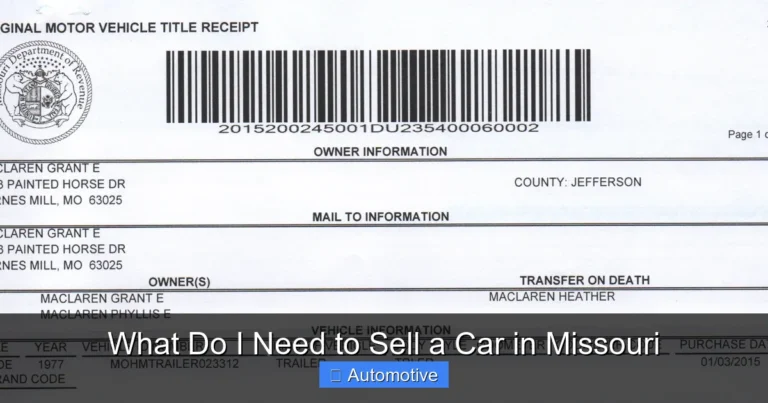
You’ll need to sign the title over to the dealership and complete a bill of sale. Make sure all names match exactly—typos can cause delays.
If you’re trading in, the dealer will handle most of the paperwork for the new car purchase. If you’re selling for cash, they’ll process the title transfer and issue payment.
Receive Payment
Most dealerships pay by cashier’s check or direct deposit. Avoid cash for large amounts—it’s less secure and harder to trace.
If you have a loan, the dealer will pay off the lender directly and give you the remaining balance (if any).
Cancel Insurance and Registration
Once the sale is complete, contact your insurance company to cancel or transfer coverage. You may also need to notify your state’s DMV to avoid liability.
Keep a copy of the bill of sale and title transfer for your records.
Conclusion
Selling your car to a dealership near you doesn’t have to be complicated. With the right preparation, research, and negotiation, you can walk away with a fair price and peace of mind. Whether you’re trading in for a new ride or cashing out for flexibility, the key is to go in informed and confident.
Remember: clean your car, fix minor issues, gather your documents, and shop around. Don’t accept the first offer, and always read the fine print. By following these steps, you’ll turn what could be a stressful process into a smooth, successful transaction.
So the next time you find yourself thinking, “I want to sell my car to a dealership near me,” you’ll know exactly what to do—and how to get the best deal possible.
Frequently Asked Questions
How much can I expect to get when I sell my car to a dealership?
The amount varies based on your car’s make, model, year, mileage, condition, and local market demand. Use tools like Kelley Blue Book or Edmunds to get a ballpark estimate before visiting a dealer.
Is it better to sell my car privately or to a dealership?
Selling privately usually gets you more money, but it takes more time and effort. Selling to a dealership is faster and more convenient, making it ideal if you value speed and simplicity over maximum profit.
Can I sell my car to a dealership if I still owe money on it?
Yes, but the dealership will pay off your loan first. If your car is worth more than what you owe, you’ll get the difference. If you owe more than it’s worth (underwater), you’ll need to pay the gap.
Do I need to fix my car before selling it to a dealership?
You don’t need major repairs, but fixing minor issues like burnt-out lights, scratches, or warning lights can increase your offer. A clean, well-maintained car always makes a better impression.
How long does it take to sell my car to a dealership?
Most dealerships can appraise your car and make an offer within 30 minutes. If you accept, the sale can be completed the same day—often in under an hour.
Can I negotiate the price when selling to a dealership?
Absolutely. Just like buying a car, the initial offer is often negotiable. Bring research, mention competing offers, and stay confident to get the best possible deal.