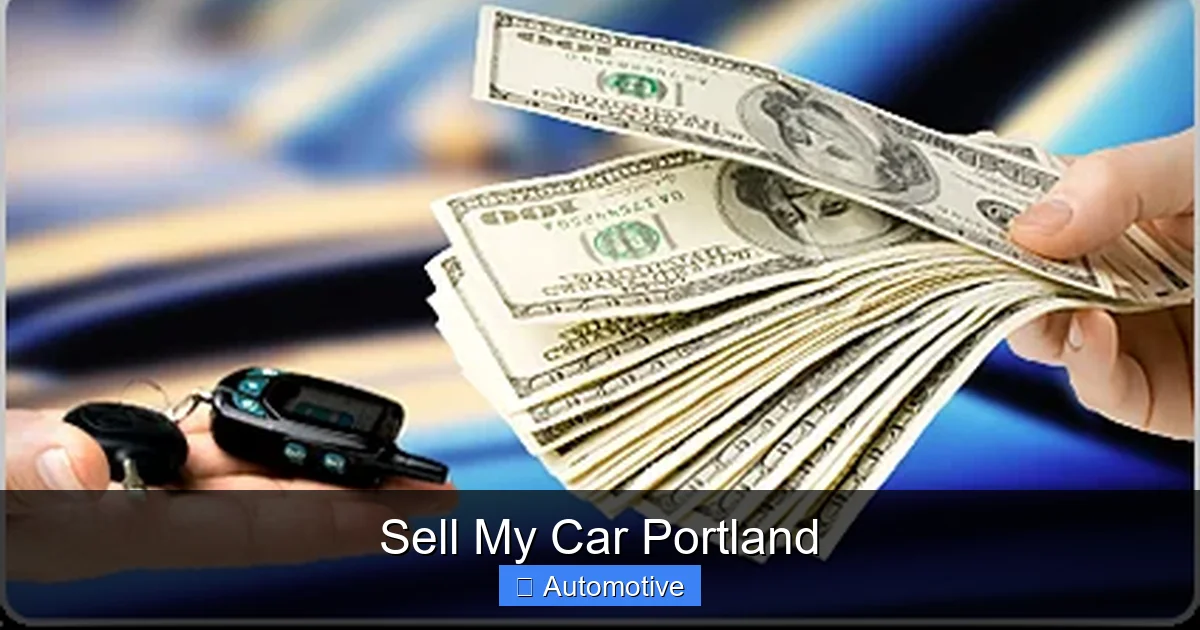
Sell My Car Portland

Contents
- 1 Key Takeaways
- 2 Why Now Is the Perfect Time to Sell My Car in Portland
- 3 Understanding the Portland Used Car Market
- 4 How to Determine the Right Price for Your Car
- 5 Preparing Your Car for Sale: Tips to Maximize Value
- 6 Choosing the Best Way to Sell Your Car in Portland
- 7 Safety and Legal Considerations When Selling in Portland
- 8 Final Tips for a Successful Sale
- 9 Conclusion
- 10 Frequently Asked Questions


Selling your car in Portland doesn’t have to be stressful or time-consuming. With the right approach, you can get a fair price quickly and safely—whether you’re upgrading, downsizing, or just ready for a change.
This is a comprehensive guide about sell my car portland.
Key Takeaways
- Know your car’s value: Use trusted tools like Kelley Blue Book or Edmunds to research fair market pricing based on your vehicle’s condition, mileage, and features.
- Clean and detail your car: A spotless interior and exterior can boost perceived value and help you command a higher selling price.
- Choose the right selling method: Decide between private sale, trade-in, or selling to a dealer based on your priorities—speed, convenience, or maximum profit.
- Prepare all necessary paperwork: Have your title, registration, maintenance records, and bill of sale ready to avoid delays and build buyer trust.
- Be safe during showings: Meet in public places, bring a friend, and never share personal financial info until the deal is finalized.
- Understand Oregon-specific rules: Familiarize yourself with state requirements for emissions, title transfers, and odometer disclosures.
- Time your sale wisely: Spring and summer are peak seasons for car sales in Portland due to better weather and increased buyer activity.
[FEATURED_IMAGE_PLACEHOLDER]
Why Now Is the Perfect Time to Sell My Car in Portland
If you’ve been thinking about selling your car, Portland might just be one of the best places in the Pacific Northwest to do it. With a strong local economy, a growing population, and a culture that values both practicality and sustainability, there’s consistent demand for reliable used vehicles. Whether you drive a fuel-efficient compact, a rugged SUV, or a classic sedan, there’s likely a buyer out there who needs exactly what you’re offering.
The used car market in Portland has remained surprisingly resilient, even as new car prices fluctuate. Many buyers are looking for affordable, well-maintained options—especially hybrids and fuel-efficient models, which align with the city’s eco-conscious mindset. Plus, with gas prices still a concern for many households, vehicles that offer good mileage or alternative fuel options are in high demand.
But timing isn’t the only factor. Selling your car successfully in Portland means understanding the local market, knowing your vehicle’s worth, and choosing the right method to reach buyers. Whether you’re upgrading to a newer model, switching to public transit, or simply ready to part ways with your current ride, this guide will walk you through every step—from pricing to paperwork—so you can sell your car quickly, safely, and for the best possible price.
Understanding the Portland Used Car Market
Before you list your car for sale, it’s important to get a clear picture of what’s happening in the local used car market. Portland’s automotive landscape is shaped by several unique factors, including its urban layout, climate, and resident preferences.
One of the biggest trends in Portland is the demand for fuel-efficient and eco-friendly vehicles. With rising gas prices and a strong environmental ethos, many buyers are actively seeking hybrids, plug-in hybrids, and even electric vehicles (EVs). If your car falls into one of these categories—especially models like the Toyota Prius, Honda Insight, or Nissan Leaf—you may find that it sells faster and at a premium compared to gas-guzzlers.
Another key factor is the city’s hilly terrain and frequent rain. Vehicles with all-wheel drive (AWD) or four-wheel drive (4WD) tend to be more desirable, especially for buyers who commute from the suburbs or enjoy weekend trips to the mountains. SUVs and crossovers with good ground clearance and reliable traction are consistently popular.
Portland also has a strong culture of car-sharing and public transportation, which means some buyers are looking for affordable, low-mileage commuter cars rather than luxury models. Compact sedans like the Honda Civic, Toyota Corolla, and Hyundai Elantra are often in demand because they’re reliable, easy to park, and economical to maintain.
Seasonal Trends to Consider
Timing your sale can make a big difference in how quickly your car sells and how much you get for it. In Portland, the best time to sell a car is typically during the spring and summer months—April through August. During this period, the weather is more favorable for test drives, and people are more likely to be out shopping for vehicles.
Winter months, especially December and January, tend to see slower sales due to rain, shorter days, and holiday distractions. However, if you’re selling a vehicle with AWD or winter-ready features, you might still attract buyers preparing for snowy mountain trips.
Local Competition and Pricing
Portland has a healthy mix of private sellers, dealerships, and online platforms, which means competition is strong. To stand out, your listing needs to be accurate, well-photographed, and competitively priced. Use tools like Kelley Blue Book (KBB), Edmunds, and NADA Guides to determine a fair market value based on your car’s year, make, model, mileage, condition, and optional features.
Be realistic about pricing. Overpricing your car can lead to it sitting on the market for weeks, which may cause buyers to assume something is wrong with it. On the other hand, underpricing means leaving money on the table. Aim for a price that reflects your car’s true value and leaves room for negotiation.
How to Determine the Right Price for Your Car
Pricing your car correctly is one of the most important steps in the selling process. A well-priced vehicle attracts serious buyers, sells faster, and helps you avoid the frustration of lowball offers.
Start by gathering key information about your vehicle: the year, make, model, trim level, mileage, and any aftermarket upgrades or special features. Then, use online valuation tools to get a baseline estimate.
Using Online Valuation Tools
Websites like Kelley Blue Book (KBB), Edmunds, and NADA Guides allow you to input your car’s details and receive a range of values—typically “trade-in,” “private party,” and “dealer retail.” For a private sale in Portland, focus on the “private party” value, as this reflects what individual buyers are likely to pay.
For example, a 2018 Honda Civic LX with 60,000 miles in good condition might be valued at $16,500–$18,000 in the private party range. But if your car has low mileage, a clean history, and recent maintenance, you might price it at the higher end or even slightly above.
Adjusting for Condition and Upgrades
Not all cars are created equal. A vehicle that’s been well-maintained, has a clean title, and includes features like a backup camera, Bluetooth, or leather seats will command a higher price than one with wear and tear or missing features.
Be honest about your car’s condition. If it has minor dents, scratches, or interior stains, adjust your price accordingly. Conversely, if you’ve recently replaced the tires, brakes, or battery, mention these upgrades in your listing—they can justify a higher asking price.
Checking Local Listings
One of the best ways to price your car is to see what similar vehicles are going for in the Portland area. Browse listings on Craigslist, Facebook Marketplace, Autotrader, and Cars.com. Look for cars with similar mileage, condition, and features, and note their asking prices.
If you see a 2017 Toyota Camry LE with 70,000 miles listed for $15,900, and your 2017 Camry LE has 65,000 miles and a clean history, you might reasonably ask $16,500. But if your car has high mileage or needs repairs, you’ll need to price it lower to compete.
Preparing Your Car for Sale: Tips to Maximize Value
First impressions matter—especially when selling a car. A clean, well-maintained vehicle not only looks more appealing but also signals to buyers that it’s been cared for and is likely to be reliable.
Deep Clean Inside and Out
Start with a thorough wash and wax to restore your car’s shine. Pay special attention to the wheels, tires, and wheel wells, which often collect grime. Use a clay bar to remove embedded contaminants and apply a sealant for long-lasting protection.
Inside, vacuum every surface—seats, floor mats, trunk, and under the seats. Wipe down the dashboard, door panels, and center console with a microfiber cloth and interior cleaner. Remove any personal items, trash, or clutter. If your car has fabric seats, consider using a fabric cleaner or renting a steam cleaner to remove stains and odors.
For leather seats, use a leather conditioner to restore softness and prevent cracking. Don’t forget the cup holders, air vents, and storage compartments—these small details can make a big difference.
Address Minor Repairs and Maintenance
You don’t need to spend thousands on repairs, but fixing small issues can increase your car’s value and appeal. Replace burnt-out bulbs, fix cracked windshields, and repair minor dents or scratches if they’re inexpensive.
Check the tire tread depth and air pressure. Worn tires can be a red flag for buyers, so consider replacing them if they’re close to the wear bars. Top off fluids—engine oil, coolant, brake fluid, and windshield washer fluid—and make sure the battery is in good condition.
If your car is due for an oil change or inspection, go ahead and get it done. Include the receipt in your paperwork to show buyers the vehicle has been well-maintained.
Gather Documentation
Buyers feel more confident when they can see a complete history of the car. Collect all relevant documents, including:
– The vehicle title (signed and ready to transfer)
– Registration card
– Maintenance and repair records
– Owner’s manual and spare keys
– Warranty information (if applicable)
– Smog or emissions test results (if required)
Having these items organized in a folder or binder shows professionalism and transparency, which can help you negotiate a better price.
Choosing the Best Way to Sell Your Car in Portland
Once your car is clean, priced, and documented, it’s time to decide how to sell it. In Portland, you have several options, each with its own pros and cons.
Private Sale: Maximum Profit, More Effort
Selling your car privately typically yields the highest return. You avoid dealer markups and can negotiate directly with buyers. Platforms like Craigslist, Facebook Marketplace, and OfferUp are popular in Portland for private car sales.
To succeed, create a detailed listing with high-quality photos from multiple angles—outside, inside, engine bay, and trunk. Write a clear, honest description that highlights your car’s best features and recent maintenance. Be responsive to inquiries and schedule test drives safely.
The downside? Private sales take time and effort. You’ll need to handle communication, showings, negotiations, and paperwork. There’s also a risk of scams or unsafe meetings, so always prioritize safety.
Trade-In: Convenience Over Cash
If you’re buying a new or used car from a dealership, trading in your current vehicle is the easiest option. The dealer handles the paperwork, and you can apply the trade-in value toward your purchase.
However, trade-in values are usually lower than what you’d get in a private sale—dealers need to make a profit when they resell your car. In Portland, dealerships like Toyota of Portland, Honda North, and CarMax offer trade-in evaluations, but it’s wise to get quotes from multiple places.
Sell to a Dealer or Online Buyer
Companies like CarMax, Carvana, and Vroom offer quick, no-hassle sales. You can get an online offer based on your car’s details, schedule a pickup or drop-off, and receive payment within days.
These services are ideal if you value speed and convenience over maximum profit. While the offer may be lower than a private sale, you save time and avoid the stress of dealing with buyers.
Consignment or Broker Services
Some Portland-based services will sell your car for you for a fee. They handle advertising, showings, and negotiations, and you receive the proceeds minus their commission. This can be a good middle ground if you don’t have time to manage the sale yourself.
Safety and Legal Considerations When Selling in Portland
Selling a car involves more than just finding a buyer—it also requires attention to safety and legal details to protect yourself and ensure a smooth transaction.
Meeting Buyers Safely
Always meet potential buyers in a public, well-lit location—such as a police station parking lot, shopping center, or busy gas station. Avoid meeting at your home or in isolated areas. Bring a friend or family member with you, and let someone know where you’re going and when you expect to return.
During the test drive, consider riding along instead of letting the buyer drive alone. This gives you control and allows you to answer questions about the car’s performance.
Handling Payment Securely
Never accept personal checks or wire transfers—these can be fraudulent. The safest payment methods are cash, cashier’s check, or a direct bank transfer. If using a cashier’s check, verify it with the issuing bank before handing over the keys.
In Oregon, it’s recommended to complete a bill of sale, which includes the buyer’s and seller’s information, vehicle details, sale price, and date. Both parties should sign it. You can find a free template on the Oregon DMV website.
Transferring the Title and Reporting the Sale
In Oregon, the seller must sign the title over to the buyer and provide a completed odometer disclosure if the vehicle is less than 10 years old. The buyer is responsible for registering the car and paying sales tax, but you should notify the DMV of the sale to avoid liability.
Submit a “Notice of Sale” form (available online or at DMV offices) within 10 days of the sale. This protects you if the buyer gets a ticket or is involved in an accident before registering the vehicle.
Final Tips for a Successful Sale
Selling your car in Portland can be a smooth and rewarding experience if you plan ahead and stay organized. Here are a few final tips to help you cross the finish line:
– Be patient but proactive. If your car isn’t selling after a couple of weeks, consider lowering the price slightly or improving your listing with better photos or a more detailed description.
– Be honest about your car’s condition. Disclosing issues upfront builds trust and reduces the chance of disputes later.
– Respond to inquiries quickly. Buyers often move on if they don’t hear back within 24 hours.
– Keep your listing active. Refresh it on platforms like Craigslist to keep it near the top of search results.
– Celebrate the sale! Once the deal is done, take a moment to appreciate the effort you put in—and enjoy your next adventure, whether that’s a new car, a bike, or a bus pass.
Conclusion
Selling your car in Portland doesn’t have to be a daunting task. With the right preparation, pricing, and approach, you can turn your vehicle into cash quickly and confidently. Whether you choose a private sale for maximum profit or opt for the convenience of a dealer trade-in, the key is to be informed, organized, and safety-conscious.
Remember: a clean car, accurate pricing, and transparent communication go a long way in attracting serious buyers. Take advantage of Portland’s strong used car market, stay aware of local trends, and don’t hesitate to seek help if you’re unsure about any part of the process.
So if you’ve been thinking, “It’s time to sell my car Portland,” now’s the moment to take action. With this guide in hand, you’re ready to make a smart, stress-free sale—and move on to whatever comes next.
Frequently Asked Questions
How much can I expect to get when I sell my car in Portland?
The amount you’ll receive depends on your car’s make, model, year, mileage, and condition. Use tools like Kelley Blue Book or Edmunds to get a fair estimate. On average, private sales yield 10–20% more than trade-in offers.
Do I need a smog test to sell my car in Portland?
In Oregon, a smog test is not required for most vehicles when selling privately. However, some newer cars may need an emissions test if they’re registered in certain counties. Check with the Oregon DMV for current requirements.
Can I sell my car if I still owe money on it?
Yes, but you’ll need to pay off the loan before transferring the title. Contact your lender to get a payoff amount and arrange for the title to be released once the loan is satisfied.
What documents do I need to sell my car in Portland?
You’ll need the vehicle title, registration, bill of sale, odometer disclosure (if applicable), and maintenance records. Make sure the title is signed correctly and free of liens.
Is it safe to sell my car online in Portland?
Yes, as long as you take precautions. Meet in public places, bring a friend, avoid sharing personal financial info, and use secure payment methods like cash or cashier’s checks.
How long does it take to sell a car in Portland?
It varies, but most well-priced, clean cars sell within 1–3 weeks during peak seasons (spring and summer). Private sales may take longer than selling to a dealer, but often result in higher payouts.