Sell My Car Honda
Selling your Honda doesn’t have to be stressful or time-consuming. With the right strategy, you can sell my car Honda quickly, safely, and at a fair market price—whether you choose private sale, trade-in, or instant cash offers from reputable buyers.
This is a comprehensive guide about sell my car honda.
In This Article
- 1 Key Takeaways
- 2 Why Now Is the Perfect Time to Sell My Car Honda
- 3 Understanding Your Honda’s True Market Value
- 4 Preparing Your Honda for Sale: The Ultimate Checklist
- 5 Negotiating the Sale: Tips to Get Top Dollar
- 6 Completing the Sale Legally and Safely
- 7 Avoiding Scams and Staying Safe During the Sale
- 8 Conclusion: Sell My Car Honda with Confidence
- 9 Frequently Asked Questions
- 9.1 How much can I expect to get when I sell my car Honda?
- 9.2 Is it better to sell my Honda privately or trade it in?
- 9.3 Do I need to fix my Honda before selling it?
- 9.4 How long does it take to sell a Honda?
- 9.5 What documents do I need to sell my Honda?
- 9.6 Can I sell my Honda if I still owe money on it?
Key Takeaways
- Know your Honda’s value: Use trusted pricing tools like Kelley Blue Book (KBB) or Edmunds to determine a realistic asking price based on year, mileage, condition, and trim level.
- Choose the right selling method: Decide between private sale (higher profit), trade-in (convenience), or online car-buying services (speed and simplicity).
- Prepare your vehicle for sale: Clean thoroughly, fix minor issues, gather maintenance records, and take high-quality photos to attract serious buyers.
- Be transparent about condition: Disclose any mechanical issues or accidents upfront to build trust and avoid legal or negotiation problems later.
- Negotiate smartly: Set a firm minimum price, research comparable listings, and stay calm during negotiations to secure the best deal.
- Complete the sale legally: Sign over the title correctly, provide a bill of sale, and notify your state’s DMV to avoid future liability.
- Protect yourself online: Avoid scams by meeting in public places, accepting secure payment methods, and never sharing personal info prematurely.
[FEATURED_IMAGE_PLACEOLDER]
Why Now Is the Perfect Time to Sell My Car Honda
If you’ve been thinking about upgrading your ride or just need some extra cash, there’s never been a better moment to sell my car Honda. Honda vehicles are known for their reliability, fuel efficiency, and strong resale value—making them highly desirable in today’s used car market. Whether you drive a compact Civic, a family-friendly CR-V, or a rugged Ridgeline, chances are there’s a buyer out there who wants exactly what you’re offering.
The used car market has remained robust even as new vehicle inventory slowly recovers. High demand, combined with limited supply in certain segments, means well-maintained Hondas often fetch competitive prices. Plus, with more people working remotely and reevaluating transportation needs, many are looking for affordable, dependable vehicles—exactly what Honda delivers. So if you’ve been on the fence, now is the time to act.
But before you list that “For Sale” sign in your driveway, it’s important to understand the process. Selling a car isn’t just about slapping a price tag on it and waiting for calls. It requires preparation, research, and smart decision-making. From choosing the right platform to handling paperwork correctly, every step matters. In this guide, we’ll walk you through everything you need to know to sell my car Honda smoothly, safely, and profitably—without the headaches.
Understanding Your Honda’s True Market Value
One of the biggest mistakes sellers make is pricing their Honda too high or too low. Overpricing can scare off buyers and leave your car sitting for months. Underpricing means leaving money on the table—and Hondas typically hold their value well, so you deserve fair compensation.
To get an accurate estimate, start with trusted valuation tools like Kelley Blue Book (KBB), Edmunds, or NADA Guides. These platforms consider your car’s year, make, model, trim, mileage, condition, and even your geographic location. For example, a 2020 Honda Accord EX-L with 40,000 miles in excellent condition might be valued at $22,000 in one city but $23,500 in another due to regional demand.
Don’t forget to factor in optional features. A Honda CR-V with all-wheel drive, leather seats, and a sunroof will command a higher price than a base model. Also, check recent sales of similar vehicles on sites like Autotrader, Cars.com, or even Facebook Marketplace. This gives you real-world insight into what buyers are actually paying.
Pro tip: Be honest about your car’s condition. If it has dents, worn tires, or needs a transmission repair, adjust your price accordingly—or budget for repairs before listing. Buyers appreciate transparency, and it prevents nasty surprises during inspections.
Private Sale vs. Trade-In vs. Instant Offer: Which Is Best?
When you decide to sell my car Honda, you have three main options: selling privately, trading it in at a dealership, or using an online instant cash offer service. Each has pros and cons, so let’s break them down.
A private sale typically yields the highest return. You control the price, negotiate directly with buyers, and avoid dealer fees. However, it requires more effort—you’ll need to create ads, respond to inquiries, schedule test drives, and handle paperwork. It also carries some risk, like dealing with unreliable buyers or payment scams.
Trading in your Honda at a dealership is the easiest route. You can apply the trade-in value toward a new vehicle purchase, and the process is handled quickly. But trade-in offers are usually 10–20% lower than private sale prices because dealers need room to profit when they resell your car.
Instant cash offers from companies like CarMax, Carvana, Vroom, or Shift provide a middle ground. You enter your car’s details online, get a no-obligation quote within minutes, and can often complete the sale in a day or two. While these offers may not match private sale prices, they’re convenient, secure, and eliminate the hassle of meeting strangers.
Consider your priorities: If maximizing profit is key, go private. If speed and convenience matter most, choose trade-in or instant offer. Many sellers even get quotes from multiple sources and compare them—there’s no rule against shopping around!
Preparing Your Honda for Sale: The Ultimate Checklist
First impressions matter—especially when selling a car. A clean, well-maintained Honda not only attracts more buyers but also justifies a higher asking price. Think of it as staging your home before a showing: small efforts can lead to big returns.
Start with a thorough cleaning. Wash the exterior, wax it for shine, and clean the wheels and tires. Inside, vacuum every crevice, wipe down surfaces, and remove personal items. Consider using an odor eliminator if there are lingering smells from pets, smoking, or spilled coffee. A fresh interior signals care and attention to detail.
Next, address minor cosmetic issues. Touch up small scratches with paint pens, replace burnt-out bulbs, and fix loose trim. These fixes cost little but make a huge difference in perceived value. If your Honda has mechanical problems, decide whether to repair them or disclose them honestly. Sometimes, fixing a $200 issue can increase your sale price by $1,000 or more.
Gather all documentation: registration, service records, owner’s manual, and warranty info. Buyers love seeing a complete history—it proves your Honda was well cared for. If you’ve kept receipts for oil changes, brake jobs, or tire replacements, include those too.
Finally, take high-quality photos. Use natural daylight, shoot from multiple angles (front, back, sides, interior, engine bay), and highlight key features. Avoid cluttered backgrounds and shadows. Good photos can double your response rate on listing sites.
Creating a Compelling Listing That Sells
Your ad is your first—and sometimes only—chance to impress potential buyers. A great listing is clear, honest, and highlights what makes your Honda special.
Start with a strong headline: “2019 Honda Civic EX – Low Miles, One Owner, Clean Title.” Include key details like year, model, trim, mileage, and standout features (e.g., “Apple CarPlay,” “Heated Seats,” “All-Wheel Drive”).
In the description, be specific and enthusiastic. Mention recent maintenance, fuel economy, safety ratings, and why you’re selling. Avoid vague phrases like “runs great”—instead, say “just completed 60,000-mile service with new timing belt and fluids.”
List all known flaws honestly. Saying “minor paint chip on rear bumper” builds trust and prevents disputes later. Use bullet points for readability, and keep paragraphs short.
Choose the right platform. Craigslist and Facebook Marketplace are free and popular, but require caution. Autotrader and Cars.com reach serious buyers but may charge listing fees. For maximum exposure, consider posting on multiple sites.
Set your price slightly above your target to leave room for negotiation—but don’t overdo it. And always respond promptly to inquiries. A quick reply shows you’re serious and organized.
Negotiating the Sale: Tips to Get Top Dollar
Negotiation can feel intimidating, but it’s a normal part of the car-selling process. Most buyers expect to haggle—so don’t take it personally. The key is to stay calm, confident, and informed.
Before meeting anyone, know your bottom line. Decide the lowest price you’re willing to accept and stick to it. Research similar Hondas in your area to understand the going rate. If a buyer offers significantly less, politely explain why your price is fair—cite low mileage, recent repairs, or high demand for that model.
During test drives, stay present but not pushy. Let the buyer inspect the car, ask questions, and take their time. If they point out issues, acknowledge them without defensiveness. You might say, “Yes, the rear wiper motor was replaced last month—here’s the receipt.”
When it comes to price talk, let the buyer make the first offer. If it’s too low, counter with a reasonable number. Use phrases like “I’ve had several interested buyers at this price” or “This Honda has been garage-kept and serviced regularly.” Avoid emotional language—focus on facts.
Be wary of lowballers who try to wear you down. If someone insists on paying far below market value, it’s okay to walk away. There are plenty of buyers who appreciate quality Hondas.
And remember: cash isn’t the only form of payment. Certified checks, bank transfers, or escrow services are safer than personal checks. Never release the car until payment is fully cleared.
Completing the Sale Legally and Safely
Once you’ve agreed on a price, it’s time to finalize the sale—but don’t rush this step. Doing it right protects you from future liability and ensures a smooth transfer.
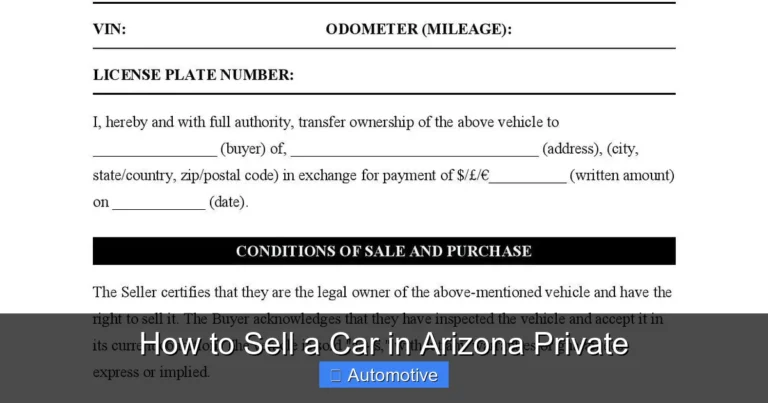
First, complete a bill of sale. Most states provide free templates online. Include both parties’ names, addresses, vehicle details (VIN, license plate, mileage), sale price, and date. Both you and the buyer should sign it.
Next, sign over the title. Check your state’s requirements—some require notarization or specific wording. Never leave blank spaces on the title. If you’re married or co-owned the car, ensure all owners sign.
Remove your license plates (in most states) and cancel your insurance immediately after the sale. Keep a copy of the bill of sale and title transfer for your records.
Notify your state’s DMV that the vehicle has been sold. This step is crucial—it releases you from responsibility if the new owner gets a ticket or is involved in an accident. Some states allow online reporting; others require a form by mail.
Finally, provide the buyer with a copy of the title, bill of sale, and any manuals or keys. Wish them well in their new Honda—and enjoy your profit!
Avoiding Scams and Staying Safe During the Sale
While most car buyers are honest, scams do happen—especially online. Protect yourself by following basic safety rules.
Never share personal information like your Social Security number, bank details, or home address early in the process. Legitimate buyers won’t ask for this.
Meet in a public, well-lit place—like a police station parking lot or busy shopping center. Bring a friend if possible. Avoid meeting at your home.
Be suspicious of buyers who want to pay with a cashier’s check from another country, ask you to ship the car, or pressure you to act immediately. These are red flags.
For payment, cash is safest for private sales. If using a check, wait for it to fully clear before handing over the keys. Online transfers should go directly to your bank account—not a third party.
If using an instant offer service, verify the company’s legitimacy. Check reviews on Trustpilot or the Better Business Bureau. Reputable companies will never ask for upfront fees.
Trust your gut. If something feels off, walk away. It’s better to wait for the right buyer than risk losing your car—or worse.
Conclusion: Sell My Car Honda with Confidence
Selling your Honda doesn’t have to be a daunting task. With the right preparation, pricing strategy, and safety precautions, you can sell my car Honda quickly, securely, and for a fair price. Whether you choose a private sale for maximum profit, a trade-in for convenience, or an instant offer for speed, understanding your options empowers you to make the best decision for your situation.
Remember: Hondas are in demand for good reason—they’re reliable, efficient, and built to last. By presenting your vehicle in its best light, being transparent about its condition, and handling the transaction professionally, you’ll attract serious buyers and close the deal with confidence.
So don’t wait. Start researching your Honda’s value today, clean it up, snap some great photos, and list it with pride. Your next adventure—or that extra cash—is just a sale away.
Frequently Asked Questions
How much can I expect to get when I sell my car Honda?
The amount you’ll receive depends on your Honda’s year, model, mileage, condition, and location. Use tools like Kelley Blue Book or Edmunds to get a realistic estimate. Well-maintained, low-mileage Hondas often retain strong resale value.
Is it better to sell my Honda privately or trade it in?
Private sales usually yield higher profits, but require more effort. Trade-ins are faster and easier but offer lower prices. Compare offers from both methods to decide what works best for your timeline and financial goals.
Do I need to fix my Honda before selling it?
Minor cosmetic fixes (like scratches or burnt-out lights) can boost your sale price. Major mechanical issues should either be repaired or disclosed honestly. Sometimes, a small investment in repairs leads to a much higher return.
How long does it take to sell a Honda?
It varies. Private sales may take a few days to several weeks, depending on demand and pricing. Instant offer services can complete the sale in 1–2 days. Pricing competitively and using multiple listing platforms speeds up the process.
What documents do I need to sell my Honda?
You’ll need the vehicle title, registration, bill of sale, and maintenance records. Some states also require a smog check or release of liability form. Check your local DMV website for specific requirements.
Can I sell my Honda if I still owe money on it?
Yes, but the loan must be paid off first. You can use the sale proceeds to cover the remaining balance. Contact your lender to get a payoff quote and coordinate the transfer with the buyer or dealership.