Sell Car to Copart

Selling your car to Copart is a fast, transparent way to turn a damaged, non-running, or unwanted vehicle into cash—even if it doesn’t start. With millions of buyers worldwide and an easy online process, Copart makes it simple to list, sell, and get paid quickly, no matter your car’s condition.
In This Article
- 1 Key Takeaways
- 2 📑 Table of Contents
- 3 What Is Copart and Why Should You Sell Your Car There?
- 4 How Does Selling a Car to Copart Work?
- 5 What Types of Vehicles Can You Sell to Copart?
- 6 Benefits of Selling Your Car to Copart
- 7 Tips for Getting the Best Price When You Sell Car to Copart
- 8 Common Misconceptions About Selling to Copart
- 8.1 “Copart only takes wrecked cars.”
- 8.2 “I need a clean title to sell.”
- 8.3 “The fees are too high.” Copart’s fees are competitive and only charged after the sale. They typically include a listing fee, buyer’s premium (paid by the buyer), and a small processing fee. The exact amount depends on the sale price and location, but it’s usually a small percentage of the total. “I have to deliver the car myself.”
- 8.4 “Only dealers can buy on Copart.”
- 9 Conclusion: Is Selling Your Car to Copart Right for You?
- 10 Frequently Asked Questions
Key Takeaways
- Copart accepts cars in any condition: Whether your vehicle is wrecked, flooded, non-running, or just old, Copart will take it.
- Online auction platform: List your car digitally and reach thousands of licensed dealers, rebuilders, and exporters globally.
- Fast and secure payment: Once sold, funds are typically available within 3–5 business days after the buyer picks up the vehicle.
- No need for repairs: You don’t have to fix anything—Copart specializes in selling salvage and used vehicles as-is.
- Simple documentation required: Just provide the title (or proper ownership proof), ID, and vehicle details to get started.
- Free to list: There’s no upfront cost to list your car—Copart only takes a fee after the sale.
- Convenient pickup or towing: Copart coordinates with local partners to tow your vehicle at no charge in most cases.
📑 Table of Contents
- What Is Copart and Why Should You Sell Your Car There?
- How Does Selling a Car to Copart Work?
- What Types of Vehicles Can You Sell to Copart?
- Benefits of Selling Your Car to Copart
- Tips for Getting the Best Price When You Sell Car to Copart
- Common Misconceptions About Selling to Copart
- Conclusion: Is Selling Your Car to Copart Right for You?
What Is Copart and Why Should You Sell Your Car There?
If you’ve got a car that’s seen better days—maybe it’s been in an accident, won’t start, or you simply don’t need it anymore—you might be wondering what to do with it. Selling it privately can be a hassle. Trading it in might get you pennies. But there’s another option that’s fast, reliable, and pays well: selling your car to Copart.
Copart is one of the largest online auction platforms for used and salvage vehicles in the world. Founded in 1982, it started as a small salvage auction in California and has since grown into a global marketplace with over 200 locations across the U.S., Canada, the UK, UAE, and Germany. Today, Copart hosts thousands of vehicle auctions every week, connecting sellers like you with buyers ranging from auto dealers and repair shops to exporters and individual rebuilders.
What makes Copart different? For starters, they specialize in vehicles that traditional dealerships often won’t touch—wrecked cars, flood-damaged vehicles, non-starters, and even cars with salvage titles. Instead of turning these vehicles away, Copart gives them a second life by connecting them with buyers who know how to fix, rebuild, or recycle them. This means you can sell a car that might otherwise sit in your driveway collecting dust—and actually get a fair price for it.
And the best part? The entire process is online. You don’t need to drive your car anywhere, fix it up, or spend hours negotiating with strangers. Just upload your vehicle details, set a reserve (if you want), and let the auction do the work. Within days, you could have cash in hand and your old car gone for good.
How Does Selling a Car to Copart Work?

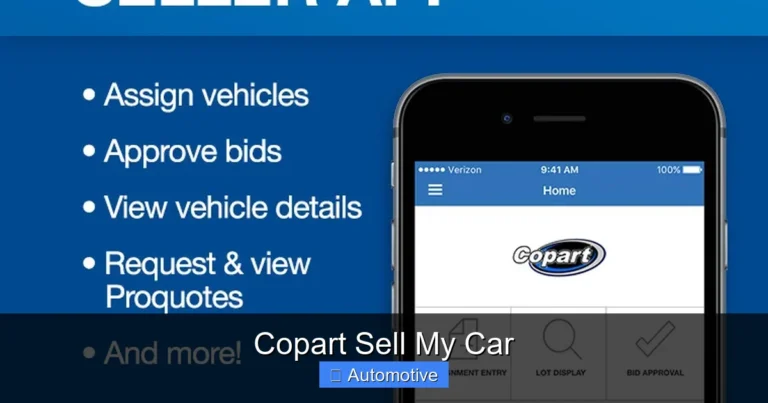
Visual guide about Sell Car to Copart
Image source: carscoops.com
Selling your car to Copart is simpler than you might think. The process is designed to be fast, transparent, and hassle-free—even if your vehicle isn’t in running condition. Here’s a step-by-step breakdown of how it works:
Step 1: Create an Account and List Your Vehicle
To get started, visit Copart’s official website and create a seller account. You’ll need to provide basic information like your name, contact details, and a valid government-issued ID. Once your account is approved (usually within 1–2 business days), you can begin listing your vehicle.
When listing, you’ll be asked to upload photos of the car—both exterior and interior—and provide key details such as the make, model, year, VIN (Vehicle Identification Number), mileage, and condition. Be honest about any damage, missing parts, or mechanical issues. Transparency helps attract serious buyers and avoids complications later.
Step 2: Set Your Reserve Price (Optional)
Copart allows you to set a minimum bid, known as a reserve price. If the highest bid doesn’t meet your reserve, you can choose not to sell. However, many sellers opt for no-reserve auctions to attract more bidders and speed up the sale. If you’re unsure, consider researching similar vehicles on Copart to gauge market value.
Step 3: Wait for the Auction
Once your listing goes live, it will appear in Copart’s online auction. Auctions typically run for 5–7 days, and bids come in from licensed buyers around the world. You can monitor the bidding activity through your seller dashboard and receive email updates as the auction progresses.
Step 4: Accept the Winning Bid
When the auction ends, the highest bidder wins—provided it meets your reserve (if set). You’ll receive a notification, and Copart will handle the paperwork. The buyer is required to pay Copart directly, and once payment is confirmed, you’ll be notified that the sale is complete.
Step 5: Arrange for Vehicle Pickup or Towing
After the sale, Copart coordinates with the buyer to arrange pickup. In most cases, Copart provides free towing from your location to one of their nearby facilities. You’ll receive a towing schedule, and once the vehicle is collected, you’ll get a confirmation.
Step 6: Get Paid
Once the buyer picks up the vehicle, Copart releases your payment—usually within 3–5 business days. Funds are deposited directly into your bank account, and you’ll receive a detailed settlement statement showing the sale price, fees, and net amount.
What Types of Vehicles Can You Sell to Copart?

Visual guide about Sell Car to Copart
Image source: copart.ca
One of the biggest advantages of selling to Copart is that they accept almost any type of vehicle—regardless of its condition. Whether your car is barely running or completely totaled, there’s likely a buyer on Copart who wants it. Here’s a closer look at the kinds of vehicles Copart welcomes:
Salvage and Wrecked Vehicles
If your car has been in an accident and declared a total loss by your insurance company, Copart is a perfect fit. Insurance companies often sell totaled vehicles to Copart to recoup some of their costs. But even if you’re not working with an insurer, you can still sell a wrecked car directly. Buyers on Copart include body shops, rebuilders, and parts recyclers who specialize in fixing or parting out damaged vehicles.
For example, imagine your sedan was rear-ended and the frame is bent. A private buyer might not want it, but a skilled mechanic or auto body shop could repair it and resell it for a profit. On Copart, that car could fetch hundreds or even thousands of dollars—far more than you’d get from a junkyard.
Non-Running or Inoperable Cars
Got a car that won’t start? Maybe the engine is blown, the transmission is shot, or the battery is dead. No problem. Copart accepts non-running vehicles with no hassle. In fact, many buyers specifically look for these types of cars because they can be repaired at a lower cost than buying new.
For instance, a 2010 Honda Civic with a seized engine might be worthless to a private buyer, but a mechanic could replace the engine for a few thousand dollars and sell the car for a solid profit. On Copart, that same Civic could sell for $2,000–$3,500, depending on the market.
Flood-Damaged or Water-Logged Vehicles
Flood damage is a major concern for car owners, especially in areas prone to hurricanes or heavy storms. Water can ruin electronics, corrode wiring, and cause mold—making the car unsafe or unsellable through normal channels. But Copart has a dedicated market for flood-damaged vehicles.
Buyers include exporters who ship these cars overseas, where repair standards may be different, and rebuilders who specialize in restoring water-damaged vehicles. Even if your car was submerged up to the dashboard, it can still have value on Copart.
Older or High-Mileage Vehicles
Just because a car is old or has high mileage doesn’t mean it’s worthless. Copart is a great option for selling vehicles that are still functional but no longer meet your needs. Maybe you’re upgrading to a newer model, or your teenager’s first car has served its purpose.
For example, a 2005 Toyota Camry with 180,000 miles might not get you much at a dealership trade-in, but on Copart, it could sell for $1,500–$2,500. That’s real cash in your pocket for a car you might otherwise donate or scrap.
Vehicles with Salvage or Rebuilt Titles
If your car has a salvage title (meaning it was declared a total loss but later repaired), selling it privately can be difficult. Many buyers are wary of salvage vehicles due to safety and resale concerns. But on Copart, salvage titles are the norm—not the exception.
Buyers know how to assess the condition and value of salvage vehicles, and they’re often looking for exactly these types of cars. Whether your vehicle has a clean title, salvage title, or rebuilt title, Copart can help you sell it quickly and fairly.
Benefits of Selling Your Car to Copart

Visual guide about Sell Car to Copart
Image source: copart.com
Selling your car to Copart isn’t just convenient—it’s also one of the most effective ways to maximize your return on a vehicle that might otherwise be difficult to sell. Here are some of the key benefits:
Fast and Hassle-Free Process
Unlike private sales, which can take weeks or months of listing, showing, and negotiating, Copart auctions typically close within a week. You don’t have to meet strangers at odd hours, answer endless phone calls, or deal with lowball offers. The online platform handles everything, so you can focus on what matters.
Access to a Global Buyer Network
Copart’s platform attracts over 750,000 registered buyers from around the world. This includes licensed dealers, auto repair shops, exporters, and individual rebuilders. The larger the pool of bidders, the higher the chance of getting a competitive price for your vehicle.
For example, a damaged pickup truck in rural Texas might not attract many local buyers, but on Copart, it could draw interest from a dealer in California, an exporter in the Middle East, or a parts recycler in Canada. This global reach often results in higher sale prices.
No Need for Repairs or Cleaning
One of the biggest time-savers with Copart is that you don’t have to fix, clean, or detail your car. Buyers expect vehicles to be sold “as-is,” so you can list it exactly as it sits in your driveway. No need to spend money on repairs or waste time scrubbing the interior.
Transparent and Secure Transactions
Copart handles all payments and paperwork, so you don’t have to worry about scams, bounced checks, or title issues. The buyer pays Copart directly, and you only receive your funds after the vehicle is picked up. This reduces risk and gives you peace of mind.
Free Towing in Most Cases
If your car doesn’t run or can’t be driven, Copart often provides free towing from your location to their nearest facility. This service is especially helpful if you don’t have a trailer or the means to transport the vehicle yourself.
Competitive Pricing
Because Copart operates as an open auction, the final sale price is determined by market demand—not by what a single buyer is willing to pay. This often results in higher payouts than you’d get from a junkyard or private sale, especially for vehicles with usable parts or repair potential.
Tips for Getting the Best Price When You Sell Car to Copart
While Copart makes selling easy, a little preparation can go a long way in maximizing your sale price. Here are some practical tips to help you get the most out of your listing:
Take High-Quality Photos
Photos are the first thing buyers see, so make them count. Take clear, well-lit pictures from multiple angles—front, back, sides, interior, engine bay, and undercarriage. Highlight any damage, but also show areas in good condition. A clean, detailed photo set builds trust and attracts more bids.
For example, if your car has a dent on the passenger door but the rest of the body is in great shape, make sure to show both. Buyers want to see the full picture.
Be Honest About the Condition
Don’t hide damage or mechanical issues. Copart buyers are experienced and will inspect the vehicle before bidding. If you misrepresent the condition, the buyer may back out, delaying the sale and potentially lowering the final price.
Instead, be upfront. Use the description field to note things like “engine knocks,” “transmission slips,” or “airbags deployed.” Honesty builds credibility and helps serious buyers make informed decisions.
Include the VIN and Accurate Mileage
The Vehicle Identification Number (VIN) is crucial for buyers to run vehicle history reports and verify details. Make sure the VIN you enter matches the one on the title and dashboard. Also, provide accurate mileage—buyers use this to assess value and condition.
Set a Competitive Reserve Price
If you choose to set a reserve, research similar vehicles on Copart to determine a fair minimum. Setting it too high can scare off bidders; too low, and you might sell for less than it’s worth. A good rule of thumb is to set the reserve at 70–80% of the expected market value.
List Early in the Week
Auctions that start on Monday or Tuesday tend to get more views and bids than those that begin later in the week. More eyes on your listing mean more competition—and potentially a higher final price.
Respond Promptly to Questions
Some buyers may reach out with questions about the vehicle. Respond quickly and honestly. A responsive seller is more likely to close a deal, especially if the buyer is serious.
Common Misconceptions About Selling to Copart
Despite its popularity, there are still some myths and misunderstandings about selling a car to Copart. Let’s clear up a few of the most common ones:
“Copart only takes wrecked cars.”
Not true. While Copart is known for salvage vehicles, they accept cars in all conditions—including clean, running vehicles. If your car is in good shape but you just want to sell it quickly, Copart can still be a great option.
“I need a clean title to sell.”
Actually, Copart accepts vehicles with salvage, rebuilt, or even no title—depending on your state’s laws. In some cases, you can sell with a bill of sale or other ownership documentation. Contact Copart’s seller support to confirm what’s needed in your area.
No way. Copart coordinates towing in most cases, especially for non-running vehicles. You don’t need to drive it, tow it, or transport it—just be available for the pickup.
“Only dealers can buy on Copart.”
While most buyers are licensed dealers, Copart also allows individual buyers in some regions. However, even if you’re selling to a dealer, the process is the same—and the price is still market-driven.
Conclusion: Is Selling Your Car to Copart Right for You?
If you’re looking for a fast, reliable, and profitable way to sell a car—especially one that’s damaged, non-running, or hard to sell privately—Copart is an excellent choice. With its global reach, transparent auction process, and no-hassle towing, Copart takes the stress out of selling and puts cash in your pocket.
Whether your car is a totaled SUV, a flooded sedan, or just an old beater you no longer need, there’s a buyer on Copart who wants it. And because the platform is designed for vehicles in any condition, you don’t have to spend time or money fixing it up.
So, if you’ve been thinking about getting rid of that old car sitting in your driveway, now’s the time. Create your Copart seller account, upload your photos, and let the auction begin. In just a few days, you could be driving away—with cash in hand and one less problem to worry about.
Frequently Asked Questions
Can I sell a car to Copart if it doesn’t run?
Yes, absolutely. Copart specializes in non-running, damaged, and salvage vehicles. As long as you can prove ownership and provide the necessary documentation, you can list a car that doesn’t start or drive.
Do I need a title to sell my car to Copart?
In most cases, yes—you’ll need a title or other legal proof of ownership. However, some states allow sales with a bill of sale or court order. Contact Copart’s seller support to confirm requirements in your area.
How much does it cost to list a car on Copart?
Listing is free. Copart only charges fees after the sale, including a small processing fee and a buyer’s premium (paid by the buyer). There are no upfront costs to sell your car.
How quickly will I get paid after the sale?
Payment is typically processed within 3–5 business days after the buyer picks up the vehicle. Funds are deposited directly into your bank account.
Will Copart tow my car for free?
In most cases, yes—especially if the vehicle doesn’t run. Copart partners with local towing companies to provide free pickup from your location to their nearest facility.
Can I sell a car with a salvage title on Copart?
Yes, Copart accepts vehicles with salvage, rebuilt, or clean titles. In fact, many of the vehicles sold on Copart have salvage titles, and buyers are experienced in assessing their value.