Sell Car in Massachusetts

Contents
- 1 Key Takeaways
- 2 📑 Table of Contents
- 3 Why Sell Your Car in Massachusetts?
- 4 Preparing Your Car for Sale
- 5 How to Price Your Car Fairly
- 6 Choosing the Best Way to Sell Your Car
- 7 Handling the Paperwork Correctly
- 8 Ensuring a Safe and Smooth Transaction
- 9 After the Sale: Final Steps
- 10 Conclusion
- 11 Frequently Asked Questions


Selling a car in Massachusetts doesn’t have to be complicated. With the right knowledge, you can navigate the process smoothly, avoid legal pitfalls, and get a fair price. This guide walks you through every step—from preparing your vehicle to transferring ownership—so you can sell your car with confidence.
So, you’ve decided it’s time to sell your car in Massachusetts. Maybe you’re upgrading to something newer, downsizing, or simply ready for a change. Whatever the reason, selling a car can feel overwhelming—especially when you’re not sure where to start. But don’t worry. With a little preparation and the right information, you can turn this process from stressful to straightforward.
Massachusetts has its own set of rules and regulations when it comes to selling a vehicle. From emissions testing to title transfers, there are specific steps you must follow to ensure the sale is legal and smooth. Whether you’re selling to a private buyer, trading in at a dealership, or using an online car-buying service, knowing the ins and outs of the process will save you time, money, and headaches.
In this guide, we’ll walk you through everything you need to know about selling your car in Massachusetts. We’ll cover how to prepare your vehicle, price it fairly, choose the best selling method, handle the paperwork, and finalize the sale safely. By the end, you’ll feel confident and ready to sell your car the right way.
Key Takeaways
- Understanding sell car in massachusetts: Provides essential knowledge
📑 Table of Contents
Why Sell Your Car in Massachusetts?
There are many reasons people choose to sell their cars. Some are looking to upgrade to a newer model with better fuel efficiency or advanced safety features. Others may need a larger vehicle for a growing family or a more rugged one for outdoor adventures. Financial reasons also play a big role—maybe you’re looking to free up cash, reduce monthly payments, or avoid costly repairs on an aging vehicle.
Whatever your motivation, selling your car in Massachusetts gives you the opportunity to make a smart financial decision. The state’s strong used car market means there’s often good demand for reliable vehicles, especially fuel-efficient models and trucks. Plus, with a little effort, you can often get more money selling privately than you would through a trade-in.
But before you list your car, it’s important to understand the local market. Massachusetts drivers tend to value safety, reliability, and low emissions—thanks in part to the state’s strict environmental standards. Vehicles that pass emissions tests and have a clean maintenance history tend to sell faster and for higher prices. So, if your car is in good condition and meets these criteria, you’re in a great position to make a successful sale.
Preparing Your Car for Sale
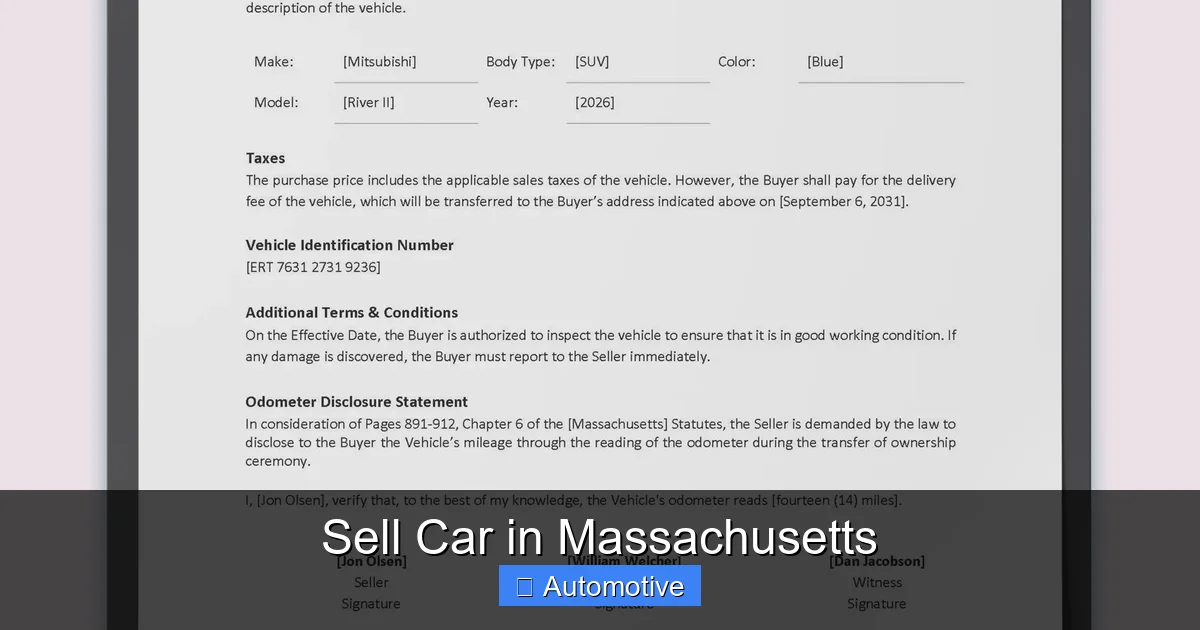
Visual guide about Sell Car in Massachusetts
Image source: images.template.net
The first step in selling your car is making sure it’s ready to impress potential buyers. A clean, well-maintained vehicle not only looks better but also signals that it’s been cared for—something buyers care about deeply.
Clean and Detail Your Vehicle
Start with a thorough cleaning. Wash the exterior, wax it if possible, and clean the windows inside and out. Don’t forget the wheels and tires—dirty rims can make a car look neglected. Inside, vacuum the carpets, wipe down surfaces, and remove any personal items. Consider using an odor eliminator if there are lingering smells from pets, smoking, or food.
For an extra touch, you might want to invest in professional detailing. While it’s not required, a detailed car can stand out in photos and during test drives. It shows you’ve gone the extra mile, which can justify a higher asking price.
Address Minor Repairs and Maintenance
Small issues can become big red flags for buyers. Fixing minor problems—like burnt-out bulbs, worn wiper blades, or a cracked windshield—can make a huge difference. If your car needs an oil change or tire rotation, go ahead and do it. These are inexpensive fixes that show the car is well-maintained.
If there are bigger mechanical issues, be honest about them. You don’t have to fix everything, but disclosing problems upfront builds trust and can prevent disputes later. In some cases, you might even get a better price if you offer a discount for known issues rather than hiding them.
Gather Maintenance Records
Buyers love seeing a complete service history. If you’ve kept records of oil changes, brake replacements, tire rotations, and other maintenance, gather them together. This documentation proves the car has been cared for and can increase its value.
If you don’t have physical records, check with your mechanic or use apps like Carfax or AutoCheck to generate a report. Even a partial history is better than none.
Take High-Quality Photos
In today’s market, most buyers start their search online. That means your photos are your first impression. Take pictures in good lighting—early morning or late afternoon works best. Capture the exterior from multiple angles, the interior (including the dashboard, seats, and trunk), and any special features like sunroofs or upgraded audio systems.
Avoid cluttered backgrounds and make sure the car is clean in every shot. A few well-lit, clear photos can make your listing stand out from the crowd.
How to Price Your Car Fairly
Pricing your car correctly is one of the most important steps in the selling process. Overprice it, and you’ll scare off buyers. Underprice it, and you’ll lose money. The key is finding that sweet spot—fair market value.
Research Comparable Listings
Start by looking at similar cars for sale in your area. Use websites like Craigslist, Facebook Marketplace, Autotrader, and Cars.com to find vehicles with the same make, model, year, mileage, and condition. Pay attention to how long they’ve been listed—cars that sit for weeks may be overpriced.
For example, if you’re selling a 2018 Honda Civic with 60,000 miles, look for other 2018 Civics in Massachusetts with similar mileage. Note their asking prices and adjust based on condition and features.
Use Valuation Tools
Online tools like Kelley Blue Book (KBB), Edmunds, and NADA Guides can give you a solid estimate of your car’s value. These platforms consider factors like location, mileage, condition, and market trends.
When using KBB, select “Private Party Sale” for the most accurate estimate. Be honest about your car’s condition—choosing “Excellent” when it’s only “Good” will give you an inflated value.
Adjust for Local Market Conditions
Massachusetts has a unique market. For instance, SUVs and trucks tend to sell well in rural areas, while compact cars and hybrids are popular in cities like Boston due to parking and fuel costs. If your car fits a local demand, you might be able to ask for a slightly higher price.
Also, consider the season. Convertibles and sports cars often sell better in spring and summer, while SUVs and AWD vehicles are in higher demand in fall and winter.
Set a Competitive Asking Price
Once you’ve done your research, set a price that’s fair but leaves room for negotiation. Most buyers expect to haggle, so pricing your car 5–10% above your target can give you flexibility.
For example, if you want to net $12,000, list the car for $12,800. This way, after negotiation, you still walk away with your desired amount.
Choosing the Best Way to Sell Your Car
There are several ways to sell your car in Massachusetts, and the best method depends on your priorities—speed, convenience, or profit.
Sell Privately
Selling privately typically yields the highest return. You deal directly with the buyer, set your own price, and avoid dealer fees. However, it requires more effort: creating listings, responding to inquiries, scheduling test drives, and handling paperwork.
Platforms like Craigslist, Facebook Marketplace, and OfferUp are popular for private sales. Be sure to write a clear, honest description and include all relevant details—mileage, condition, features, and reason for selling.
Trade-In at a Dealership
Trading in your car is the easiest option. You can apply the value of your old car toward the purchase of a new one, and the dealership handles the paperwork. However, trade-in values are usually lower than private sale prices because dealers need to make a profit when they resell.
If you’re buying a new car anyway, a trade-in can save time and simplify the process. Just be sure to get multiple offers and negotiate the trade-in value separately from the new car price.
Sell to a Dealership or Online Buyer
Some dealerships and online companies (like CarMax, Carvana, or Vroom) will buy your car outright, even if you’re not buying from them. These services offer quick, no-hassle transactions—often with same-day payment.
The downside? You’ll likely get less than a private sale. But if speed and convenience are your top priorities, this can be a great option.
Auction or Consignment
For rare, classic, or high-end vehicles, selling through an auction or consignment service might make sense. These platforms attract serious buyers and can sometimes result in higher prices. However, they often charge fees and take longer than other methods.
Handling the Paperwork Correctly
Selling a car in Massachusetts involves several legal steps. Missing one can delay the sale or cause problems down the road.
Title Transfer
The most important document is the vehicle title. In Massachusetts, the title must be signed by both the seller and the buyer. The seller completes the “Assignment of Title” section, including the sale price and odometer reading.
The buyer must then take the signed title to a Massachusetts RMV office to register the vehicle and get new plates. This must be done within 10 days of the sale.
Bill of Sale
While not always required, a bill of sale is highly recommended. It serves as proof of the transaction and includes details like the sale price, date, and both parties’ information.
You can download a free Massachusetts bill of sale template from the RMV website or create your own. Make sure both parties sign it and keep a copy.
Release of Liability
After the sale, you should notify the RMV that you’re no longer responsible for the vehicle. This is done by completing a “Release of Liability” form, available online or at an RMV office.
This step protects you if the buyer gets a ticket, causes an accident, or fails to register the car. Without it, you could still be held liable.
Emissions and Safety Inspection
In Massachusetts, most vehicles must pass an annual safety and emissions inspection. If your car’s inspection is due soon, consider getting it done before selling. A valid inspection sticker can make your car more attractive to buyers.
If the inspection expires within 30 days of the sale, the buyer is responsible for renewing it. But having a current sticker shows the car is roadworthy.
Ensuring a Safe and Smooth Transaction
Safety should be a top priority when selling your car, especially in private sales.
Meet in a Public Place
Always meet potential buyers in a safe, public location—like a police station parking lot or a busy shopping center. Avoid meeting at your home or in isolated areas.
Some police departments even offer “safe exchange zones” with cameras and lighting for this purpose.
Verify Payment
Cash is the safest payment method for private sales. If the buyer wants to pay by check, make sure it’s a cashier’s check from a local bank and verify it before handing over the keys.
Avoid wire transfers or online payments—they’re common scam tactics.
Be Wary of Scams
Watch out for red flags: buyers who want to pay with a cashier’s check for more than the asking price, ask you to wire back the difference, or want to ship the car without seeing it. These are almost always scams.
Also, be cautious of buyers who pressure you to act quickly or refuse to meet in person.
Complete the Transaction Together
Whenever possible, complete the sale in person. Hand over the keys only after you’ve received payment and signed the title. Make sure the buyer understands their responsibility to register the vehicle.
After the Sale: Final Steps
Once the car is sold, there are a few final tasks to complete.
Cancel Your Insurance
Contact your insurance company as soon as the sale is complete. You don’t want to keep paying for a car you no longer own. Most insurers will refund any unused premium.
Remove License Plates
In Massachusetts, license plates stay with the seller, not the car. Remove them before handing over the vehicle. You can reuse them on a new car or return them to the RMV.
Keep Records
Save copies of the bill of sale, title transfer, and release of liability for your records. These documents can protect you if any issues arise later.
Conclusion
Selling your car in Massachusetts doesn’t have to be a headache. With the right preparation, pricing, and paperwork, you can complete the process smoothly and securely. Whether you choose to sell privately, trade in, or use an online buyer, understanding the steps involved will help you get the best possible outcome.
Remember to clean and maintain your car, research fair pricing, choose the right selling method, and handle all legal requirements carefully. And always prioritize safety during the transaction.
By following this guide, you’ll be well on your way to a successful car sale—and one step closer to your next vehicle.
Frequently Asked Questions
Do I need a bill of sale to sell my car in Massachusetts?
While not legally required, a bill of sale is highly recommended. It protects both buyer and seller by documenting the sale price, date, and vehicle details. You can download a free template from the Massachusetts RMV website.
How long does the buyer have to register the car after purchase?
The buyer must register the vehicle and obtain new license plates within 10 days of the sale. Failure to do so can result in fines. As the seller, you should remind the buyer of this deadline.
Can I sell my car if it doesn’t pass emissions testing?
Yes, you can sell a car that doesn’t pass emissions, but you must disclose this to the buyer. The buyer will be responsible for getting it inspected and registered. Some buyers may negotiate a lower price due to the needed repairs.
What happens if the buyer doesn’t register the car?
If the buyer fails to register the car, you could still be held liable for tickets, accidents, or fines. To protect yourself, file a Release of Liability form with the RMV as soon as the sale is complete.
Should I keep my license plates when I sell my car?
Yes, in Massachusetts, license plates remain with the seller. Remove them before handing over the vehicle. You can transfer them to a new car or return them to the RMV.
Is it better to sell privately or trade in my car?
Selling privately usually gets you more money, but it takes more time and effort. Trading in is faster and more convenient, especially if you’re buying a new car, but you’ll likely get less. Choose based on your priorities.