Sell Car Batteries Near Me

Selling your old car battery doesn’t have to be a hassle—or harmful to the environment. Whether you’re upgrading, replacing, or just cleaning out the garage, knowing where and how to sell car batteries near you can put cash in your pocket while supporting sustainable recycling. From auto shops to scrap yards and online platforms, local options abound—if you know what to look for.
Thinking about selling your old car battery? You’re not alone. Every year, millions of car batteries reach the end of their lifespan—typically after 3 to 5 years of service—and need to be replaced. But instead of tossing it in the trash (which is illegal in most places), savvy car owners are discovering that their used battery still has value. Whether you’re upgrading to a new model, your car won’t start, or you’re just decluttering, selling your car battery near you can be a smart, eco-conscious, and profitable move.
The good news? There are more options than ever to sell car batteries locally. From national auto parts chains to neighborhood scrap yards, and even online platforms, you’ve got choices. But not all buyers offer the same price or service. Some pay cash on the spot, while others give store credit. Some require you to buy a new battery first. And safety and legality matter too—car batteries contain hazardous materials like sulfuric acid and lead, so handling and disposal must be done responsibly.
In this guide, we’ll walk you through everything you need to know about selling car batteries near you. We’ll cover where to sell, how much you can expect to earn, safety tips, and how to make the process smooth and stress-free. Whether you’re in a bustling city or a quiet suburb, this guide will help you turn that old battery into cash—while doing your part for the planet.
In This Article
- 1 Key Takeaways
- 2 📑 Table of Contents
- 3 Why Sell Your Car Battery Instead of Throwing It Away?
- 4 Where Can You Sell Car Batteries Near Me?
- 5 How Much Can You Earn from Selling a Car Battery?
- 6 Safety Tips for Handling and Transporting Used Car Batteries
- 7 Legal and Environmental Considerations
- 8 Tips for Getting the Best Price When Selling
- 9 Conclusion
- 10 Frequently Asked Questions
- 10.1 Can I sell a dead car battery?
- 10.2 Do I need to remove the battery myself to sell it?
- 10.3 Is it legal to sell car batteries online?
- 10.4 How do I find certified battery recyclers near me?
- 10.5 What happens to my battery after I sell it?
- 10.6 Can I get taxed on money earned from selling a car battery?
Key Takeaways
- Car batteries contain valuable materials: Lead, plastic, and acid can be recycled or resold, making them worth more than you think.
- Local auto parts stores often buy used batteries: Chains like AutoZone, O’Reilly, and Advance Auto Parts frequently offer cash or store credit for old batteries.
- Scrap metal yards pay by weight: Since car batteries are mostly lead, they can fetch $1–$3 per pound depending on market prices.
- Always handle used batteries safely: Wear gloves and goggles, and avoid tipping or puncturing the casing to prevent acid leaks.
- Check state regulations: Some areas require retailers to accept used batteries for recycling, sometimes with a small fee.
- Online marketplaces expand your options: Platforms like Craigslist, Facebook Marketplace, or OfferUp let you sell directly to individuals or small repair shops.
- Eco-friendly disposal matters: Proper recycling prevents toxic materials from harming the environment and supports a circular economy.
📑 Table of Contents
- Why Sell Your Car Battery Instead of Throwing It Away?
- Where Can You Sell Car Batteries Near Me?
- How Much Can You Earn from Selling a Car Battery?
- Safety Tips for Handling and Transporting Used Car Batteries
- Legal and Environmental Considerations
- Tips for Getting the Best Price When Selling
- Conclusion
Why Sell Your Car Battery Instead of Throwing It Away?
You might be wondering: “Why go through the trouble of selling my old battery when I can just leave it at the shop when I buy a new one?” Great question. While many auto shops will take your old battery when you purchase a replacement, they don’t always pay you for it—and even when they do, the amount might be minimal. Selling it yourself can often get you more money, especially if you shop around.
But beyond the financial incentive, there’s a bigger reason to sell or recycle your car battery: environmental responsibility. Car batteries are classified as hazardous waste because they contain lead and sulfuric acid—both of which are toxic to humans and ecosystems if not handled properly. When dumped in landfills, these materials can leak into soil and water, causing long-term damage. In fact, lead is one of the most recycled consumer products in the U.S., with over 99% of lead-acid batteries being recycled—thanks in large part to responsible consumers and businesses.
By choosing to sell your car battery, you’re contributing to a circular economy. The lead in your old battery can be melted down and used to make new batteries, reducing the need for mining raw materials. The plastic casing can be shredded and reused. Even the acid can be neutralized and converted into water or turned into sodium sulfate for use in detergents and glass manufacturing. It’s a win-win: you get paid, and the planet stays cleaner.
Where Can You Sell Car Batteries Near Me?
Visual guide about Sell Car Batteries Near Me
Image source: carproper.com
Now that you know why selling your car battery matters, let’s talk about where to do it. The best place for you will depend on your location, how much effort you’re willing to put in, and how much money you want to make. Here are the most common and reliable options for selling car batteries near you.
Auto Parts Retailers
One of the easiest and most convenient places to sell a car battery is your local auto parts store. Major chains like AutoZone, O’Reilly Auto Parts, Advance Auto Parts, and NAPA often have battery buyback programs. These stores typically accept used batteries when you purchase a new one, and many will give you cash or store credit in return.
For example, AutoZone offers a $10 gift card when you recycle your old battery with them—no purchase required in some locations. O’Reilly may pay up to $12 in store credit, depending on the battery type and condition. These programs are designed to encourage recycling and customer loyalty, so they’re a great first stop.
The process is usually simple: bring your old battery to the counter, let them inspect it (they’ll check for leaks, damage, and charge level), and they’ll issue your credit or cash. Some stores may require you to buy a new battery to qualify, so it’s worth calling ahead to confirm their policy.
Scrap Metal Yards
If you’re looking to maximize your payout, scrap metal yards are often the best bet. Since car batteries are about 60% lead by weight, and lead has a high scrap value, these facilities typically pay by the pound. Prices fluctuate based on the global metal market, but as of 2024, you can expect anywhere from $1.00 to $3.00 per pound.
A standard car battery weighs around 40 pounds, so that could mean $40 to $120 in your pocket—significantly more than what auto parts stores offer. Some scrap yards even offer free pickup for larger quantities, though most require you to drop off the battery yourself.
To find a scrap yard near you, search “scrap metal yards near me” or check directories like iScrap App or local government recycling websites. Be prepared to show ID and possibly sign a waiver, as many yards require documentation to prevent theft of materials.
Junkyards and Auto Salvage Yards
Junkyards and auto salvage yards often buy used car batteries, especially if they’re still in decent condition. These businesses dismantle old vehicles for parts and may resell functional batteries to customers looking for affordable replacements. Even if your battery is dead, they may still take it for its scrap value.
Some salvage yards specialize in battery resale and refurbishment. They’ll test your battery, clean it up, and sell it at a discount. This means they’re willing to pay more than scrap value—sometimes $20 to $50—for a battery that still holds a charge.
To find a salvage yard near you, search “auto salvage near me” or check listings on sites like Car-Part.com. Many yards have online inventories and contact forms, so you can inquire about their battery buyback policy before visiting.
Online Marketplaces
Don’t overlook the power of online platforms. Websites like Craigslist, Facebook Marketplace, OfferUp, and even eBay allow you to sell your car battery directly to individuals or small repair shops in your area. This method gives you more control over pricing and can sometimes yield higher returns than traditional buyers.
For example, a used but functional battery might sell for $50–$100 on Facebook Marketplace, especially if it’s a high-quality brand like Optima or Interstate. You can include photos, describe the battery’s age and condition, and even offer delivery for a small fee.
However, selling online comes with risks. You’ll need to meet strangers, handle transportation, and ensure safe handling during exchange. Always meet in a public place, bring a friend, and avoid sharing personal information. Also, be aware that shipping a car battery is complicated due to hazardous material regulations—most sales are local pickup only.
Local Mechanics and Repair Shops
Independent mechanics and small repair shops often buy used batteries for resale or internal use. They may need spare batteries for customer vehicles or for testing equipment. Since they’re not part of a large chain, they’re often more flexible with pricing and may pay cash on the spot.
To find a mechanic who buys batteries, ask around at local garages or search “car repair near me” and call to inquire. Some shops even post signs like “We buy used car batteries” in their windows. This is a great option if you want a quick, no-hassle sale without dealing with scrap yards or online listings.
How Much Can You Earn from Selling a Car Battery?
Visual guide about Sell Car Batteries Near Me
Image source: junkyardsnearme.net
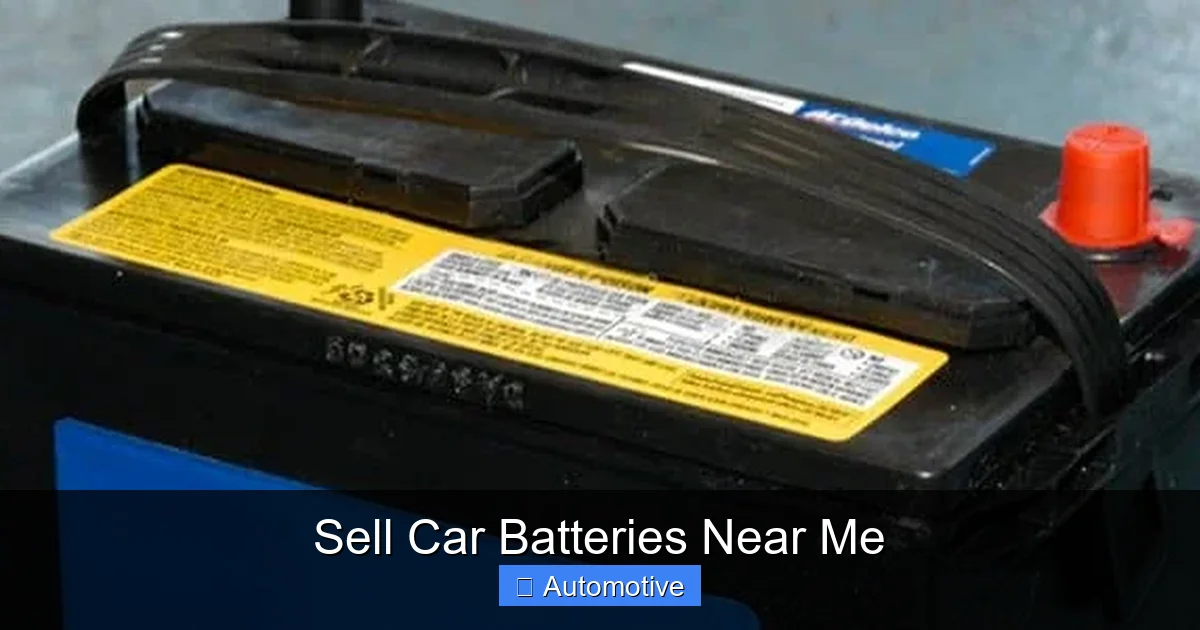
The amount you can earn from selling a car battery varies widely based on several factors: the battery’s condition, type, age, weight, and the buyer’s policies. Let’s break it down so you know what to expect.
Factors That Affect Battery Value
Battery Condition: A battery that still holds a charge and shows no signs of leakage or damage will always fetch a higher price. Buyers are more willing to pay for batteries they can resell or refurbish.
Battery Type: Standard lead-acid batteries are the most common and widely recycled. However, premium batteries like AGM (Absorbent Glass Mat) or lithium-ion (used in hybrids and EVs) may have higher scrap or resale value due to advanced materials.
Weight: Since scrap value is based on lead content, heavier batteries are worth more. A typical car battery weighs 30–50 pounds, but larger vehicles like trucks or RVs may have batteries weighing 60+ pounds.
Market Prices: The price of lead fluctuates daily based on global supply and demand. You can check current scrap metal prices on sites like ScrapMonster or Kitco to estimate your battery’s value.
Location: Urban areas with more buyers and higher demand may offer better prices than rural locations. Competition among scrap yards and auto shops can drive up payouts.
Estimated Payouts by Buyer Type
Here’s a quick comparison of what you might earn from different buyers:
– Auto Parts Stores: $5–$15 (usually in store credit or gift cards)
– Scrap Yards: $40–$120 (based on weight and lead prices)
– Salvage Yards: $20–$60 (higher if battery is functional)
– Online Sales: $30–$100 (depends on condition and demand)
– Local Mechanics: $10–$40 (cash, often negotiable)
As you can see, scrap yards and online sales offer the highest potential earnings, while auto parts stores provide convenience at a lower price. If you’re looking to maximize profit, consider getting quotes from multiple buyers before making a decision.
Safety Tips for Handling and Transporting Used Car Batteries
Visual guide about Sell Car Batteries Near Me
Image source: media.makeameme.org
Before you sell your car battery, it’s crucial to handle it safely. Car batteries contain sulfuric acid and lead, both of which are hazardous if mishandled. Here are some essential safety tips to protect yourself and others.
Wear Protective Gear
Always wear gloves (preferably acid-resistant) and safety goggles when removing or handling a car battery. Acid can cause severe burns to skin and eyes, and lead dust is harmful if inhaled or ingested.
Remove the Battery Carefully
To remove the battery from your vehicle:
1. Turn off the engine and remove the keys.
2. Disconnect the negative (black) cable first, then the positive (red) cable.
3. Unscrew any brackets or clamps holding the battery in place.
4. Lift the battery straight up—never tilt it, as this can cause acid to spill.
Use a battery carrier or strap to lift it safely. Never carry it by the terminals.
Store and Transport Safely
Place the battery in a sturdy, leak-proof container—many auto stores sell battery transport boxes. Keep it upright and secure it in your vehicle to prevent tipping. Never transport a battery in the passenger cabin; use the trunk or truck bed instead.
Avoid exposing the battery to extreme heat or direct sunlight, as this can increase pressure inside and cause leaks.
Check for Leaks or Damage
Inspect the battery for cracks, bulges, or corrosion. If you see white powder (sulfate buildup) or liquid around the terminals, clean it with a baking soda and water solution before handling. Never touch acid with bare hands.
If the battery is leaking or damaged, do not attempt to move it yourself. Contact a professional hazardous waste disposal service or your local fire department for guidance.
Dispose of Old Cables and Tools
Old battery cables and tools that have come into contact with acid should be cleaned or disposed of properly. Rinse them with water and baking soda to neutralize any residue.
Legal and Environmental Considerations
Selling or recycling a car battery isn’t just about money—it’s also about following the law and protecting the environment. In most U.S. states, it’s illegal to dispose of car batteries in regular trash or landfills. Many states have specific regulations governing battery recycling and retailer responsibilities.
Retailer Take-Back Laws
In states like California, New York, and Texas, retailers are required by law to accept used car batteries when you purchase a new one. Some states even mandate that retailers pay a small fee or provide store credit. These laws are designed to encourage recycling and reduce illegal dumping.
Check your state’s environmental agency website to learn about local regulations. For example, California’s Department of Toxic Substances Control (DTSC) requires all lead-acid batteries to be recycled at certified facilities.
Certified Recycling Centers
When selling to a scrap yard or recycler, make sure they are licensed and certified to handle hazardous materials. Look for certifications from organizations like the Environmental Protection Agency (EPA) or the International Organization for Standardization (ISO).
Certified recyclers follow strict safety and environmental protocols, ensuring that lead and acid are processed responsibly. Avoid unlicensed “backyard” operations, which may dump toxic waste illegally.
Environmental Impact of Recycling
Recycling one car battery saves enough energy to power a 100-watt light bulb for over 24 hours. It also prevents up to 10 pounds of lead and 2 pounds of plastic from entering landfills. By choosing to recycle, you’re helping conserve natural resources and reduce pollution.
Tips for Getting the Best Price When Selling
Want to maximize your earnings? Here are some pro tips to help you get the best deal when selling your car battery.
Shop Around for Quotes
Don’t settle for the first offer you get. Call or visit multiple buyers—auto shops, scrap yards, salvage yards—and compare prices. Some may offer bonuses for referrals or bulk sales.
Clean the Battery Before Sale
A clean, well-maintained battery looks more valuable. Use a wire brush and baking soda solution to clean corrosion from the terminals. Wipe down the casing with a damp cloth. A tidy battery suggests it was cared for, which can increase its resale value.
Know Your Battery’s Details
Be ready to provide information like the brand, model, age, and voltage. This helps buyers assess its condition and value. If you have the original receipt or warranty info, bring it along.
Sell During High-Demand Periods
Battery demand often spikes in extreme weather—cold winters and hot summers—when batteries are more likely to fail. Selling during these times may increase your chances of getting a better price.
Consider Bundling with Other Scrap
If you have other scrap metal (like copper wiring or aluminum parts), some scrap yards offer better rates for larger loads. Combining items can make the trip more worthwhile.
Conclusion
Selling your car battery near you is more than just a way to make a few extra dollars—it’s a smart, sustainable choice that benefits both your wallet and the environment. With so many local options available—from auto parts stores and scrap yards to online marketplaces and repair shops—there’s no reason to let that old battery go to waste.
By understanding where to sell, how much you can earn, and how to handle the battery safely, you can turn a routine car maintenance task into a profitable and eco-friendly opportunity. Remember to shop around, follow safety guidelines, and choose certified recyclers to ensure your battery is disposed of responsibly.
So the next time you’re replacing your car battery, don’t just think about the new one—think about the value in the old one. Whether you’re in Chicago, Austin, or a small town in between, there’s likely a buyer nearby ready to pay you for it. Take the time to explore your options, and you might be surprised at how much that old battery is really worth.
Frequently Asked Questions
Can I sell a dead car battery?
Yes, you can still sell a dead car battery. While it won’t fetch as high a price as a working one, scrap yards and recyclers will still buy it for its lead content. Most buyers only require that the battery isn’t leaking or damaged.
Do I need to remove the battery myself to sell it?
In most cases, yes. You’ll need to safely remove the battery from your vehicle before selling it. However, some scrap yards or mobile recycling services may offer pickup for larger quantities or commercial accounts.
Is it legal to sell car batteries online?
Yes, it’s legal to sell car batteries online, but you must follow safety and transportation guidelines. Most sales are local pickup only due to hazardous material shipping restrictions. Always meet in public places and handle exchanges safely.
How do I find certified battery recyclers near me?
Search for “certified battery recyclers near me” or check your state’s environmental agency website. The EPA also maintains a database of certified hazardous waste handlers. Look for facilities with proper licensing and safety certifications.
What happens to my battery after I sell it?
After sale, your battery is typically taken to a recycling facility where it’s crushed, separated, and processed. The lead is melted and reused, the plastic is recycled, and the acid is neutralized or converted into useful chemicals.
Can I get taxed on money earned from selling a car battery?
Generally, no. Small cash payments from selling personal items like car batteries are not reported to the IRS unless you’re running a business. However, if you sell batteries regularly for profit, you may need to report income.