Sell Car After Accident
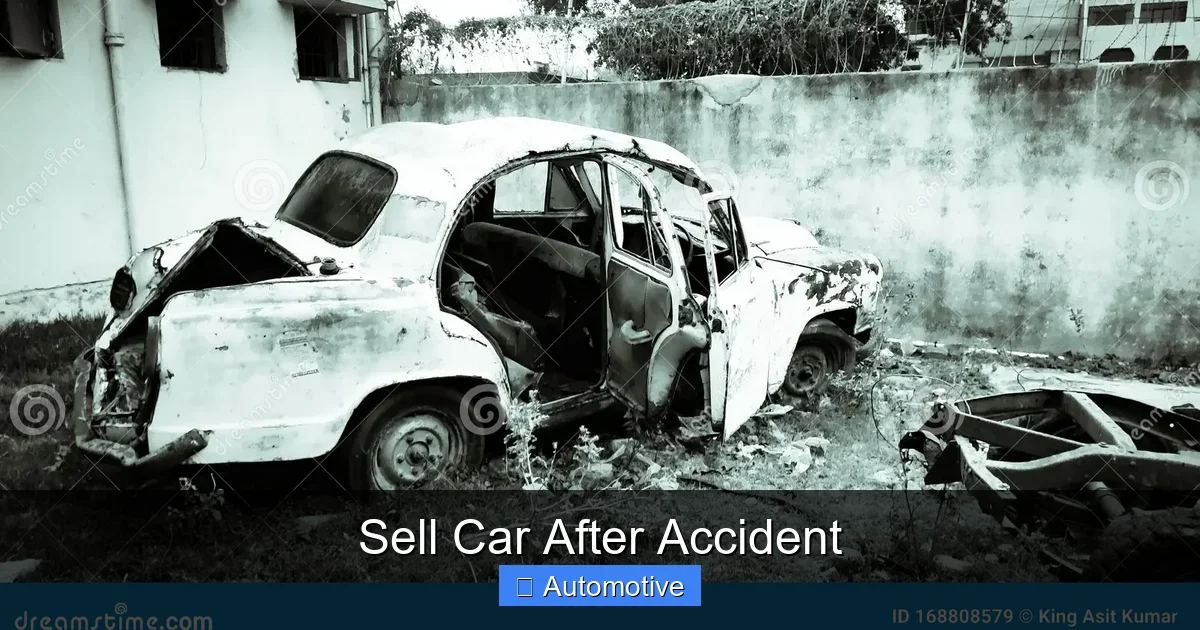
Selling a car after an accident doesn’t have to be stressful. With the right approach, you can get a fair price, avoid legal issues, and move on quickly—whether you’re dealing with minor damage or a totaled vehicle.
In This Article
- 1 Key Takeaways
- 2 Why You Might Want to Sell a Car After an Accident
- 3 Understanding Your Car’s Title Status After an Accident
- 4 How to Determine the Value of Your Damaged Car
- 5 Preparing Your Car to Sell After an Accident
- 6 Choosing the Best Way to Sell Your Accident-Damaged Car
- 7 Legal and Safety Considerations When Selling
- 8 Tips for Getting the Best Price
- 9 Conclusion
- 10 FAQs
- 11 Key Takeaways
- 12 Frequently Asked Questions
Key Takeaways
- Disclose all damage honestly: Full transparency builds trust and prevents future legal problems.
- Get a professional inspection: A mechanic’s report helps determine the car’s true value and repair needs.
- Understand your car’s title status: Salvage, rebuilt, or clean titles affect pricing and buyer interest.
- Price it right: Research comparable listings and adjust for damage, mileage, and market demand.
- Choose the right selling method: Private sale, dealer trade-in, or cash-for-cars service—each has pros and cons.
- Prepare necessary paperwork: Title, registration, bill of sale, and accident reports are essential.
- Be ready to negotiate: Buyers expect discounts on damaged cars, so set a realistic asking price.
[FEATURED_IMAGE_PLACEHOLDER]
Why You Might Want to Sell a Car After an Accident
Accidents happen—even to the most careful drivers. Whether it was a fender bender in a parking lot or a more serious collision on the highway, your car may no longer be in the same condition it was before. And while some people choose to repair their vehicles and keep driving, others decide it’s time to sell. Selling a car after an accident can be a smart financial move, especially if repairs are costly or the vehicle has lost significant value.
One of the main reasons people sell after an accident is the high cost of repairs. Insurance might cover some of it, but if you’re paying out of pocket or your deductible is high, fixing the car may not make sense—especially if it’s older or has high mileage. In some cases, the damage is so extensive that the car is declared a total loss by the insurance company. Even if it’s technically drivable, a totaled car often comes with a salvage title, which can make it harder to insure or resell later.
Another reason to sell is peace of mind. Even after repairs, some drivers don’t feel safe behind the wheel. There could be hidden structural damage or lingering concerns about the car’s reliability. Selling gives you the chance to upgrade to a safer, newer vehicle without the emotional baggage of a past accident.
And let’s not forget about depreciation. A car that’s been in an accident—even a minor one—can lose value quickly. Buyers are often wary of vehicles with accident histories, even if they’ve been fully repaired. By selling sooner rather than later, you might recoup more of your investment before the stigma of the accident further lowers the price.
Understanding Your Car’s Title Status After an Accident
One of the most important things to know before selling a car after an accident is its title status. The type of title your vehicle holds can dramatically affect how much it’s worth and who’s willing to buy it. Let’s break down the three main types: clean, salvage, and rebuilt titles.
Clean Title
A clean title means the car has never been declared a total loss by an insurance company. Even if it was in an accident and repaired, as long as the damage didn’t exceed a certain percentage of the car’s value (usually 70–80%, depending on the state), it can retain a clean title. This is the most desirable title status for buyers and typically results in the highest resale value.
If your car has a clean title but was in an accident, you’re in a good position to sell. Just be sure to disclose the accident history honestly. Some buyers may still be hesitant, but a well-documented repair history can ease their concerns.
Salvage Title
A salvage title is issued when an insurance company declares a vehicle a total loss. This usually happens when the cost of repairs exceeds a certain percentage of the car’s actual cash value. Once a car has a salvage title, it can’t be legally driven or registered until it’s repaired and inspected.
Selling a car with a salvage title is possible, but it comes with challenges. Most buyers are individuals or businesses looking for project cars, parts, or restoration projects. The market is smaller, and the price will be significantly lower than a comparable clean-title vehicle. However, if the car is rare, classic, or has valuable parts, you might still find interested buyers.
Rebuilt Title
A rebuilt title (also called a reconstructed title) is given to a salvage-titled vehicle that has been repaired and passed a state inspection. This means the car is now roadworthy and can be registered and insured. While a rebuilt title is better than a salvage title, it still carries a stigma. Many buyers worry about hidden damage or reduced safety, so these cars typically sell for less than clean-title vehicles.
If your car has a rebuilt title, you’ll need to provide proof of repairs and the inspection certificate. Some states also require a special inspection before the car can be sold. Be prepared for more questions from buyers and possibly a longer selling process.
How to Determine the Value of Your Damaged Car
Figuring out how much your car is worth after an accident can feel like a guessing game—but it doesn’t have to be. With a few smart steps, you can get a realistic estimate and avoid underselling or overpricing your vehicle.
Use Online Valuation Tools
Start by checking popular car valuation websites like Kelley Blue Book (KBB), Edmunds, or NADA Guides. These tools allow you to input your car’s make, model, year, mileage, and condition. Some even let you note that the car has been in an accident or has a salvage/rebuilt title.
Keep in mind that these tools give a general range. They don’t account for specific damage or local market conditions, so use them as a starting point, not the final word.
Compare Similar Listings
Search online marketplaces like Craigslist, Facebook Marketplace, Autotrader, or Cars.com for similar vehicles in your area. Look for cars with the same make, model, year, and mileage—but pay close attention to their title status and accident history.
For example, if you’re selling a 2018 Honda Accord with a rebuilt title and 60,000 miles, compare it to other 2018 Accords with rebuilt titles. If most are listed between $8,000 and $10,000, that’s a good benchmark. If you see a clean-title Accord with similar mileage going for $15,000, that shows the price difference due to the title.
Get a Professional Inspection
Even if you think you know the extent of the damage, a professional inspection can reveal hidden issues. A certified mechanic can assess the frame, suspension, electrical systems, and safety features. They’ll also document what’s been repaired and what still needs work.
This report is valuable for two reasons: First, it helps you price the car accurately. Second, it builds trust with potential buyers. Including an inspection report in your listing shows you’re serious and transparent.
Factor in Repair Costs
If your car needs additional repairs before it’s roadworthy, subtract those costs from your asking price. For example, if the car is worth $9,000 but needs $2,000 in brake and alignment work, you might list it for $7,000—or offer to fix it yourself and sell for $9,000.
Some sellers choose to sell “as-is,” meaning the buyer takes on all repair responsibilities. This can speed up the sale, but it usually means a lower price. Be clear about the car’s condition so there are no surprises.
Preparing Your Car to Sell After an Accident
Once you know your car’s value and title status, it’s time to get it ready to sell. Even a damaged car can look more appealing with a little effort. The goal is to present it honestly but attractively.
Clean It Inside and Out
First impressions matter. Give your car a thorough wash, wax, and interior cleaning. Vacuum the seats, wipe down surfaces, and remove any personal items. A clean car—even one with damage—looks cared for and may encourage buyers to take a closer look.
If there’s visible body damage, consider minor touch-ups like paintless dent repair or scratch removal. These small fixes can improve appearance without breaking the bank.
Gather All Documentation
Buyers will want to see proof of ownership and accident history. Gather the following:
– Vehicle title (clean, salvage, or rebuilt)
– Registration
– Bill of sale (you can create one using a template)
– Accident report (from police or insurance)
– Repair invoices and receipts
– Inspection certificates (if applicable)
– Maintenance records
Having everything organized in a folder or digital file makes the process smoother and shows you’re serious.
Take High-Quality Photos
Photos are crucial, especially for online listings. Take pictures from multiple angles—front, back, sides, interior, engine bay, and trunk. Include close-ups of any damage, but also highlight the car’s good features.
Use natural light and avoid shadows or glare. If possible, take photos in a clean, uncluttered area. A well-lit, well-composed photo can make a big difference in attracting buyers.
Write a Honest and Detailed Description
Your listing description should be clear, concise, and truthful. Include:
– Make, model, year, and mileage
– Title status (clean, salvage, rebuilt)
– Accident details (when, how severe, what was damaged)
– Repairs completed (with dates and costs)
– Current condition (drivable, needs work, etc.)
– Reason for selling
Avoid exaggerating or downplaying the damage. Honesty builds trust and reduces the risk of disputes later.
Choosing the Best Way to Sell Your Accident-Damaged Car
There’s no one-size-fits-all answer when it comes to selling a car after an accident. The best method depends on your timeline, the car’s condition, and how much effort you’re willing to put in. Here are the most common options:
Private Sale
Selling directly to a private buyer typically yields the highest return. You have full control over pricing, negotiation, and presentation. Platforms like Facebook Marketplace, Craigslist, and OfferUp are popular choices.
Pros:
– Higher sale price
– Direct communication with buyers
– No middleman fees
Cons:
– Requires time and effort
– Safety concerns (meeting strangers)
– Longer selling process
Tip: Be cautious when meeting buyers. Choose public places, bring a friend, and never share personal information like your home address.
Trade-In at a Dealership
If you’re buying a new or used car, trading in your damaged vehicle can be convenient. Dealerships will inspect the car and offer a trade-in value, which is applied toward your purchase.
Pros:
– Fast and hassle-free
– No need to find a buyer
– Can combine sale and purchase
Cons:
– Lower offers than private sale
– Limited negotiation power
– May not accept salvage-title cars
Tip: Get quotes from multiple dealerships to compare offers. Some may specialize in damaged or high-mileage vehicles.
Cash-for-Cars Services
Companies like Cash Cars Buyer, Peddle, or local junkyards buy cars in any condition—running or not. They often provide free towing and same-day payment.
Pros:
– Quick sale (often within 24 hours)
– No repairs or cleaning needed
– Accepts salvage and non-running vehicles
Cons:
– Lower payouts
– Risk of lowball offers
– Less control over price
Tip: Get quotes from at least three companies. Read reviews and check if they’re licensed and insured.
Auction or Online Car Buyers
Online platforms like CarMax, Vroom, or Shift allow you to sell your car remotely. You upload photos and details, get an offer, and schedule pickup.
Pros:
– Convenient and fast
– Competitive offers
– No in-person meetings
Cons:
– Fees or deductions may apply
– Offers can change after inspection
– Not all accept salvage titles
Tip: Be honest in your listing. If the car fails inspection, the final offer may be reduced.
Legal and Safety Considerations When Selling
Selling a car after an accident isn’t just about money—it’s also about responsibility. You need to protect yourself legally and ensure the buyer knows what they’re getting.
Disclose the Accident History
In most states, you’re legally required to disclose if a car has been in a major accident or has a salvage/rebuilt title. Failing to do so can lead to lawsuits or criminal charges for fraud.
Even in states without strict laws, honesty is the best policy. A buyer who discovers undisclosed damage may back out of the sale or demand a refund.
Complete the Title Transfer Properly
When you sell the car, you must sign over the title to the buyer. Make sure all information is correct, including the odometer reading and sale price. Some states require a notarized signature.
Keep a copy of the signed title and bill of sale for your records. This protects you if the buyer doesn’t register the car promptly.
Remove License Plates and Registration
In most states, you keep your license plates when selling a car. Remove them before handing over the vehicle. Also, cancel the registration and insurance to avoid liability.
Tip: Notify your insurance company immediately after the sale. Continuing coverage on a sold car is a waste of money and could cause issues if the buyer gets in an accident.
Be Aware of Lemon Laws and Buyer Protections
While lemon laws typically apply to new cars, some states have protections for used car buyers. If you misrepresent the car’s condition, the buyer may have legal recourse.
To avoid trouble, provide full disclosure and keep all documentation. If the car has a rebuilt title, make sure it passed all required inspections.
Tips for Getting the Best Price
Even with damage, you can maximize your car’s value with smart strategies.
Time Your Sale Right
The used car market fluctuates. Spring and summer are typically better for selling, as demand is higher. Avoid selling during holidays or economic downturns when buyers are scarce.
Highlight the Car’s Strengths
Focus on what’s still good—low mileage, recent maintenance, popular features, or desirable trim level. A well-maintained engine or new tires can offset some of the damage concerns.
Be Flexible with Negotiation
Buyers expect to negotiate, especially on damaged cars. Set your asking price slightly higher than your minimum to leave room for discussion. Be polite but firm.
Consider Selling for Parts
If the car isn’t drivable, selling it for parts might yield more than a whole-car sale. Websites like eBay Motors or local salvage yards can help you find buyers for individual components.
Conclusion
Selling a car after an accident might seem daunting, but it’s entirely doable—and often the right choice. Whether your vehicle has a clean title with minor damage or a salvage title needing major repairs, there’s a buyer out there. The key is to be honest, do your research, and choose the selling method that fits your needs.
Start by understanding your car’s title status and getting a professional inspection. Price it fairly based on comparable listings and repair costs. Prepare the car with cleaning, photos, and documentation. Then, decide whether a private sale, trade-in, or cash-for-cars service works best for you.
Remember, transparency builds trust. Disclose the accident history, provide repair records, and complete all paperwork correctly. This protects you legally and helps the buyer feel confident.
With the right approach, you can sell your accident-damaged car quickly, safely, and for a fair price. It’s not just about moving on from a tough situation—it’s about turning a challenge into an opportunity.
FAQs
Can I sell a car that was in an accident?
Yes, you can sell a car after an accident, regardless of the damage level. However, you must disclose the accident history and title status to the buyer. The sale process may vary depending on whether the car has a clean, salvage, or rebuilt title.
How much can I sell a damaged car for?
The value depends on the extent of the damage, the car’s make and model, mileage, and title status. Use online valuation tools and compare similar listings to estimate a fair price. Expect to sell for less than a comparable undamaged vehicle.
Do I need to fix the car before selling?
It’s not required, but minor repairs can improve appearance and value. Major repairs may not be worth the cost unless they significantly increase the sale price. Many buyers prefer to handle repairs themselves.
Can I sell a car with a salvage title?
Yes, but the market is smaller. Most buyers are individuals looking for project cars or parts. You’ll need to provide proof of repairs and, in some states, a rebuilt title inspection certificate.
What paperwork do I need to sell a damaged car?
You’ll need the vehicle title, registration, bill of sale, accident report, repair invoices, and any inspection certificates. Keep copies for your records and provide originals to the buyer.
Is it safe to sell a car online after an accident?
Yes, as long as you take precautions. Use reputable platforms, meet in public places, and avoid sharing personal information. Always disclose the car’s condition honestly to build trust and avoid disputes.
This is a comprehensive guide about sell car after accident.
Key Takeaways
- Understanding sell car after accident: Provides essential knowledge
Frequently Asked Questions
What is sell car after accident?
sell car after accident is an important topic with many practical applications.