Sell a Car in Kentucky
Selling a car in Kentucky doesn’t have to be complicated. Whether you’re upgrading, downsizing, or just ready to part ways with your vehicle, this guide walks you through every step—from pricing and paperwork to choosing the best selling method. With the right approach, you can sell your car safely, legally, and for top dollar.
In This Article
- 1 Key Takeaways
- 2 📑 Table of Contents
- 3 Introduction: Why Selling a Car in Kentucky Is Easier Than You Think
- 4 Step 1: Know Your Car’s Value Before You Sell
- 5 Step 2: Gather the Required Paperwork
- 6 Step 3: Choose the Best Way to Sell Your Car
- 7 Step 4: Prepare Your Car to Attract Buyers
- 8 Step 5: Safely Complete the Sale
- 9 Step 6: Avoid Common Pitfalls
- 10 Conclusion: Sell Your Car in Kentucky with Confidence
- 11 Frequently Asked Questions
- 11.1 Do I need a Bill of Sale to sell a car in Kentucky?
- 11.2 Can I sell my car if I still owe money on it?
- 11.3 How long do I have to notify the KYTC after selling my car?
- 11.4 What happens to my license plates after I sell my car?
- 11.5 Can I sell my car to a family member in Kentucky?
- 11.6 What if the buyer doesn’t register the car after I sell it?
Key Takeaways
- Understand Kentucky’s title and registration laws: You must have a clear title and complete a Bill of Sale to legally transfer ownership.
- Price your car competitively: Use tools like Kelley Blue Book or Edmunds to research fair market value based on your car’s condition, mileage, and location.
- Choose the right selling method: Options include private sale, trade-in, or selling to a dealer or online car buyer—each with pros and cons.
- Gather all necessary documents: Title, registration, maintenance records, and a completed KYTC Form TC 94-182 (Bill of Sale) are essential.
- Prepare your car for sale: Clean it inside and out, fix minor issues, and take high-quality photos to attract buyers.
- Meet buyers safely: Always meet in public places, bring a friend, and avoid sharing personal information until the deal is final.
- Complete the transfer properly: Notify the Kentucky Transportation Cabinet (KYTC) and remove your license plates after the sale.
📑 Table of Contents
- Introduction: Why Selling a Car in Kentucky Is Easier Than You Think
- Step 1: Know Your Car’s Value Before You Sell
- Step 2: Gather the Required Paperwork
- Step 3: Choose the Best Way to Sell Your Car
- Step 4: Prepare Your Car to Attract Buyers
- Step 5: Safely Complete the Sale
- Step 6: Avoid Common Pitfalls
- Conclusion: Sell Your Car in Kentucky with Confidence
Introduction: Why Selling a Car in Kentucky Is Easier Than You Think
Selling a car can feel overwhelming—especially if you’ve never done it before. But in Kentucky, the process is straightforward when you know what to expect. Whether you’re in Louisville, Lexington, Bowling Green, or a rural area like Paducah, the rules are consistent across the state. The key is preparation, honesty, and understanding your options.
Many Kentuckians choose to sell their cars privately because it often leads to a higher sale price than trading in at a dealership. However, private sales require more effort, including advertising, meeting with potential buyers, and handling paperwork. On the other hand, selling to a dealer or using an online car-buying service is faster but may offer less money. The good news? No matter which route you take, Kentucky has clear guidelines to protect both buyers and sellers.
Step 1: Know Your Car’s Value Before You Sell

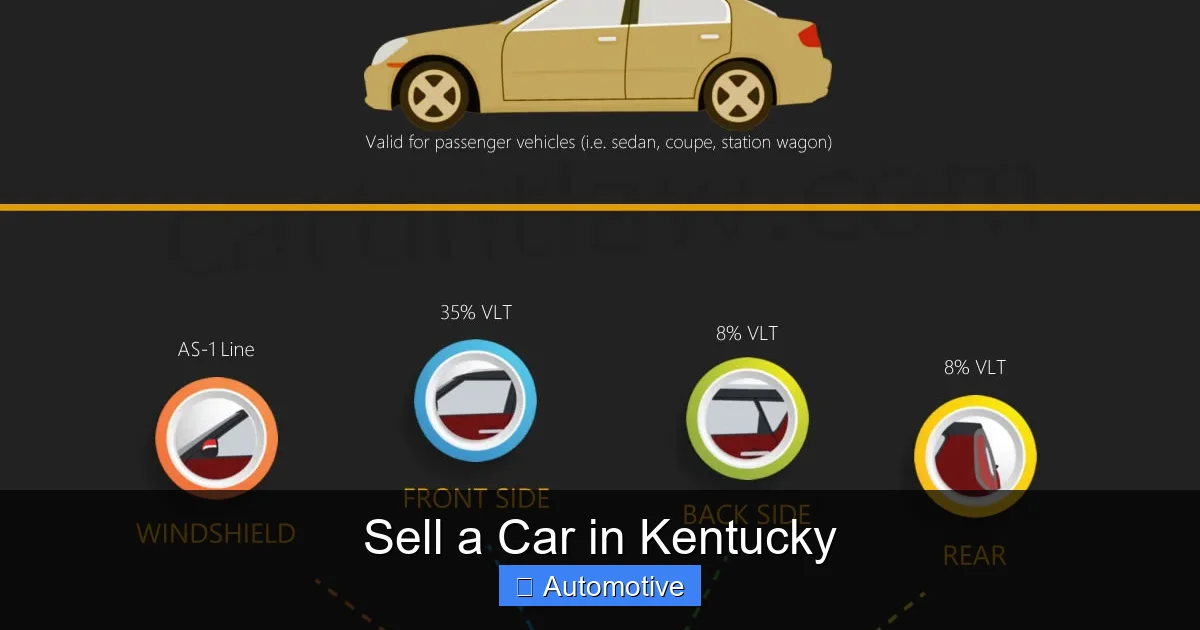
Visual guide about Sell a Car in Kentucky
Image source: img.usedcarsouthafrica.com
One of the biggest mistakes people make when selling a car is pricing it too high or too low. Overpricing can scare off buyers, while underpricing means leaving money on the table. So how do you find that sweet spot?
Use Trusted Valuation Tools
Start by checking your car’s value using reputable online tools. Websites like Kelley Blue Book (KBB), Edmunds, and NADA Guides allow you to enter your vehicle’s make, model, year, mileage, condition, and ZIP code to get an estimated market value. These tools consider local demand, seasonal trends, and regional pricing differences—important factors in a state as diverse as Kentucky.
For example, a 2018 Honda CR-V with 60,000 miles might be worth $18,500 in Lexington but only $17,200 in a smaller town like Murray due to lower demand. Always compare at least two sources to get a balanced view.
Assess Your Car’s Condition Honestly
Be realistic about your car’s condition. Is it in excellent shape with minimal wear? Or does it have scratches, dents, or mechanical issues? Most valuation tools let you select from categories like “Excellent,” “Good,” “Fair,” and “Poor.” Choosing “Good” instead of “Excellent” could drop your car’s value by $1,000 or more—but it also sets accurate expectations for buyers.
If your car needs repairs, consider whether fixing them is worth the investment. A $200 brake job might increase your sale price by $500, making it a smart move. But spending $1,500 on a transmission repair for a car worth $4,000? Probably not.
Factor in Market Demand
Certain vehicles sell faster in Kentucky than others. Trucks and SUVs are especially popular in rural areas and farming communities, while compact cars may move quicker in urban centers like Louisville. If you’re selling a Ford F-150 or a Toyota RAV4, you might get multiple offers quickly. But a luxury sedan with high mileage could take longer.
Keep an eye on local listings on platforms like Facebook Marketplace, Craigslist, and Autotrader to see what similar cars are going for. This gives you real-world data beyond online estimates.
Step 2: Gather the Required Paperwork

Visual guide about Sell a Car in Kentucky
Image source: img.usedcarsouthafrica.com
In Kentucky, selling a car isn’t just about handing over the keys—it’s a legal transaction that requires specific documents. Missing even one can delay the sale or cause problems down the road.
Title Transfer: The Most Important Document
The vehicle title is the legal proof of ownership. To sell your car in Kentucky, you must have a clear title in your name. If your car is financed, the lender holds the title until the loan is paid off. In that case, you’ll need to pay off the loan first or work with the lender to release the title at the time of sale.
Once you have the title, make sure it’s signed correctly. Kentucky requires the seller to sign the back of the title in the designated area. Include the sale price, odometer reading, and date of sale. If you’re selling to a family member, you may still need to complete a Bill of Sale—more on that below.
Complete a Bill of Sale
Kentucky law doesn’t require a Bill of Sale for private vehicle transactions, but it’s highly recommended. The Kentucky Transportation Cabinet (KYTC) provides a free form called TC 94-182, which you can download from their website. This document protects both parties by recording the sale details.
The Bill of Sale should include:
– Seller and buyer names and addresses
– Vehicle identification number (VIN)
– Make, model, year, and color
– Sale price
– Date of sale
– Odometer reading
– Signatures of both parties
Even if it’s not legally required, having this form can prevent disputes later. For example, if the buyer claims they paid more than agreed, the Bill of Sale serves as proof.
Provide Maintenance and Repair Records
While not mandatory, sharing your car’s service history builds trust with buyers. A well-documented record of oil changes, tire rotations, brake work, and major repairs shows that the car has been cared for. This can justify a higher asking price and speed up the sale.
If you don’t have physical records, check with your mechanic or use apps like Carfax or AutoCheck to generate a report. Some buyers will pay extra for a car with a clean history and regular maintenance.
Remove License Plates and Cancel Insurance
After the sale, you must remove your license plates from the vehicle. In Kentucky, license plates stay with the owner, not the car. Keep them for your next vehicle or return them to the KYTC if you’re not replacing the car.
Also, contact your insurance company to cancel or adjust your policy. You’re only required to insure a vehicle you own, so once the sale is complete, you can stop coverage—just make sure the buyer has their own insurance before driving away.
Step 3: Choose the Best Way to Sell Your Car
Visual guide about Sell a Car in Kentucky
Image source: img.usedcarsouthafrica.com
There’s no one-size-fits-all approach to selling a car in Kentucky. Your best option depends on your timeline, how much money you want to make, and how much effort you’re willing to put in.
Private Sale: Maximum Profit, More Work
Selling privately typically yields the highest return. You cut out the middleman and negotiate directly with the buyer. This method works well if you have time, patience, and a car in decent condition.
To sell privately:
– Advertise on platforms like Facebook Marketplace, Craigslist, Autotrader, or Cars.com
– Write a detailed description highlighting features, recent repairs, and why you’re selling
– Include high-quality photos from multiple angles (exterior, interior, engine, tires)
– Be responsive to inquiries and schedule test drives safely
For example, a seller in Lexington listed their 2016 Toyota Camry with 75,000 miles, recent new tires, and a full service history. They priced it at $12,900—slightly above KBB’s “Good” value—and sold it in nine days to a college student looking for reliable transportation.
Trade-In at a Dealership: Convenience Over Cash
Trading in your car at a dealership is fast and hassle-free. You can apply the trade-in value toward a new or used vehicle purchase, and the dealer handles all the paperwork.
However, trade-in offers are usually 10–20% lower than private sale prices. Dealers need to resell the car for a profit, so they lowball offers. Still, if you’re buying another car and want to avoid the stress of selling, this can be a good option.
Tip: Get quotes from multiple dealerships before committing. Some may offer better trade-in values than others, especially during promotional events.
Sell to an Online Car Buyer: Fast and Easy
Companies like CarMax, Carvana, Vroom, and Shift offer instant online quotes and will buy your car directly—often with free pickup. These services are ideal if you need to sell quickly or don’t want to deal with strangers.
The process usually works like this:
1. Enter your car’s details online
2. Receive an instant offer
3. Schedule an inspection (in-person or virtual)
4. Get paid via check or direct deposit
While convenient, these offers are typically lower than private sale prices. For instance, a 2017 Subaru Outback might get a $14,000 offer from Carvana but sell privately for $16,500. But if time is more valuable than money, it’s a solid choice.
Step 4: Prepare Your Car to Attract Buyers
First impressions matter—especially when selling a car. A clean, well-maintained vehicle looks more valuable and trustworthy.
Clean Inside and Out
Start with a thorough wash and wax. Remove dirt, bugs, and water spots from the exterior. Use a clay bar to remove embedded contaminants for a smooth finish.
Inside, vacuum the carpets, wipe down surfaces, and clean the windows. Remove personal items like garage door openers, CDs, and air fresheners. Consider using an odor eliminator if there are lingering smells from pets, smoking, or food.
A simple detail job can cost $50–$150 but can increase your car’s appeal and perceived value. One seller in Bowling Green spent $80 on a professional clean and received three offers within 48 hours—two above asking price.
Fix Minor Issues
You don’t need to rebuild the engine, but addressing small problems can make a big difference. Replace burnt-out light bulbs, fix cracked windshield wipers, and touch up paint chips. These fixes cost little but show buyers the car has been cared for.
If your car has a check engine light on, get it diagnosed. Sometimes it’s a simple fix like a loose gas cap. Ignoring it can scare off buyers or lead to lowball offers.
Take High-Quality Photos
Photos are your car’s first impression online. Use natural light and shoot during the day. Take pictures from multiple angles:
– Front, back, and both sides
– Interior (dashboard, seats, trunk)
– Engine bay
– Tires and wheels
– Any unique features (sunroof, upgraded stereo)
Avoid cluttered backgrounds. A clean driveway or empty parking lot works best. If possible, stage the car—park it neatly, close the doors, and turn off the engine.
Step 5: Safely Complete the Sale
Once you’ve found a buyer, it’s time to finalize the deal—safely and legally.
Meet in a Public Place
Never meet a buyer at your home. Choose a well-lit, public location like a police station parking lot, shopping center, or bank. Many police departments in Kentucky offer “safe exchange zones” with cameras and lighting for this purpose.
Bring a friend or family member with you. Let someone know where you’re going and when you expect to return.
Verify Payment Before Handing Over the Keys
Accept only secure forms of payment. Cash is safest for amounts under $1,000. For larger amounts, use a cashier’s check from a local bank (verify it’s legitimate) or an electronic transfer like Zelle or Venmo.
Avoid personal checks—they can bounce. If the buyer insists on a check, wait for it to clear before releasing the car.
Once payment is confirmed, sign the title and Bill of Sale. Give the buyer the keys, owner’s manual, and any spare parts. Make sure they understand how to operate basic features like the radio or climate control.
Notify the Kentucky Transportation Cabinet
Within 10 days of the sale, you must notify the KYTC that you’ve transferred ownership. You can do this online at the KYTC website or by mailing a completed Form TC 94-182 (the same Bill of Sale). This protects you from liability if the buyer gets a ticket or causes an accident in your name.
Failure to notify the KYTC can result in fines or legal issues. It’s a simple step that takes just a few minutes but is crucial for peace of mind.
Step 6: Avoid Common Pitfalls
Even with the best preparation, mistakes can happen. Here are a few to watch out for:
Don’t Forget to Remove Your Plates
As mentioned earlier, license plates stay with the owner in Kentucky. Leaving them on the car can lead to misuse or confusion. Remove them before the buyer drives away.
Don’t Skip the Odometer Disclosure
Federal law requires you to disclose the vehicle’s mileage at the time of sale. This must be recorded on the title and Bill of Sale. Tampering with the odometer is a serious crime.
Don’t Rush the Paperwork
Take your time filling out the title and Bill of Sale. Mistakes like incorrect VINs or misspelled names can delay registration for the buyer and cause headaches for you. Double-check everything before signing.
Don’t Ignore Red Flags
If a buyer seems overly eager, refuses to meet in person, or asks for unusual payment methods, trust your instincts. Scammers often target private sellers with fake checks, overpayment schemes, or requests to ship the car.
Conclusion: Sell Your Car in Kentucky with Confidence
Selling a car in Kentucky doesn’t have to be stressful. With the right preparation, you can sell your vehicle quickly, safely, and for a fair price. Start by researching your car’s value, gather all necessary documents, and choose the selling method that fits your needs. Clean your car, take great photos, and meet buyers in safe, public places.
Remember, the key to a successful sale is transparency and attention to detail. Whether you’re upgrading to a newer model, downsizing, or just ready for a change, following these steps will help you navigate the process smoothly. And once it’s done, you can enjoy the extra cash—or put it toward your next adventure on Kentucky’s open roads.
Frequently Asked Questions
Do I need a Bill of Sale to sell a car in Kentucky?
While not legally required, a Bill of Sale is highly recommended. It protects both you and the buyer by documenting the sale details, including price, date, and vehicle information. The KYTC provides a free form (TC 94-182) for this purpose.
Can I sell my car if I still owe money on it?
Yes, but you must pay off the loan first or arrange for the lender to release the title at the time of sale. The buyer may need to pay the lender directly, or you can use the sale proceeds to settle the debt before transferring ownership.
How long do I have to notify the KYTC after selling my car?
You must notify the Kentucky Transportation Cabinet within 10 days of the sale. This can be done online or by mailing a completed Bill of Sale (Form TC 94-182). Failing to do so may result in fines or liability for the buyer’s actions.
What happens to my license plates after I sell my car?
In Kentucky, license plates remain with the owner, not the vehicle. You must remove them before the buyer drives away. You can use them on your next vehicle or return them to the KYTC if you’re not replacing the car.
Can I sell my car to a family member in Kentucky?
Yes, you can sell your car to a family member. The process is the same as a private sale—transfer the title, complete a Bill of Sale, and notify the KYTC. Some family transfers may qualify for reduced sales tax, so check with the KYTC for details.
What if the buyer doesn’t register the car after I sell it?
Once you’ve notified the KYTC and transferred the title, your liability ends. However, it’s a good idea to keep a copy of the Bill of Sale and confirmation of notification in case the buyer delays registration. This protects you from future legal issues.