Pulsar 150 Disc Brake Oil Tank Price

The Pulsar 150 disc brake oil tank price can range from approximately $5 to $25, depending on the brand, quality, and where you purchase it. Finding the right one ensures your motorcycle’s braking system performs optimally and safely.
In This Article
- 1 Key Takeaways
- 2 Understanding the Pulsar 150 Disc Brake Oil Tank
- 3 Where to Find Your Pulsar 150 Disc Brake Oil Tank
- 4 Factors Affecting the Pulsar 150 Front Brake Fluid Reservoir Price
- 5 Pulsar 150 Disc Brake Fluid Reservoir Price Comparison Table
- 6 When to Replace Your Pulsar 150 Brake Fluid Reservoir
- 7 How to Inspect Your Pulsar 150 Brake Fluid Level
- 8 The Importance of Brake Fluid for Your Pulsar 150
- 9 DIY: Replacing the Pulsar 150 Disc Brake Oil Tank
- 10 Frequently Asked Questions (FAQs)
- 10.1 Q1: What is the typical Pulsar 150 disc brake oil tank price?
- 10.2 Q2: Do I need a specific type of brake fluid for my Pulsar 150?
- 10.3 Q3: How often should I check my brake fluid level?
- 10.4 Q4: Can I just add brake fluid if the level is low?
- 10.5 Q5: Is it okay to use a used brake fluid reservoir?
- 10.6 Q6: What are the signs that my brake fluid reservoir needs replacement?
- 10.7 Q7: Where can I buy genuine Pulsar 150 spare parts?
- 11 Conclusion
Key Takeaways
- Find Pulsar 150 disc brake oil tanks between $5 and $25.
- Check for compatible models to ensure a correct fit.
- Consider genuine parts for best performance and longevity.
- Learn how to inspect your current brake fluid reservoir.
- Understand the importance of brake fluid for safety.
Your Bajaj Pulsar 150 is a fantastic machine, and keeping its components in top shape is crucial for a smooth and safe ride. One often-overlooked but vital part is the disc brake oil tank, also known as the brake fluid reservoir. Knowing the Pulsar 150 disc brake oil tank price is just the first step in ensuring your braking system works reliably. This small component holds the lifeblood of your brakes – the brake fluid. If it’s damaged or leaking, your braking power can be compromised, which is a serious safety concern. We’ll guide you through understanding its price, where to find it, and why it matters for your motorcycle’s performance.
Understanding the Pulsar 150 Disc Brake Oil Tank
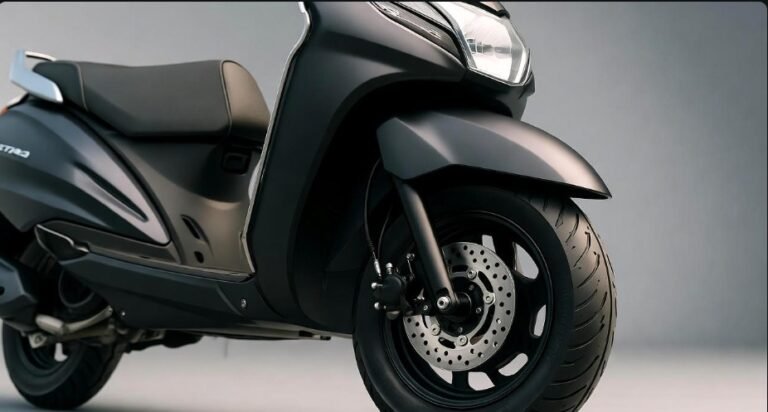
The disc brake oil tank on your Pulsar 150 serves a critical function. It’s a small container, typically made of durable plastic, that houses the brake fluid. This fluid is essential for transmitting the force from your brake lever to the brake calipers, which then squeeze the brake pads against the rotor to slow down or stop the motorcycle. The tank itself usually has a transparent or translucent section to allow for easy visual inspection of the brake fluid level.
When you engage the brakes, fluid is pushed from the reservoir through the brake lines. As the brake pads wear down over time, the level of brake fluid in the reservoir will naturally decrease slightly. However, a significant drop in fluid level often indicates a leak, which could be from the reservoir itself, the brake lines, or the calipers. It’s important to maintain the brake fluid at the recommended level to ensure consistent and effective braking.
The Pulsar 150 disc brake oil tank price can vary based on several factors:
- Brand: Genuine Bajaj parts tend to be more expensive than aftermarket alternatives.
- Quality: Higher-quality plastics and designs might cost a bit more but offer better durability.
- Retailer: Prices can differ between online stores, local motorcycle parts shops, and authorized service centers.
- Location: Shipping costs and local market demand can influence the final price.
For the Pulsar 150 disc brake oil tank price, you can expect to find it ranging anywhere from about $5 for a basic aftermarket option to around $25 for a genuine Bajaj part. Understanding these variations helps you make an informed decision when it comes time to replace this component.
Where to Find Your Pulsar 150 Disc Brake Oil Tank
Locating a replacement Pulsar 150 disc brake oil tank is usually straightforward. Here are the most common places to look:
Online Retailers
Online platforms are a treasure trove for motorcycle parts. Websites like Amazon, eBay, and specialized motorcycle parts e-commerce stores often carry a wide variety of both genuine and aftermarket brake fluid reservoirs for the Pulsar 150. Searching with specific terms like “Pulsar 150 front brake fluid reservoir” or “Bajaj Pulsar 150 brake master cylinder cap” (as sometimes the tank is integrated or sold with the master cylinder components) will yield many results. You can easily compare prices from different sellers and read customer reviews to gauge product quality.
When buying online, always double-check the product description to ensure it explicitly states compatibility with your specific Pulsar 150 model year. Look for clear images of the part to compare it with your existing one.
Local Motorcycle Parts Shops
Your local independent motorcycle parts shop is another excellent resource. The staff there are often knowledgeable about different bike models and can help you find the correct part. They might have the Pulsar 150 disc brake oil tank in stock or be able to order it for you. Buying locally can sometimes offer quicker access to the part and the benefit of expert advice.
Authorized Bajaj Service Centers
For those who prefer genuine parts and professional installation, authorized Bajaj service centers are the best option. While potentially the most expensive route, you are guaranteed to receive a genuine Bajaj part designed specifically for your Pulsar 150. This ensures the highest level of quality, fit, and performance, and often comes with a warranty, giving you peace of mind.
Aftermarket Parts Suppliers
Beyond the main online marketplaces, dedicated aftermarket parts suppliers focus on providing a wide range of components for various motorcycle brands. These can be a good source for finding more affordable alternatives to genuine parts, often with good quality if you choose a reputable brand.
Factors Affecting the Pulsar 150 Front Brake Fluid Reservoir Price
The price you’ll pay for a Pulsar 150 front brake fluid reservoir isn’t arbitrary. Several factors contribute to the final cost, which is why you might see a range of prices. Understanding these factors can help you make a more informed purchase, balancing cost with quality and reliability.
Genuine vs. Aftermarket Parts
Genuine Bajaj Parts: These are manufactured by or for Bajaj Auto. They are designed to meet the exact specifications of your Pulsar 150, ensuring perfect fit and optimal performance. Because of this precision engineering and brand assurance, genuine parts typically command a higher price. The Pulsar 150 disc brake oil tank price for a genuine part will likely be at the higher end of the spectrum.
Aftermarket Parts: These are made by third-party manufacturers. They can be significantly cheaper than genuine parts. While many aftermarket parts are of good quality, there can be a wide variation. Some aftermarket reservoirs might be made from less durable plastic or have slight design differences that could affect installation or long-term reliability. However, reputable aftermarket brands often offer a good balance of cost and performance.
Material and Build Quality
The material used for the brake fluid reservoir plays a role. Most are made from high-impact plastic. However, the specific type of plastic, its UV resistance, and its ability to withstand brake fluid (which can be corrosive to some materials) influence its price. A reservoir made from a thicker, more robust plastic with UV inhibitors and excellent chemical resistance will generally cost more.
Brand Reputation
Just like with any product, some brands have built a reputation for producing reliable motorcycle parts. These brands often charge a premium for their name and the perceived quality assurance that comes with it. Lesser-known or unbranded parts are usually cheaper but carry a higher risk of being of lower quality.
Inclusion of Associated Parts
Sometimes, the “brake oil tank” might be sold as part of a larger assembly, such as the brake master cylinder unit. If the price seems high, check if it includes the master cylinder, lever, or other components. Conversely, a very low price might indicate you are only getting the plastic tank itself or just the cap, requiring you to reuse your old master cylinder components.
Where You Purchase It
As mentioned earlier, the retail channel significantly impacts the price. Authorized service centers will typically charge the most, but this includes the assurance of genuine parts and professional service. Online marketplaces can offer competitive prices due to lower overheads. Local physical stores might have prices that fall somewhere in between.
Pulsar 150 Disc Brake Fluid Reservoir Price Comparison Table
To give you a clearer picture of what to expect, here’s a comparative table showing estimated prices for a Pulsar 150 disc brake oil tank. Remember, these are approximate figures and can vary based on the factors mentioned above and your specific location in the USA.
| Part Type | Estimated Price Range (USD) | Typical Availability | Pros | Cons |
|---|---|---|---|---|
| Genuine Bajaj Part | $15 – $25 | Authorized Bajaj Service Centers, Select Online Stores | Perfect fit, high quality, guaranteed compatibility, warranty. | Most expensive option. |
| Reputable Aftermarket Brand | $8 – $18 | Online Retailers, Motorcycle Parts Shops | Good quality, often cost-effective, wide selection. | May require careful selection to ensure quality; fit may vary slightly. |
| Basic/Economy Aftermarket | $5 – $10 | Online Marketplaces (eBay, Amazon), Smaller Shops | Most affordable option. | Potentially lower durability, variable fit, might not last as long. |
| Brake Master Cylinder Assembly (includes reservoir) | $20 – $50+ | Online Retailers, Authorized Service Centers | Complete unit replacement; convenient if master cylinder is also faulty. | More expensive; might be overkill if only the reservoir is needed. |
When budgeting for your Pulsar 150 disc brake oil tank price, consider not just the initial cost but also the expected lifespan and the importance of reliable braking. For safety-critical components like brakes, sometimes paying a little more for a genuine or reputable aftermarket part is a wise investment.
When to Replace Your Pulsar 150 Brake Fluid Reservoir
The brake fluid reservoir is generally quite durable, but it’s not immune to damage or wear. Here are the common scenarios that necessitate its replacement:
Cracks or Leaks
The most common reason for replacement is damage that causes leaks. If you notice a significant drop in brake fluid level, or if you see fluid weeping from the reservoir itself, it needs to be replaced immediately. Even small cracks can worsen over time and lead to a sudden loss of brake fluid and, consequently, brake function. Look for any visible signs of damage, especially around the mounting points and seals.
Degradation of Material
Over time, exposure to sunlight (UV radiation) and constant contact with brake fluid can degrade the plastic. The reservoir might become brittle, discolored, or develop small stress fractures. While this is a slower process than impact damage, a brittle reservoir is more prone to breaking unexpectedly.
Corrosion or Buildup
Although less common for plastic reservoirs, internal buildup or corrosion can occur if the brake fluid has not been changed according to the manufacturer’s recommendations. Old brake fluid can absorb moisture, leading to internal corrosion of metal brake components, and sometimes this contamination can affect the reservoir. Flushing and refilling the brake fluid regularly, as recommended by Bajaj, helps prevent this.
Damage During Maintenance or Repair
Sometimes, components can be accidentally damaged during other maintenance tasks, like replacing brake levers, cables, or performing work on the handlebars. If the reservoir is accidentally dropped, stressed, or improperly handled, it might crack or break.
How to Inspect Your Pulsar 150 Brake Fluid Level
Regularly checking your brake fluid level is a simple yet crucial maintenance task. It’s an easy way to spot potential problems early. Here’s how to do it:
- Park Your Motorcycle: Ensure your Pulsar 150 is on a level surface. This is essential for an accurate fluid level reading.
- Locate the Reservoir: On the Pulsar 150, the front brake fluid reservoir is typically integrated into the master cylinder assembly on the right side of the handlebar. It’s usually a small, semi-transparent or opaque plastic container.
- Visual Inspection: Look for the “MIN” and “MAX” or “LOWER” and “UPPER” level markers on the side of the reservoir. The brake fluid level should be between these two marks.
- Clean the Area: If the reservoir is dirty, gently wipe it clean with a soft cloth. Avoid using harsh solvents that could damage the plastic.
- Check for Leaks: While you’re inspecting, look closely at the reservoir, the master cylinder, and the brake lines connected to it for any signs of fluid leakage. Check for wet spots, discoloration, or hardened residue.
Pro Tip: If the brake fluid level is consistently low, it’s a strong indicator of a leak somewhere in the braking system. Do not simply top off the fluid; have the system inspected by a qualified mechanic immediately to identify and repair the leak.
The Importance of Brake Fluid for Your Pulsar 150
Brake fluid is more than just a liquid; it’s the hydraulic medium that allows your brakes to function. Its properties are vital for safe operation:
- Incompressibility: When you squeeze the brake lever, the fluid is pushed through the lines. It must be virtually incompressible to transmit that force effectively and instantly to the brake calipers.
- High Boiling Point: Braking generates significant heat. If brake fluid has a low boiling point, it can boil under heavy braking, creating vapor bubbles. Vapor is compressible, leading to a spongy brake lever and drastically reduced braking power – a dangerous situation known as “brake fade.”
- Corrosion Prevention: Brake fluid contains additives that protect the metal components of the brake system (like the master cylinder, brake lines, and calipers) from corrosion.
- Lubrication: It also helps to lubricate moving parts within the master cylinder and calipers.
Brake fluid is hygroscopic, meaning it absorbs moisture from the atmosphere over time. Absorbed water lowers the boiling point of the fluid and can accelerate corrosion within the brake system. This is why regular brake fluid changes are essential. Bajaj typically recommends changing the brake fluid every two years, or as specified in your owner’s manual. You can find more information on brake fluid types and maintenance on the National Highway Traffic Safety Administration (NHTSA) website.
DIY: Replacing the Pulsar 150 Disc Brake Oil Tank
While replacing the brake fluid reservoir might seem daunting, it’s a manageable DIY job for those with some mechanical inclination. However, remember that the braking system is critical for your safety. If you’re not comfortable, it’s best to have a professional do it.
Tools and Materials You’ll Need:
- New Pulsar 150 disc brake oil tank (ensure it’s compatible)
- New brake fluid (DOT 3 or DOT 4, as per your owner’s manual recommendation)
- Wrench set (for bolts securing the master cylinder or reservoir)
- Screwdriver set (flathead and Phillips)
- Clean rags or shop towels
- Brake fluid syringe or a dedicated brake bleeding kit (optional, but highly recommended)
- Gloves (brake fluid can damage skin and paint)
- Safety glasses
- Container for old brake fluid
- Pliers (for hose clamps if present)
Step-by-Step Replacement Guide:
- Safety First: Park your motorcycle on a level surface and wear gloves and safety glasses. Brake fluid is corrosive and can damage paint, so protect surrounding areas with rags.
- Access the Reservoir: Locate the front brake master cylinder assembly on your right handlebar. You might need to remove a plastic cover or unbolt the master cylinder slightly to gain access to the reservoir.
- Drain Old Fluid: If there’s fluid in the reservoir, carefully use a syringe to remove as much as possible into a waste container.
- Remove the Old Reservoir: The reservoir is usually attached to the master cylinder body with small bolts on its base or sides. Unscrew these bolts and carefully detach the old reservoir. If it’s connected by a small hose, gently disconnect it, noting its position.
- Clean the Area: Wipe down the mounting area on the master cylinder and any associated hoses or lines to prepare for the new reservoir.
- Install the New Reservoir: Position the new reservoir and secure it with the bolts. Ensure it is oriented correctly and that any connecting hose is reattached securely.
- Fill with New Fluid: Open the new brake fluid container (brake fluid degrades once opened, so use fresh fluid). Using a clean syringe or the opening in the reservoir, slowly fill the new tank with the recommended brake fluid up to the “MAX” line.
- Bleed the Brakes: This is a crucial step. Air in the brake lines will make your brakes spongy and ineffective.
- Locate the bleed nipple on the front brake caliper.
- _If using a syringe:_ Attach a clear tube from the syringe to the bleed nipple.
- _If using a brake bleeder kit:_ Connect it according to the kit’s instructions.
- Open the bleed nipple slightly (usually a quarter-turn with a wrench).
- Simultaneously squeeze the brake lever gently and continuously.
- Watch for air bubbles escaping through the fluid. Keep the master cylinder reservoir topped up to prevent more air from entering the system.
- Close the bleed nipple while the brake lever is still held in.
- Release the brake lever slowly.
- Repeat this process until no more air bubbles are visible and the brake lever feels firm and responsive.
- Final Check: Once bled, ensure the brake fluid level is at the “MAX” mark. Reassemble any covers or components you removed.
- Test Ride: Take a short, slow test ride in a safe area. Test the brakes gently at first, then with increasing pressure. Ensure they respond firmly and bring the motorcycle to a stop effectively.
Dispose of old brake fluid responsibly. Never pour it down drains or onto the ground. Contact your local hazardous waste disposal facility for guidance.
Frequently Asked Questions (FAQs)
Q1: What is the typical Pulsar 150 disc brake oil tank price?
A1: The Pulsar 150 disc brake oil tank price generally ranges from $5 to $25, depending on whether it’s a genuine Bajaj part or an aftermarket option, its quality, and where you buy it.
Q2: Do I need a specific type of brake fluid for my Pulsar 150?
A2: Your Pulsar 150 likely requires DOT 3 or DOT 4 brake fluid. Always consult your owner’s manual for the exact specification recommended by Bajaj.
Q3: How often should I check my brake fluid level?
A3: It’s recommended to check your brake fluid level at least once a month, or before any long rides. Regular visual checks help catch potential issues early.
Q4: Can I just add brake fluid if the level is low?
A4: If the level is low, it usually indicates a leak or worn brake pads. While topping it up might temporarily fix the level, it’s crucial to find and fix the underlying cause to ensure safe braking.
Q5: Is it okay to use a used brake fluid reservoir?
A5: It’s generally not recommended to use a used reservoir due to potential hidden damage, cracks, or material degradation that could compromise its integrity and lead to leaks later.
Q6: What are the signs that my brake fluid reservoir needs replacement?
A6: Signs include visible cracks, leaks, severe discoloration or brittleness of the plastic, or if it’s damaged during other maintenance work.
Q7: Where can I buy genuine Pulsar 150 spare parts?
A7: Genuine parts are best purchased from authorized Bajaj service centers. Some authorized dealers may also sell parts directly, and select reputable online stores might list genuine parts.
Conclusion
Maintaining your Pulsar 150 involves paying attention to every detail, and the disc brake oil tank is no exception. Understanding the Pulsar 150 disc brake oil tank price, knowing where to source a replacement, and recognizing when it needs attention are all vital for keeping your motorcycle safe and performing at its best. Whether you opt for a genuine Bajaj part or a quality aftermarket alternative, ensuring the integrity of your braking system is paramount. Regular checks and timely replacements of components like the brake fluid reservoir, coupled with proper brake fluid maintenance, will provide you with the confidence and control you need on every ride.