Powerful Jump Starter
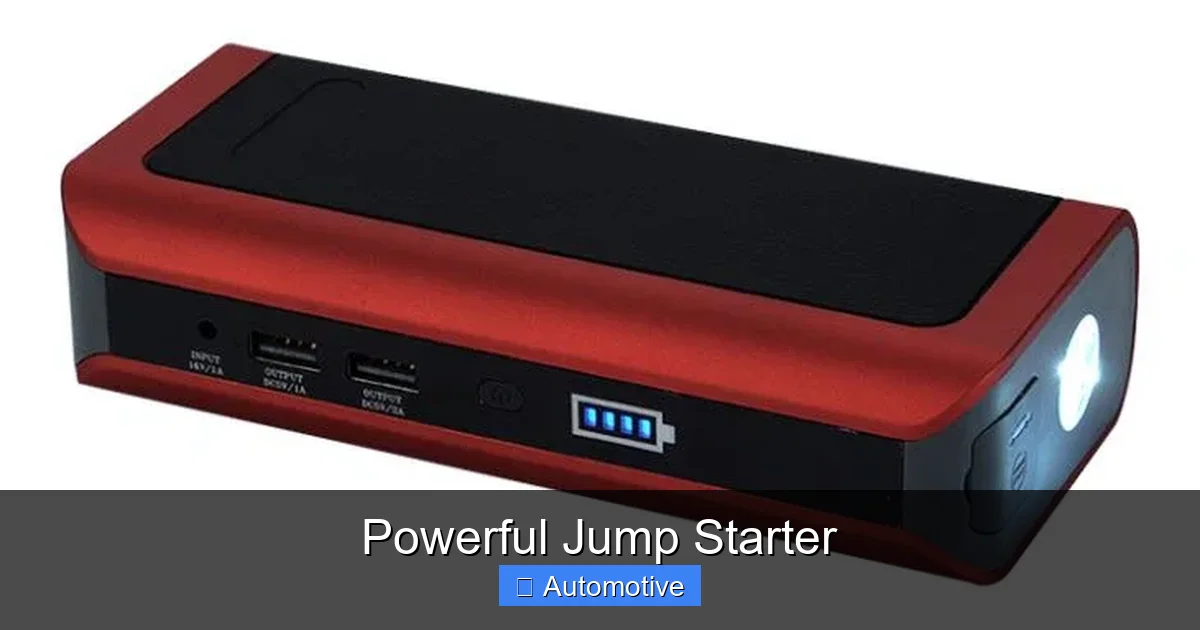
A powerful jump starter is a must-have tool for every driver, offering peace of mind during unexpected battery failures. These portable devices can jump-start cars, trucks, motorcycles, and even boats without needing another vehicle, making them ideal for emergencies, road trips, or daily commutes.
In This Article
- 1 Key Takeaways
- 2 📑 Table of Contents
- 3 What Is a Powerful Jump Starter?
- 4 Key Features of a Powerful Jump Starter
- 5 How to Choose the Right Powerful Jump Starter
- 6 How to Use a Powerful Jump Starter Safely
- 7 Top Powerful Jump Starters on the Market
- 8 Maintenance and Care Tips
- 9 Conclusion
- 10 Frequently Asked Questions
- 10.1 How long does a powerful jump starter last on a single charge?
- 10.2 Can a jump starter damage my car’s electronics?
- 10.3 Will a jump starter work on a completely dead battery?
- 10.4 Can I use a jump starter in the rain?
- 10.5 How many times can a jump starter be used before recharging?
- 10.6 Is a powerful jump starter worth the cost?
Key Takeaways
- Instant Power on Demand: A powerful jump starter delivers high cranking amps to revive dead batteries in seconds, eliminating the need for jumper cables or a second vehicle.
- Compact and Portable: Most models are lightweight and pocket-sized, fitting easily in your glove compartment or trunk for on-the-go use.
- Multi-Function Capabilities: Beyond jump-starting, many units include USB ports, LED flashlights, and even air compressors for added convenience.
- Safe and User-Friendly: Advanced safety features like reverse polarity protection, spark-proof technology, and overload prevention ensure safe operation for all users.
- Works in Extreme Conditions: Designed to perform in cold winters and hot summers, a reliable jump starter functions reliably in temperatures from -20°F to 140°F.
- Cost-Effective Emergency Solution: Avoid costly tow truck fees and roadside assistance calls by handling battery issues yourself with a one-time investment.
- Rechargeable and Long-Lasting: Lithium-ion batteries hold their charge for months, and most units can be recharged via USB or car adapter.
📑 Table of Contents
What Is a Powerful Jump Starter?
A powerful jump starter is a portable electronic device designed to restart a vehicle with a dead or weak battery. Unlike traditional jumper cables that require a second running vehicle, a jump starter contains its own internal battery—usually lithium-ion—that delivers a high burst of power directly to your car’s battery terminals. This allows you to get your engine running again in minutes, no assistance needed.
Think of it as a personal roadside rescue kit you can carry in your glove box. Whether you’re stuck in a parking lot, on a remote highway, or in your own driveway, a powerful jump starter gives you independence and confidence. Modern versions are smarter, safer, and more compact than ever, packing enough punch to start everything from compact sedans to full-size trucks and even diesel engines.
How Does It Work?
Jump starters work by storing electrical energy in their internal battery and releasing it in a controlled surge when connected to your vehicle’s battery. When your car won’t start, it’s usually because the battery lacks the necessary voltage to turn the starter motor. The jump starter steps in to provide that missing power.
Here’s a simple breakdown:
- You connect the jump starter’s clamps to your car battery (red to positive, black to negative).
- The device detects the connection and, if equipped with smart technology, verifies correct polarity.
- Once safe, it sends a high-current charge to the battery, giving the engine enough power to crank and start.
- After the engine is running, you disconnect the clamps and store the unit for next time.
It’s fast, straightforward, and doesn’t require any mechanical expertise.
Why You Need One in Your Vehicle
Dead batteries are one of the most common reasons drivers get stranded. According to AAA, battery-related issues account for millions of roadside assistance calls each year. And while you might think it won’t happen to you, extreme temperatures, leaving lights on, or an aging battery can strike at any time.
Imagine this: It’s a freezing winter morning, and you’re already running late for work. You turn the key—nothing. No crank, no sound. Your phone battery is low, and the nearest gas station is half a mile away. With a powerful jump starter in your car, you can solve the problem in under five minutes. No waiting for help. No stress. Just pop the hood, connect the clamps, and get going.
Even if you’re not prone to emergencies, having a jump starter is like carrying a spare tire for your battery. It’s a small investment that pays off big when you need it most.
Key Features of a Powerful Jump Starter
Not all jump starters are created equal. To get the best performance and reliability, look for models with these essential features. A truly powerful jump starter doesn’t just deliver high amps—it also prioritizes safety, convenience, and durability.
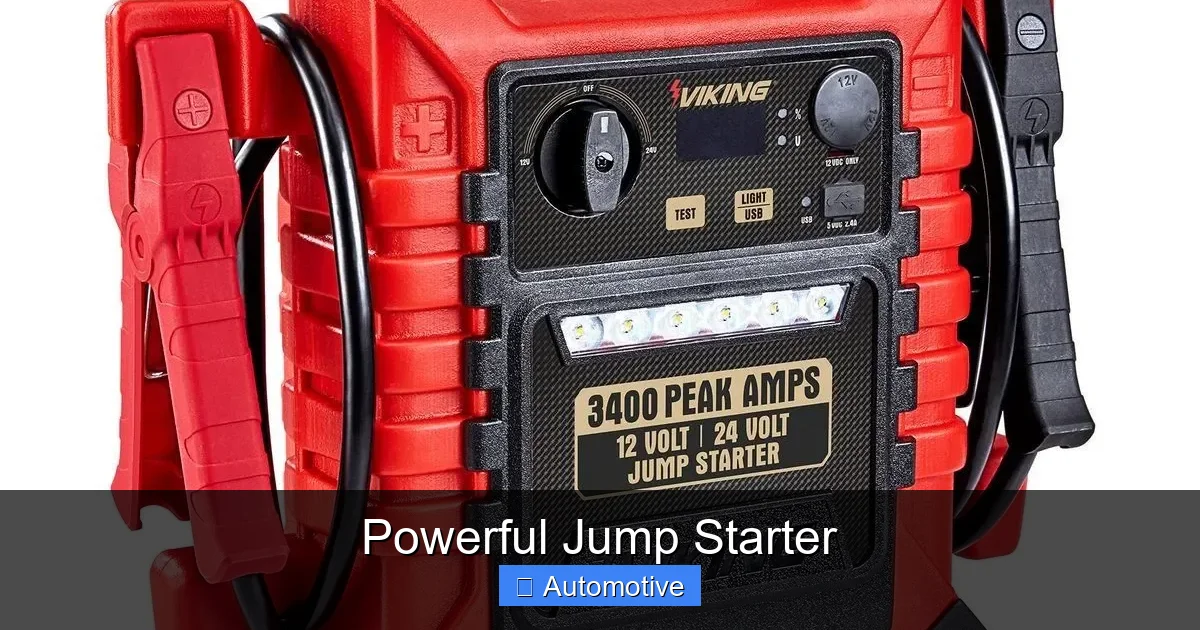
Visual guide about Powerful Jump Starter
Image source: harborfreight.com
High Cranking Amps (CA) and Peak Amps
The most important specification is the cranking amps (CA) and peak amps. Cranking amps measure how much power the unit can deliver at 32°F (0°C), while peak amps refer to the maximum burst it can produce for a short time. For most cars, a jump starter with 600–1000 peak amps is sufficient. Larger vehicles like trucks or SUVs may need 1500–3000 peak amps.
For example, the NOCO Boost Plus GB40 delivers 1000 peak amps and can jump-start cars, motorcycles, and even small boats. It’s compact but powerful enough to handle a V6 engine with ease. On the other hand, the DBPower 2000A is built for heavy-duty use, capable of starting diesel trucks and commercial vehicles.
Lithium-Ion Battery Technology
Modern jump starters use lithium-ion batteries because they’re lightweight, recharge quickly, and hold their charge longer than older lead-acid models. A lithium-ion jump starter can retain up to 80% of its charge after six months of storage, making it reliable even if you haven’t used it in a while.
Plus, lithium-ion batteries are more environmentally friendly and don’t suffer from the “memory effect” that older battery types do. This means you can recharge them at any time without reducing their lifespan.
Safety Protections
Safety should always come first. A powerful jump starter should include multiple protection features to prevent damage to your vehicle or injury to you. Look for:
- Reverse Polarity Protection: Alerts you if the clamps are connected incorrectly.
- Spark-Proof Technology: Prevents sparks when connecting or disconnecting clamps.
- Overload and Short-Circuit Protection: Automatically shuts off if there’s a power surge or fault.
- Overheating Protection: Shuts down the unit if it gets too hot during use.
These features are especially important for first-time users or in high-stress situations. You don’t want to worry about frying your car’s electronics while trying to get it started.
Multi-Function Design
The best jump starters do more than just start your car. Many come with built-in USB ports so you can charge your phone, tablet, or GPS device. Some even include LED flashlights with multiple modes—steady, strobe, and SOS—perfect for nighttime emergencies or roadside visibility.
For example, the Anker Roav Jump Starter includes a bright LED light that doubles as a flashlight and emergency beacon. It also has two USB-A ports and a USB-C port, making it a versatile power hub for long trips.
Some advanced models even include a built-in air compressor to inflate tires, which is a huge bonus if you get a flat. The GOOLOO GP4000, for instance, combines a 4000-amp jump starter with a 150 PSI tire inflator—two tools in one compact unit.
Compact and Durable Build
A powerful jump starter should be easy to store and tough enough to handle real-world conditions. Most high-quality models are housed in rugged, impact-resistant casings that protect the internal components from drops, dust, and moisture.
Size matters too. A good jump starter should fit in your glove box, center console, or under a seat. The Clore Automotive JNC660, while slightly larger, is built like a tank and can handle extreme use. But for everyday drivers, something like the Schumacher DSR120 offers a great balance of power and portability.
How to Choose the Right Powerful Jump Starter
With so many options on the market, picking the right jump starter can feel overwhelming. But by focusing on your specific needs, you can find the perfect match. Here’s how to narrow it down.
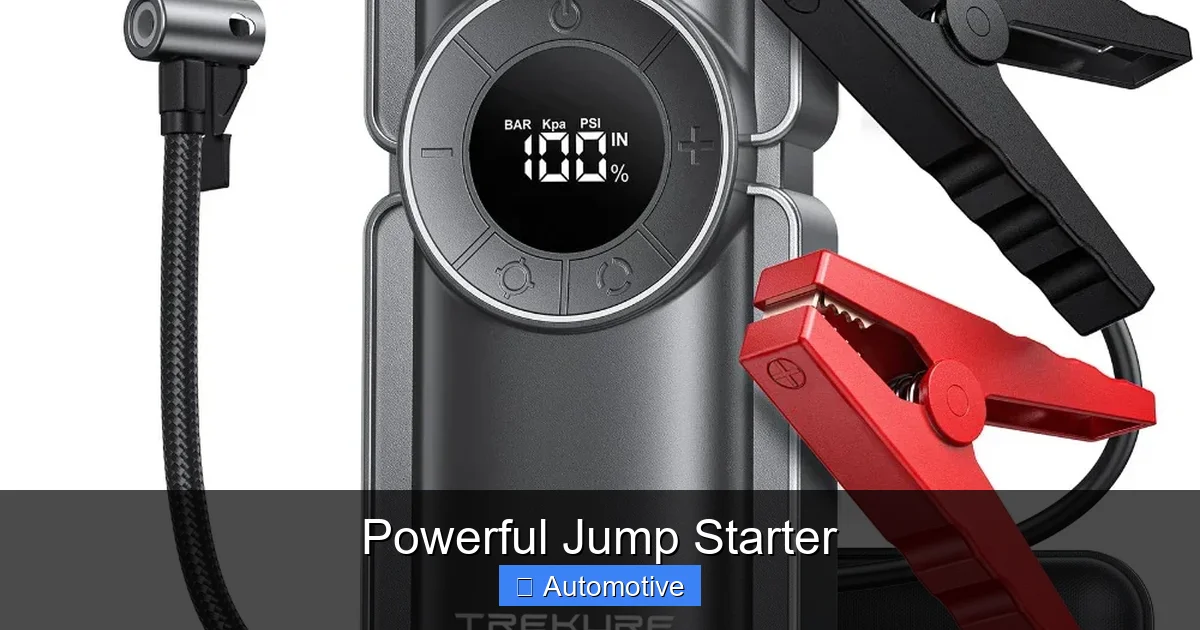
Visual guide about Powerful Jump Starter
Image source: trekure.com
Match the Power to Your Vehicle
Start by considering the size and type of vehicle you drive. A compact car like a Honda Civic or Toyota Corolla typically needs 400–600 peak amps. A midsize SUV or pickup truck might require 1000–1500 peak amps. For large diesel trucks or commercial vehicles, look for models with 2000+ peak amps.
Check your owner’s manual for your battery’s cold cranking amps (CCA) rating. Your jump starter should have at least 1.5 times that number in peak amps to ensure reliable performance.
Consider Your Climate
If you live in a cold climate, cold weather performance is critical. Batteries lose power in freezing temperatures, so you need a jump starter that can deliver strong cranking power even at -20°F. Look for models specifically rated for cold weather use.
The NOCO Boost HD GB70, for example, is rated to start vehicles in temperatures as low as -22°F. It’s a favorite among drivers in northern states and Canada.
Evaluate Battery Capacity and Recharge Time
Battery capacity is measured in milliampere-hours (mAh). A higher mAh rating means the unit can hold more charge and potentially jump-start more vehicles on a single charge. For most users, 10,000–18,000 mAh is sufficient.
Also, check how long it takes to recharge the jump starter. Most lithium-ion models recharge in 3–5 hours via USB or wall adapter. Some even support fast charging, which can cut that time in half.
Check for Warranty and Customer Support
A good warranty is a sign of a manufacturer’s confidence in their product. Look for at least a 1–2 year warranty. Brands like NOCO, Anker, and DBPower often offer excellent customer support and easy returns if something goes wrong.
Read Real User Reviews
Before buying, read reviews from verified purchasers. Pay attention to comments about reliability, ease of use, and performance in real-world scenarios. A jump starter might look great on paper, but if it fails when you need it most, it’s not worth the money.
How to Use a Powerful Jump Starter Safely
Using a jump starter is simple, but safety should always come first. Follow these steps to ensure a smooth and safe jump-start every time.
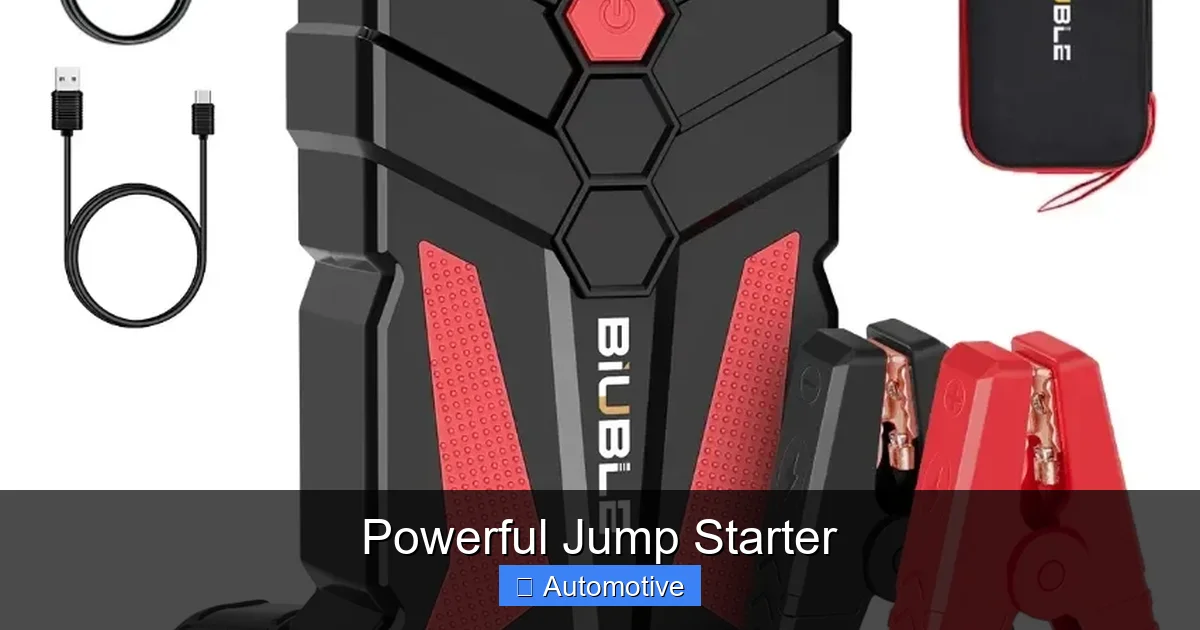
Visual guide about Powerful Jump Starter
Image source: docerp.s3.amazonaws.com
Step-by-Step Guide
- Turn off the ignition and all electronics. Make sure the car is in park (or neutral for manual transmissions) and the key is removed.
- Open the hood and locate the battery. Identify the positive (+) and negative (-) terminals. Clean any corrosion with a wire brush if necessary.
- Connect the red clamp to the positive terminal. Ensure a solid, metal-to-metal connection.
- Connect the black clamp to the negative terminal or a grounded metal part. Avoid connecting directly to the negative terminal if possible—use the engine block or a designated grounding point.
- Power on the jump starter. Some models turn on automatically when connected; others have a power button.
- Wait 30–60 seconds for the unit to charge the battery. This gives the battery time to accept the charge.
- Attempt to start the engine. If it doesn’t start immediately, wait another minute and try again. Do not crank for more than 10 seconds at a time.
- Once the engine is running, disconnect the clamps in reverse order. Remove black first, then red.
- Keep the engine running for at least 15–20 minutes. This allows the alternator to recharge the battery.
Safety Tips
- Never connect the clamps in reverse—red to negative, black to positive. This can cause sparks, damage electronics, or even explode the battery.
- Do not use a damaged jump starter. Check for cracks, leaks, or swollen batteries before each use.
- Keep the unit away from water, heat sources, and flammable materials.
- Store in a cool, dry place. Avoid leaving it in a hot car, as extreme heat can degrade the battery.
- If the jump starter doesn’t work after two attempts, there may be a deeper issue—like a bad alternator or completely dead battery—that requires professional help.
Top Powerful Jump Starters on the Market
To help you make an informed decision, here are some of the best powerful jump starters available today, based on performance, safety, and user feedback.
NOCO Boost Plus GB40
A favorite among drivers, the GB40 delivers 1000 peak amps and can jump-start cars, motorcycles, and boats. It’s compact, weighs just 2.4 pounds, and includes a built-in flashlight with SOS mode. It also has ultra-safe technology with spark-proof clamps and reverse polarity protection.
DBPower 2000A Jump Starter
Built for heavy-duty use, this model offers 2000 peak amps and can start large trucks and diesel engines. It includes two USB ports, a bright LED light, and a digital display that shows battery level. It’s a bit bulkier but ideal for commercial drivers or off-road enthusiasts.
Anker Roav Jump Starter 1000A
Known for its reliability, Anker’s jump starter combines 1000 peak amps with a sleek design. It features a powerful LED flashlight, dual USB ports, and fast recharging via USB-C. It’s also backed by Anker’s excellent customer service and 18-month warranty.
GOOLOO GP4000
This all-in-one unit packs 4000 peak amps and includes a built-in air compressor. It’s perfect for drivers who want a multi-tool solution. The compressor can inflate tires up to 150 PSI, and the jump starter can handle most vehicles, including large SUVs and trucks.
Schumacher DSR120
A budget-friendly option with 1200 peak amps, the DSR120 is great for everyday use. It’s simple to operate, includes a built-in flashlight, and has a durable casing. It’s a solid choice for drivers who want reliability without breaking the bank.
Maintenance and Care Tips
To keep your jump starter in top condition, follow these simple maintenance tips.
Recharge Regularly
Even if you don’t use it, recharge your jump starter every 3–6 months. Lithium-ion batteries slowly lose charge over time, and a fully depleted unit won’t be ready when you need it.
Clean the Clamps and Ports
Wipe the clamps with a dry cloth to remove dirt and corrosion. Use a cotton swab and rubbing alcohol to clean USB ports and charging inputs.
Store Properly
Keep the unit in a cool, dry place. Avoid extreme temperatures—don’t leave it in a hot car or freezing garage for long periods. Use the included storage case if available.
Test It Occasionally
Once a year, test your jump starter by connecting it to a working battery. This ensures it powers on and holds a charge. It’s better to find out it’s faulty at home than on the side of the road.
Conclusion
A powerful jump starter is more than just a convenience—it’s a smart investment in your safety and independence. Whether you’re commuting to work, taking a road trip, or just want peace of mind, having one in your vehicle means you’re never truly stranded. With advancements in lithium-ion technology, safety features, and multi-function design, today’s jump starters are more capable and user-friendly than ever.
From compact models that fit in your glove box to heavy-duty units that can start diesel trucks, there’s a powerful jump starter for every driver and every budget. By choosing the right one and using it safely, you’ll save time, money, and stress the next time your battery lets you down. Don’t wait for a dead battery to happen—prepare today and drive with confidence tomorrow.
Frequently Asked Questions
How long does a powerful jump starter last on a single charge?
Most lithium-ion jump starters can hold a charge for 3–6 months. Recharge every few months to ensure it’s ready when needed.
Can a jump starter damage my car’s electronics?
No, if used correctly. Modern jump starters have safety features like reverse polarity protection and spark-proof clamps to prevent damage.
Will a jump starter work on a completely dead battery?
It depends. If the battery is completely dead but not damaged, a jump starter can revive it. If the battery is old or internally damaged, it may need replacement.
Can I use a jump starter in the rain?
Yes, but with caution. Most units are water-resistant, not waterproof. Avoid submerging or exposing them to heavy rain while in use.
How many times can a jump starter be used before recharging?
It varies by model and vehicle size. A typical unit can jump-start a car 10–20 times on a full charge, depending on battery capacity and engine size.
Is a powerful jump starter worth the cost?
Absolutely. For the price of one tow truck call, you can buy a high-quality jump starter that pays for itself the first time you use it.