Portable Power Bank
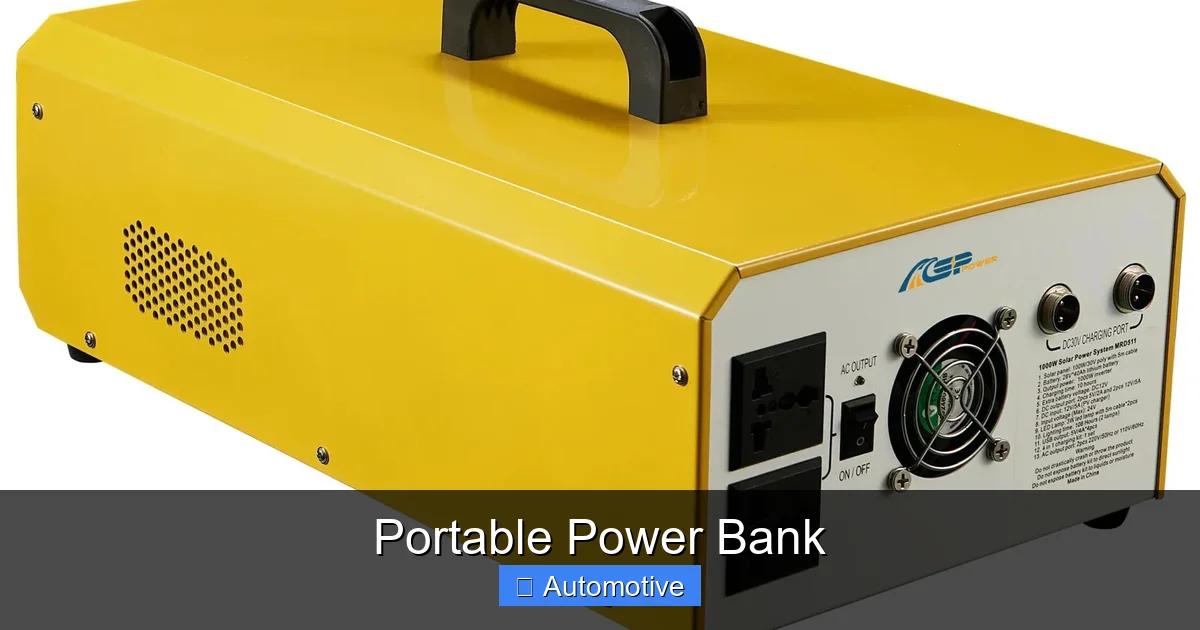
A portable power bank is a must-have device for keeping your electronics charged on the go, especially during long drives or roadside emergencies. Whether you’re powering a smartphone, tablet, or car accessories, choosing the right power bank ensures convenience, safety, and reliability when you need it most.
In This Article
- 1 Key Takeaways
- 2 📑 Table of Contents
- 3 What Is a Portable Power Bank?
- 4 Types of Portable Power Banks for Automotive Use
- 5 Understanding Power Bank Capacity and Output
- 6 Safety Features to Look For
- 7 How to Choose the Right Portable Power Bank for Your Car
- 8 Tips for Using and Maintaining Your Power Bank
- 9 Top Portable Power Banks for Automotive Use in 2024
- 10 Conclusion
- 11 Frequently Asked Questions
- 11.1 Can a portable power bank charge a car battery?
- 11.2 How long does it take to charge a portable power bank?
- 11.3 Can I use a power bank while driving?
- 11.4 Are portable power banks allowed on airplanes?
- 11.5 How many times can a 20,000mAh power bank charge my phone?
- 11.6 Do power banks lose capacity over time?
Key Takeaways
- Portable power banks provide backup energy for phones, tablets, and car gadgets when outlets aren’t available. They’re essential for road trips, camping, or daily commutes.
- Capacity (measured in mAh) determines how many times a device can be recharged. Higher mAh means more charges but often adds size and weight.
- Look for fast-charging technology like Power Delivery (PD) or Quick Charge (QC) to reduce wait times. These features are especially useful in vehicles with limited charging time.
- Safety features such as overcharge protection, temperature control, and short-circuit prevention are critical. Always choose certified models from reputable brands.
- Car-specific power banks often include 12V sockets, USB-C ports, and jump-start capabilities. These multi-functional units are ideal for automotive use.
- Size and portability matter—compact designs fit easily in glove boxes or center consoles. Balance power needs with convenience for best results.
- Regular maintenance and proper storage extend a power bank’s lifespan. Avoid extreme temperatures and fully charge before long-term storage.
📑 Table of Contents
- What Is a Portable Power Bank?
- Types of Portable Power Banks for Automotive Use
- Understanding Power Bank Capacity and Output
- Safety Features to Look For
- How to Choose the Right Portable Power Bank for Your Car
- Tips for Using and Maintaining Your Power Bank
- Top Portable Power Banks for Automotive Use in 2024
- Conclusion
What Is a Portable Power Bank?
A portable power bank is a compact, rechargeable battery pack designed to charge electronic devices when you’re away from a wall outlet. Think of it as a personal energy reserve you can carry in your pocket, backpack, or car. Whether you’re stuck in traffic, on a long road trip, or dealing with a dead phone during an emergency, a power bank can be a real lifesaver.
In the automotive world, portable power banks have evolved beyond just charging phones. Modern versions can power dash cams, GPS units, air compressors, and even jump-start a dead car battery. They plug into your vehicle’s 12V cigarette lighter socket or connect directly via USB cables. With so many options available, it’s easier than ever to stay powered up no matter where the road takes you.
How Do Portable Power Banks Work?
At their core, power banks store electrical energy in lithium-ion or lithium-polymer batteries. When you plug in your phone or another device, the stored energy is transferred through USB ports or other connectors. Most power banks charge via a standard USB-C or micro-USB input, and they deliver power through one or more output ports.
The process is simple: you charge the power bank at home or in your car, then use it later to top up your devices. Some advanced models even support pass-through charging, meaning you can charge the power bank and your phone simultaneously. This is especially handy during long drives when every minute counts.
Why Every Driver Needs a Portable Power Bank
Imagine this: you’re halfway through a cross-country road trip, your GPS dies, and your phone battery is at 5%. No outlets in sight. That’s where a portable power bank saves the day. It ensures your navigation, communication, and entertainment devices stay alive, no matter how remote your destination.
Beyond convenience, power banks add a layer of safety. In emergencies—like a breakdown or accident—having a charged phone can mean the difference between getting help quickly or being stranded. Plus, many drivers use power banks to run small appliances like mini fridges, tire inflators, or dash cams that draw power from the car’s 12V system.
Types of Portable Power Banks for Automotive Use
Not all power banks are created equal, especially when it comes to automotive applications. Depending on your needs, you might want a basic USB charger, a high-capacity unit with multiple ports, or a heavy-duty model that can jump-start your car. Let’s break down the main types.
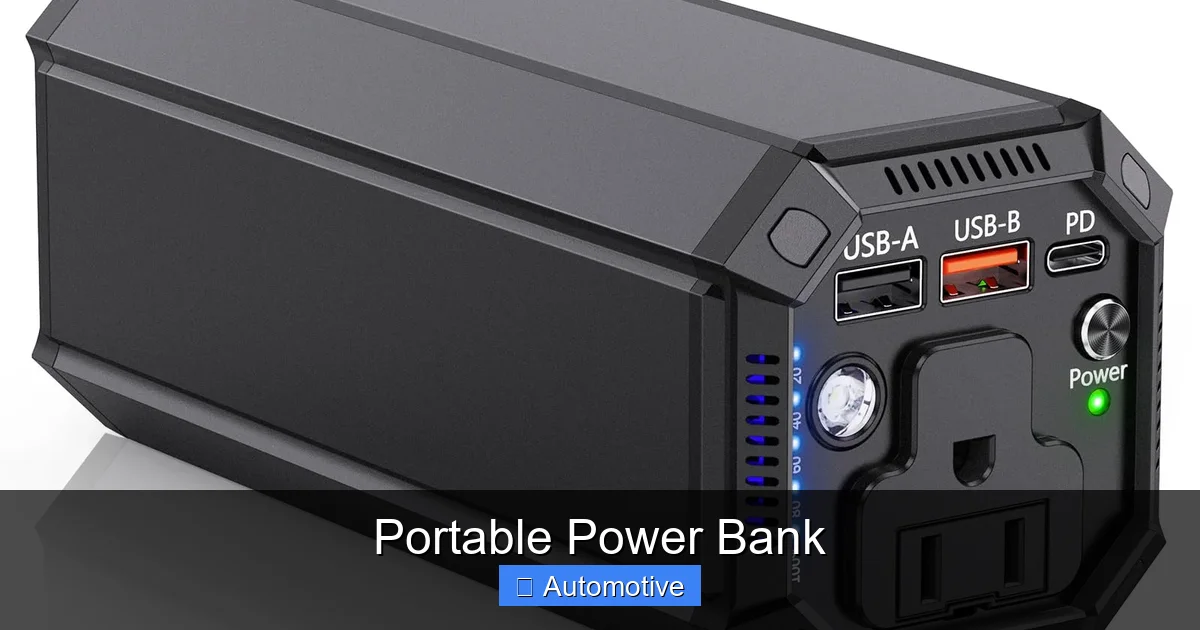
Visual guide about Portable Power Bank
Image source: images-na.ssl-images-amazon.com
Standard USB Power Banks
These are the most common and affordable options. They typically feature one or two USB-A ports and are great for charging smartphones, Bluetooth earbuds, or small tablets. Most range from 5,000mAh to 20,000mAh in capacity. A 10,000mAh model can charge an iPhone 14 about two to three times, making it ideal for daily commutes or short trips.
For example, the Anker PowerCore 10000 is a popular choice among drivers. It’s slim, lightweight, and fits easily in a glove box. It supports fast charging and includes built-in safety features like surge protection. While it won’t power large devices, it’s perfect for keeping your phone alive during errands or traffic jams.
High-Capacity Power Banks with Multiple Ports
If you’re traveling with family or using multiple devices, a high-capacity power bank with several output ports is a smart investment. These models often include USB-A, USB-C, and even wireless charging pads. Capacities can range from 20,000mAh to 50,000mAh or more.
Take the RAVPower 26800mAh PD Pioneer, for instance. It has two USB-A ports, one USB-C port, and supports Power Delivery for fast charging. You can charge a laptop, tablet, and phone all at once. It’s a bit bulkier, but the extra power is worth it for long road trips or camping adventures.
Car Jump Starter Power Banks
These are the heavyweights of the power bank world. Designed specifically for automotive use, they combine a high-capacity battery with jumper cables to revive a dead car battery. Many also include USB ports, LED flashlights, and even air compressors.
The NOCO Boost Plus GB40 is a top pick. It can jump-start cars, trucks, motorcycles, and even boats. It’s compact enough to store in your trunk and includes safety features like spark-proof technology and reverse polarity protection. If you live in a cold climate or drive an older vehicle, this type of power bank is a must-have.
Solar-Powered Power Banks
For eco-conscious drivers or outdoor enthusiasts, solar-powered banks offer a sustainable charging option. These models have built-in solar panels that slowly recharge the battery using sunlight. While they’re not as fast as wall chargers, they’re great for emergencies or off-grid adventures.
The BigBlue 28W Solar Charger is a reliable example. It’s lightweight, foldable, and can charge multiple devices at once. It’s perfect for camping trips or long drives through remote areas where power outlets are scarce. Just remember: solar charging works best in direct sunlight and may take several hours to fully recharge the bank.
Understanding Power Bank Capacity and Output
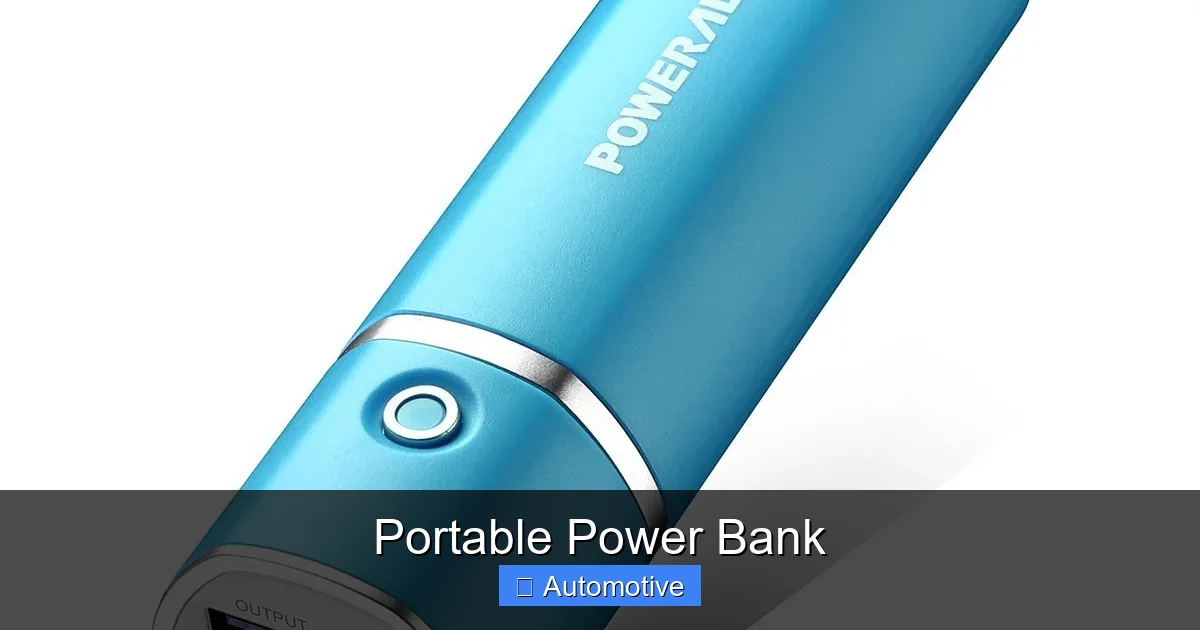
Choosing the right power bank starts with understanding two key specs: capacity and output. Capacity tells you how much energy the bank can store, while output determines how fast it can deliver that energy to your devices.
Visual guide about Portable Power Bank
Image source: thebignano.com
What Is mAh and Why Does It Matter?
mAh stands for milliampere-hour, a unit that measures battery capacity. In simple terms, the higher the mAh, the more charge the power bank can hold. For example, a 10,000mAh power bank can theoretically deliver 10,000 milliamps of current for one hour.
But here’s the catch: not all of that energy makes it to your device. Due to energy loss from heat and voltage conversion, you typically get about 60–70% efficiency. So a 10,000mAh bank might only deliver 6,000–7,000mAh of usable power. That’s enough to charge most smartphones two to three times.
When shopping, consider your device’s battery size. An iPhone 14 has a 3,279mAh battery, while a Samsung Galaxy S23 has a 3,900mAh battery. A 20,000mAh power bank can charge either phone about five to six times, factoring in efficiency loss.
Output Ratings: Amps, Volts, and Watts
Output is measured in amps (A), volts (V), and watts (W). Most smartphones charge at 5V/2A (10W), but newer devices support faster charging. For example, USB-C Power Delivery can deliver up to 100W, allowing you to charge laptops in under an hour.
Look for power banks with multiple output options. A model with 5V/2.4A USB-A ports and a 9V/2A USB-C PD port gives you flexibility. You can charge older devices slowly or newer ones quickly, depending on the port you use.
Also, check the total output. If a power bank has two USB ports but only 3.4A total output, plugging in two devices might slow down charging for both. High-quality models balance individual and total output for optimal performance.
Fast Charging Technologies: PD, QC, and More
Fast charging isn’t just a nice-to-have—it’s essential for drivers who need quick top-ups during short stops. Two of the most popular technologies are Power Delivery (PD) and Quick Charge (QC).
Power Delivery is a universal standard supported by Apple, Samsung, and many laptops. It dynamically adjusts voltage and current for faster, safer charging. A USB-C PD port can charge an iPhone 14 to 50% in about 30 minutes.
Quick Charge, developed by Qualcomm, is common in Android devices. QC 3.0 and 4.0 offer similar speed benefits. Some power banks support both PD and QC, making them compatible with a wide range of devices.
When choosing a power bank, check the specs for these technologies. A model like the Zendure SuperTank Pro supports 100W PD and can charge a MacBook Pro in under two hours. That’s a game-changer for digital nomads or frequent travelers.
Safety Features to Look For
While power banks are generally safe, low-quality or counterfeit models can pose serious risks. Overheating, battery swelling, or even fires have been reported with poorly made units. That’s why safety should be a top priority when shopping.
Visual guide about Portable Power Bank
Image source: spy.com
Overcharge and Overdischarge Protection
A good power bank stops charging once the battery reaches 100%, preventing overcharging. Similarly, it should cut off output when the battery is nearly empty to avoid overdischarge. Both features extend battery life and reduce fire risk.
Look for certifications like UL, CE, or FCC. These indicate the product has passed rigorous safety tests. Brands like Anker, RAVPower, and NOCO are known for their reliable safety standards.
Temperature Control and Short-Circuit Prevention
High temperatures can damage lithium batteries. Quality power banks include thermal sensors that shut down charging if the unit gets too hot. This is especially important in cars, where interior temperatures can soar on sunny days.
Short-circuit protection is another must-have. If a wire frays or a device malfunctions, the power bank should detect the issue and stop power flow immediately. This prevents damage to both the bank and your devices.
Build Quality and Durability
A rugged, well-built power bank can withstand drops, vibrations, and daily wear. Look for models with reinforced casings, rubberized grips, and water-resistant coatings. Some even meet military-grade durability standards (MIL-STD-810G).
For example, the Jackery Bolt 6000 is designed for outdoor use. It’s shockproof, dustproof, and has a built-in flashlight. If you’re driving on rough terrain or storing the bank in a toolbox, durability matters.
How to Choose the Right Portable Power Bank for Your Car
With so many options on the market, picking the right power bank can feel overwhelming. But by focusing on your specific needs, you can narrow down the choices quickly.
Assess Your Power Needs
Start by listing the devices you want to charge. Do you mainly need to power a phone? Or do you also use a tablet, dash cam, or portable fridge? The more devices, the higher the capacity and number of ports you’ll need.
For daily driving, a 10,000mAh bank with two USB ports is usually sufficient. For road trips or family travel, consider 20,000mAh or higher with USB-C PD support. If you drive an older car or live in a cold area, a jump-starter combo unit is worth the investment.
Consider Size and Portability
A bulky power bank might offer more power, but it could be inconvenient to store. Measure your glove box, center console, or trunk space. Choose a model that fits comfortably without taking up too much room.
Compact models like the AUKEY PB-Y13 (10,000mAh) are great for minimalists. They’re small enough to fit in a jacket pocket but powerful enough for daily use. On the other hand, if you need to charge a laptop, you’ll need a larger unit like the Zendure SuperTank.
Check Compatibility with Your Devices
Not all power banks work with every device. iPhones and iPads work best with USB-C PD, while many Android phones support Quick Charge. Laptops often require specific voltage and wattage.
Check your device’s charging requirements in the manual or on the manufacturer’s website. Then match them to the power bank’s output specs. For example, a MacBook Air needs at least 30W PD to charge efficiently.
Read Reviews and Compare Brands
Don’t rely solely on product descriptions. Read customer reviews on Amazon, Best Buy, or tech blogs. Look for feedback on real-world performance, build quality, and customer service.
Brands like Anker, RAVPower, NOCO, and Jackery consistently receive high ratings. Avoid no-name brands with suspiciously low prices—they’re more likely to cut corners on safety and performance.
Tips for Using and Maintaining Your Power Bank
A power bank is a long-term investment. With proper care, it can last for years and hundreds of charge cycles. Here’s how to get the most out of it.
Charge It Regularly
Even when not in use, lithium batteries slowly lose charge. To maintain health, recharge your power bank every 3–6 months. This prevents deep discharge, which can damage the battery.
If you’re storing it for a long trip, charge it to about 50–70% first. Fully charged batteries degrade faster in storage, while completely empty ones can become unusable.
Avoid Extreme Temperatures
Heat and cold are enemies of battery life. Don’t leave your power bank in a hot car—temperatures above 100°F (38°C) can cause swelling or failure. Similarly, freezing temperatures reduce performance and can damage internal components.
If you must store it in your car, keep it in a shaded, insulated compartment. Consider using a thermal pouch or storing it in the cabin instead of the trunk.
Use the Right Cables
Cheap or damaged cables can slow charging or cause overheating. Always use high-quality, certified cables that match your device’s charging standard. For USB-C PD, use a cable rated for at least 60W.
Keep cables organized and avoid bending or twisting them. Replace frayed or worn cables immediately to prevent short circuits.
Clean the Ports
Dust and debris can build up in USB ports, reducing connection quality. Use a can of compressed air or a soft brush to gently clean them every few months. Avoid using water or metal objects, which can cause corrosion or damage.
Update Firmware (If Applicable)
Some advanced power banks, especially jump starters, have firmware that can be updated. Check the manufacturer’s website for updates that improve performance or fix bugs. This is rare but worth checking for high-end models.
Top Portable Power Banks for Automotive Use in 2024
After testing dozens of models, here are our top picks for drivers in 2024. These power banks balance power, safety, portability, and value.
Best Overall: Anker PowerCore 26K
This 26,800mAh power bank offers a great mix of capacity, speed, and reliability. It has two USB-A ports, one USB-C PD port, and supports 18W fast charging. It’s compact for its size and includes Anker’s MultiProtect safety system. Perfect for road trips and daily use.
Best for Jump Starting: NOCO Boost Plus GB40
A true automotive lifesaver, this 1000-amp jump starter can revive most vehicles in seconds. It also charges phones, tablets, and laptops via USB. Compact, safe, and built to last.
Best for Laptops: Zendure SuperTank Pro
With 26,800mAh and 100W PD output, this power bank can charge a MacBook Pro, iPad, and phone simultaneously. It’s ideal for digital nomads and frequent travelers.
Best Budget Option: AUKEY PB-Y13
At under $30, this 10,000mAh bank delivers solid performance. It’s lightweight, supports 18W fast charging, and includes overcharge protection. Great for everyday drivers.
Best Solar Option: BigBlue 28W Solar Charger
For off-grid adventures, this foldable solar panel charges devices using sunlight. It’s durable, efficient, and perfect for camping or emergency preparedness.
Conclusion
A portable power bank is more than just a gadget—it’s a practical tool that enhances safety, convenience, and peace of mind for every driver. Whether you’re commuting to work, embarking on a cross-country adventure, or preparing for emergencies, having reliable backup power can make all the difference.
From standard USB banks to high-capacity jump starters, there’s a power bank for every need and budget. Focus on capacity, output, safety, and portability when choosing. And remember: proper care and maintenance will keep your power bank working reliably for years to come. So before your next trip, make sure your power bank is charged, stored safely, and ready to go. Your devices—and your peace of mind—will thank you.
Frequently Asked Questions
Can a portable power bank charge a car battery?
Most standard power banks cannot charge a car battery directly. However, specialized jump-starter power banks like the NOCO Boost Plus can deliver enough current to jump-start a dead battery. These units include built-in jumper cables and safety features for automotive use.
How long does it take to charge a portable power bank?
Charging time depends on the power bank’s capacity and the charger’s output. A 10,000mAh bank charged with a 2A adapter takes about 5–6 hours. Larger banks (20,000mAh+) may take 10–12 hours. Using a fast charger with USB-C PD can reduce this time significantly.
Can I use a power bank while driving?
Yes, you can use a power bank while driving. Simply plug it into the car’s 12V socket or USB port. Some models support pass-through charging, allowing you to charge the bank and your device at the same time. Always secure the bank to prevent it from becoming a distraction.
Are portable power banks allowed on airplanes?
Yes, but with restrictions. Power banks must be carried in your carry-on luggage, not checked bags. Most airlines allow units up to 100Wh (about 27,000mAh) without approval. Larger units require airline permission. Always check your airline’s policy before flying.
How many times can a 20,000mAh power bank charge my phone?
A 20,000mAh power bank can charge most smartphones 4–6 times, depending on the phone’s battery size and efficiency loss. For example, it can charge an iPhone 14 (3,279mAh) about 5–6 times, factoring in 60–70% real-world efficiency.
Do power banks lose capacity over time?
Yes, all lithium batteries degrade over time. A power bank typically retains 80% of its original capacity after 300–500 charge cycles. Proper care—like avoiding extreme temperatures and regular charging—can slow this degradation and extend its usable life.