Mobile Car Tinting Explained

Contents
- 1 Key Takeaways
- 2 📑 Table of Contents
- 3 What Is Mobile Car Tinting?
- 4 Benefits of Mobile Car Tinting
- 5 Types of Car Tint Films
- 6 Understanding Tinting Laws and Regulations
- 7 Choosing the Right Mobile Tinting Service
- 8 Maintenance and Care for Tinted Windows
- 9 Is Mobile Car Tinting Worth It?
- 10 Frequently Asked Questions
Power Steering Fluid

Carburetor Cleaner

Radiator Coolant
Car Body Cover
Mobile car tinting brings professional window film installation directly to your driveway, offering convenience without compromising quality. It enhances privacy, reduces heat, blocks harmful UV rays, and improves your vehicle’s appearance—all while complying with local tinting laws.
Key Takeaways
- Convenience at Your Doorstep: Mobile car tinting services come to you—whether at home, work, or elsewhere—saving time and hassle.
- Heat and UV Protection: Quality tint films block up to 99% of UV rays and significantly reduce interior heat, protecting passengers and your car’s interior.
- Privacy and Security: Tinted windows deter prying eyes and reduce the risk of break-ins by making valuables less visible.
- Legal Compliance Matters: Tinting laws vary by state and country; always check local regulations to avoid fines or failed inspections.
- Film Types Impact Performance: Dyed, metalized, carbon, and ceramic films offer different levels of heat rejection, durability, and clarity.
- Professional Installation Ensures Longevity: Expert application prevents bubbles, peeling, and discoloration, ensuring your tint lasts for years.
- Cost-Effective Upgrade: Compared to other car modifications, tinting offers high value with long-term savings on cooling and interior maintenance.
📑 Table of Contents
What Is Mobile Car Tinting?
Imagine getting your car windows professionally tinted without ever leaving your driveway. That’s exactly what mobile car tinting offers—a full-service window film installation brought directly to you. Instead of scheduling an appointment, driving to a shop, and waiting hours, a trained technician arrives at your preferred location with all the tools and materials needed to apply high-quality tint film to your vehicle’s windows.
This service has grown in popularity over the past decade, especially in urban areas where time is precious and convenience is king. Whether you’re at home, at the office, or even at the gym, mobile tinting professionals can set up shop in a safe, shaded area and complete the job efficiently. The process typically takes between 2 to 4 hours, depending on the size of the vehicle and the number of windows being tinted.
But mobile car tinting isn’t just about convenience—it’s also about quality. Reputable mobile tinters use the same premium films and techniques as brick-and-mortar shops. They bring portable clean rooms, precision cutting tools, and years of experience to ensure a flawless finish. And because they’re not tied to a fixed location, many mobile services offer competitive pricing and flexible scheduling, including evenings and weekends.
How Mobile Tinting Works
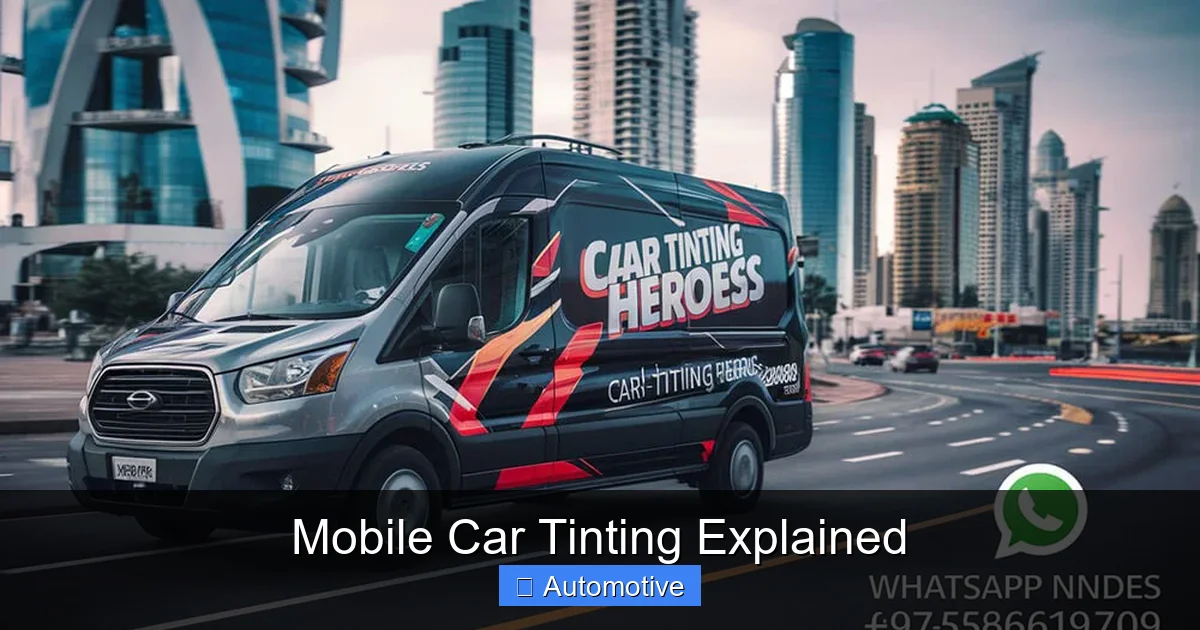
The mobile tinting process begins with a consultation. Most companies offer online quotes based on your vehicle make, model, and desired tint shade. Once you book, a technician contacts you to confirm the appointment and location. On the day of service, they arrive with a fully equipped van or trailer containing everything from cleaning supplies to film rolls and squeegees.
The first step is preparing the vehicle. The technician parks in a shaded, dust-free area—often your driveway or parking lot—and covers the interior with protective sheets to prevent scratches or water damage. They then remove any existing tint if necessary, clean each window thoroughly using specialized solutions, and inspect for chips or cracks that could affect adhesion.
Next comes the film application. The technician cuts the film to fit each window precisely, often using a plotter or template system for accuracy. They apply a soapy solution to the glass, position the film, and use a squeegee to remove air bubbles and excess liquid. The final step is edge sealing and drying, which ensures the tint adheres properly and lasts for years.
One of the biggest advantages of mobile tinting is the personalized attention. Since the technician works on one vehicle at a time, they can focus entirely on your car, answer questions, and offer maintenance tips. Many also provide warranties on both the film and the installation, giving you peace of mind.
Benefits of Mobile Car Tinting
Visual guide about Mobile Car Tinting Explained
Image source: cartintingheroes.ae
When it comes to upgrading your vehicle, few modifications offer as many benefits as window tinting—and mobile service makes it easier than ever to enjoy them. From improved comfort to enhanced safety, the advantages are both practical and aesthetic.
Heat Reduction and Interior Comfort
One of the most immediate benefits of car tinting is heat reduction. On a sunny day, the interior of an untinted car can reach temperatures over 120°F (49°C), making it uncomfortable—and even dangerous—to enter. Tinted windows can reduce interior heat by up to 60%, depending on the film type and darkness.
This isn’t just about comfort. Lower cabin temperatures mean your air conditioning doesn’t have to work as hard, which can improve fuel efficiency and reduce wear on your AC system. For electric vehicles, this translates to longer battery range on hot days. Plus, passengers—especially children and pets—are less likely to suffer from heat exhaustion or sunburn during long drives.
UV Protection for Skin and Interior
The sun’s ultraviolet (UV) rays are a major contributor to skin cancer and premature aging. While windshields are typically made with UV-blocking glass, side and rear windows often aren’t. Quality tint films block up to 99% of UVA and UVB rays, offering crucial protection for drivers and passengers.
But UV rays don’t just affect people—they also damage your car’s interior. Prolonged exposure can cause dashboard cracking, seat fading, and deterioration of upholstery and trim. Tinting acts as a shield, preserving the look and value of your vehicle. Over time, this can save you hundreds in interior repairs or replacements.
Privacy and Security
Tinted windows make it harder for passersby to see inside your car, which enhances privacy and deters theft. Valuables like laptops, purses, or shopping bags are less visible, reducing the temptation for break-ins. This is especially useful in urban areas or when parking in unfamiliar neighborhoods.
Additionally, in the event of an accident, tinted windows can help hold shattered glass together, reducing the risk of injury from flying shards. Some films are specifically designed for security, offering shatter resistance that adds an extra layer of protection.
Aesthetic Appeal and Resale Value
Let’s be honest—tinted windows just look cool. They give your car a sleek, sophisticated appearance that stands out on the road. Whether you prefer a subtle smoke or a deep charcoal shade, tinting can complement your vehicle’s color and style.
Beyond looks, tinting can also boost resale value. A well-maintained, professionally tinted car signals to buyers that the vehicle has been cared for. It’s a small upgrade that can make a big difference when it’s time to sell or trade in.
Types of Car Tint Films
Visual guide about Mobile Car Tinting Explained
Image source: cartintingheroes.ae
Not all tint films are created equal. The type of film you choose affects everything from heat rejection to durability and price. Understanding the options helps you make an informed decision that matches your needs and budget.
Dyed Window Film
Dyed film is the most affordable and widely available option. It consists of a layer of dye between an adhesive and a protective coating. The dye absorbs solar heat, reducing glare and providing privacy.
Pros: Low cost, easy to install, good for basic privacy and glare reduction.
Cons: Less effective at heat rejection, prone to fading and bubbling over time, may interfere with electronic signals.
Dyed film is a solid choice for budget-conscious drivers who want a quick aesthetic upgrade. However, it’s not ideal for extreme climates or long-term use.
Metalized Film
Metalized film contains tiny metallic particles that reflect heat and UV rays. This gives it superior heat rejection compared to dyed film, often reducing interior temperatures by 40–50%.
Pros: Excellent heat and UV protection, durable, resists fading, adds structural strength to glass.
Cons: Can interfere with GPS, cell signals, and keyless entry; slightly more expensive.
This type is great for drivers in hot climates who want strong performance without breaking the bank. Just be aware of potential signal interference if you rely heavily on navigation or remote start.
Carbon Film
Carbon film uses a layer of carbon particles to block infrared heat while maintaining a non-metallic composition. It offers a sleek, matte-black finish that doesn’t fade over time.
Pros: High heat rejection, no signal interference, fade-resistant, stylish appearance.
Cons: Mid-range pricing, not as effective as ceramic.
Carbon film strikes a balance between performance and price, making it a popular choice for daily drivers who want both function and form.
Ceramic Film
Ceramic film is the premium option, using advanced ceramic nanoparticles to block heat and UV rays without metal. It offers the highest level of infrared rejection—up to 90%—while remaining completely signal-friendly.
Pros: Top-tier heat and UV protection, no signal interference, scratch-resistant, long-lasting.
Cons: Most expensive option.
Ceramic film is ideal for luxury vehicles, electric cars, or anyone who wants the best performance and clarity. It’s also the best choice for reducing cabin heat without darkening windows too much.
Crystalline Film
A subcategory of ceramic film, crystalline film is nearly clear but still blocks significant heat. It’s perfect for drivers who want maximum visibility and minimal tint appearance.
Pros: High clarity, excellent heat rejection, UV protection, legal in most areas.
Cons: Very high cost.
This is the go-to for high-end vehicles or drivers in states with strict tinting laws who still want performance benefits.
Understanding Tinting Laws and Regulations
Visual guide about Mobile Car Tinting Explained
Image source: drwindowtint.com
Before you tint your windows, it’s essential to understand the legal limits in your area. Tinting laws vary widely by state, country, and even municipality, and violating them can result in fines, failed inspections, or forced removal.
Visible Light Transmission (VLT)
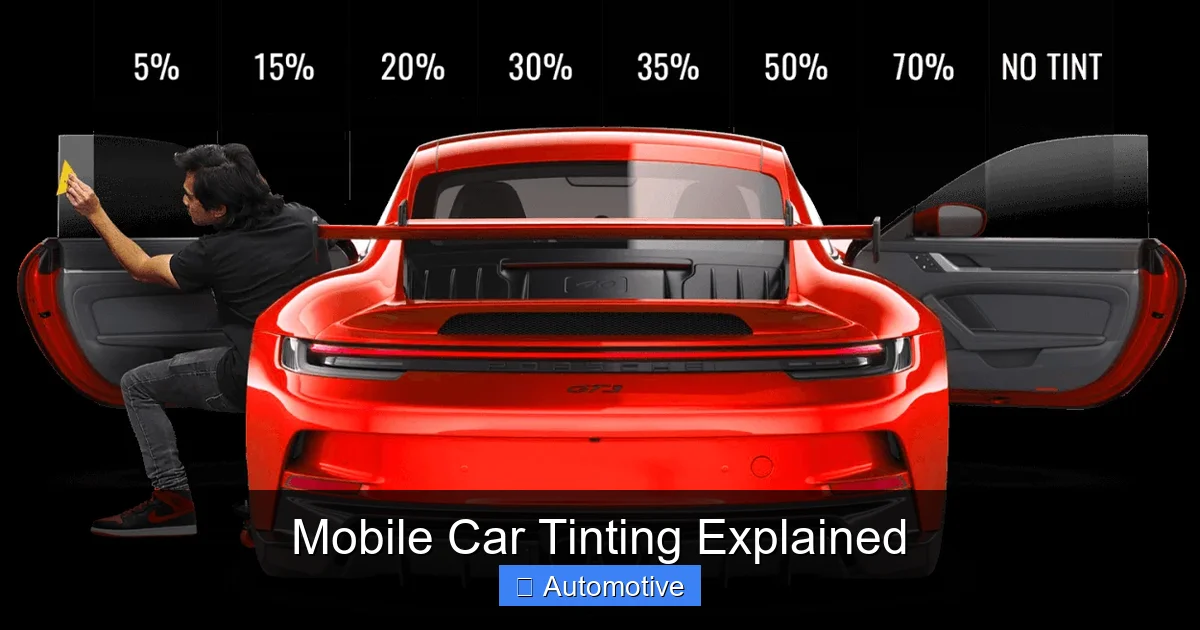
The most common legal standard is Visible Light Transmission (VLT), which measures the percentage of visible light that passes through the film. A 5% tint allows only 5% of light through—making it very dark—while a 50% tint is much lighter.
Most states regulate VLT differently for front side windows, rear side windows, and the rear windshield. For example, California allows 70% VLT on front side windows but permits darker tints on rear windows. In contrast, New York requires 70% on all side windows.
Reflectivity and Color Restrictions
Some states also limit how reflective the tint can be. High-reflectivity films can blind other drivers, especially at night. Additionally, red, amber, and reflective tints are often banned due to safety concerns.
Medical Exemptions
In certain cases, drivers with medical conditions (like lupus or severe photosensitivity) can apply for a medical exemption to use darker tints. This usually requires a doctor’s note and approval from the state’s Department of Motor Vehicles (DMV).
Enforcement and Penalties
Law enforcement officers can issue citations for illegal tints during routine traffic stops. Penalties range from warnings to fines of $100 or more. In some states, you may be required to remove the tint at your own expense.
To stay compliant, always check your local DMV or transportation authority website before tinting. Many mobile tinting companies also provide guidance and can recommend legal shades for your area.
Choosing the Right Mobile Tinting Service
With so many mobile tinting providers available, how do you pick the right one? Quality, reliability, and customer service matter just as much as convenience.
Check Reviews and Ratings
Start by reading online reviews on platforms like Google, Yelp, or Facebook. Look for consistent feedback about punctuality, professionalism, and results. A company with mostly 5-star reviews and detailed customer comments is usually a safe bet.
Ask About Film Brands and Warranties
Reputable installers use films from trusted manufacturers like 3M, Llumar, or SunTek. Ask which brands they carry and whether they offer warranties. Most quality films come with 5- to 10-year warranties against fading, bubbling, or peeling.
Verify Licensing and Insurance
Ensure the company is licensed and insured. This protects you in case of accidental damage to your vehicle during installation. A professional service will gladly provide proof of insurance upon request.
Compare Pricing and Packages
Get quotes from at least three providers. Be wary of prices that seem too good to be true—they often indicate low-quality film or inexperienced technicians. Most mobile services offer packages based on the number of windows, with discounts for full-car tinting.
Evaluate Customer Service
A good mobile tinter will communicate clearly, arrive on time, and explain the process. They should also offer post-installation care tips, such as avoiding rolling down windows for 3–5 days to allow the film to cure.
Maintenance and Care for Tinted Windows
Once your windows are tinted, proper care ensures the film lasts and performs well for years.
Initial Curing Period
After installation, the adhesive needs time to bond fully. Avoid rolling down windows for at least 3–5 days, especially in humid or cold weather. You may notice small water bubbles or haze during this time—this is normal and will disappear as the film dries.
Cleaning Tips
Use ammonia-free cleaners and soft, lint-free cloths or microfiber towels. Ammonia can degrade the film over time, causing it to peel or discolor. Avoid abrasive scrubbers or paper towels, which can scratch the surface.
Long-Term Maintenance
Inspect your tint regularly for signs of damage, such as peeling edges, bubbling, or discoloration. Most issues can be repaired if caught early. If the film starts to degrade, consider a full replacement—typically needed after 5–10 years, depending on quality and climate.
Seasonal Considerations
In winter, avoid using sharp tools to remove ice from tinted windows, as this can scratch the film. Use a soft ice scraper or warm water instead. In summer, park in the shade or use a sunshade to reduce heat buildup and prolong the life of your tint.
Is Mobile Car Tinting Worth It?
The short answer? Absolutely. Mobile car tinting combines the best of both worlds: professional results and unmatched convenience. You get the same high-quality films and expert installation as a traditional shop, but without the hassle of dropping off your car or waiting in a lobby.
For busy professionals, parents, or anyone who values their time, mobile tinting is a game-changer. It’s also ideal for fleet managers who need multiple vehicles tinted efficiently. And with prices ranging from $150 to $500 depending on film type and vehicle size, it’s a cost-effective upgrade that pays off in comfort, protection, and style.
Plus, the environmental benefits shouldn’t be overlooked. By reducing the need for air conditioning, tinted windows can lower fuel consumption and emissions—especially in gas-powered vehicles. For electric cars, this means more miles per charge on sunny days.
Ultimately, mobile car tinting is more than just a cosmetic upgrade. It’s a smart investment in your vehicle’s longevity, your comfort, and your safety. Whether you’re looking to beat the heat, protect your skin, or simply give your car a fresh look, mobile tinting delivers results that are hard to beat.
Frequently Asked Questions
Is mobile car tinting as good as shop-based tinting?
Yes, reputable mobile tinting services use the same high-quality films and professional techniques as traditional shops. The main difference is location—mobile services bring the expertise to you, often with added convenience and competitive pricing.
How long does mobile car tinting take?
Most mobile tinting jobs take between 2 to 4 hours, depending on the vehicle size and number of windows. The technician will give you a time estimate during the booking process.
Can I roll down my windows right after tinting?
No, you should wait at least 3 to 5 days before rolling down your windows. This allows the adhesive to fully cure and prevents the film from peeling or shifting.
Will tinting affect my GPS or cell phone signal?
It depends on the film type. Metalized films can interfere with signals, while ceramic and carbon films are designed to be signal-friendly. Always ask your installer about compatibility if you rely on GPS or keyless entry.
Is car tinting legal in all states?
No, tinting laws vary by state and country. Most places regulate the darkness (VLT) and reflectivity of window film. Check your local DMV website or consult your mobile tinter to ensure compliance.
How often do I need to replace car tint?
High-quality tint can last 5 to 10 years or more, depending on the film type, climate, and maintenance. Signs like fading, bubbling, or peeling indicate it’s time for a replacement.