
Michelin vs Kumho Tires: Which Brand Is Better?

In my fifteen years mounting tires and testing them on the road, I have seen drivers struggle between high price tags and budget savings. Michelin wins for maximum safety, whisper-quiet highway comfort, and long tread life, while Kumho wins for everyday drivers who want reliable performance at nearly half the price.
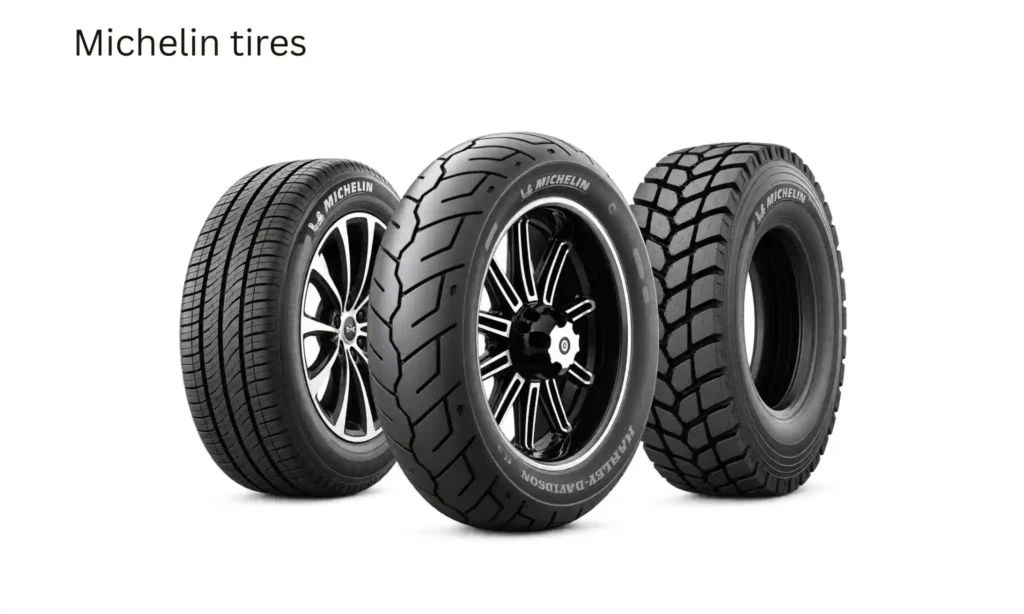
The Ultimate Brand Showdown: Michelin vs Kumho Tires
Both tire brands are household names, but they serve very different types of drivers. Choosing the right one comes down to your daily commute, local weather, and tire budget.
Core Differences in Brand Philosophy
Michelin focuses on top-tier engineering, using premium rubber blends and high-tech designs to maximize wet grip and tread life. Kumho aims at the smart value market, building dependable tires with solid safety ratings that do not empty your wallet.
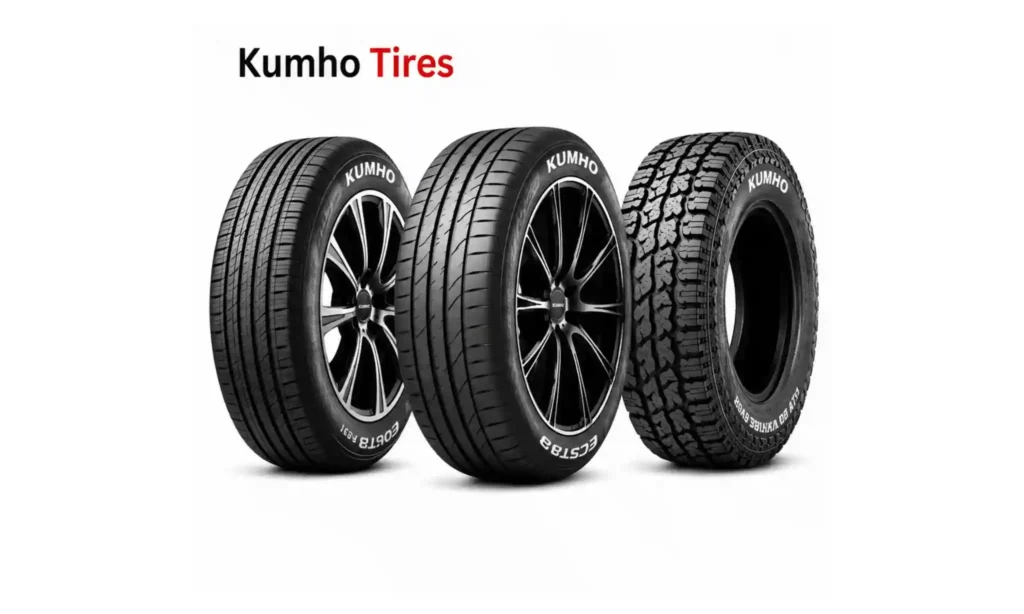
Key Matchups Across Daily Driving Needs
When you compare these brands, you look at high-end luxury against budget-friendly utility. Michelin targets drivers who want the best ride possible, while Kumho targets drivers who want good tires for a fair price.
Quick Brand Overview and Spec Comparison
Looking at the raw numbers helps you see where each brand puts its engineering focus. Here is how both brands stack up across key categories.
| Feature Category | Michelin Tires | Kumho Tires |
| Price Range | Premium ($160 – $420+) | Budget to Mid-Range ($90 – $210) |
| Average Tread Life | 60,000 to 85,000 Miles | 45,000 to 70,000 Miles |
| UTQG Treadwear | 500 to 800 | 400 to 600 |
| Wet Road Braking | Class-Leading | Good to Very Good |
| Road Noise Level | Extremely Quiet | Moderate to Quiet |
| Standard Warranty | 6-Year Limited | 5 to 6-Year Limited |
Michelin leads in tread life and wet stopping distance, but Kumho provides strong numbers for the price. The UTQG (Uniform Tire Quality Grading, a government rating for tire wear and grip) shows Michelin tires usually last longer.
Brand Reputation and Market Positioning
Every tire brand has a specific place in the automotive world. Knowing where each brand stands makes it easier to set realistic expectations.
Premium Status of Michelin
Michelin sits at the very top of the tire industry as an original equipment supplier for luxury and high-performance cars. Drivers buy them when they want absolute peace of mind and top safety scores.
Kumho as the Value Champion
Kumho built its name by offering dependable replacement tires for sedans, crossovers, and family SUVs. They deliver great everyday traction without the steep markup of tier-one brands.
Comparing the Overall Tire Lineups
Both brands cover touring, performance, and all-weather categories. Matching equivalent models gives you a clear view of how they compete on the road.
| Tire Category | Michelin Flagship Model | Kumho Flagship Model |
| All-Season Touring | Defender 2 | Solus TA51a |
| Grand Touring | Primacy Tour A/S | Majesty 9 Solus TA91 |
| Ultra High Performance | Pilot Sport 4S | Ecsta PS71 |
| All-Weather | CrossClimate 2 | Solus 4S HA32 |
| Highway SUV / Truck | Defender LTX M/S2 | Crugen HT51 |
This table shows how each Michelin model has a direct Kumho rival ready to match it for daily street driving. While Michelin models use higher-grade rubber, Kumho models offer similar tread patterns for less money.
Dry Pavement and Highway Handling Showdown
Dry roads let you feel how a tire grips the pavement during quick lane changes and highway cruising. Both brands handle warm, dry asphalt with ease.
Michelin Steering Response and Grip
Michelin uses stiff outer shoulder blocks that keep the contact patch (the exact part of the tire touching the road) flat and stable. This gives your steering wheel a crisp, direct feel during sharp highway turns.
Kumho Daily Highway Stability
Kumho tires use wide center ribs to track straight and steady on the highway. When I mounted a set of Kumho Crugen tires on a customer’s midsize SUV, the dry road steering felt planted and smooth.
Shop Rule of Thumb: Premium tires show their true value in emergency maneuvers, not gentle straight-line cruising.
Wet Performance and Hydroplaning Tech
Driving in heavy rain is where tire quality matters most for family safety. Wet grip separates top-tier rubber from average tires.
| Wet Traction Metric | Michelin Defender 2 | Kumho Solus TA51a |
| 50-to-0 MPH Wet Stopping | 118 Feet | 134 Feet |
| Deep Water Hydroplane Speed | 54 MPH | 49 MPH |
| Wet Cornering Grip (Lateral G) | 0.86 g | 0.79 g |
| Tread Siping Density | High (Full Depth) | Medium (Variable Depth) |
Hydroplaning happens when water gets trapped under the tire, making the car slide out of control. Michelin channels water away faster thanks to deeper evacuation grooves.
Michelin stops up to 16 feet shorter on soaked roads because its soft silica rubber hugs the wet asphalt.
Why Michelin Dominates in the Rain
Michelin mixes pure silica deep into the rubber compound to keep it flexible in cold rain. Their full-depth siping (tiny slits cut into the tread that bite into wet roads) stays open even as the tire wears down.
Real-World Wet Driving with Kumho
Kumho tires handle light to moderate rain very well and clear water through four wide perimeter channels. However, you will feel slight slip if you hit standing puddles at high speeds on the highway.
Winter Performance and Snow Capabilities
Cold weather turns normal tire rubber stiff and slippery. Here is how both brands tackle light snow and cold winter rain.
Michelin All-Weather Cold Grip
Tires like the Michelin CrossClimate 2 feature severe snow ratings and biting edges that grip hard on packed snow. They stay soft in freezing temperatures to give you steady braking on icy patches.
Kumho Cold Weather Limits
Kumho all-season tires can handle a light dusting of snow or light winter slush. However, they struggle on packed snow and black ice, making dedicated winter tires necessary for harsh northern winters.
Comfort, Road Noise, and Ride Quality
A loud tire can ruin a long road trip by sending constant vibration into the cabin. Tire noise and bump absorption make a big difference in daily driving comfort.
Michelin Piano Noise Reduction
Michelin engineers use acoustic foam and varied tread block sizes to cancel out road hum. On smooth highway pavement, they glide along with almost zero cabin drone.
Kumho Ride Softness and NVH
Kumho tires feature flexible sidewalls that soak up small potholes and expansion joints very well. You will notice a faint tire hum at 70 mph, but the ride itself stays remarkably soft.
Tread Life and Overall Rubber Durability
Replacing tires often costs extra time and money. Looking at tread life ratings shows how many seasons you can expect from each set.
| Tire Model | UTQG Rating | Mileage Warranty | Expected Life |
| Michelin Defender 2 | 840 A A | 80,000 Miles | 5 to 6 Years |
| Michelin CrossClimate 2 | 640 B A | 60,000 Miles | 4 to 5 Years |
| Kumho Solus TA51a | 540 A A | 65,000 Miles | 3 to 4 Years |
| Kumho Crugen HT51 | 700 A A | 70,000 Miles | 4 to 5 Years |
The numbers show Michelin builds tires with higher wear resistance for high-mileage drivers. Kumho still offers impressive warranties, especially on their dedicated highway truck tires.
Long-Term Rubber Aging
Michelin uses anti-aging chemical compounds that resist dry rot and sun damage over several years. In my shop experience, Michelin tires keep their soft feel even after four years of heavy daily use.
Kumho Real-World Tread Wear
Kumho tires wear evenly if you rotate them every 5,000 miles without fail. The rubber compound wears slightly faster during hot summer highway trips compared to premium competitors.
Proprietary Tire Technology Explained
Each company uses unique manufacturing methods to stand out in the crowded tire market. These patented designs directly change how the car feels on the road.
Michelin EverGrip and MaxTouch
Michelin EverGrip technology widens the rain grooves as the tread wears down to preserve wet traction. MaxTouch construction spreads out acceleration and braking forces to stop uneven edge wear.
Kumho ESCOT Casing Technology
Kumho uses ESCOT (Excellent & Smart Contour Optimization Theory) to keep the tire shape uniform at high speeds. This reduces sidewall stress, improves fuel mileage, and cushions rough road impacts.
Comparing Warranties and Customer Guarantees
A strong warranty protects your investment if a tire wears out prematurely or suffers a defect.
| Guarantee Feature | Michelin Coverage | Kumho Coverage |
| Treadwear Warranty | Up to 80,000 Miles | Up to 70,000 Miles |
| Trial Period | 60-Day Satisfaction | 30-Day Satisfaction |
| Roadside Assistance | 3 Years Flat Tire Change | None Included |
| Workmanship Warranty | 6 Years from Purchase | 6 Years from Purchase |
Michelin offers a generous 60-day test drive and free roadside help if you get a flat tire. Kumho provides standard workmanship protection but skips extra roadside perks to keep prices low.
Shop Rule of Thumb: A mileage warranty is only valid if you keep your alignment straight and keep records of regular tire rotations.
Price and Overall Value Breakdown
Upfront sticker price does not tell the whole story when buying a fresh set of tires. Calculating the cost per mile reveals the true long-term value.
| Purchase Analysis | Set of 4 Michelin Tires | Set of 4 Kumho Tires |
| Average Set Price | $840 | $480 |
| Mounting & Balancing | $100 | $100 |
| Total Upfront Cost | $940 | $580 |
| Estimated Tread Life | 75,000 Miles | 50,000 Miles |
| Cost Per 10,000 Miles | $125 | $116 |
As the table shows, Kumho still wins the pure cost battle by a small margin over time. However, Michelin gives you higher safety margins, better wet grip, and a quieter ride for just a few extra dollars per month.
Who Gets Better Value from Michelin?
Drivers who commute over 20,000 miles a year get maximum value from Michelin. The extra tread life means fewer visits to the tire shop and fewer mounting fees over time.
Who Gets Better Value from Kumho?
Drivers who lease their cars, drive under 10,000 miles a year, or need to replace worn tires on a tight budget gain massive value from Kumho. You save hundreds of dollars right at the cash register.
The Absolute Best Tire From Each Brand
If you want to skip the broad catalog and buy the best tire available, look at these two top performers.
Michelin Defender 2
The Defender 2 is the gold standard for all-season passenger tires. It delivers an 80,000-mile warranty, incredible wet road braking, and a silky smooth highway ride that outlasts nearly every rival.
Kumho Crugen HT51
The Crugen HT51 is an outstanding highway all-season tire for crossovers, SUVs, and light pickups. It offers deep water channels, a 70,000-mile warranty, and dependable dry traction at an unbeatable price.
Which Tire Brand Is Better for Your Needs?
Matching your driving habits to the right tire ensures you never overpay or compromise on safety.
Who Should Buy Michelin?
Buy Michelin if you drive in heavy rain, want the quietest highway cabin, or plan to keep your vehicle for many years. It is the best choice for luxury sedans, long road trips, and severe wet climates.
Who Should AVOID Michelin?
Skip Michelin if you are on a strict budget or plan to sell your car within the next year. You will pay a heavy upfront premium that you will not have time to make back in tread wear.
Who Should Buy Kumho?
Buy Kumho if you need reliable, safe daily transportation without spending high-end money. It is perfect for commuter cars, teenage drivers, rideshare vehicles, and family crossovers.
Who Should AVOID Kumho?
Skip Kumho if you drive an aggressive sports car on track days or deal with severe winter blizzards. They lack the extreme cornering bite and heavy snow grip found in top-tier brands.
Final Verdict: The Best Brand Choice
Michelin is the overall winner for drivers who want class-leading wet safety, ultra-quiet cruising, and the longest tread life available today. Kumho remains the smart budget champion, delivering 85% of Michelin’s daily road performance at almost half the total cost.
Take a quick look at your vehicle’s driver-side door jamb to confirm your exact tire size, check your current tread depth with a penny, and order your new set of tires today.