Low Tire Pressure Light Wont Go Off
If your low tire pressure light won’t go off, it’s not just annoying—it could signal a real safety issue. This guide walks you through common causes, DIY fixes, and when to get professional help so you can drive with confidence.
In This Article
- 1 Key Takeaways
- 2 📑 Table of Contents
- 3 Why Your Low Tire Pressure Light Won’t Go Off—And What It Means
- 4 Understanding Your Tire Pressure Monitoring System (TPMS)
- 5 Common Reasons Your Low Tire Pressure Light Stays On
- 6 Step-by-Step Guide to Fixing the Low Tire Pressure Light
- 7 When to Replace TPMS Sensors
- 8 Preventing Future TPMS Issues
- 9 Conclusion: Don’t Ignore the Light—Take Action
- 10 Frequently Asked Questions
- 10.1 Why won’t my low tire pressure light go off after adding air?
- 10.2 Can cold weather cause the low tire pressure light to stay on?
- 10.3 How do I reset my TPMS light?
- 10.4 Can I drive with the low tire pressure light on?
- 10.5 How often should I check my tire pressure?
- 10.6 Do TPMS sensors need to be replaced?
Key Takeaways
- Check tire pressure manually: Use a reliable gauge to confirm if tires are actually underinflated—sometimes the sensor is wrong.
- Temperature changes matter: Cold weather can drop tire pressure and trigger the light, even if tires were fine yesterday.
- Reset the TPMS properly: After inflating tires, follow your vehicle’s reset procedure to clear the warning light.
- Faulty sensors need replacement: TPMS sensors can fail over time and may need to be replaced, especially in older vehicles.
- Driving on low pressure is dangerous: It increases wear, reduces fuel efficiency, and raises the risk of a blowout.
- Don’t ignore the light: Even if tires look fine, hidden leaks or sensor issues could be lurking.
- Use a professional scan tool if needed: Some vehicles require specialized tools to reset or diagnose TPMS problems.
📑 Table of Contents
- Why Your Low Tire Pressure Light Won’t Go Off—And What It Means
- Understanding Your Tire Pressure Monitoring System (TPMS)
- Common Reasons Your Low Tire Pressure Light Stays On
- Step-by-Step Guide to Fixing the Low Tire Pressure Light
- When to Replace TPMS Sensors
- Preventing Future TPMS Issues
- Conclusion: Don’t Ignore the Light—Take Action
Why Your Low Tire Pressure Light Won’t Go Off—And What It Means
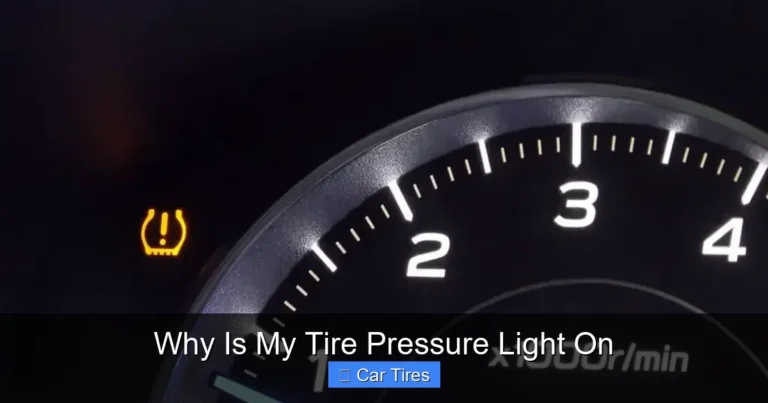
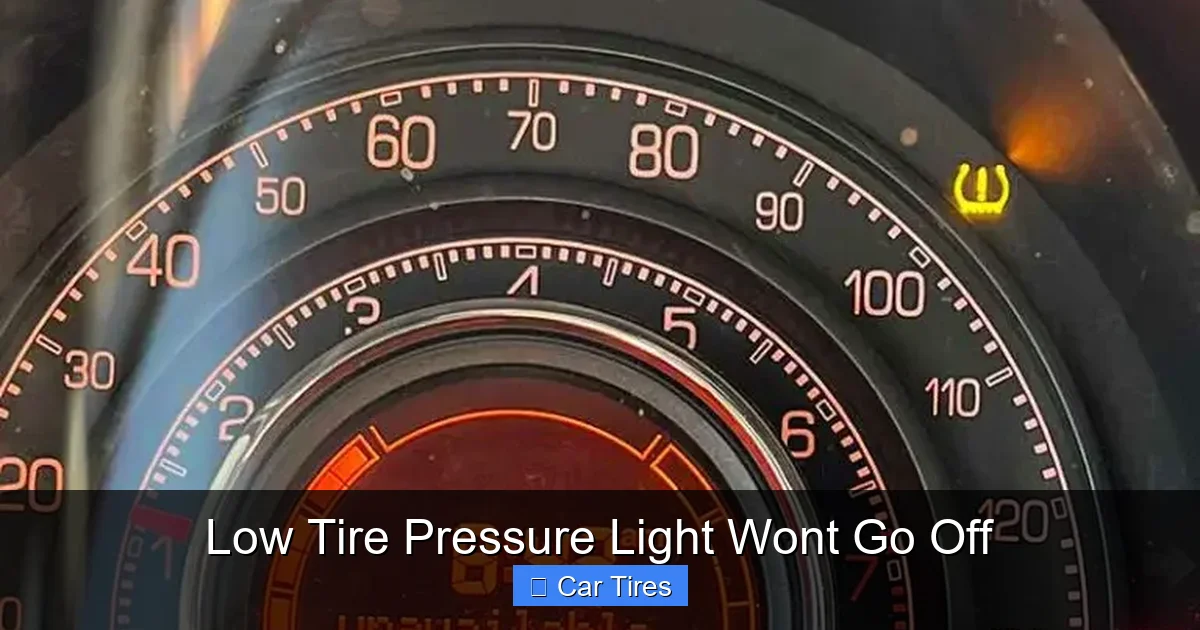
You’re driving down the road, maybe heading to work or picking up groceries, when suddenly—a little yellow light pops up on your dashboard. It looks like a tire with an exclamation point inside. You know it’s the low tire pressure warning, but you’ve already checked your tires. They look fine. You even added air yesterday. So why won’t the light go off?
It’s a frustrating situation that happens to drivers more often than you’d think. The low tire pressure light is part of your vehicle’s Tire Pressure Monitoring System (TPMS), designed to alert you when one or more tires are significantly underinflated. But sometimes, the system gets confused. Maybe the sensors are outdated, the weather dropped overnight, or there’s a tiny leak you can’t see. Whatever the cause, ignoring that light isn’t safe—and it’s not worth the risk.
In this guide, we’ll break down exactly why your low tire pressure light won’t go off, how to troubleshoot it step by step, and when it’s time to visit a mechanic. Whether you’re a seasoned driver or just getting comfortable behind the wheel, understanding your TPMS can save you time, money, and keep you safe on the road.
Understanding Your Tire Pressure Monitoring System (TPMS)
Before we dive into fixes, let’s talk about how your TPMS actually works. Most modern vehicles come equipped with one of two types of TPMS: direct or indirect.
Direct TPMS: The Most Common Type
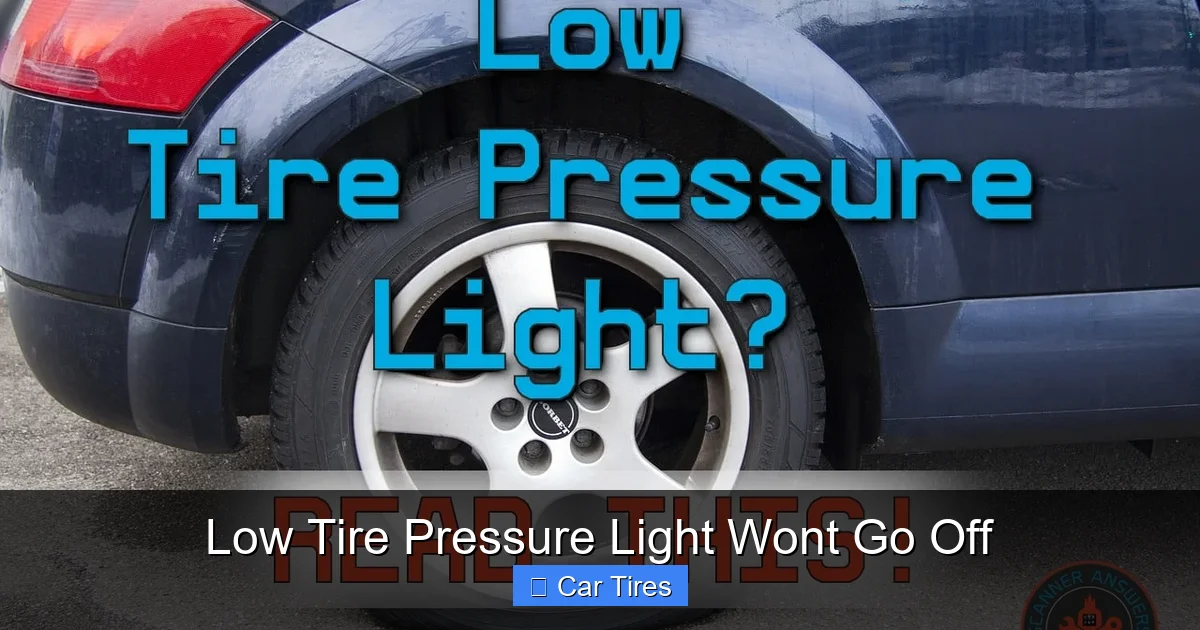
Direct TPMS uses sensors mounted inside each tire (usually attached to the valve stem or wheel rim) to measure air pressure in real time. These sensors send data wirelessly to your car’s computer, which triggers the warning light if pressure drops below the recommended level—typically 25% below the manufacturer’s setting. This system is accurate and gives you precise readings for each tire.
Visual guide about Low Tire Pressure Light Wont Go Off
Image source: scanneranswers.com
Indirect TPMS: Speed-Based Detection
Indirect TPMS doesn’t use physical sensors. Instead, it relies on your car’s anti-lock braking system (ABS) to monitor wheel speed. When a tire is underinflated, it rotates faster than the others because its diameter is slightly smaller. The system detects this difference and turns on the warning light. While less precise, indirect systems are cheaper to maintain—but they can’t tell you which tire is low or how much air is missing.
Why TPMS Matters for Safety and Efficiency
Proper tire pressure isn’t just about avoiding a dashboard warning. Underinflated tires increase rolling resistance, which lowers fuel economy. They also generate more heat, which can lead to tread separation or blowouts—especially at high speeds. Overinflated tires, on the other hand, reduce traction and wear unevenly. The TPMS helps you maintain the sweet spot, keeping your ride smooth, safe, and efficient.
Common Reasons Your Low Tire Pressure Light Stays On
Now that you know how TPMS works, let’s look at the most common reasons your low tire pressure light won’t go off—even after you’ve added air.
1. Tires Are Still Underinflated
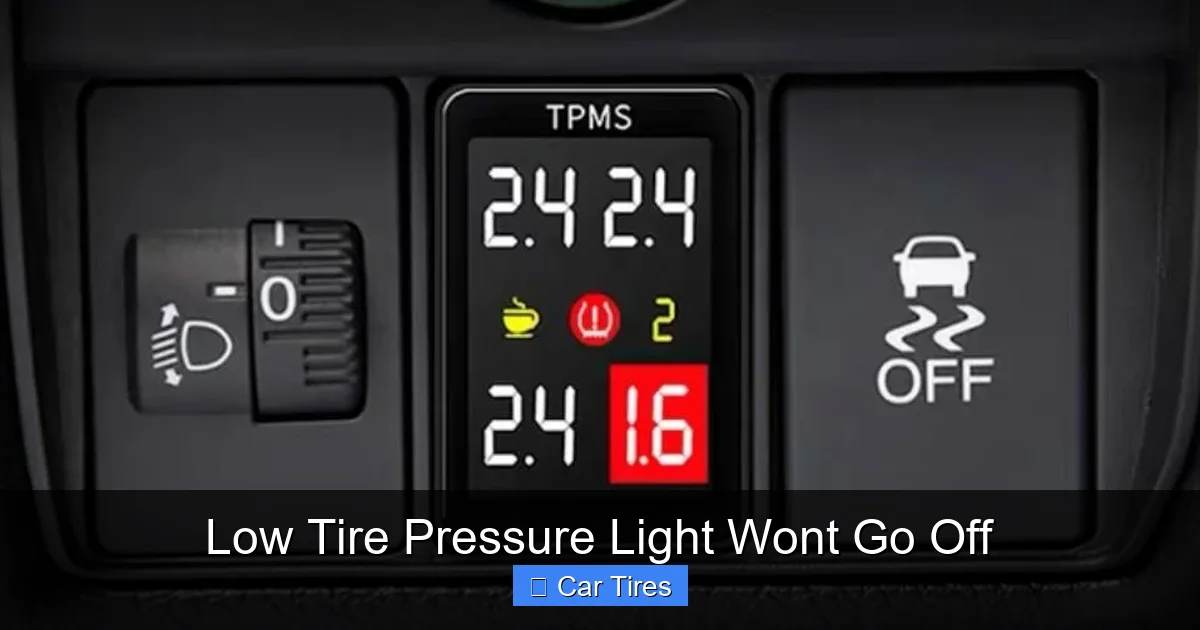
This might sound obvious, but sometimes the light stays on because the tires aren’t actually at the right pressure. You might have added a little air, but not enough. Or maybe you used a gas station air pump that wasn’t calibrated correctly. Always double-check with a reliable handheld tire gauge. Compare the reading to the recommended PSI listed on your driver’s side door jamb or in the owner’s manual. If it’s still low, inflate to the correct level and see if the light resets.
Visual guide about Low Tire Pressure Light Wont Go Off
Image source: media.karousell.com
2. Temperature Fluctuations
Air contracts when it gets cold and expands when it heats up. A sudden drop in temperature—like moving from a warm garage to a cold winter morning—can cause tire pressure to drop by 1 PSI for every 10°F decrease. If it was 70°F yesterday and dropped to 30°F overnight, your tires could lose 4 PSI—enough to trigger the warning light. This is especially common in winter. The fix? Inflate your tires when they’re cold (before driving) and check them regularly during seasonal changes.
3. TPMS Sensor Battery Is Dead
Direct TPMS sensors are powered by small batteries that typically last 5 to 10 years. Once the battery dies, the sensor can’t send data to your car’s computer, which may cause the light to stay on or flash intermittently. If your car is over 7 years old and the light won’t go off despite proper inflation, a dead sensor battery could be the culprit. Unfortunately, these sensors can’t be recharged—they need to be replaced, usually by a tire shop or dealership.
4. Sensor Damage or Malfunction
TPMS sensors are tough, but they’re not indestructible. They can get damaged during tire mounting, from road debris, or corrosion from moisture and salt (common in snowy climates). A cracked sensor or corroded valve stem can cause inaccurate readings or no signal at all. If one tire consistently shows low pressure or the light flashes and stays on, the sensor may be faulty.
5. Recent Tire Rotation or Replacement
If you’ve recently had your tires rotated or replaced, the TPMS sensors may need to be relearned or reset. Some vehicles automatically detect the new sensor positions, but others require a manual reset procedure. Without this step, the system might think a tire is low when it’s not. Check your owner’s manual for instructions—or visit a shop if you’re unsure.
6. System Needs a Manual Reset
After inflating your tires, some vehicles require you to reset the TPMS manually for the light to turn off. This isn’t just turning the car on and off. It often involves a specific sequence: turning the ignition to “on,” pressing the TPMS reset button (usually under the steering wheel), or driving at a certain speed for a set distance. Skipping this step can leave the light on even when everything else is correct.
Step-by-Step Guide to Fixing the Low Tire Pressure Light
Ready to take action? Here’s a simple, step-by-step process to troubleshoot and fix your low tire pressure light.
Step 1: Check Tire Pressure with a Gauge
Don’t rely on visual inspection or the gas station pump’s built-in gauge. Grab a quality digital or analog tire pressure gauge (available at auto parts stores for under $15). With the car parked and tires cold, remove the valve cap, press the gauge firmly onto the valve stem, and read the pressure. Compare it to the recommended PSI on your door jamb sticker. If it’s low, add air in small increments and recheck.
Visual guide about Low Tire Pressure Light Wont Go Off
Image source: vehq.com
Step 2: Inflate All Tires to the Correct PSI
Use an air compressor (at home or at a gas station) to bring each tire up to the manufacturer’s recommended pressure. Don’t overinflate—this can be just as dangerous as underinflation. If one tire takes significantly more air than the others, it might have a slow leak.
Step 3: Drive the Vehicle to Reset the System
On many cars, driving at speeds above 50 mph for 10–15 minutes will allow the TPMS to recalibrate and turn off the light. This gives the sensors time to communicate with the computer. If the light doesn’t go off after a short drive, proceed to the next step.
Step 4: Perform a Manual TPMS Reset
Consult your owner’s manual for the correct reset procedure. Common methods include:
- Turning the ignition to “on” (without starting the engine), then holding the TPMS reset button until the light blinks three times.
- Driving at 50 mph for 10 minutes, then turning the car off and on.
- Using the infotainment system to navigate to the TPMS menu and select “reset.”
If you can’t find the instructions, search online for your make, model, and year—many forums and videos walk you through it.
Step 5: Check for Leaks or Damage
If the light comes back on quickly after resetting, one of your tires may have a slow leak. Look for nails, screws, or cracks in the sidewall. You can also spray soapy water on the tire and valve stem—bubbles will form where air is escaping. If you find a leak, patch it or replace the tire. For valve stem issues, a new valve core or stem may be needed.
Step 6: Visit a Professional if the Light Persists
If you’ve tried everything and the low tire pressure light still won’t go off, it’s time to see a mechanic or tire specialist. They can use a TPMS scan tool to read error codes, test sensor signals, and determine if a sensor needs replacement. Some shops even offer free TPMS checks—so don’t hesitate to ask.
When to Replace TPMS Sensors
TPMS sensors aren’t meant to last forever. Here’s how to know when it’s time for a replacement.
Signs of a Failing Sensor
Watch for these red flags:
- The low tire pressure light flashes for a minute, then stays on.
- One tire consistently shows low pressure, even after inflation.
- The light turns on and off randomly.
- Your car is over 7–10 years old.
These symptoms often point to a dead battery or internal sensor failure.
How Much Does It Cost?
Replacing a TPMS sensor typically costs between $50 and $150 per wheel, including parts and labor. Sensors themselves range from $30 to $80 each, and installation requires special tools to program the new sensor to your vehicle. Some shops include sensor replacement in tire mounting packages, so ask when getting new tires.
Can You Drive with a Faulty Sensor?
Technically, yes—but it’s not recommended. Without a working sensor, you won’t get accurate pressure alerts, increasing the risk of driving on underinflated tires. Plus, some states require functional TPMS for vehicle inspections. If you’re planning a long trip or live in a cold climate, it’s best to fix it sooner rather than later.
Preventing Future TPMS Issues
An ounce of prevention is worth a pound of cure—especially when it comes to tire safety.
Check Tire Pressure Monthly
Make it a habit to check your tire pressure at least once a month, and always before long trips. Use a reliable gauge and check when tires are cold. This simple routine can catch problems early and keep your TPMS happy.
Rotate Tires Regularly
Most manufacturers recommend rotating your tires every 5,000 to 7,500 miles. This promotes even wear and helps maintain consistent pressure. When you rotate, ask the technician to check the TPMS sensors and reset the system if needed.
Protect Sensors from Damage
Avoid potholes and curbs when possible, and be gentle during tire changes. If you live in a snowy area, rinse off salt and grime regularly to prevent corrosion. Consider using rubber valve caps instead of metal ones—they’re less likely to seize or damage the sensor.
Use a TPMS Maintenance Kit
Some kits include replacement valve cores, seals, and grommets that can extend the life of your sensors. These are especially useful if you notice slow leaks or moisture around the valve stem.
Conclusion: Don’t Ignore the Light—Take Action
The low tire pressure light won’t go off for a reason—even if that reason isn’t immediately obvious. Whether it’s a simple case of underinflation, a dead sensor battery, or a hidden leak, ignoring the warning puts your safety at risk. Underinflated tires wear out faster, reduce fuel efficiency, and increase the chance of a blowout, especially at highway speeds.
The good news? Most TPMS issues are easy to fix with a little know-how and the right tools. Start by checking your tire pressure with a reliable gauge, inflating to the correct PSI, and following your vehicle’s reset procedure. If the light persists, don’t guess—get it checked by a professional. A quick visit to a tire shop could save you from a costly repair or a dangerous situation down the road.
Remember, your tires are the only part of your car that touches the road. Keeping them properly inflated isn’t just about avoiding a dashboard warning—it’s about protecting yourself, your passengers, and everyone else on the road. So the next time that little yellow light pops up, don’t panic. Just take a deep breath, follow these steps, and drive with confidence.
Frequently Asked Questions
Why won’t my low tire pressure light go off after adding air?
The light may stay on if the tires aren’t inflated to the correct PSI, the system hasn’t been reset, or a sensor is faulty. Always use a reliable gauge to confirm pressure and follow your vehicle’s reset procedure.
Can cold weather cause the low tire pressure light to stay on?
Yes. Cold temperatures can drop tire pressure by 1 PSI for every 10°F decrease. This is common in winter and may trigger the warning light even if tires were fine before.
How do I reset my TPMS light?
Check your owner’s manual for the correct method. It may involve holding a reset button, driving at a certain speed, or using the infotainment system. Some vehicles require a professional scan tool.
Can I drive with the low tire pressure light on?
It’s not safe. Driving on underinflated tires increases wear, reduces fuel efficiency, and raises the risk of a blowout. Address the issue as soon as possible.
How often should I check my tire pressure?
Check your tire pressure at least once a month and before long trips. Always check when tires are cold for the most accurate reading.
Do TPMS sensors need to be replaced?
Yes. TPMS sensor batteries typically last 5–10 years. If the light won’t go off despite proper inflation, the sensor may be dead or damaged and need replacement.