Lost the Only Key to My Car

Contents
- 1 Key Takeaways
- 2 📑 Table of Contents
- 3 Lost the Only Key to My Car: What Now?
- 4 Step 1: Stay Calm and Retrace Your Steps
- 5 Step 2: Contact Your Dealership
- 6 Step 3: Call a Professional Automotive Locksmith
- 7 Step 4: Use Roadside Assistance or Insurance
- 8 Step 5: Consider Long-Term Solutions
- 9 Step 6: Prevent Future Lockouts
- 10 Final Thoughts: You’re Not Stuck Forever
- 11 Frequently Asked Questions
Fuel Injector Cleaner
Car Emergency Roadside Kit

Trunk Organizer

Tire Pressure Monitoring System (TPMS)
Misplacing your only car key can feel like a disaster, but it’s more manageable than you think. With the right steps—like contacting your dealership, using a spare fob, or calling a professional locksmith—you can regain access quickly and securely. This guide walks you through every option, so you’re never stuck for long.
Key Takeaways
- Stay calm and assess the situation: Panicking won’t help—take a breath and retrace your steps to see if the key might still be nearby.
- Check for hidden or backup keys: Some cars come with a physical key hidden inside a key fob or stored in a magnetic box under the car.
- Contact your dealership with your VIN: Your Vehicle Identification Number lets the dealer verify ownership and order a replacement key, even without the original.
- Call a certified automotive locksmith: Many locksmiths can cut and program new keys on the spot, often cheaper and faster than dealerships.
- Use roadside assistance if available: Services like AAA or your car insurance may cover emergency lockout help or key replacement.
- Consider a keyless entry system upgrade: Prevent future lockouts by installing a smart lock or keyless entry system for added convenience.
- Always keep a spare key accessible: Store one with a trusted friend or in a secure, hidden location to avoid being locked out again.
📑 Table of Contents
- Lost the Only Key to My Car: What Now?
- Step 1: Stay Calm and Retrace Your Steps
- Step 2: Contact Your Dealership
- Step 3: Call a Professional Automotive Locksmith
- Step 4: Use Roadside Assistance or Insurance
- Step 5: Consider Long-Term Solutions
- Step 6: Prevent Future Lockouts
- Final Thoughts: You’re Not Stuck Forever
Lost the Only Key to My Car: What Now?
Losing your car key is one of those moments that hits you right in the gut. You’re standing in a parking lot, grocery store, or even your own driveway, and suddenly—nothing. No key in your pocket, no spare in your bag, and your phone isn’t helping because your car doesn’t have remote start. You’re locked out, stranded, and maybe even late for work or an important appointment.
It’s easy to feel helpless, especially if this is the *only* key you have. Modern cars often come with just one fob, and many drivers don’t realize how vulnerable that makes them until it’s too late. But here’s the good news: you’re not alone, and you’re not out of options. Whether your car is from 2005 or 2024, there are proven ways to get back in, get a new key, and get back on the road—without breaking the bank or waiting days for help.
This guide is designed to walk you through every step of what to do when you’ve lost the only key to your car. We’ll cover everything from immediate actions to long-term prevention, so you’re prepared whether this is your first lockout or your third. Think of this as your emergency playbook—practical, easy to follow, and written in plain English so you can act fast when every minute counts.
Step 1: Stay Calm and Retrace Your Steps
Visual guide about Lost the Only Key to My Car
Image source: insuremycars.ie
The first thing to do when you realize you’ve lost your only car key is to stop, breathe, and think. Panic clouds judgment, and in moments like this, clear thinking is your best tool. Start by retracing your recent movements. Where did you last use the key? Was it at home, at work, or while shopping? Sometimes, the key is closer than you think—stuck in a jacket pocket, dropped near your front door, or left on a countertop.
Check Common Hiding Spots
Before you assume the worst, do a thorough but quick search of your usual spots:
– Inside your purse, backpack, or tote bag
– In your coat or jacket pockets
– On kitchen counters, coffee tables, or entryway tables
– In the glove compartment or center console (if you’ve used the car recently)
– Under floor mats or in seat crevices (if someone else drove your car)
If you live with family or roommates, ask them if they’ve seen it. Sometimes, a key gets moved without anyone realizing it.
Look for Hidden Keys
Some car owners hide a spare key in a magnetic box under the car—usually near the wheel well, frame rail, or under the bumper. If you or the previous owner installed one, this could be your lifeline. Just be cautious: if your car is in a public area, retrieving a hidden key could draw attention or raise security concerns.
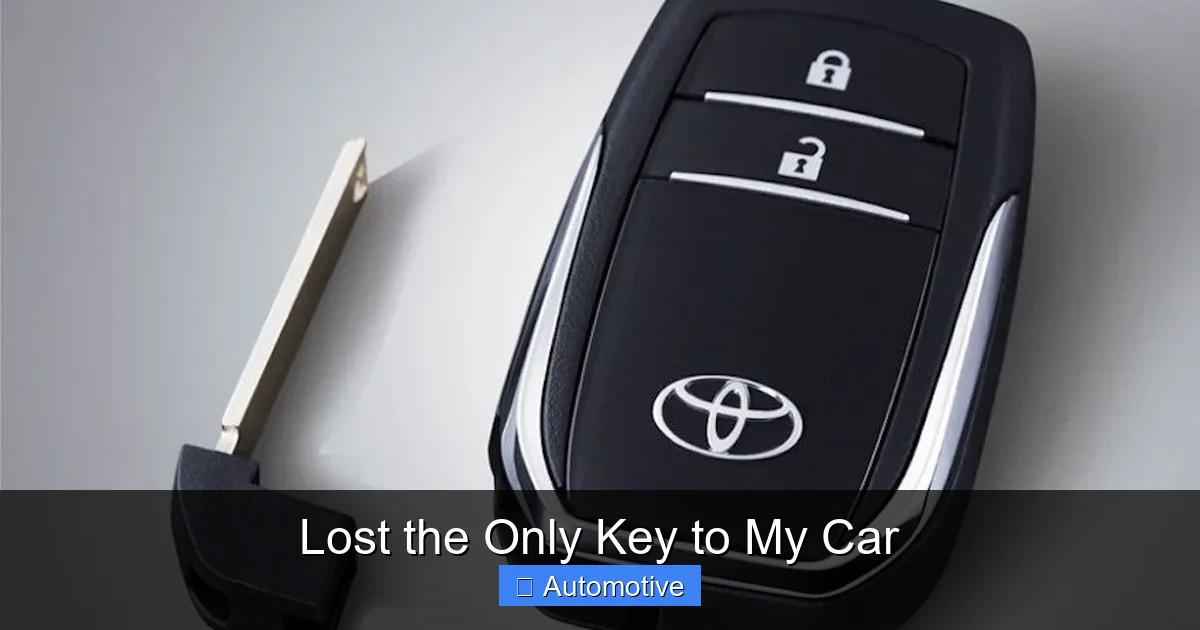
Also, check your key fob itself. Many modern fobs have a small physical key inside that can be used to unlock the driver’s door manually. Look for a small button or release tab on the fob—pressing it may pop out a traditional key blade. This won’t start the car (unless it’s an older model), but it can get you inside so you can call for help or access your glove box.
Step 2: Contact Your Dealership
Visual guide about Lost the Only Key to My Car
Image source: autolocksmithphiladelphia.com
If retracing your steps doesn’t turn up the key, it’s time to reach out to your car’s dealership. This is one of the most reliable ways to get a replacement key, especially if you have your Vehicle Identification Number (VIN) handy.
Why the VIN Matters
Your VIN is a 17-character code unique to your vehicle. It’s usually found on the driver’s side dashboard (visible through the windshield), on the driver’s door jamb, or in your owner’s manual. The dealership uses this number to verify your ownership and pull up your car’s exact specifications—including the type of key it uses.
Even if you don’t have the original key, the dealership can order a new one based on your VIN. They’ll program it to match your car’s immobilizer system, which is essential for starting the engine.
What to Expect at the Dealership
When you call or visit the dealership, be prepared to:
– Provide your VIN
– Show proof of ownership (like your registration or title)
– Present a valid photo ID
– Pay for the new key and programming (costs vary—see below)
Most dealerships can cut and program a new key within a few hours, though some may need to order it, which could take a day or two. If you’re in a rush, ask if they have the key in stock or can expedite the process.
Cost Considerations
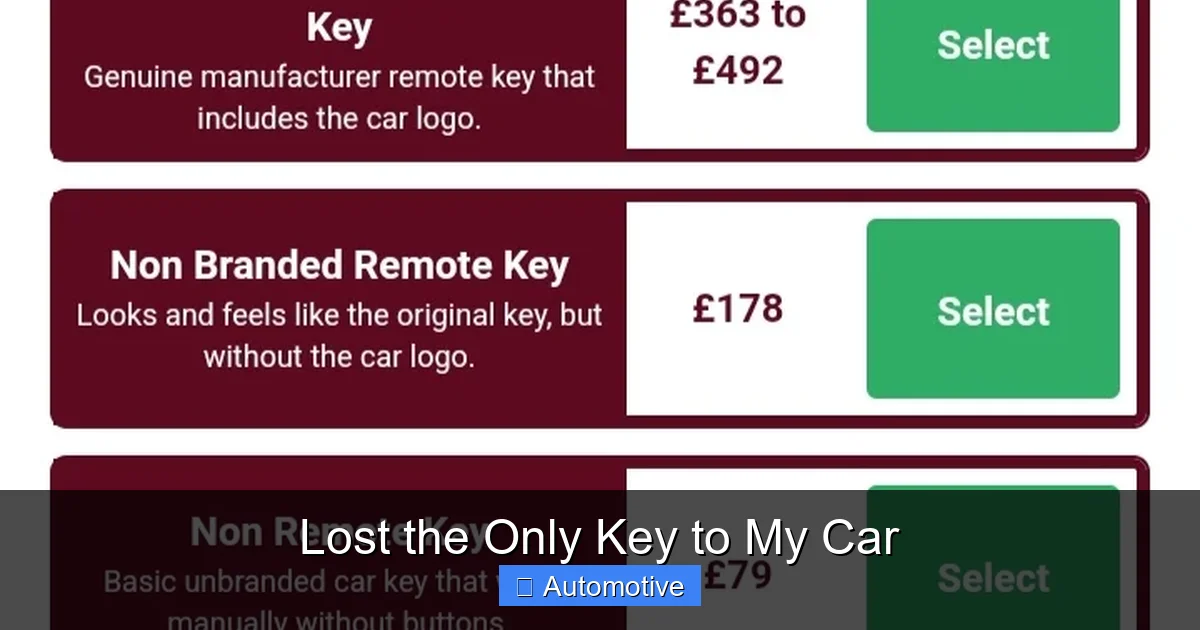
Dealership key replacement can be pricey. A basic transponder key might cost $100–$200, while a smart key fob with remote start and push-button ignition can run $300–$500 or more. Programming fees are usually included, but labor charges may apply. If you have an extended warranty or service plan, check if key replacement is covered.
Step 3: Call a Professional Automotive Locksmith
Visual guide about Lost the Only Key to My Car
Image source: fiatforum.com
If the dealership seems too expensive or too slow, a certified automotive locksmith is often a faster, more affordable alternative. These professionals specialize in car keys and locks and can often help you on the spot—even in a parking lot.
How Locksmiths Can Help
A skilled automotive locksmith can:
– Unlock your car without damaging it
– Cut a new key based on your VIN or by decoding the lock
– Program transponder keys and smart fobs
– Extract broken keys from ignition or door locks
Many locksmiths offer 24/7 emergency services, so you’re not stuck waiting until business hours. They use specialized tools and software to work with a wide range of vehicle makes and models, from Honda and Toyota to BMW and Tesla.
What to Look for in a Locksmith
Not all locksmiths are created equal. To avoid scams or poor service, choose one who:
– Is licensed, insured, and bonded
– Has positive reviews on Google, Yelp, or the Better Business Bureau
– Provides a clear estimate before starting work
– Uses OEM (original equipment manufacturer) or high-quality aftermarket keys
Avoid “mobile locksmiths” who show up in unmarked vehicles or refuse to provide a written quote. A reputable locksmith will arrive in a marked van, carry proper identification, and explain the process clearly.
Cost and Time Savings
Locksmith services are typically cheaper than dealerships. A basic key cut might cost $50–$100, while a programmed fob could be $150–$300—still often less than the dealer. Plus, many can complete the job in under an hour, getting you back on the road fast.
Step 4: Use Roadside Assistance or Insurance
If you’re a member of a roadside assistance program—like AAA, your car manufacturer’s service, or a benefit through your insurance—now is the time to use it. These services often cover lockouts and may even help with key replacement.
What Roadside Assistance Covers
Most plans include:
– Emergency lockout service (sending a technician to unlock your car)
– Towing to a dealership or locksmith
– Limited reimbursement for key replacement (check your policy)
For example, AAA’s Premier membership offers up to $150 in lockout assistance per incident. Some car insurance policies also include lockout coverage under comprehensive plans, though you may have to pay a deductible.
How to File a Claim
Call your provider’s emergency hotline and explain the situation. They’ll verify your membership or policy, then dispatch help. Be ready to provide your location, vehicle details, and proof of ownership. If they send a technician, stay with your car and keep your doors locked until help arrives.
Keep in mind: roadside assistance is great for getting you back in the car, but it may not cover the full cost of a new key. Still, it’s a valuable first step that can save you time and stress.
Step 5: Consider Long-Term Solutions
Once you’ve resolved the immediate crisis, it’s smart to think about preventing future lockouts. Losing your only key once is stressful enough—don’t let it happen again.
Get a Spare Key Made
The simplest solution is to have a spare key cut and programmed as soon as possible. Even if you only have one key now, you can get a second one made using your VIN. Store it in a safe place—like with a trusted friend, in a locked drawer at home, or in a secure key locker.
Some people keep a spare in their office or with a family member who lives nearby. Just make sure it’s someone you trust and who can get to you quickly in an emergency.
Upgrade to a Keyless Entry System
If you’re tired of worrying about keys, consider upgrading to a keyless entry system. Options include:
– **Smart key fobs** with proximity sensors (your car unlocks when you’re near)
– **Smartphone apps** that let you lock, unlock, and start your car remotely
– **Aftermarket keyless entry kits** that add push-button start and remote access
Many modern systems also include features like geofencing, alerts if you leave the car unlocked, and the ability to share digital keys with family members.
Use a Key Tracker
Devices like Tile or Apple AirTag can help you keep track of your keys. Attach one to your keychain, and use your phone to locate it if it goes missing. Some trackers even alert you if you’re about to leave your keys behind.
Step 6: Prevent Future Lockouts
The best way to deal with a lost key is to never lose it in the first place. A few simple habits can make a big difference.
Establish a Key Routine
Designate a specific spot for your keys at home—like a hook by the door, a bowl on the counter, or a key cabinet. Make it a habit to place your keys there as soon as you walk in. This reduces the chances of misplacing them.
Use a Keychain You Can’t Ignore
Choose a keychain that’s hard to overlook—brightly colored, large, or with a unique design. Some people use keychains with built-in flashlights, bottle openers, or even small tools. The more noticeable it is, the less likely you are to forget it.
Keep a Digital Backup
Take a photo of your key (especially if it has a unique shape or markings) and store it securely in your phone or cloud storage. While this won’t help you start the car, it can assist a locksmith in cutting a new key faster.
Educate Your Household
If others drive your car, make sure they know where the spare key is and how to use it. Miscommunication is a common cause of lockouts—especially with teens or new drivers.
Final Thoughts: You’re Not Stuck Forever
Losing the only key to your car is frustrating, but it’s not the end of the world. With the right approach, you can regain access quickly, affordably, and without damaging your vehicle. Whether you call a locksmith, visit the dealership, or use roadside assistance, help is available.
The key (pun intended) is to stay calm, act fast, and learn from the experience. Once you’re back on the road, take steps to prevent it from happening again. A spare key, a key tracker, or a keyless system can give you peace of mind and save you from future stress.
Remember: every driver loses their keys at some point. What matters is how you respond. Now you know exactly what to do.
Frequently Asked Questions
Can I start my car without a key?
Most modern cars require a programmed key to start due to immobilizer systems. However, if your fob has a physical key inside, you can use it to unlock the door and access the car. Some older models may allow hot-wiring, but this is illegal without ownership proof and not recommended.
How much does it cost to replace a lost car key?
Costs vary widely. A basic transponder key may cost $100–$200, while a smart fob can run $300–$500 or more. Locksmiths are often cheaper than dealerships, and roadside assistance may cover part of the expense.
Can a locksmith make a key without the original?
Yes, a certified automotive locksmith can create a new key using your VIN, by decoding the lock, or with specialized equipment. They can also program transponder and smart keys for most vehicle makes and models.
What if I don’t have my VIN?
Your VIN is usually on the driver’s side dashboard, door jamb, or registration. If you can’t access it, check your insurance card, owner’s manual, or online account with your insurer or DMV.
Will my insurance cover a lost key?
Some comprehensive auto insurance policies include lockout or key replacement coverage, but it’s not universal. Check your policy or call your provider to confirm. Roadside assistance plans are more likely to help.
How can I prevent losing my car key again?
Keep a spare key in a safe place, use a key tracker, establish a daily key routine, and consider upgrading to a keyless entry system. These simple steps can save you time, money, and stress in the future.