Lightweight Jump Starter
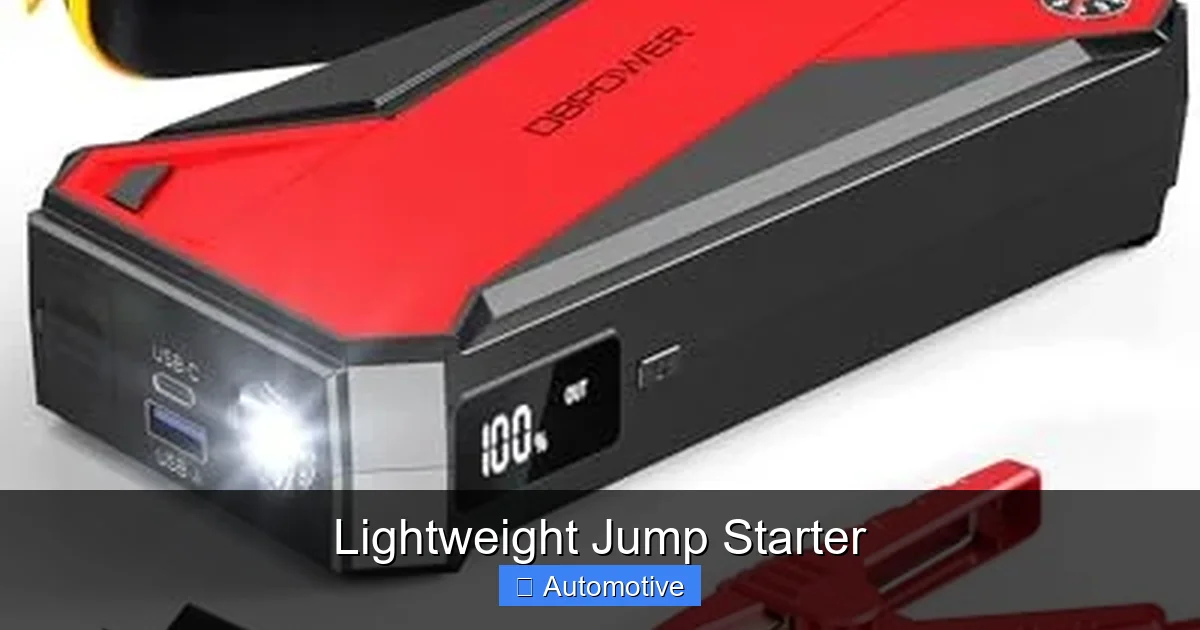
A lightweight jump starter is a compact, portable device that revives dead car batteries without needing another vehicle. These modern tools are perfect for emergencies, travel, and everyday peace of mind, combining power with convenience in a small package.
In This Article
- 1 Key Takeaways
- 2 📑 Table of Contents
- 3 What Is a Lightweight Jump Starter?
- 4 Why Choose a Lightweight Jump Starter Over Traditional Methods?
- 5 How Does a Lightweight Jump Starter Work?
- 6 Key Features to Look for in a Lightweight Jump Starter
- 7 Top Use Cases for a Lightweight Jump Starter
- 8 How to Use a Lightweight Jump Starter Safely
- 9 Top Brands and Models to Consider
- 10 Maintenance and Care Tips
- 11 Conclusion
- 12 Frequently Asked Questions
- 12.1 Can a lightweight jump starter damage my car?
- 12.2 How many times can a jump starter be used on a single charge?
- 12.3 Can I use a jump starter in the rain?
- 12.4 How long does it take to charge a lightweight jump starter?
- 12.5 Can a jump starter charge my phone?
- 12.6 Is a lightweight jump starter worth it?
Key Takeaways
- Portability and Convenience: Lightweight jump starters are easy to carry, store, and use, making them ideal for roadside emergencies or travel.
- No Second Vehicle Needed: Unlike traditional jumper cables, these devices work independently, eliminating the need for another car to jump-start yours.
- Multi-Functionality: Most models include USB ports, LED flashlights, and even air compressors, adding extra value beyond jump-starting.
- Safe and User-Friendly: Built-in safety features like reverse polarity protection and spark-proof technology reduce the risk of damage or injury.
- Fast Charging and Long Battery Life: High-quality lithium-ion batteries charge quickly and hold their charge for months, ensuring readiness when needed.
- Compatible with Various Vehicles: Suitable for cars, trucks, motorcycles, boats, and even small engines like lawnmowers or ATVs.
- Affordable and Cost-Effective: Prevent costly towing fees and battery replacements by having a reliable jump starter on hand.
📑 Table of Contents
- What Is a Lightweight Jump Starter?
- Why Choose a Lightweight Jump Starter Over Traditional Methods?
- How Does a Lightweight Jump Starter Work?
- Key Features to Look for in a Lightweight Jump Starter
- Top Use Cases for a Lightweight Jump Starter
- How to Use a Lightweight Jump Starter Safely
- Top Brands and Models to Consider
- Maintenance and Care Tips
- Conclusion
What Is a Lightweight Jump Starter?
A lightweight jump starter is a compact, battery-powered device designed to jump-start a vehicle with a dead battery. Unlike traditional jumper cables that require a second vehicle, these portable units contain their own power source—usually a high-capacity lithium-ion battery—and deliver a surge of electricity directly to your car’s battery terminals. They’re small enough to fit in a glove compartment, backpack, or emergency kit, yet powerful enough to crank engines up to 8 liters (gas) or 6 liters (diesel) in most cases.
Think of it as your personal roadside rescue team. Whether you’re stranded in a parking lot, on a remote highway, or just forgot to turn off your headlights overnight, a lightweight jump starter can get you back on the road in minutes. Modern versions are engineered for safety, ease of use, and durability, making them a must-have for every driver—especially those who value independence and preparedness.
Why Choose a Lightweight Jump Starter Over Traditional Methods?
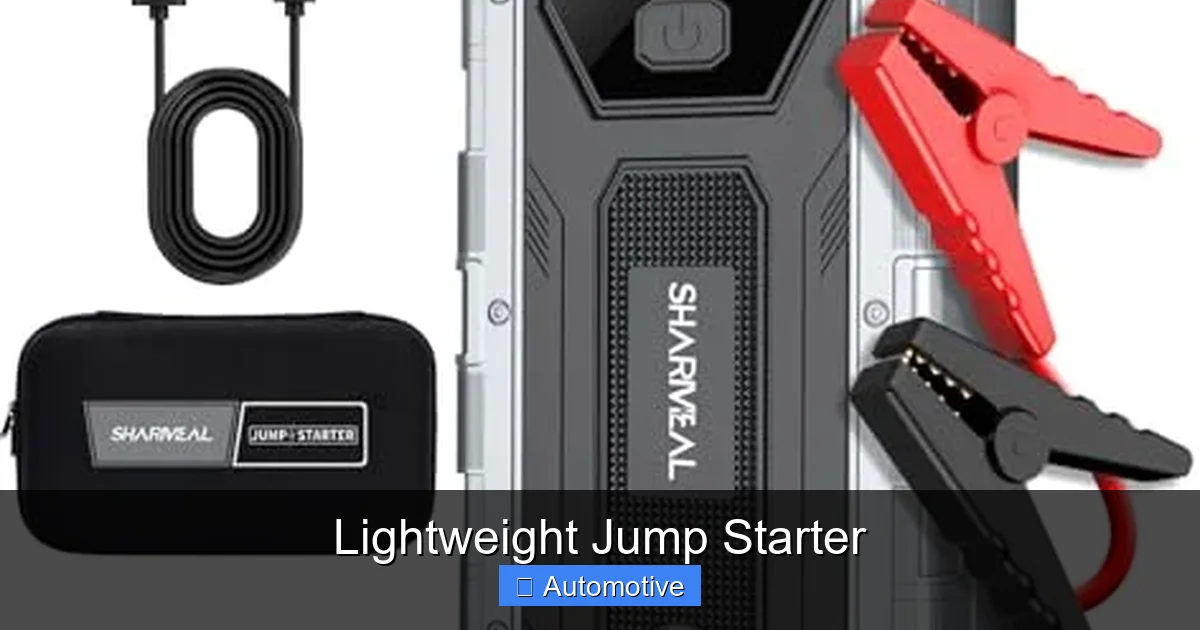
For decades, the go-to solution for a dead battery was jumper cables and a good Samaritan with a working car. While effective, this method comes with several drawbacks: it requires another vehicle, relies on someone else’s help, and can be risky if not done correctly. A lightweight jump starter eliminates these hassles by putting the power in your hands—literally.
Visual guide about Lightweight Jump Starter
Image source: m.media-amazon.com
No Dependency on Other Drivers
Picture this: It’s late at night, you’re parked in a dimly lit lot, and your car won’t start. You call a friend, but they’re an hour away. A tow truck will cost $100+. With a lightweight jump starter, you don’t need to wait or pay—you can fix the problem yourself in under five minutes. This independence is especially valuable for solo travelers, commuters, or people living in rural areas where help isn’t always nearby.
Safer and Easier to Use
Traditional jump-starting can be intimidating, especially for new drivers or those unfamiliar with car mechanics. Connecting cables incorrectly can lead to sparks, battery damage, or even injury. Lightweight jump starters come with built-in safety features like reverse polarity protection, short-circuit prevention, and spark-proof clamps. Many models also include clear LED indicators and voice prompts to guide you through the process step by step.
Compact and Travel-Friendly
One of the biggest advantages is portability. Most lightweight jump starters weigh between 1 and 3 pounds and are about the size of a thick paperback book. You can toss one in your glove box, trunk, or even a backpack without taking up valuable space. Some even come with carrying cases or built-in handles for added convenience. Whether you’re road-tripping across the country or just commuting to work, it’s easy to keep one within reach.
How Does a Lightweight Jump Starter Work?
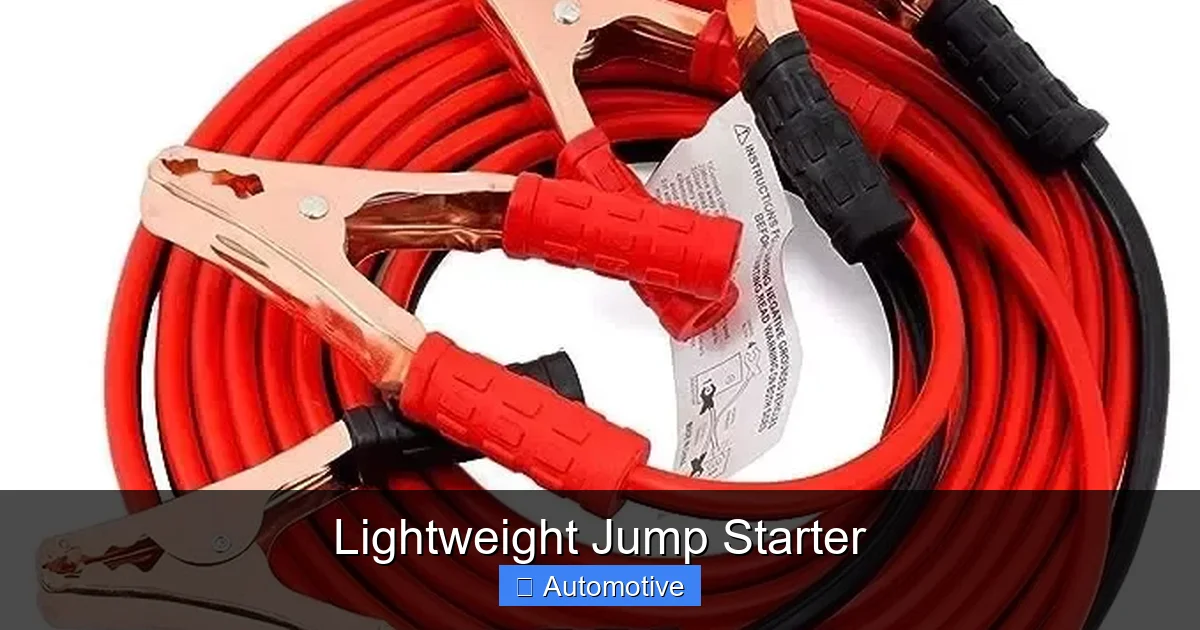
At its core, a lightweight jump starter functions like a portable battery pack—but with much higher power output. It stores electrical energy in a rechargeable lithium-ion battery and releases it in a controlled burst when connected to your vehicle’s battery. The process is simple: you clamp the device’s cables onto your battery terminals (positive to positive, negative to negative), press a button, and the jump starter delivers the necessary current to crank the engine.
Visual guide about Lightweight Jump Starter
Image source: jumpstarterpacks.com
The Science Behind the Power
Jump starters are rated by their peak amperage (the maximum current they can deliver) and cranking amperage (the sustained current during startup). For example, a 1000-amp jump starter can deliver up to 1000 amps in short bursts, which is more than enough to start most cars, SUVs, and light trucks. The lithium-ion technology used in these devices allows for high energy density, meaning they pack a lot of power into a small, lightweight frame.
Charging and Maintenance
Most models charge via a standard wall outlet, car charger, or even a USB-C port. A full charge typically takes 2 to 4 hours, depending on the capacity. Once charged, they can hold their charge for 3 to 12 months, so you don’t need to worry about it dying when you need it most. Some advanced models even feature solar charging or automatic self-discharge prevention to maintain optimal battery health.
Real-World Example
Let’s say you left your interior light on overnight. Your car won’t start the next morning. You grab your lightweight jump starter, connect the red clamp to the positive terminal and the black clamp to a grounded metal surface (like the engine block), press the power button, and wait for the green light. Then you turn the key—and the engine roars to life. Total time: under 5 minutes. No stress, no waiting, no extra cost.
Key Features to Look for in a Lightweight Jump Starter
Not all jump starters are created equal. With so many options on the market, it’s important to know what features matter most. Here’s what to look for when shopping for a reliable, high-performing model.
Visual guide about Lightweight Jump Starter
Image source: jumpstarterpacks.com
Battery Capacity and Power Output
The most critical factor is the device’s power. Look for a jump starter with at least 1000 peak amps for standard cars. If you drive a larger vehicle like an SUV or truck, aim for 1500–2000 amps. For diesel engines, which require more cranking power, choose a model rated for 2000+ amps. Also check the battery capacity, measured in milliampere-hours (mAh)—higher numbers mean longer runtime and more jump attempts per charge.
Safety Protections
Safety should never be an afterthought. The best lightweight jump starters include multiple protection systems:
- Reverse Polarity Protection: Prevents damage if you accidentally connect the clamps wrong.
- Spark-Proof Technology: Ensures no sparks are generated during connection.
- Overcurrent and Overvoltage Protection: Shields your vehicle’s electrical system from surges.
- Short-Circuit Protection: Automatically shuts off if a short is detected.
These features not only protect your car but also give you peace of mind, especially if you’re not mechanically inclined.
Additional Functions
Many modern jump starters double as multi-tools. Look for models with:
- USB Ports: Charge your phone, tablet, or GPS while on the go.
- LED Flashlight: Useful for nighttime emergencies or roadside repairs. Some include strobe or SOS modes.
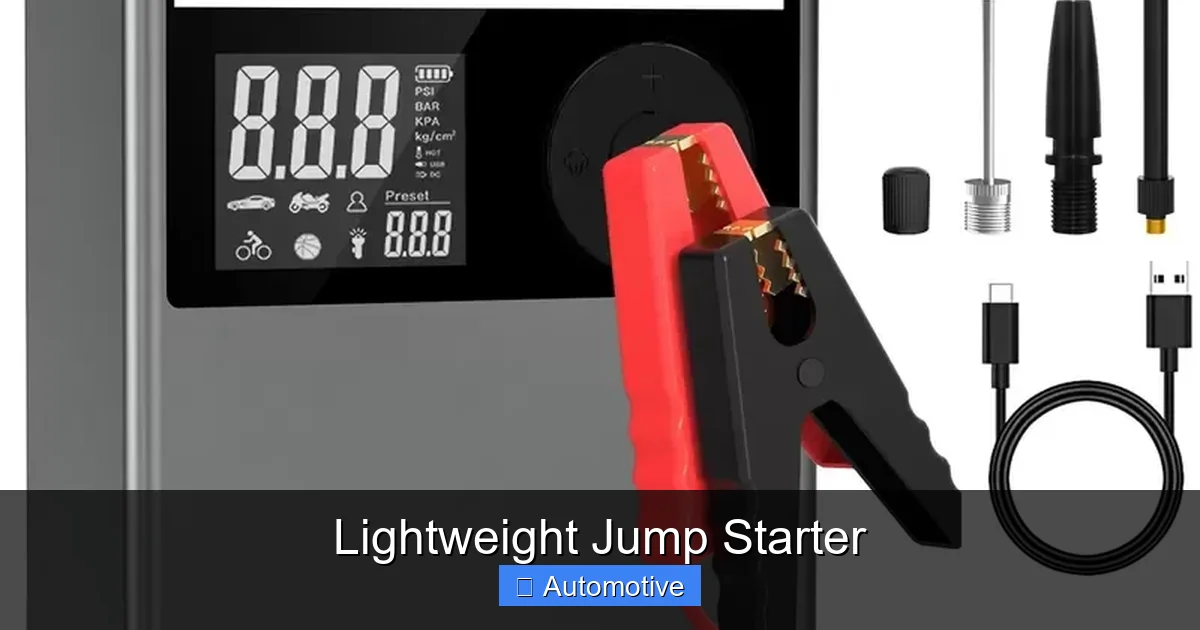
- Digital Display: Shows battery level, voltage, and error codes for easy troubleshooting.
- Air Compressor: Inflate tires, sports balls, or air mattresses—great for road trips or outdoor adventures.
These extras turn a simple jump starter into a versatile emergency kit.
Build Quality and Durability
A good jump starter should withstand drops, extreme temperatures, and rough handling. Look for rugged, shock-resistant casings and water-resistant designs (IP65 or higher). High-quality clamps with strong springs ensure a secure connection, while insulated cables reduce the risk of accidental contact.
Ease of Use
Even the most powerful device is useless if it’s too complicated. Choose a model with intuitive controls, clear labeling, and helpful indicators. Some come with voice guidance or mobile app integration for real-time diagnostics. A simple one-button operation is ideal for stress-free use during emergencies.
Top Use Cases for a Lightweight Jump Starter
A lightweight jump starter isn’t just for dead batteries. Its versatility makes it useful in a wide range of situations—both on and off the road.
Emergency Roadside Assistance
This is the most obvious use. Whether your battery dies from cold weather, a faulty alternator, or simply old age, a jump starter gets you moving again. It’s especially helpful in winter, when cold temperatures reduce battery efficiency. Instead of waiting hours for a tow, you can be back on the road in minutes.
Travel and Road Trips
If you’re driving long distances or exploring remote areas, a jump starter is a smart travel companion. You never know when you’ll encounter a dead battery in the middle of nowhere. Keeping one in your vehicle ensures you’re never stranded. Plus, many models can charge your devices, so you stay connected even in areas with poor cell service.
Motorcycles, ATVs, and Small Engines
Lightweight jump starters aren’t just for cars. They work great on motorcycles, ATVs, jet skis, lawnmowers, and snowblowers. These smaller engines often have weaker batteries that die more easily, especially in cold weather. A compact jump starter can revive them quickly and easily.
Boating and Marine Use
Marine batteries can be tricky to jump with traditional methods due to limited space and access. A portable jump starter is perfect for boats, allowing you to restart your engine without needing another vessel. Just make sure to choose a model with marine-safe features and corrosion-resistant clamps.
Home and Outdoor Use
Beyond vehicles, jump starters can power tools, charge devices during power outages, or even run small appliances in a pinch. Some models include AC outlets for added versatility. They’re also great for camping, tailgating, or outdoor events where access to electricity is limited.
How to Use a Lightweight Jump Starter Safely
Using a jump starter is simple, but following the right steps ensures safety and effectiveness. Here’s a step-by-step guide to help you get it right every time.
Step 1: Read the Manual
Every model is slightly different. Before your first use, read the user manual to understand the specific instructions, safety warnings, and features of your device.
Step 2: Prepare Your Vehicle
Turn off the engine, headlights, radio, and all electrical accessories. Put the car in park (or neutral for manual transmissions) and engage the parking brake. Open the hood and locate the battery. Identify the positive (+) and negative (-) terminals.
Step 3: Connect the Clamps
Attach the red (positive) clamp to the positive terminal of the dead battery. Then attach the black (negative) clamp to a grounded metal part of the engine block—never to the negative terminal itself. This reduces the risk of sparks near the battery, where flammable gases may be present.
Step 4: Power On and Start the Engine
Turn on the jump starter. Wait for the indicator light to show it’s ready (usually green). Then try starting the car. If it doesn’t start immediately, wait 30 seconds and try again. Most vehicles will start within one or two attempts.
Step 5: Disconnect and Recharge
Once the engine is running, disconnect the clamps in reverse order: black first, then red. Turn off the jump starter and store it safely. Recharge the device as soon as possible to prepare for future use.
Safety Tips
- Never connect the clamps to the wrong terminals.
- Don’t use the jump starter near open flames or in wet conditions unless it’s rated for water resistance.
- Keep children and pets away during use.
- If the battery is swollen, leaking, or damaged, do not attempt to jump-start it—call a professional.
Top Brands and Models to Consider
With so many options available, it helps to know which brands are trusted and reliable. Here are a few top performers in the lightweight jump starter market.
NOCO Boost Plus GB40
One of the most popular models, the NOCO GB40 delivers 1000 peak amps and can jump-start cars, trucks, and motorcycles. It features spark-proof technology, reverse polarity protection, and a built-in LED flashlight. Compact and durable, it’s a favorite among drivers for its reliability and ease of use.
DBPower 2000A Jump Starter
This high-powered option offers 2000 peak amps, making it ideal for larger vehicles and diesel engines. It includes dual USB ports, a digital display, and a bright LED light. The DBPower also has a built-in air compressor, adding extra utility for tire inflation.
GOOLOO GP4000
Known for its affordability and performance, the GOOLOO GP4000 provides 4000 peak amps—enough for most vehicles, including trucks and SUVs. It comes with a digital screen, multiple USB ports, and a rugged design. It’s a great value for the power it delivers.
Avapow A07
This sleek, compact model offers 1500 peak amps and includes a bright LED flashlight with SOS mode. It’s lightweight, easy to carry, and features intelligent safety protections. The Avapow also has a long battery life and fast recharge time.
Tacklife T8
The Tacklife T8 combines power and versatility with 2000 peak amps, a built-in air pump, and multiple charging ports. It’s designed for both cars and outdoor use, making it a great all-around emergency tool.
Maintenance and Care Tips
To keep your lightweight jump starter in top condition, follow these simple maintenance tips.
Regular Charging
Even when not in use, recharge your jump starter every 3 to 6 months to maintain battery health. Most models have a low-power mode or indicator to remind you when it’s time to charge.
Clean the Clamps and Ports
Dirt, corrosion, and moisture can affect performance. Wipe the clamps and charging ports with a dry cloth regularly. Avoid using water or cleaning agents unless specified by the manufacturer.
Store in a Cool, Dry Place
Extreme heat or cold can damage the battery. Store your jump starter in a temperature-controlled environment, like your home or car interior, rather than in a hot garage or freezing trunk.
Check for Damage
Inspect the cables, clamps, and casing for cracks, fraying, or wear. If you notice any damage, stop using the device and contact the manufacturer or replace it.
Update Firmware (If Applicable)
Some advanced models allow firmware updates via USB or app. Check the manufacturer’s website periodically for updates that improve performance or add new features.
Conclusion
A lightweight jump starter is more than just a backup plan—it’s a smart investment in safety, convenience, and peace of mind. Whether you’re a daily commuter, weekend adventurer, or just someone who wants to be prepared, having one in your vehicle can save you time, money, and stress. With no need for another car, built-in safety features, and multi-functional capabilities, these devices are revolutionizing roadside assistance.
From reviving a dead battery in minutes to charging your phone during a power outage, a quality lightweight jump starter proves its worth time and time again. When choosing one, focus on power, safety, and ease of use. With the right model, you’ll never have to worry about being stranded again. So don’t wait for the next flat battery—get your lightweight jump starter today and drive with confidence.
Frequently Asked Questions
Can a lightweight jump starter damage my car?
No, a properly designed lightweight jump starter with safety features like reverse polarity and spark-proof technology will not damage your vehicle. Always follow the manufacturer’s instructions to ensure safe use.
How many times can a jump starter be used on a single charge?
Most models can jump-start a car 10 to 30 times on a full charge, depending on the battery size and engine type. Smaller engines require less power, so you’ll get more uses.
Can I use a jump starter in the rain?
Only if the model is rated for water resistance (e.g., IP65 or higher). Using a non-waterproof device in wet conditions can be dangerous and may damage the unit.
How long does it take to charge a lightweight jump starter?
Charging time varies by model, but most take between 2 and 4 hours using a wall outlet. Some support fast charging via USB-C for quicker top-ups.
Can a jump starter charge my phone?
Yes, most lightweight jump starters include USB ports that can charge smartphones, tablets, and other USB-powered devices, making them great for emergencies and travel.
Is a lightweight jump starter worth it?
Absolutely. For the price of a single tow truck call, you can buy a reliable jump starter that works instantly, requires no help, and serves multiple purposes beyond jump-starting.