Key Won’t Turn in Car
When your key won’t turn in the car, it’s often due to a locked steering wheel, low battery, or worn ignition components. Most issues can be resolved with simple troubleshooting steps like jiggling the steering wheel or cleaning the ignition cylinder—no mechanic required.
In This Article
- 1 Key Takeaways
- 2 📑 Table of Contents
- 3 Why Your Key Won’t Turn in the Car (And What You Can Do About It)
- 4 Common Causes of a Key That Won’t Turn
- 5 Step-by-Step Troubleshooting Guide
- 6 When to Call a Professional Mechanic
- 7 Prevention Tips to Avoid Future Lockups
- 8 Advanced Considerations: Transponder Keys and Modern Ignitions
- 9 Conclusion: Stay Calm, Troubleshoot Smart
- 10 Frequently Asked Questions
- 10.1 Why won’t my key turn even though the car starts with a push button?
- 10.2 Can I use WD-40 to fix a stuck ignition key?
- 10.3 How often should I replace my car key?
- 10.4 Will a locksmith be able to help if my key is stuck?
- 10.5 Can cold weather cause my key to not turn?
- 10.6 Is it safe to drive if my key sometimes gets stuck?
Key Takeaways
- Steering wheel lock is the #1 cause: If your wheels are turned while parked, the steering column may lock, preventing the key from turning.
- Check your gear shift: Automatic cars won’t allow the key to turn unless the shifter is fully in “Park.”
- Dead battery can mimic ignition failure: Even if lights work, a weak battery may not power the ignition system properly.
- Worn keys damage the ignition cylinder: A bent or heavily used key can jam the tumblers inside the lock.
- Lubrication helps—but use the right kind: Graphite-based lubricant is safe for ignition locks; avoid oil-based sprays that attract dirt.
- Ignition cylinder wear is common over time: After 100,000+ miles, internal components may need replacement by a professional.
- Don’t force the key: Forcing it can break the key or damage the ignition—try gentle wiggling and troubleshooting first.
📑 Table of Contents
- Why Your Key Won’t Turn in the Car (And What You Can Do About It)
- Common Causes of a Key That Won’t Turn
- Step-by-Step Troubleshooting Guide
- When to Call a Professional Mechanic
- Prevention Tips to Avoid Future Lockups
- Advanced Considerations: Transponder Keys and Modern Ignitions
- Conclusion: Stay Calm, Troubleshoot Smart
Why Your Key Won’t Turn in the Car (And What You Can Do About It)
Picture this: You’re running late for work, groceries, or picking up the kids. You slide your key into the ignition—only to find it won’t budge. No matter how hard you twist, it just sits there, stubborn and uncooperative. Frustrating? Absolutely. But before you panic or call a tow truck, know this: **a key that won’t turn in the car is one of the most common—and often easily fixable—automotive issues out there.**
Most drivers encounter this problem at least once in their lifetime, and the good news is that it rarely means your car is broken beyond repair. In fact, over 80% of “key won’t turn” incidents stem from simple mechanical or electrical glitches that you can resolve yourself with a few smart moves. Whether it’s a locked steering wheel, a misaligned gear shifter, or a dusty ignition cylinder, understanding the root cause is half the battle.
In this guide, we’ll walk you through every possible reason your key might be stuck, how to diagnose the issue quickly, and what steps you can take—right now—to get back on the road. We’ll also cover when it’s time to call a pro, how to prevent future lockups, and why forcing your key is one of the worst things you can do. So grab your spare key (just in case!), and let’s get that ignition turning smoothly again.
Common Causes of a Key That Won’t Turn
Visual guide about Key Won’t Turn in Car
Image source: evilution.co.uk
When your key refuses to turn, it’s easy to assume the worst—like a seized engine or fried ignition switch. But in reality, the culprit is usually something much simpler. Let’s break down the most frequent reasons this happens, so you can identify the issue fast.
1. Steering Wheel Lock Engagement
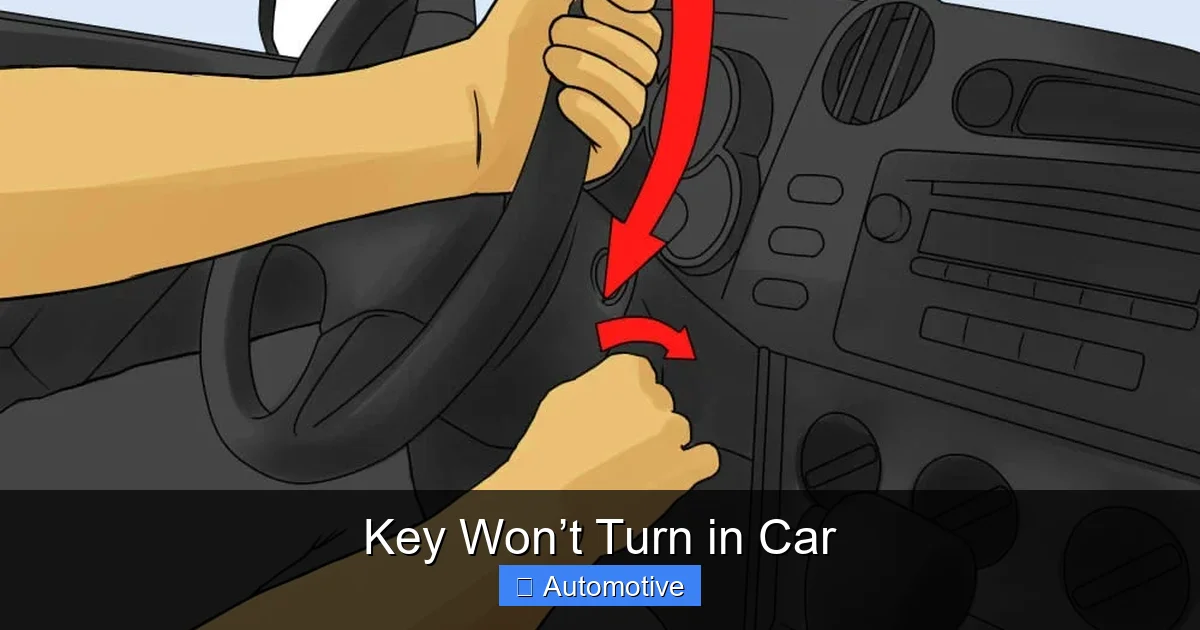
This is hands-down the #1 reason people can’t turn their key. Modern cars are designed with a security feature that locks the steering wheel when the key is removed—especially if the wheels are turned while parked. If you parked on a hill or turned the wheel sharply before shutting off the engine, the steering column may have engaged its internal lock. This mechanism physically prevents the ignition from rotating because the system thinks the car is being tampered with.
The fix? **Gently wiggle the steering wheel left and right while simultaneously trying to turn the key.** You’ll often feel a slight “click” when the lock releases. Don’t force it—just apply steady pressure to the wheel and a light twist to the key. It usually takes only a few seconds.
2. Gear Shift Not Fully in Park
If you drive an automatic, your car has a safety interlock that prevents the key from turning unless the transmission is fully in “Park.” Sometimes, especially on rough roads or if you shift quickly, the gear selector doesn’t click all the way into position. The result? The ignition thinks the car is still in gear and won’t allow the key to rotate.
Try this: **Shift firmly into “Park,” then back to “Neutral,” and then return to “Park” again.** Listen for a solid click. Then attempt to turn the key. If that doesn’t work, check your dashboard—some cars have a warning light or message indicating the shifter isn’t fully engaged.
3. Dead or Weak Battery
You might think, “But my lights and radio work!”—and that’s true. However, the ignition system requires more power than accessories. A battery that’s just barely alive can run your interior lights but not provide enough juice to engage the ignition solenoid or electronic steering lock (in newer vehicles). This is especially common in cold weather, when battery performance drops.
Test it: **Try turning the key while someone else gently presses the brake pedal or turns on the headlights.** If the key suddenly turns when more electrical load is applied, your battery is likely the issue. Jump-starting or replacing the battery often solves the problem.
4. Worn or Damaged Key
Keys wear down over time—especially if you carry them in a heavy keychain or use them to open packages. A bent, chipped, or overly worn key won’t align properly with the tumblers inside the ignition cylinder, causing it to jam. This is more common with older vehicles or keys that haven’t been duplicated recently.
Inspect your key: **Look for visible wear, bends, or missing teeth.** Compare it to your spare key—if the spare looks fresher, try using it instead. If the spare works, it’s time to get a new copy made from the original (not a worn duplicate).
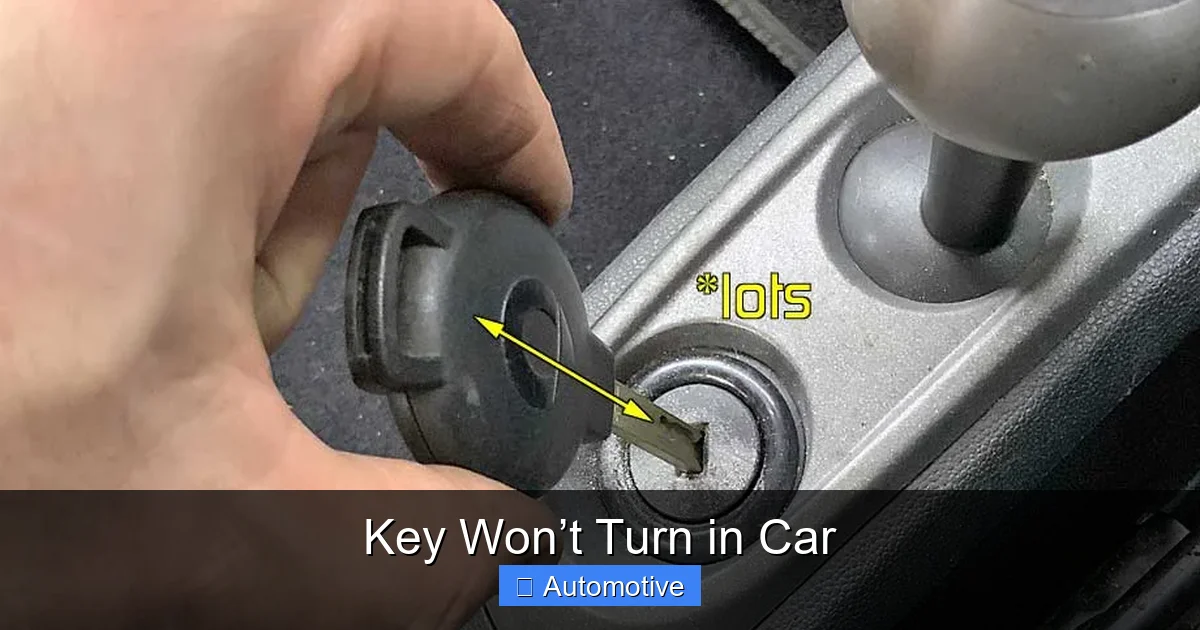
5. Dirty or Dry Ignition Cylinder
Dust, dirt, and debris can accumulate inside the ignition cylinder over months and years. Without proper lubrication, the internal pins and tumblers can stick, making it hard—or impossible—for the key to turn. This is especially true in areas with high humidity, sand, or road salt exposure.
The solution isn’t oil—it’s **graphite-based lubricant**, which won’t attract grime like WD-40 or silicone sprays. Spray a small amount directly into the keyhole, insert and remove the key several times to work it in, then try turning again.
Step-by-Step Troubleshooting Guide
Visual guide about Key Won’t Turn in Car
Image source: i.ytimg.com
Now that you know the common causes, let’s walk through a practical, step-by-step process to get your key turning again. Follow these in order—they’re designed to be safe, non-destructive, and effective.
Step 1: Check the Gear Shift
Start here because it’s quick and easy. Make sure your car is in “Park” (for automatics) or fully disengaged (for manuals). If you’re unsure, shift into “Neutral,” then back to “Park” with firm pressure. Listen for a solid click. On some vehicles, you may need to press the brake pedal to release the shifter fully.
Step 2: Wiggle the Steering Wheel
With the key inserted, gently rock the steering wheel left and right while applying light pressure to turn the key. Don’t jerk or force it—just steady, alternating pressure. You should feel the lock disengage within 10–15 seconds. If the wheel feels completely locked, try turning the key slightly while wiggling—sometimes a tiny rotation is all it takes to release the mechanism.
Step 3: Test the Battery
Turn on your headlights or interior lights. Do they dim significantly when you try to turn the key? If so, your battery may be weak. Try jump-starting the car or connecting a portable battery booster. If the key turns after a jump, replace the battery soon—don’t wait for a full failure.
Step 4: Inspect and Clean the Key
Remove your key and examine it under good light. Is it bent? Are the grooves worn smooth? Compare it to your spare. If the spare looks better, use it instead. If you only have one key, consider getting a professional copy made from the original code (not by duplicating the worn key).
Step 5: Lubricate the Ignition Cylinder
Use a can of dry graphite lubricant (available at auto parts stores). Shake well, then spray a small amount directly into the keyhole. Insert and remove the key 5–6 times to distribute the lubricant. Wait 30 seconds, then try turning the key. Avoid oil-based products—they gum up over time.
Step 6: Try the Spare Key
If you have a spare, now’s the time to use it. Sometimes the primary key is just too worn. If the spare works, your main key needs replacement.
Step 7: Check for Electronic Issues (Newer Cars)
In vehicles with push-button start or advanced security systems, a faulty key fob battery or immobilizer issue can prevent the ignition from responding—even with a physical key. Try replacing the fob battery or using the physical key blade (if your fob has one) to manually unlock and start the car.
When to Call a Professional Mechanic

Visual guide about Key Won’t Turn in Car
Image source: storage.googleapis.com
Most “key won’t turn” problems are DIY-friendly, but there are times when you should stop troubleshooting and call a pro. Ignoring these signs can lead to bigger—and more expensive—problems.
Signs You Need a Mechanic
- The key turns but the engine won’t start: This could indicate a faulty ignition switch, starter motor, or fuel system issue—beyond simple lockup.
- You hear grinding or clicking when turning the key: This suggests internal damage to the ignition cylinder or starter gear.
- The key is stuck and won’t come out: This may mean the shift interlock is malfunctioning or the cylinder is seized.
- Multiple keys fail to turn: If both your primary and spare keys won’t work, the ignition cylinder itself is likely worn out and needs replacement.
- You’ve tried all steps and nothing works: After 15–20 minutes of safe troubleshooting, it’s time to get expert help.
What a Mechanic Can Do
A qualified automotive locksmith or mechanic can:
– Replace a worn ignition cylinder (usually in under an hour)
– Reprogram keys for vehicles with transponder chips
– Diagnose electrical faults in the ignition circuit
– Repair or replace damaged steering column locks
Ignition cylinder replacement typically costs between $150 and $400, depending on the vehicle. While it’s not cheap, it’s far less than towing and emergency lockout services.
Prevention Tips to Avoid Future Lockups
An ounce of prevention is worth a pound of cure—especially when it comes to your car’s ignition system. Here’s how to keep your key turning smoothly for years to come.
1. Park with Wheels Straight
Whenever possible, park on level ground and keep your wheels pointed straight ahead before turning off the engine. This reduces the chance of the steering wheel locking in a turned position.
2. Use the Correct Gear
Always ensure your automatic transmission is fully in “Park” before removing the key. On manual cars, leave it in first gear or reverse (with the parking brake on) to prevent rolling.
3. Replace Worn Keys Promptly
If your key shows signs of wear, get a new one made from the original code—not by duplicating the worn key. Many dealerships and locksmiths can cut keys from your VIN or existing code.
4. Lubricate Annually
Once a year, spray a small amount of graphite lubricant into your ignition cylinder and door locks. This keeps internal components moving freely and prevents buildup.
5. Avoid Heavy Keychains
Excessive weight on your keychain can bend the key or strain the ignition cylinder over time. Keep it light—just essentials.
6. Keep Spare Keys in Good Condition
Store spare keys in a dry, safe place. Don’t leave them in glove boxes or trunks where they can get damaged or lost.
Advanced Considerations: Transponder Keys and Modern Ignitions
If you drive a car made in the last 20 years, your key likely contains a transponder chip—a small electronic device that communicates with your car’s immobilizer system. Without the correct signal, the engine won’t start, even if the key turns physically.
How Transponder Keys Work
When you insert the key, the ignition sends a radio signal to the chip. If the chip responds with the correct code, the car allows the engine to start. If not, it blocks fuel or ignition.
Common Transponder Issues
– **Dead fob battery:** Even if the physical key turns, a dead battery in the fob can prevent the chip from transmitting.
– **Damaged chip:** Dropping the key or exposure to moisture can crack the chip.
– **Immobilizer fault:** The car’s security system may误识别 the key as unauthorized.
Solutions
– Replace the fob battery (usually a CR2032 coin cell).
– Use the physical key blade if your fob has one.
– Visit a dealership or locksmith to reprogram or replace the key.
Note: You can’t duplicate a transponder key at a hardware store—most require specialized equipment and programming.
Conclusion: Stay Calm, Troubleshoot Smart
A key that won’t turn in the car is stressful—but it’s rarely a sign of serious trouble. More often than not, it’s a simple fix like a locked steering wheel, a misaligned shifter, or a dusty ignition cylinder. By following the steps in this guide, you can resolve most issues in under 10 minutes without calling a tow truck or spending hundreds on repairs.
Remember: **Don’t force the key.** Gentle pressure, patience, and the right technique go a long way. Keep your keys in good condition, maintain your ignition system, and always have a spare on hand. And if all else fails, don’t hesitate to call a professional—they’re there to help.
With a little know-how and the right approach, you’ll never be stranded by a stubborn key again. Stay safe, stay prepared, and keep turning that key with confidence.
Frequently Asked Questions
If your car has a push-button start but the physical key won’t turn in the ignition, it’s likely a separate mechanical issue—like a locked steering wheel or dirty cylinder. The push-button system uses a different mechanism, so the key lock can fail independently.
Can I use WD-40 to fix a stuck ignition key?
No—WD-40 is oil-based and attracts dirt, which can gum up the ignition over time. Use dry graphite lubricant instead, which cleans and lubricates without residue.
How often should I replace my car key?
There’s no set timeline, but if your key is visibly worn, bent, or hard to insert, replace it. Most experts recommend getting a new copy every 5–7 years or after 100,000 miles.
Will a locksmith be able to help if my key is stuck?
Yes—professional locksmiths can extract broken keys, repair ignition cylinders, and program new transponder keys. They’re often faster and cheaper than dealerships.
Can cold weather cause my key to not turn?
Yes. Cold temperatures can thicken lubricants inside the ignition and reduce battery power, making it harder to turn the key. Parking in a garage or using a battery warmer can help.
Is it safe to drive if my key sometimes gets stuck?
No. Intermittent sticking can worsen and leave you stranded. Have the ignition inspected as soon as possible to prevent total failure.