Jump Starter with Usb Ports

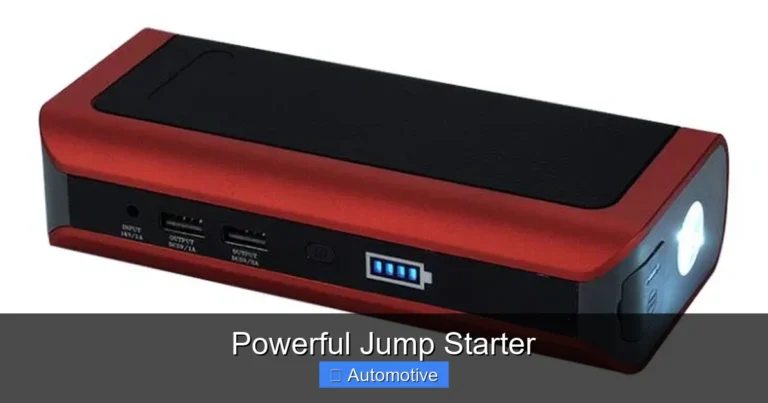
A jump starter with USB ports is a must-have automotive tool that revives dead car batteries and charges phones, tablets, and more on the go. Compact, powerful, and versatile, these devices combine emergency jump-starting with portable power, making them perfect for drivers, campers, and travelers.
This is a comprehensive guide about Jump Starter With Usb Ports.
In This Article
- 1 Key Takeaways
- 2 What Is a Jump Starter with USB Ports?
- 3 Why Every Driver Needs a Jump Starter with USB Ports
- 4 Key Features to Look for in a Jump Starter with USB Ports
- 5 Top Uses and Real-Life Scenarios
- 6 How to Use a Jump Starter with USB Ports Safely
- 7 Maintaining Your Jump Starter with USB Ports
- 8 Conclusion
- 9 Frequently Asked Questions
Key Takeaways
- Dual Functionality: Jump starters with USB ports not only restart dead car batteries but also charge smartphones, GPS units, and other USB-powered devices.
- Portable and Compact: Most models are lightweight and small enough to store in your glove box or trunk, ensuring you’re never caught unprepared.
- Safety Features Matter: Look for built-in protections like reverse polarity alarms, short-circuit prevention, and spark-proof clamps to ensure safe use.
- Battery Capacity Determines Power: Measured in peak amps and mAh, higher ratings mean better performance for larger vehicles and longer device charging.
- Ideal for Emergencies and Daily Use: Whether you’re stranded on a highway or camping off-grid, a USB jump starter offers reliable backup power.
- Easy to Use: Most units feature simple one-button operation and LED indicators, making them user-friendly even for non-mechanics.
- Invest in Quality: A well-reviewed, reputable brand ensures durability, reliability, and long-term value over cheaper, less dependable alternatives.
[FEATURED_IMAGE_PLACEHOLDER]
What Is a Jump Starter with USB Ports?
A jump starter with USB ports is a portable power device designed to restart a vehicle with a dead battery while also offering the added benefit of charging electronic devices via USB. Unlike traditional jumper cables that require a second vehicle, these standalone units contain their own rechargeable lithium-ion or lithium-polymer batteries, allowing you to jump-start your car anywhere—no other car needed.
What makes these devices especially valuable is their dual functionality. In addition to delivering the high burst of power needed to crank an engine, they come equipped with one or more USB-A or USB-C ports. This means you can plug in your phone, tablet, Bluetooth speaker, or even a portable cooler while waiting for roadside assistance or during a camping trip. Think of it as a hybrid between a car battery booster and a power bank—compact, convenient, and incredibly useful.
These jump starters are commonly used by everyday drivers, road trippers, delivery workers, and outdoor enthusiasts. They’re particularly helpful in cold weather when car batteries are more likely to fail, or in remote areas where help may be hours away. With advancements in battery technology, modern jump starters are now lighter, more powerful, and safer than ever before.
How Does It Work?
At its core, a jump starter with USB ports works by storing electrical energy in an internal battery, which can then be released in two ways: as a high-current burst to start a car engine, or as a steady flow of power to charge USB devices. When you connect the jumper cables to your car’s battery terminals (positive to positive, negative to negative), the jump starter detects the connection and delivers a surge of amps to overcome the dead battery’s resistance and turn over the engine.
Most modern units use smart circuitry to monitor voltage and current, preventing damage to your vehicle’s electrical system. Once the engine is running, the alternator takes over, and the jump starter can be disconnected. Meanwhile, the USB ports operate independently, drawing power from the same internal battery but at a lower, regulated voltage (typically 5V) suitable for charging gadgets.
Some advanced models even feature digital displays that show battery level, output voltage, and error codes. Others include built-in flashlights with SOS modes, making them useful in nighttime emergencies. The entire process is designed to be user-friendly—no mechanical knowledge required.
Why Every Driver Needs a Jump Starter with USB Ports
Imagine this: It’s a cold winter morning, you’re running late for work, and your car won’t start. The battery is dead, and there’s no other vehicle in sight to give you a jump. Sound familiar? This is where a jump starter with USB ports becomes a lifesaver. Unlike traditional jumper cables, which depend on another car, a portable jump starter works independently, giving you the freedom to revive your vehicle anywhere—on a deserted road, in a parking garage, or even in your own driveway.
But the benefits go beyond just jump-starting. In today’s connected world, our phones are essential for navigation, communication, and emergencies. A dead phone battery can leave you stranded without GPS or the ability to call for help. A jump starter with USB ports solves both problems at once. You can jump your car and charge your phone simultaneously, ensuring you stay powered and connected no matter where you are.
These devices are also incredibly useful for people who drive older vehicles, live in extreme climates, or frequently travel long distances. Cold weather reduces battery efficiency, while heat can degrade battery life over time. A jump starter acts as a reliable backup, reducing the stress of unexpected breakdowns. Plus, many models are small enough to fit in a glove compartment or center console, so they’re always within reach when needed.
Perfect for Road Trips and Outdoor Adventures
If you love camping, hiking, or RVing, a jump starter with USB ports is a must-pack item. When you’re miles from the nearest gas station or cell tower, having a reliable power source can make all the difference. Use it to jump-start your vehicle after a long night with the headlights on, or keep your phone charged to stay in touch with family or access offline maps.
Some outdoor enthusiasts even use these devices to power small appliances like portable fans, LED lights, or mini fridges—especially if the jump starter includes a 12V DC outlet in addition to USB ports. This makes them ideal for overlanding, boondocking, or emergency preparedness kits. You’re not just preparing for a dead battery; you’re building a mobile power station.
Peace of Mind for Families and Seniors
For families with young children or elderly drivers, safety and reliability are top priorities. A jump starter with USB ports offers peace of mind by reducing dependence on strangers for help. You don’t have to flag down another driver or wait for a tow truck in bad weather. With a simple press of a button, you can get back on the road quickly and safely.
Additionally, many models come with built-in flashlights, which are especially helpful during nighttime breakdowns. Some even include red warning lights or SOS strobes to alert other drivers. These small features can significantly improve safety, especially on busy highways or poorly lit roads.
Key Features to Look for in a Jump Starter with USB Ports
Not all jump starters are created equal. With so many options on the market, it’s important to know what features matter most. Here are the key factors to consider when choosing a jump starter with USB ports:
Battery Capacity and Peak Amps
The most critical specs are battery capacity (measured in milliampere-hours, or mAh) and peak amperage (measured in amps). The peak amps determine how powerful the jump start will be—higher numbers mean the device can start larger engines, such as those in trucks, SUVs, or diesel vehicles. For most cars, a jump starter with 400–600 peak amps is sufficient, but if you drive a larger vehicle, aim for 1000+ peak amps.
Battery capacity, on the other hand, affects how many times you can jump-start a car and how long you can charge devices. A 10,000mAh battery might give you 1–2 jump starts and charge a phone 2–3 times, while a 20,000mAh model could offer 3–4 jumps and multiple device charges. Look for a balance between power and portability.
USB Port Types and Charging Speed
Check what types of USB ports the jump starter includes. Most models have at least one USB-A port, but newer ones may also feature USB-C with Power Delivery (PD) for faster charging. USB-C PD can charge compatible phones and tablets much quicker than standard USB-A, which is a big plus if you’re in a hurry.
Also, look for smart charging technology that detects the device and delivers the optimal charging speed. This prevents overheating and extends the life of your gadgets. Some jump starters even support pass-through charging, meaning you can charge the jump starter while it’s charging your phone—ideal for long trips.
Safety Protections
Safety should never be overlooked. A quality jump starter with USB ports will include multiple protection features to prevent accidents. These include:
- Reverse Polarity Protection: Alerts you if the cables are connected incorrectly.
- Short-Circuit Protection: Automatically shuts off power if a short is detected.
- Overcurrent and Overvoltage Protection: Safeguards your vehicle’s electrical system.
- Spark-Proof Clamps: Reduce the risk of sparks when connecting to the battery.
- Overheat Protection: Shuts down the unit if it gets too hot.
These features are especially important for first-time users or those unfamiliar with car batteries. They ensure that even if you make a mistake, the device won’t cause damage or injury.
Additional Features
Beyond the basics, many jump starters come with extra features that enhance usability:
- Built-in Flashlight: Useful for nighttime jumps or emergencies. Look for models with multiple modes (high, low, SOS, strobe).
- Digital Display: Shows battery level, voltage, and error messages for easier troubleshooting.
- 12V DC Output: Allows you to power car accessories like air compressors or coolers.
- Compact Design: Lightweight and easy to store. Some models even come with carrying cases.
- Fast Recharge Time: USB-C input allows quicker recharging of the jump starter itself.
While these extras aren’t essential, they can significantly improve the overall experience and make the device more versatile.
Top Uses and Real-Life Scenarios
A jump starter with USB ports isn’t just for emergencies—it’s a versatile tool that fits into many aspects of daily life. Here are some real-world situations where it proves invaluable:
Dead Battery on a Cold Morning
You wake up to a freezing car that won’t start. The battery is drained from leaving the lights on overnight. Instead of waiting for a friend or calling a tow truck, you grab your jump starter, connect the clamps, and within minutes, your engine is running. While it’s warming up, you plug in your phone to check traffic and call your boss to say you’re on your way.
Roadside Breakdown in a Remote Area
You’re driving through a rural area with no cell service. Your car dies, and you’re miles from the nearest town. With a jump starter, you can restart your vehicle and use the USB port to charge a portable GPS or satellite messenger to call for help. The built-in flashlight also helps you see in the dark while working under the hood.
Camping or Tailgating
At a campsite or football game, you use your jump starter to power a portable speaker, charge your camera, or keep your phone alive for photos. If your car battery dies after leaving the headlights on, you can jump it without needing another vehicle. Some campers even use it to power small electric grills or lanterns via a 12V adapter.
Professionals who spend long hours in their cars often face battery drain from frequent starts and stops. A jump starter ensures they’re never stranded between deliveries. Plus, they can keep their phones charged for navigation and communication without relying on car chargers that may not work if the battery is low.
Emergency Preparedness
In natural disasters like hurricanes or snowstorms, power outages are common. A jump starter with USB ports can keep essential devices charged, including medical equipment, radios, or emergency lights. It’s a smart addition to any home emergency kit.
How to Use a Jump Starter with USB Ports Safely
Using a jump starter with USB ports is simple, but safety should always come first. Follow these steps to ensure a smooth and safe jump-start:
Step-by-Step Guide
- Turn off the engine and all electronics in both the dead vehicle and the jump starter.
- Locate the battery terminals under the hood. Identify the positive (+) and negative (-) posts.
- Connect the red clamp to the positive terminal of the dead battery.
- Connect the black clamp to the negative terminal or a grounded metal surface (like a bolt or bracket) on the engine block—never to the battery’s negative post directly.
- Turn on the jump starter and wait a few seconds for it to detect the connection.
- Start the dead vehicle. If it doesn’t start immediately, wait 30–60 seconds and try again.
- Once the engine is running, disconnect the clamps in reverse order: black first, then red.
- Keep the engine running for at least 15–20 minutes to allow the alternator to recharge the battery.
Safety Tips
- Always read the user manual before first use.
- Never connect the clamps to the wrong terminals—this can cause sparks, damage, or injury.
- Keep the jump starter away from water, heat, and flammable materials.
- Do not use the jump starter if it’s damaged or swollen.
- Store it in a cool, dry place and recharge it every 3–6 months to maintain battery health.
Maintaining Your Jump Starter with USB Ports
To keep your jump starter with USB ports in top condition, regular maintenance is key. Here’s how to extend its lifespan and ensure it’s ready when you need it:
Recharge Regularly
Even when not in use, lithium batteries slowly lose charge. To prevent deep discharge, recharge your jump starter every 3–6 months. Most models have an indicator light that shows when it’s time to recharge. Some advanced units even send reminders via a mobile app.
Store Properly
Keep the device in a cool, dry place—avoid extreme temperatures. Don’t leave it in a hot car during summer or a freezing garage in winter. High heat can degrade the battery, while cold can reduce performance. A glove box or trunk storage bag is ideal.
Clean the Clamps and Ports
Dirt, grease, or corrosion on the clamps can interfere with connections. Wipe them clean with a dry cloth periodically. Use a cotton swab and rubbing alcohol to gently clean USB ports if they become dusty.
Check for Damage
Inspect the jump starter before each use. Look for cracks, swelling, or loose parts. If the battery appears puffy or the device feels unusually warm, stop using it immediately and contact the manufacturer.
Update Firmware (If Applicable)
Some smart jump starters allow firmware updates via USB or an app. These updates can improve performance, fix bugs, or add new features. Check the manufacturer’s website periodically for updates.
Conclusion
A jump starter with USB ports is more than just a car accessory—it’s a smart investment in safety, convenience, and peace of mind. Whether you’re dealing with a dead battery on a cold morning, charging your phone during a road trip, or preparing for emergencies, this versatile device has you covered. With the right model, you get reliable jump-starting power and portable charging in one compact package.
When choosing a jump starter, prioritize safety features, battery capacity, and USB charging speed. Look for reputable brands with positive reviews and solid warranties. And remember, proper maintenance ensures your device is always ready when you need it most. In a world where we rely on our vehicles and devices more than ever, a jump starter with USB ports is no longer a luxury—it’s a necessity.
Frequently Asked Questions
Can a jump starter with USB ports charge a laptop?
Most standard jump starters with USB ports cannot charge laptops directly, as laptops typically require higher voltage and wattage than USB-A or even USB-C PD can provide. However, some high-end models with 12V DC outlets or specialized laptop adapters may support limited charging for certain laptops.
How many times can a jump starter jump a car?
The number of jumps depends on the battery capacity and the size of your vehicle’s engine. A 10,000mAh jump starter may provide 1–2 jumps for a compact car, while a 20,000mAh model can handle 3–4 jumps. Cold weather and older batteries may reduce performance.
Is it safe to leave a jump starter in the car?
It’s not recommended to leave a jump starter in extreme temperatures, such as a hot car in summer or a freezing garage in winter. High heat can damage the battery, while cold can reduce its effectiveness. Store it in a climate-controlled area when possible.
Can I use a jump starter while it’s charging?
Most jump starters do not support pass-through charging, meaning you cannot use them to jump a car or charge devices while they’re being recharged. Always fully charge the unit before use and avoid using it during the charging process.
Do jump starters work on diesel engines?
Yes, but diesel engines require more power to start due to higher compression ratios. Choose a jump starter with at least 1000 peak amps and a high-capacity battery (15,000mAh or more) for reliable performance on diesel vehicles.
How long does it take to recharge a jump starter?
Recharge time varies by model and input method. With a standard USB-A charger, it may take 4–6 hours. Using a USB-C PD charger can reduce this to 2–3 hours. Always use the included charger or a compatible high-quality alternative.